

Skip to content

Southern Fried Science

Over 15 years of ocean science and conservation online

  • Home
  • About SFS
  • Authors
  • Support SFS

Recent Posts

We Asked IMCC7 Attendees What Ocean Conservation Needs. Here’s What They Said.
November 5, 2026
Researching Historical Erasure on Public Lands
July 31, 2026
5 things I learned helping to reassess the global conservation status of every species of tuna and billfish
September 15, 2026
Key takeaways from my Convention on Migratory Species report on fish aggregating devices in the Mediterranean Sea
September 3, 2026
Jabberwocks and Snallygasters: teaching environmental education with monsters, mayhem, and dice.
August 31, 2026
The conservation impacts of recreational fishing
August 25, 2026

Fun Science FRIEDay – Life is Inevitable

Posted on February 8, 2019February 8, 2019 By Kersey Sturdivant
Uncategorized

Why does life exist? Its an age old question that has been debated for centuries with popular hypotheses crediting celestial interference, a primordial soup, or a colossal stroke of luck. However, a relatively recent and provocative hypothesis suggests luck has nothing to do with it, and that instead, life is an inevitable consequence of physics.

The author of the concept, Jeremy England – professor of biophysics at MIT, suggests, “the origin and subsequent evolution of life follow from the fundamental laws of nature and should be as unsurprising as rocks rolling downhill.”

 

(Photo credit: creative-bioarray)

Read More “Fun Science FRIEDay – Life is Inevitable” »

Logs from a majestic pit of acid: Diving Belize’s Blue Hole with Erika Bergman.

Posted on February 5, 2019February 21, 2019 By Erika Bergman
Logs from a majestic pit of acid: Diving Belize’s Blue Hole with Erika Bergman.
Uncategorized

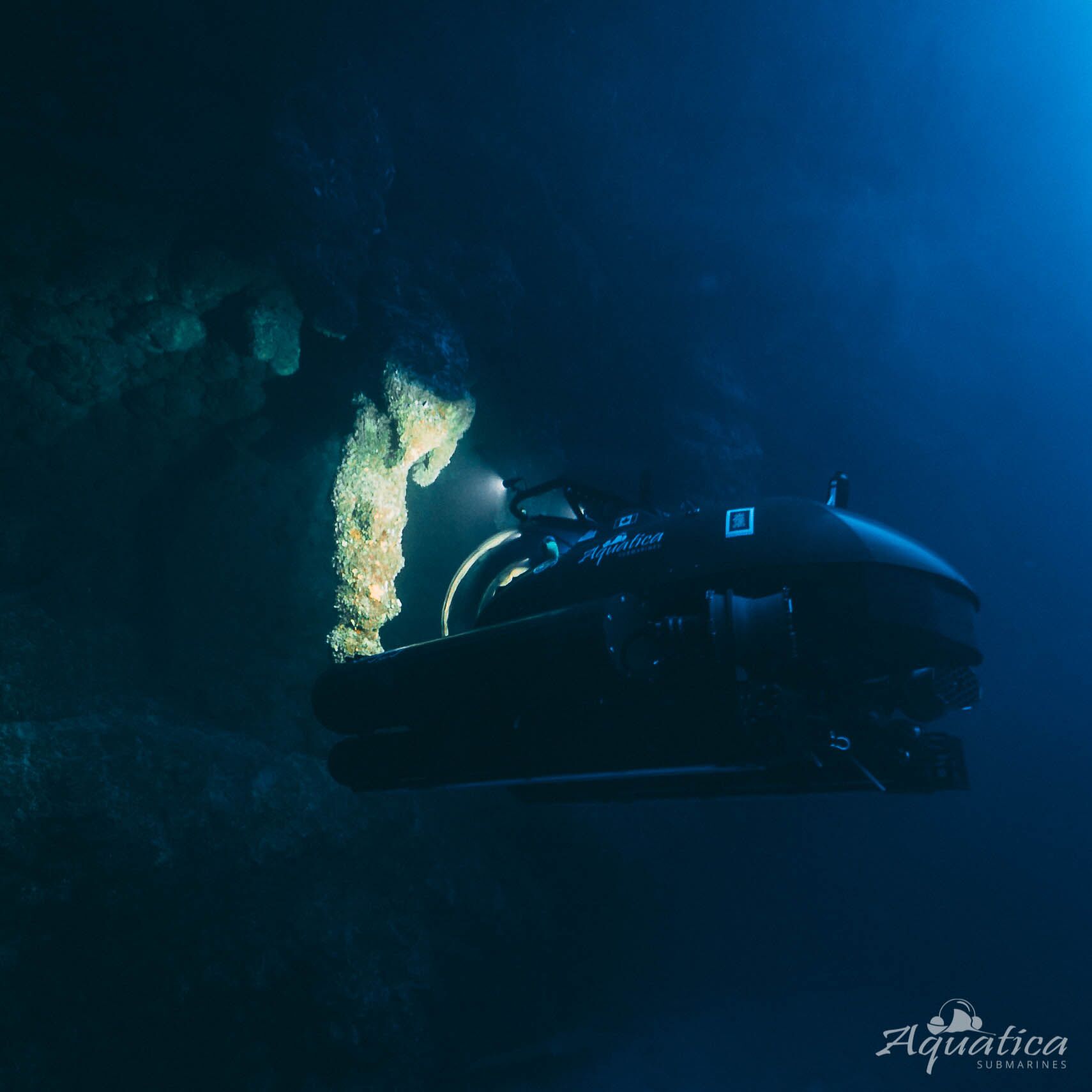
In November of 2018 Aquatica Submarines shipped a three person submarine, Stingray 500, across frosty North America on the back of a truck then over the rolling winter seas of the Gulf of Mexico to Belize aboard the R/V Brooks McCall. Our destination was a site located 7 miles into Lighthouse Reef – a perfect sinkhole in the ocean known as the Great Blue Hole. We traveled to this UNESCO World Heritage site to explore and document a geologic phenomenon in support of conservation science and to conduct outreach. Our mission was two fold, map the Great Blue Hole using high resolution sonar and take people worldwide on this journey with us on broadcast TV. Everything we collected, from CTD data and dissolved oxygen content, to video footage and experiential data, gives us the fodder we need to tell a story about an unusual place on our planet most people have never seen, until now.

Photo courtesy Aquatica Submarines.

Geology from not-a-geologist

Over the past 14,000 years the polar ice caps, formed during the last glacial maximum, have thawed and raised sea level in steps. These defrosting events are captured in a stone record of an oceanic sinkhole in Belize. The aptly named Great Blue Hole is a collapsed cave, filled with stalactite caverns, and built up from layers of fine limestone and rougher calcium carbonate walls. The stepped rise of sea level can be seen in the form of terraces carved deeply by erosion into the otherwise vertical rock walls. Straight vertical stretches of wall are free of erosion because sea level rose rapidly during a few brief decades between each step. As each melting event took place sea level rose dramatically, as much as 100 feet in 100 years, followed by centuries of stability. Preserved from the disturbance of time, and isolated in the darkness, the hole holds clues to a very natural part of our planet’s life cycle. It’s these terraces and stalactites we set out to map.

Photo courtesy Aquatica Submarines.

Read More “Logs from a majestic pit of acid: Diving Belize’s Blue Hole with Erika Bergman.” »

Mud volcanoes, starfish wasting, the stinkiest fruit, and more! Monday Morning Salvage: February 4, 2019.

Posted on February 4, 2019February 4, 2019 By Andrew Thaler
Weekly Salvage

Foghorn (A Call to Action!)

  • Scientists demand military sonar ban to end mass whale strandings.

Flotsam (what we’re obsessed with right now)

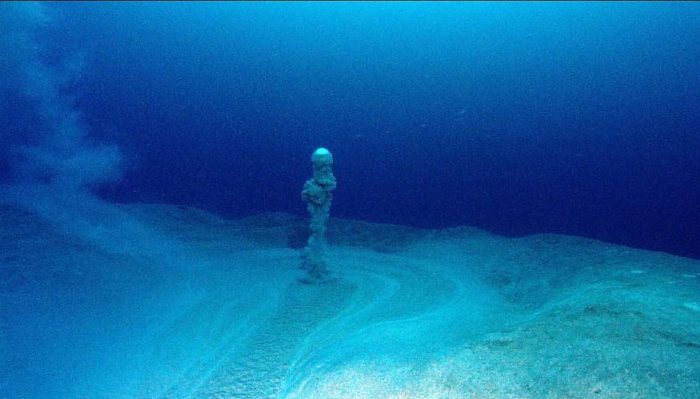
  • Mud volcanoes, the baby cousins for hydrothermal vents and methane seeps, don’t get nearly as much attention as they deserve. There she blows! Mud volcanoes in the Mediterranean.
Underwater mud volcanoes in the Flower Garden National Marine Sanctuary in the Gulf of Mexico. Escaping gas can be seen rising from the mud volcano. PC: Sea Research Foundation (SRF) and the Ocean Exploration Trust (OET).
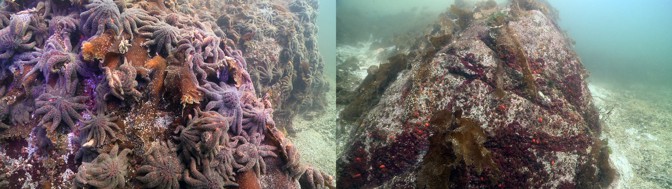
  • Starfish wasting disease continues to plague the Pacific: A Starfish-Killing Disease Is Remaking the Oceans.
Two photos of the same rock, 20 days apart (Neil McDaniel)

Read More “Mud volcanoes, starfish wasting, the stinkiest fruit, and more! Monday Morning Salvage: February 4, 2019.” »

We’re gonna beat the heck out of these machines: The search for the best dirt-cheap 3D printer for fieldwork.

Posted on January 28, 2019March 7, 2019 By Andrew Thaler
We’re gonna beat the heck out of these machines: The search for the best dirt-cheap 3D printer for fieldwork.
Reviews and Interviews

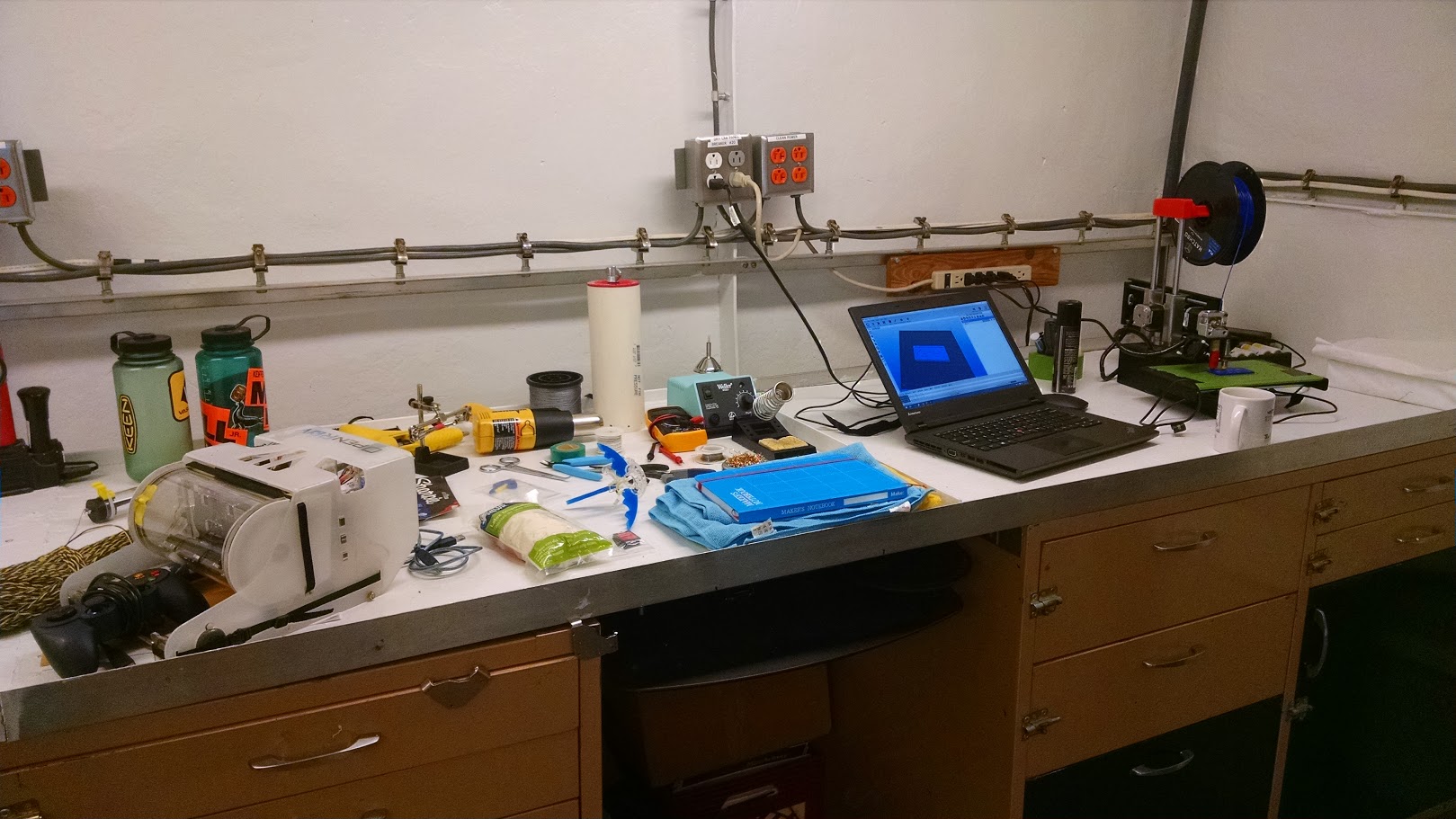
What makes a good 3D printer for field work? It needs to be reliable, it needs to be durable, it needs to be reasonably portable. It also needs to print good, strong parts with decent resolution. They don’t have to be pretty, but they do have to work.

Last year, if you asked me what the absolute best 3D printer for field work was, I wouldn’t have hesitated to tell you it’s the Printrbot Simple Metal. This little beast has traveled the world with me, gone to sea, and taken an absolutely massive beating. And it’s still my main workhorse. At $600 plus a lot of custom modifications, it’s still the best deal in terms of quality, cost, and reliability out there.

If you can find one.

My Simple Metal, with the famous 3D-printed computer driving the 3D-printer that 3D-printed that computer.

Printrbot went out of business last year, due in large part to the proliferation of cheaper machines that have pretty good quality. The company sat in an awkward niche, too expensive for entry-level consumers, not quite up to par for people looking to drop several thousand on a professional machine. As important as it is to me, “can you kick the crap out of it and drop it off a boat?” is not a criteria that rates highly for most people who want a low-cost machine that will sit comfortably on a desk forever.

But that puts me in an tough spot right now. Conservation Tech, especially low-cost, open-source conservation tech, is booming, and we need machines that work in the field on the budget of a conservation biologist. I couldn’t tell you what the best cheap 3D printer on the market is right now for people who need it for field work, travel, or just want a tough machine that works and doesn’t cost much.

So I’m going to buy a bunch, beat them to hell, and figure it out.

The Southern Fried Science Ultimate 3D Printer Review Process

Read More “We’re gonna beat the heck out of these machines: The search for the best dirt-cheap 3D printer for fieldwork.” »

Hagfish, hagfish, hagfish, hagfish, the social value of a hydrothermal vent, more ways plastic booms could kill the ocean, and hagfish. Monday Morning Salvage: January 28, 2019.

Posted on January 28, 2019January 27, 2019 By Andrew Thaler
Weekly Salvage

Flotsam (what we’re obsessed with right now)

It’s all hagfish today, baby!


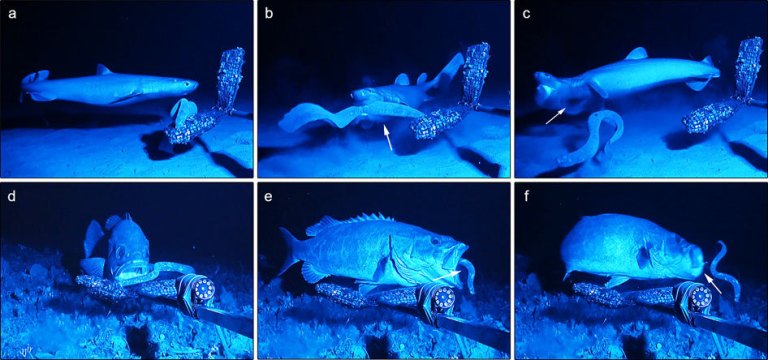
Hagfish appear to use slime to avoid predators like sharks (top) and large fish (bottom). The images above are from videos showing fish eating a hagfish, which then produces slime and is able to escape (Images from wikimediacommons).
  • No One Is Prepared for Hagfish Slime
  • Found: The First Fossil of the Slime-Spewing Hagfish and ‘Like finding a sneeze’: fossil identified as 100m-year-old hagfish.
  • Slime, baby, slime!

Read More “Hagfish, hagfish, hagfish, hagfish, the social value of a hydrothermal vent, more ways plastic booms could kill the ocean, and hagfish. Monday Morning Salvage: January 28, 2019.” »

The ongoing wonder of hagfish, deep-sea mining’s race to the bottom, saving whales with lineless lobster traps, and more! Monday Morning Salvage: January 21, 2019

Posted on January 21, 2019January 22, 2019 By Andrew Thaler
Weekly Salvage
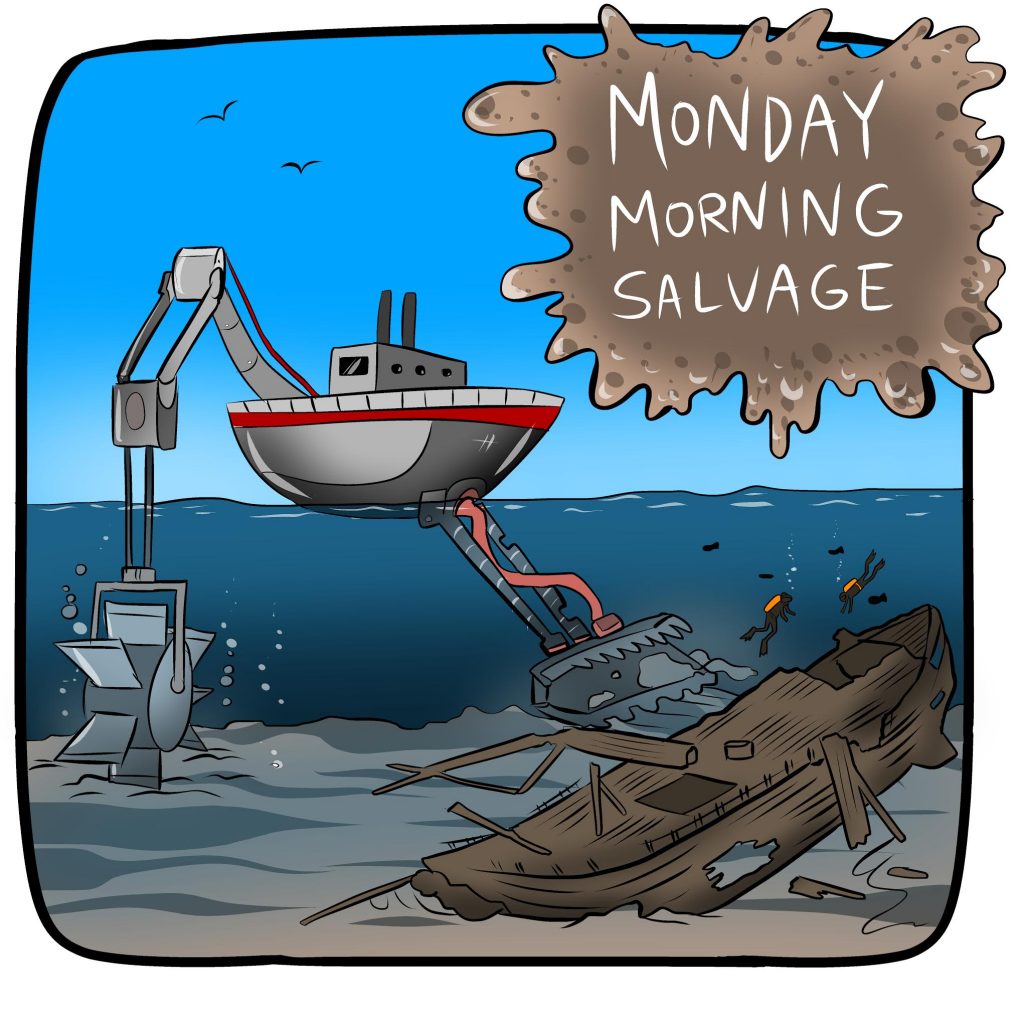
Logo for Monday Morning Salvage.

Foghorn (A Call to Action!)

It’s month two of the longest shutdown in US history and there’s only one party who won’t allow a vote to reopen the government proceed. Have you called you senator today?

  • The Shutdown Is Making the U.S. Less Prepared for Hurricane Season

And while I have your attention, FYI:

  • Thousands of Scientists Endorse Study Proclaiming Trump’s Border Wall a Disaster for Wildlife

Flotsam (what we’re obsessed with right now)3-D Printing the Ulitmate Deep-Sea Christmas Tree

  • Oceans Warming Faster Than Predicted, Scientists Say and Ocean Warming Is Accelerating Faster Than Thought, New Research Finds.
  • Ministry hints Putin’s Arctic ambitions are not realistic. There is unease in several Russian government ministries as officials start to understand that the President’s objectives for the Northern Sea Route can not be reached. The only way to please the president might be to expand the sea route itself.
  • Hagfish are so good. We don’t deserve hagfish.
    • How hagfish launch slime missiles that swell 10,000 times in size.
    • How hagfish can make enough slime to clog a shark’s jaws in seconds

Read More “The ongoing wonder of hagfish, deep-sea mining’s race to the bottom, saving whales with lineless lobster traps, and more! Monday Morning Salvage: January 21, 2019” »

Why I don’t bite everyone that stresses me out: The cost-benefit analysis of predators

Posted on January 20, 2019January 20, 2019 By Michelle Jewell
Uncategorized

There is controversy whenever a human creates a close interaction with a wild animal.  Those arguing in favour of the human’s behavior inevitably settle on the argument that if the animal didn’t like it, the animal would have bit them or exhibited some sudden reaction to the human.  People who propose this argument have a … Read More “Why I don’t bite everyone that stresses me out: The cost-benefit analysis of predators” »

A lost continent, rich in cobalt crusts, could create a challenging precedent for mineral extraction in the high seas.

Posted on January 18, 2019January 18, 2019 By Andrew Thaler
A lost continent, rich in cobalt crusts, could create a challenging precedent for mineral extraction in the high seas.
Science

[This article originally appeared yesterday in the Deep-sea Mining Observer. ~Ed.]

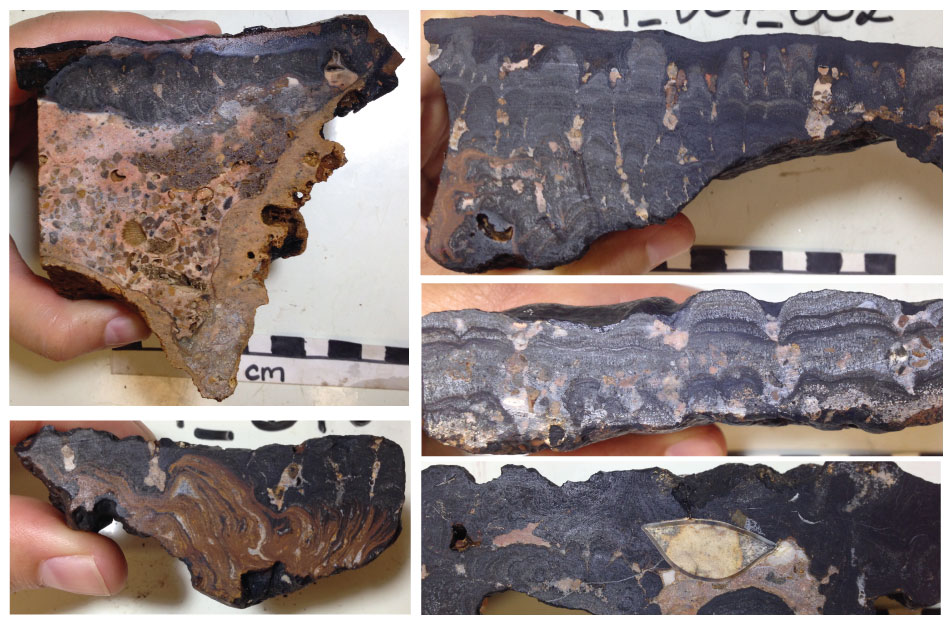
The Rio Grande Rise is an almost completely unstudied, geologically intriguing, ecologically mysterious, potential lost continent in the deep south Atlantic. And it also hosts dense cobalt-rich crusts.

The Rio Grande Rise is a region of deep-ocean seamounts roughly the area of Iceland in the southwestern Atlantic. It lies west of the Mid-Atlantic Ridge off the coast of South America and near Brazil’s island territories. As the largest oceanic feature on the South American plate, it straddles two microplates. And yet, like much of the southern Atlantic deep sea, it is relatively under sampled.

Almost nothing is known about the ecology or biodiversity of the Rio Grande Rise.

Read More “A lost continent, rich in cobalt crusts, could create a challenging precedent for mineral extraction in the high seas.” »

Booms that go boom, a deep-sea mining spiral, dying to go green, and more! Monday Morning Salvage: January 7, 2019

Posted on January 7, 2019January 7, 2019 By Andrew Thaler
Weekly Salvage

Foghorn (A Call to Action!)

  • The US Government enters it’s third week of shutdown over Trump’s Border Wall. Democrats in the House passing funding bills identical to the one unanimously passed by the Senate. Despite that, McConnell won’t let those funding bills come to a vote in his Senate. The Republicans own this travesty.
  • ‘Appalling’ toilets and rule-breaking as US shutdown hits national parks.

Flotsam (what we’re obsessed with right now)

  • How a Seaweed-Eating Microbe Could Help Fight Plastic Pollution
  • Apple finally admits what we basically all knew: being able to repair electronics is bad for the iPhone’s bottom line and that’s really bad news for the environments. Tim Cook to Investors: People Bought Fewer New iPhones Because They Repaired Their Old Ones.
  • Snow at sea is lovely.

Read More “Booms that go boom, a deep-sea mining spiral, dying to go green, and more! Monday Morning Salvage: January 7, 2019” »

I built an open-source robot that steps your steps when the steps you stepped weren’t counted by your step counter: Frequently Asked Questions

Posted on January 6, 2019January 7, 2019 By Andrew Thaler
Uncategorized

The future of fitness tracking is here! reStepper is an open-source, arduino-powered machine to walk your fitness tracker after those unfortunate workouts when your steps didn’t get logged. Did you have the audacity to take you child for a walk in a stroller? Get those steps back! Were you foolish enough to go swimming when you could have walked in aimless circles around the pool? Don’t let the credit drift away! Reckless enough to do something, anything, that might require you to take off your jewelry before working up a sweat? Let the reStepper sweat it all back! Maybe you just don’t want third parties to know where you run, or where your secret morel patch is, or how fast they need to make the people harvesting machines in order to catch Charlton Heston.

The reStepper, an engineering marvel.

Ummm.

It’s funny.

So what is it?

The reStepper is an open-source machine that “walks” a fitness tracker for you.

Read More “I built an open-source robot that steps your steps when the steps you stepped weren’t counted by your step counter: Frequently Asked Questions” »

Posts pagination

Previous 1 … 40 41 42 … 277 Next

Popular Posts

Getting a sense of porpoiseJanuary 20, 2009Andrew Thaler
This is the worst academic presentation in the world ... tributeApril 23, 2015Chris Parsons
That's not a blobfish: Deep Sea Social Media is Flooded by AI SlopThat's not a blobfish: Deep Sea Social Media is Flooded by AI SlopDecember 19, 2025Andrew Thaler
Have we found the city of Atlantis?Have we found the city of Atlantis?September 1, 2026Chris Parsons
What Ocean Ramsey does is not shark science or conservation: some brief thoughts on "the Shark Whisperer" documentaryWhat Ocean Ramsey does is not shark science or conservation: some brief thoughts on "the Shark Whisperer" documentaryJuly 2, 2025David Shiffman
The 45 most influential female ecologists alive today according to twitterThe 45 most influential female ecologists alive today according to twitterFebruary 10, 2014Guest Writer
Ethical Debate: Killing sharks for science?Ethical Debate: Killing sharks for science?June 1, 2010David Shiffman
Our favorite sea monsters – Ningen (#4)Our favorite sea monsters – Ningen (#4)September 7, 2010Andrew Thaler
What is a Sand Shark?What is a Sand Shark?November 12, 2017Chuck Bangley
No, harassing a shark for fun is not ethically equivalent to scientific research that helps conserve a speciesNo, harassing a shark for fun is not ethically equivalent to scientific research that helps conserve a speciesMarch 26, 2014David Shiffman

squishy

Subscribe to our RSS Feed for updates whenever new articles are published.

We recommend Feedly for RSS management. It's like Google Reader, except it still exists.

Southern Fried Science

  • Home
  • About SFS
  • Authors
  • Support SFS


If you enjoy Southern Fried Science, consider contributing to our Patreon campaign.

Copyright © 2026 Southern Fried Science.

Theme: Oceanly Premium by ScriptsTown