
Skip to content

Southern Fried Science

Over 15 years of ocean science and conservation online

  • Home
  • About SFS
  • Authors
  • Support SFS

Recent Posts

5 things I learned helping to reassess the global conservation status of every species of tuna and billfish
September 15, 2026
Key takeaways from my Convention on Migratory Species report on fish aggregating devices in the Mediterranean Sea
September 3, 2026
Jabberwocks and Snallygasters: teaching environmental education with monsters, mayhem, and dice.
August 31, 2026
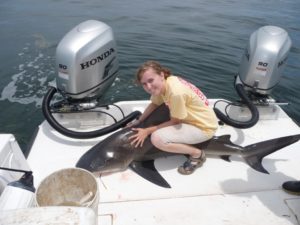
The conservation impacts of recreational fishing
August 25, 2026
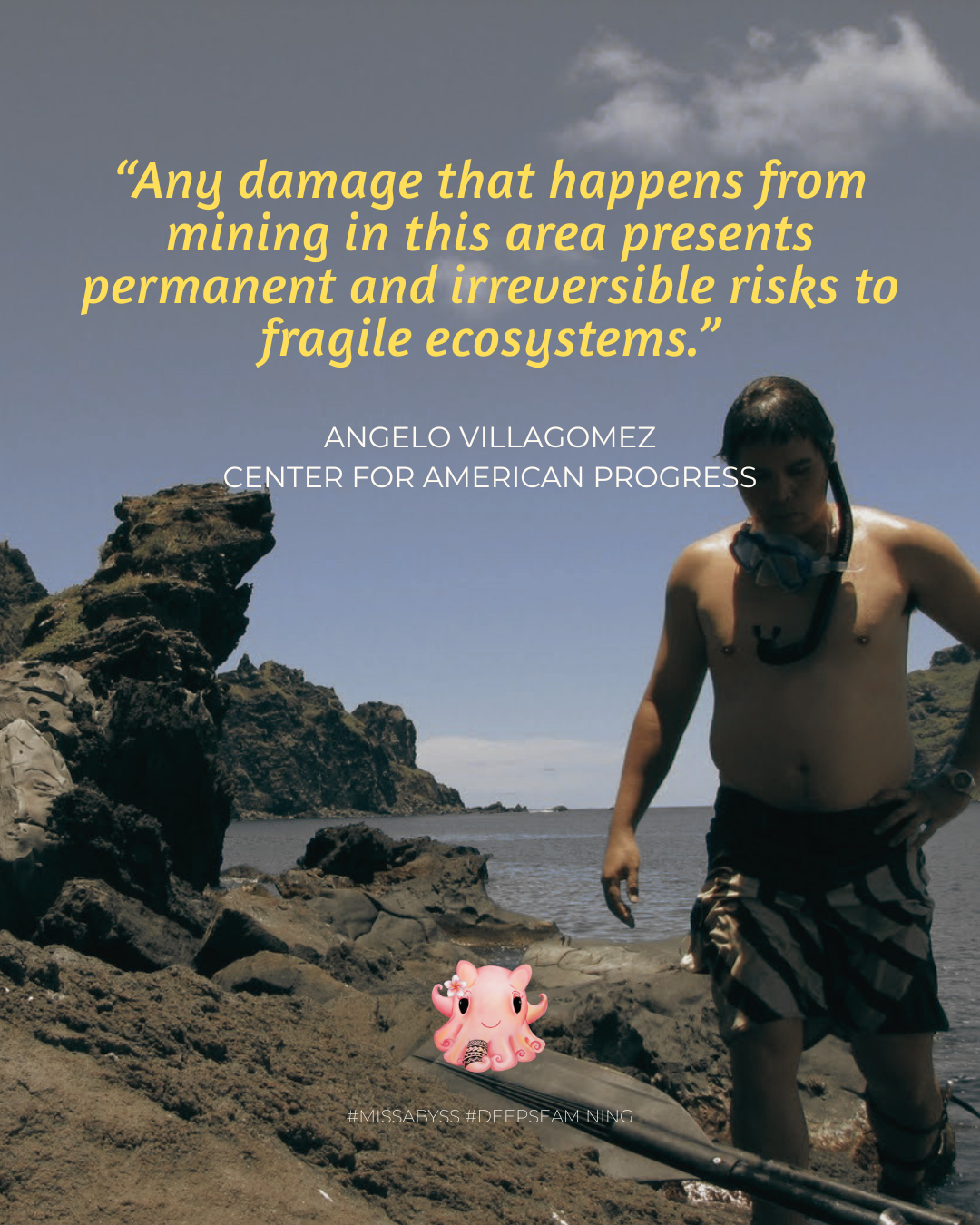
How to help protect the deep sea in the Marianas and American Samoa today
August 20, 2026
Trump Administration Advances Mariana Trench Offshore Mineral Leasing Process
August 19, 2026

Seasteading, ivory diving, seabed mining, and more! Monday Morning Salvage: June 5, 2017

Posted on June 5, 2017 By Andrew Thaler
Weekly Salvage

Fog Horn (A Call to Action)

  • We Should All Care About Sea Grant. Despite being one of the most bipartisan research programs in the United States, with a huge return on investment for coastal communities and businesses, Sea Grant is under attack from the current administration. Read the latest at Deep Sea News: Pam DiBona: #IAmSeaGrant. 
  • 27 National Monuments are under review by the Department of the Interior. Our Nation Monuments are our National Treasures. Don’t let them be sold to the highest bidder! Submit formal public comments on the DOI Monument Review and make your voice heard.

Flotsam (what we’re obsessed with right now)

  • Seasteading. Ok, we’re not actually obsessed with Seasteading. What we are obsessed with are the increasingly convoluted proposals to create floating nations at sea (heck, I even wrote a novel or two about that). Fresh from the New Republic: Libertarians Seek a Home on the High Seas.
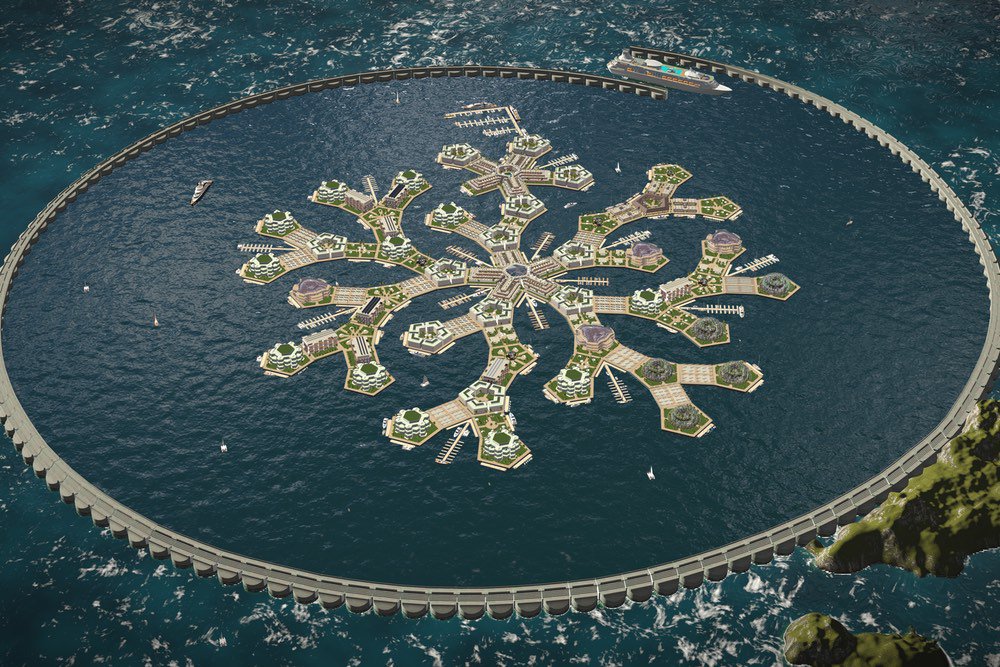
Courtesy of Seasteading Institute

  • Ocean/Policy superstar Miriam Goldstein reminded me that China Mieville wrote an absolutely brutal takedown of the degraded imagination of the libertarian seasteaders several years back.

Read More “Seasteading, ivory diving, seabed mining, and more! Monday Morning Salvage: June 5, 2017” »

Thursday Afternoon Dredging: June 1, 2017

Posted on June 1, 2017June 5, 2017 By David Shiffman
Uncategorized

Cuttings (short and sweet):

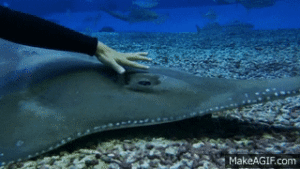
  • Watch how guitarfish pull their whole eyeball inside their skull instead of blinking (learn more about this here)

    Guitarfish can sink their eyeballs into their skull. Video courtesy AAAS. (This is research not wildlife harassment)
  • Follow Norah Brown, a UBC graduate student studying ocean acidification’s influence on marine ecology, on twitter! 
  • Dugong baby boom is good news for the Great Barrier Reef. By John Pickrell, for National Geographic.

Read More “Thursday Afternoon Dredging: June 1, 2017” »

#IAmSeaGrant, Octopus Beats Dolphins, Deep-sea Mining, and more! Monday Morning Salvage: May 29, 2017

Posted on May 29, 2017May 29, 2017 By Andrew Thaler
Weekly Salvage

Fog Horn (A Call to Action)

  • #IAmSeaGrant. Despite being one of the most bipartisan research programs in the United States, with a huge return on investment for coastal communities and businesses, Sea Grant is under attack from the current administration. Deep Sea News has been collecting stories from marine researchers who’ve benefited from Sea Grant programs: Ben Wetherill, Nyssa Silbiger, and Christy Bowles.
  • 27 National Monuments are under review by the Department of the Interior. Our Nation Monuments are our National Treasures. Don’t let them be sold to the highest bidder! Submit formal public comments on the DOI Monument Review and make your voice heard.

Flotsam (what we’re obsessed with right now)

  • Zach Weinersmith has perfectly capture the essence of what it is to be a marine biologist in the United States right now. Pure. Abyssal. Horror.

  • The Deep Sea News crew is at sea, and Dr. Craig and his team did a hilarious, fascinating, informative Ask Me Anything over at Reddit. Worth reading the whole thread, even though it’s done for now.

Read More “#IAmSeaGrant, Octopus Beats Dolphins, Deep-sea Mining, and more! Monday Morning Salvage: May 29, 2017” »

Thursday Afternoon Dredging: May 25th, 2017

Posted on May 25, 2017May 25, 2017 By David Shiffman
Uncategorized

Logo by Ethan Kocak

Cuttings (short and sweet):

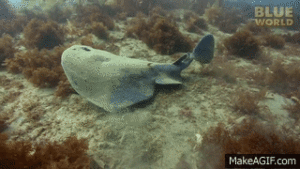
  • Watch this electric torpedo ray in a clip from Jonathan’s Blue World

    From Jonathan’s Blue World
  • Follow Dr. Kara Yopak, a professor at UNC-Wilmington who studies shark brains, on twitter. 
  • What NOAA does to help Endangered Species. From the NOAA Response and Restoration Blog.

Read More “Thursday Afternoon Dredging: May 25th, 2017” »

Parasitic barnacles, a code of conduct for marine conservation, #BillMeetScienceTwitter, and more! Monday Morning Salvage: May 22, 2017.

Posted on May 22, 2017May 22, 2017 By Andrew Thaler
Weekly Salvage

Fog Horn (A Call to Action)

  • 27 National Monuments are under review by the Department of the Interior. Our Nation Monuments are our National Treasures. Don’t let them be sold to the highest bidder! Submit formal public comments on the DOI Monument Review and make your voice heard.

Flotsam (what we’re obsessed with right now)

  • This parasitic barnacle, Sacculina carcini, replacing the reproductive organs of a crab.
  • Hat tip to Tommy Leung, who’s twitter feed is a gold mine of fantastic parasites and where to find them.
  • #BillMeetScienceTwitter. What started as an inquiry into whether science celebrities really engage with practicing scientists on a regular basic morphed into the best way to find new scientists to follow on Twitter. I’m curating a massive list of all the self-identified Ocean Scientists that participated.

Jetsam (what we’re enjoying from around the web)

  • Deep-sea mining is gearing up on the high seas, and international regulations is still lagging far behind technology: The Wild West of Deep-Sea Mining.
  • oceanbites rolls out an excellent overview of the different kinds of robots used in conducting deep-sea research.
  • Beyond drug lords and conservationists: Who is missing in the coverage of the vaquita’s demise? from the legendary team at Deep Sea News.
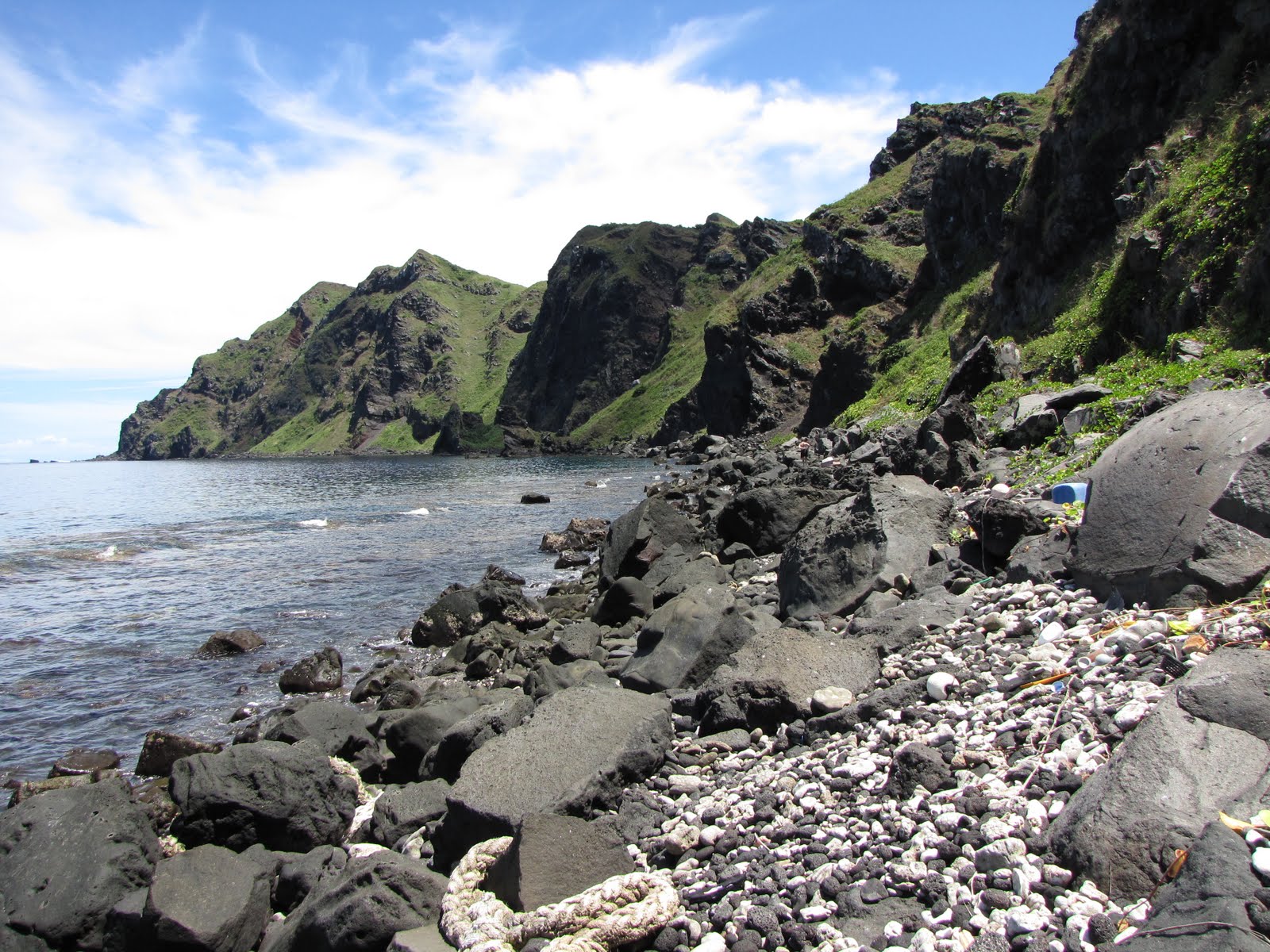
  • Henderson Island is isolated and uninhabited, so why are all its beaches so completely covered in garbage? Spoilers: It’s because the planet is an interconnected global system with impacts felt far beyond the source of insult.
  • Bone-eating snot flower worm will never not be my favorite common name. Tiny Zombie Worms Are the Beavers of the Deep.
  • The history of the entire world, in one entertaining YouTube video (via Vox):
  • Are Ships The Careless Giants Of The Sea? Yes, but they don’t have to be.
  • Trump’s EPA Greenlights a Nasty Chemical. A Month Later, It Poisons a Bunch of Farmworkers.
  • Trump country is flooding, and climate ideas are shifting.
  • The Ocean as the New Frontier of Climate Action.
  • The Antarctic Peninsula is 3 degrees warming than is used to be, and that means plants are growing and Antarctica is getting greener.
  • The long history of ocean drilling and scientific discovery.
  • A tiny anchovy could be a silver bullet for malnutrition in Peru—if only we would let it: The Fish that Smells like Money.
  • I talk alot about e-waste and disposable electronics, which is why I’m excited to see modular, open-source smartphone projects finally start to mature. The ZeroPhone looks like on of the most promising additions to this space.
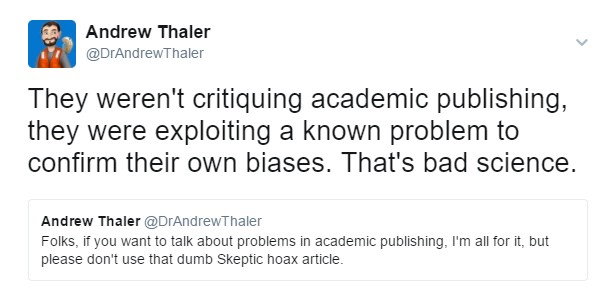
  • Skeptic Magazine has a pseudoscience problems. Unfortunately, this time it’s the skeptics promoting some pretty eyebrow-raising junk science. I went a little deeper into this on Twitter.

Read More “Parasitic barnacles, a code of conduct for marine conservation, #BillMeetScienceTwitter, and more! Monday Morning Salvage: May 22, 2017.” »

What Google Searches Tell Us About The Ocean… and Us

Posted on May 20, 2017May 22, 2017 By Bluegrass Blue Crab
Open Science, Science

I recently discovered that Google Trends is a thing. Specifically, that they aggregate their search data and make it publicly available. Which is awesome. People Google much more honestly than they interact with others in person, more honestly than they answer surveys, and more honestly than they behave in a world where politics is important. So what people Google is insight into what people are curious about, where online outreach can have the most potential impact, and what is on the top of people’s brains at particular times. It tells us something about regionalisms, and seasonality of thought. I encourage everyone to play around with their data, for work or for play.

Here’s a couple of examples of things you can learn. Let’s start with the basics. Which states, over the last 12 months, have searched for “ocean” the most?


Read More “What Google Searches Tell Us About The Ocean… and Us” »

Fun Science FRIEDay – Cure for HIV?

Posted on May 19, 2017May 19, 2017 By Kersey Sturdivant
Uncategorized

One of the greatest scourges of the mid 20th century, leading into the 21st century, has been the human immunodeficiency virus, better known as HIV, which can lead to acquired immune deficiency syndrome (AIDS). HIV is a virus that attacks a person’s immune system. Without treatment, over time HIV can completely destroy a person’s immune system leaving them mortally vulnerable to common pathogens that would otherwise be easily dealt with.  Since this disease first burst onto the scene in the mid-20th century it has claimed countless lives, and science has struggled to develop a cure given the ability of the disease to rapidly change and hide-out in the body.

(Photo credit: gamjai / Fotolia)

Read More “Fun Science FRIEDay – Cure for HIV?” »

Bony-eared assfish, shark swarms, ocean plastics, and more! The Monday Morning Salvage: May 15, 2017

Posted on May 15, 2017May 14, 2017 By Andrew Thaler
Weekly Salvage

Fog Horn (A Call to Action)

  • This is you last day to submit public comments in defense of the Environmental Protection Agency! The time to save the EPA is now!  If you don’t know quite what to say, I’ve  prepared a script for you.
  • 27 National Monuments are under review by the Department of the Interior. Our Nation Monuments are our National Treasures. Don’t let them be sold to the highest bidder! Submit formal public comments on the DOI Monument Review and make your voice heard.

Flotsam (what we’re obsessed with right now)

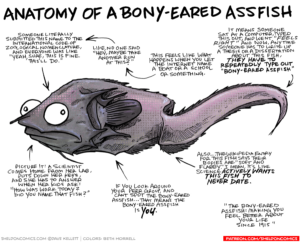
  • This bony-eared assfish, courtesy of Sheldon Comics. Go show the some love on Twitter and Patreon.

  • “You are paddleboarding next to approximately 15 great white sharks… exit the water in a calm manner.” When paddleboarding, this is not what you want to hear.

https://www.youtube.com/watch?v=C5SPMrmRMjE

  • But, of course: The Viral Video of 15 Sharks Circling Near Surfers in California Shows a Much Bigger Problem.

Read More “Bony-eared assfish, shark swarms, ocean plastics, and more! The Monday Morning Salvage: May 15, 2017” »

The Case Against Shark Fin Trade Bans

Posted on May 12, 2017May 12, 2017 By David Shiffman
Conservation, Science

Photo credit: Jessica King, Marine Photobank

The United States Congress is considering a nationwide ban on buying, selling, or trading shark fins. While several of my posts and tweets have briefly discussed my stance on such policies, I’ve never laid out my full argument in one post. Here is why I, as a shark conservation biologist, oppose banning the shark fin trade within the United States.  The short answer is that the US represents a tiny percentage of overall consumers of shark fin, but provide some of the most sustainably caught sharks on Earth, as well as important examples of successful management, to the world. This means that banning the US shark fin trade won’t reduce total shark mortality by very much, but will remove an important example of fins coming from a well-managed fishery while also hurting American fishermen who follow the rules. Also, a focus on these policies promotes the incorrect belief that shark fin soup is the only significant threat to sharks, and that addressing the tiny part of that problem locally represents the end of all threats. For the longer answer, read on. And for the case for shark fin bans, please see this guest post from Oceana scientist Mariah Pfleger.

Read More “The Case Against Shark Fin Trade Bans” »

The Case for Shark Fin Trade Bans

Posted on May 12, 2017May 12, 2017 By Guest Writer
Conservation, Science

Mariah Pfleger is a marine scientist at Oceana, an international marine conservation non-profit, advising both the responsible fishing and sharks campaigns. She graduated from Florida State University in 2012 where she studied coastal sharks and their relatives. In 2016 she earned her Master’s degree from the University of West Florida where she researched both coastal and deep-water sharks and rays. Mariah worked for 3 years as a field assistant, and during her Master’s an additional 3 years as a field manager, on the Gulf of Mexico Shark Pupping and Nursery Program. She has also conducted research using environmental DNA to detect rare and endangered sturgeon. Her twitter handle is @MariahPfleger.


The demand for shark fins is widely recognized as one of the major contributors to shark mortality around the world. However, solutions to decrease this demand are hotly debated, especially in the scientific community. Southern Fried Science and other websites have published opinions that debate the effectiveness of shark fin bans, but as a shark scientist working to implement this policy I would like to present the case for shark fin trade bans.

The conversation is newly relevant with the introduction of the Shark Fin Trade Elimination Act in the Senate on March 30th by Senators Cory Booker (D-NJ) and Shelly Moore-Capito (R-WV) and in the House on March 9th by Representatives Ed Royce (R-CA) and Gregorio Kilili Camacho Sablan (I-MP). If passed, the bill would ban the buying and selling of shark fins in the United States – thereby removing the United States from the global shark fin trade altogether. The bill is championed by Oceana, where I work as the scientist on the sharks campaign.

The demand for fins fuels finning – the act of slicing off a shark’s fins and dumping the body back into the ocean. The United States recognized this practice was a problem and implemented the Shark Finning Prohibition Act of 2000 followed by the  Shark Conservation Act (SCA) in 2010, which required that all sharks must be landed with their fins naturally attached (except for smooth dogfish, which can be landed under a fin-to-carcass ratio). However, according to the National Marine Fisheries Service, the United States is still importing fins from places like Hong Kong, China, New Zealand, the Netherlands, Spain, South Africa and Indonesia, to name a few. Not all of these countries have anti-finning laws, which means that the United States may be, and likely is, purchasing fins from finned sharks. Once in the United States market, there is no way to tell whether a fin came from a finned shark or not. By purchasing these fins, the United States is sustaining the demand for this unsustainable practice.

Read More “The Case for Shark Fin Trade Bans” »

Posts pagination

Previous 1 … 64 65 66 … 276 Next

Popular Posts

At least 74 practicing shark researchers: How a silly thing I said online raised thousands for conservationAt least 74 practicing shark researchers: How a silly thing I said online raised thousands for conservationFebruary 26, 2025David Shiffman
Why the new Trump order to shoot wolves is both illegal and a dreadful precedent for endangered speciesWhy the new Trump order to shoot wolves is both illegal and a dreadful precedent for endangered speciesSeptember 5, 2026Ali Gaster
Severely injured great white shark found, are scientists responsible?Severely injured great white shark found, are scientists responsible?March 29, 2011David Shiffman
5 things I learned helping to reassess the global conservation status of every species of tuna and billfish5 things I learned helping to reassess the global conservation status of every species of tuna and billfishSeptember 15, 2026David Shiffman
That's not a blobfish: Deep Sea Social Media is Flooded by AI SlopThat's not a blobfish: Deep Sea Social Media is Flooded by AI SlopDecember 19, 2025Andrew Thaler
Getting a sense of porpoiseJanuary 20, 2009Andrew Thaler
How to build a canoe from scratch on a graduate student stipendHow to build a canoe from scratch on a graduate student stipendApril 17, 2010Andrew Thaler
13 wrong things about sharks that conservation advocates should stop saying in 2013 (and what they should say instead)December 27, 2012David Shiffman
What is a Sand Shark?What is a Sand Shark?November 12, 2017Chuck Bangley
The Trump Administration’s latest attack on endangered speciesThe Trump Administration’s latest attack on endangered speciesSeptember 17, 2026Ali Gaster

squishy

Subscribe to our RSS Feed for updates whenever new articles are published.

We recommend Feedly for RSS management. It's like Google Reader, except it still exists.

Southern Fried Science

  • Home
  • About SFS
  • Authors
  • Support SFS


If you enjoy Southern Fried Science, consider contributing to our Patreon campaign.

Copyright © 2026 Southern Fried Science.

Theme: Oceanly Premium by ScriptsTown