
Skip to content

Southern Fried Science

Over 15 years of ocean science and conservation online

  • Home
  • About SFS
  • Authors
  • Support SFS

Recent Posts

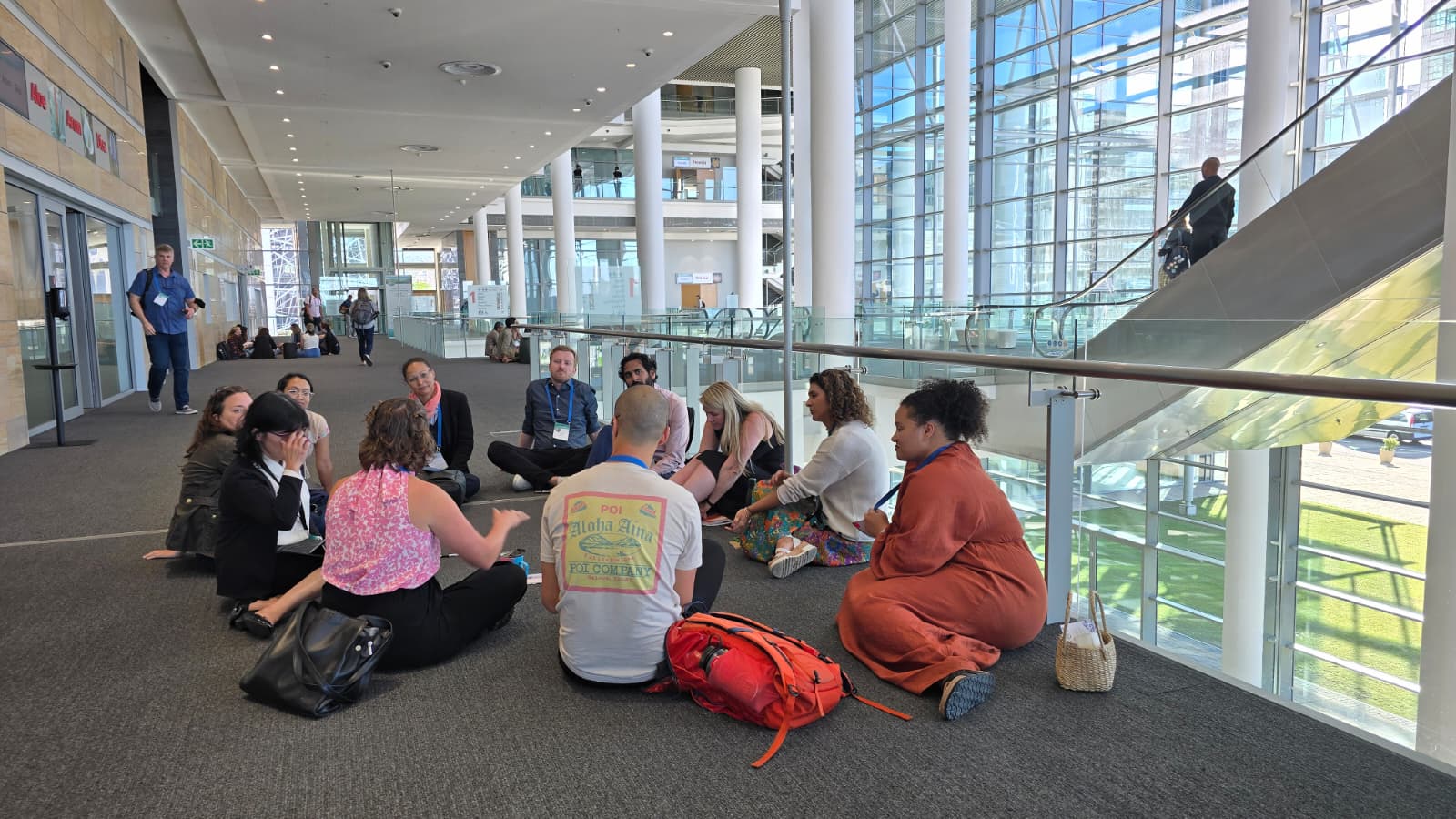
We Asked IMCC7 Attendees What Ocean Conservation Needs. Here’s What They Said.
November 5, 2026
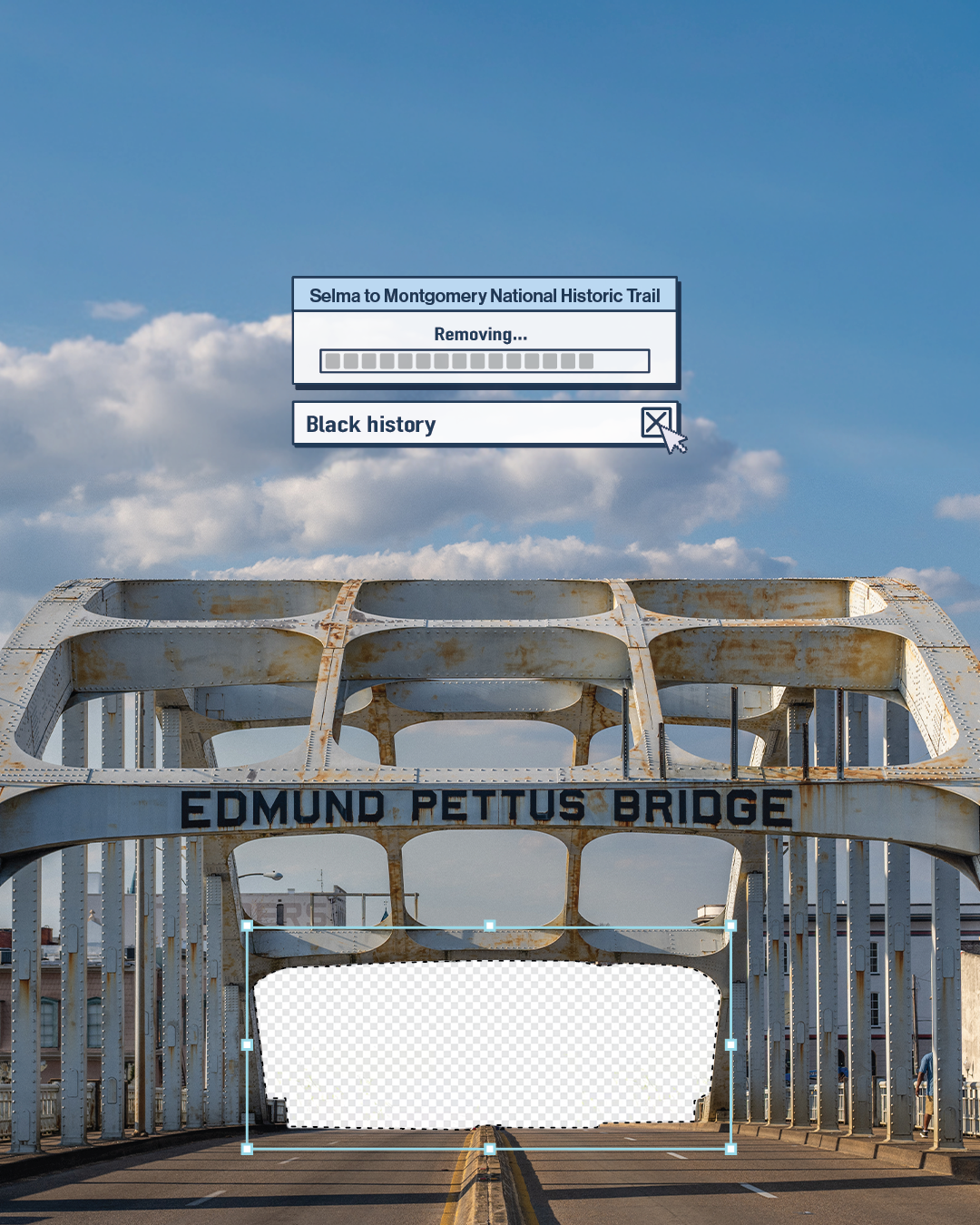
Researching Historical Erasure on Public Lands
July 31, 2026
5 things I learned helping to reassess the global conservation status of every species of tuna and billfish
September 15, 2026
Key takeaways from my Convention on Migratory Species report on fish aggregating devices in the Mediterranean Sea
September 3, 2026
Jabberwocks and Snallygasters: teaching environmental education with monsters, mayhem, and dice.
August 31, 2026
The conservation impacts of recreational fishing
August 25, 2026

Thursday Afternoon Dredging: February 16th, 2017

Posted on February 16, 2017February 16, 2017 By David Shiffman
Uncategorized

Cuttings (short and sweet):

Logo by Ethan Kocak

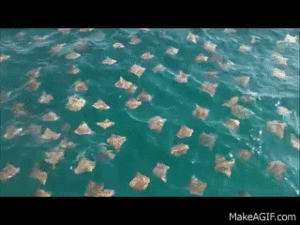
  • Watch cownose rays migrate past Destin, Florida, filmed by a parasailer
  • Follow Abby Lawson, a Ph.D. candidate researching alligators, on twitter!
  • Debunking myths about ocean garbage patches. From the NOAA restoration blog
  • What does BREXIT mean for UK fishing rights? By Daniel Boffey, for the Guardian

Read More “Thursday Afternoon Dredging: February 16th, 2017” »

R1 research universities – is a biased, flawed ranking system crippling academia?

Posted on February 16, 2017February 20, 2017 By Chris Parsons
Academic life

If you are at a university that has graduate students, you have probably heard about whether your university is an R1 or R2 or R-whatever research institution. Universities tout their position in this ranking system, awarded by the Carnegie Foundation, to denote how “prestigious” they are in terms of research. From 1994, the ranking used to be given according to how much federal research funding they were awarded.

Source: clipart panda

Because of this, all the ranking told you was how much federal money a particular university received. This system is incredibly flawed. For example, if you have faculty more dedicated to writing grants and less dedicated to teaching, mentoring graduate students, publishing articles or doing other activities that are supposed to be the mainstay of academia, then certainly you will get more money. However, this will be at the expense of teaching, mentoring, publishing, etc.

Read More “R1 research universities – is a biased, flawed ranking system crippling academia?” »

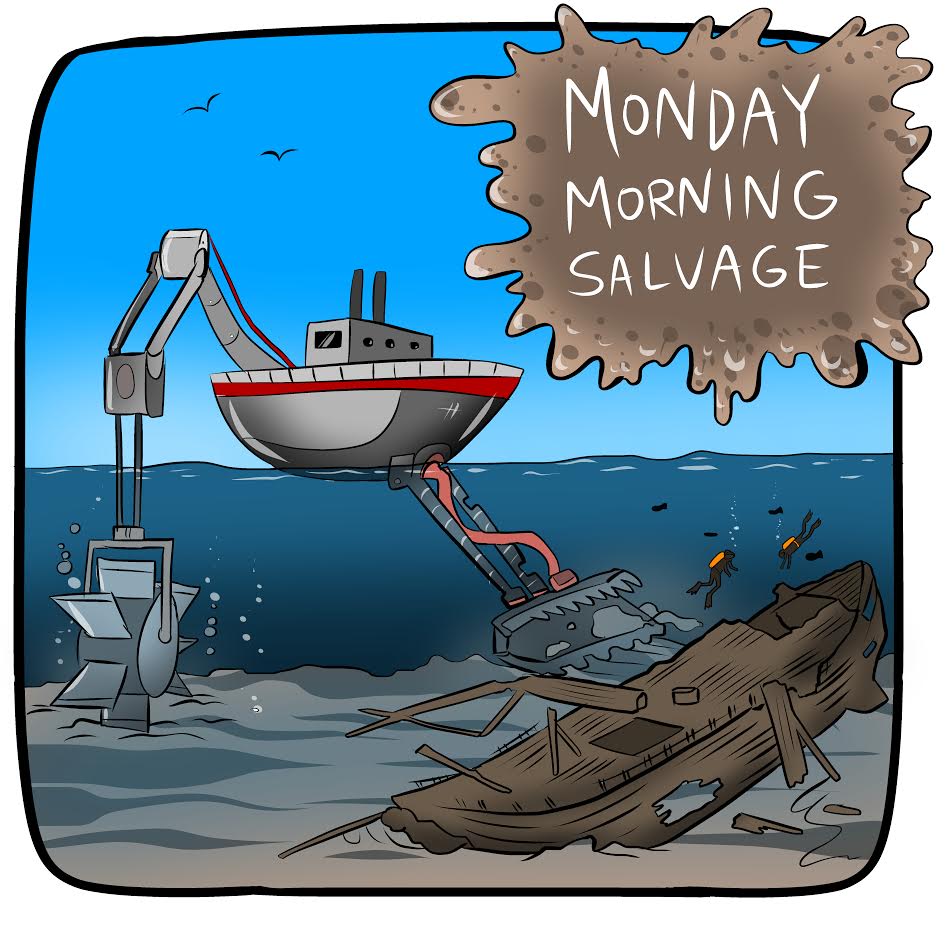
Monday Morning Salvage: February 13, 2017

Posted on February 13, 2017 By Andrew Thaler
Weekly Salvage

Bringing you the best of marine science and conservation from the last week.

Flotsam (what we’re obsessed with right now)

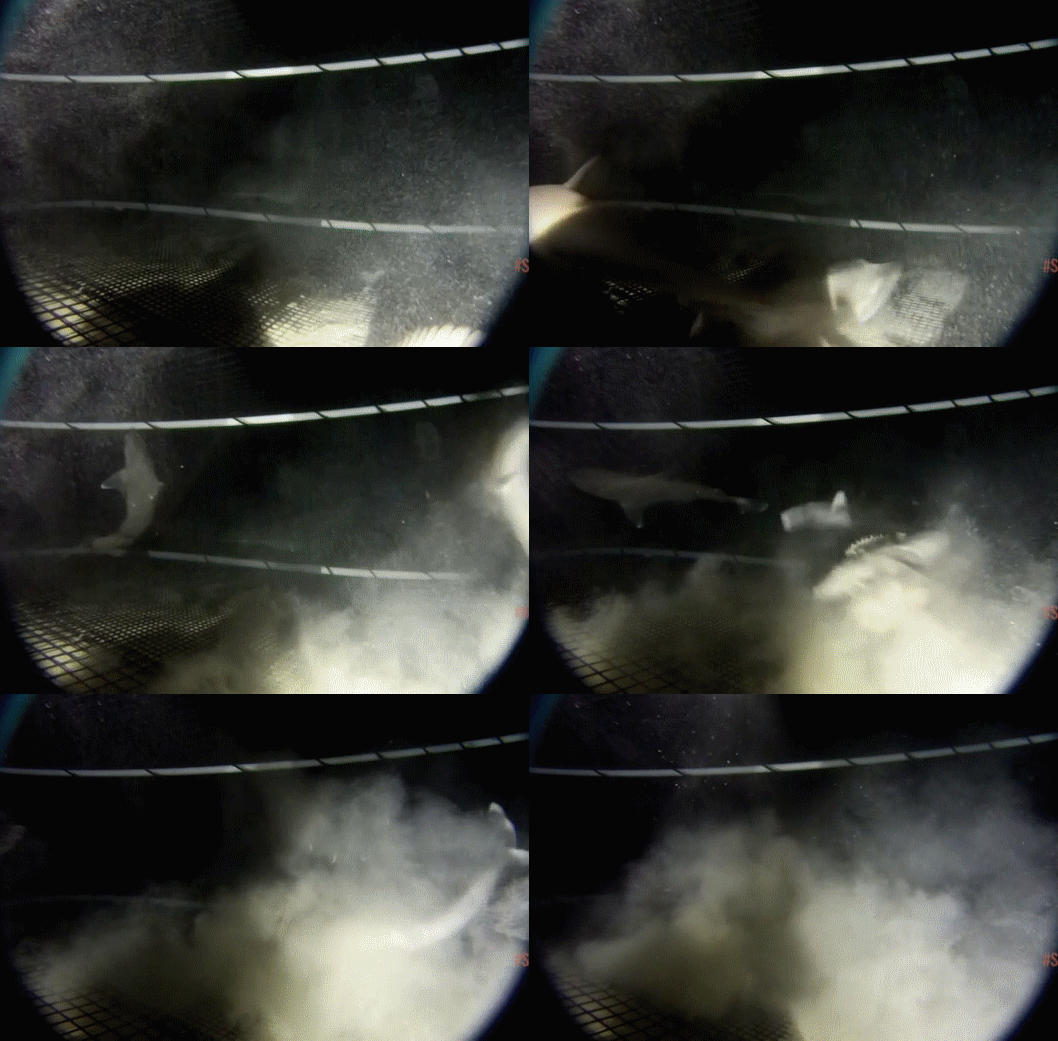
  • This giant isopod just wrecking a shark.

  • More.

Jetsam (what we’re enjoying from around the web)

Read More “Monday Morning Salvage: February 13, 2017” »

Thursday Afternoon Dredging: February 9th, 2017

Posted on February 9, 2017 By David Shiffman
Uncategorized

Cuttings (short and sweet):

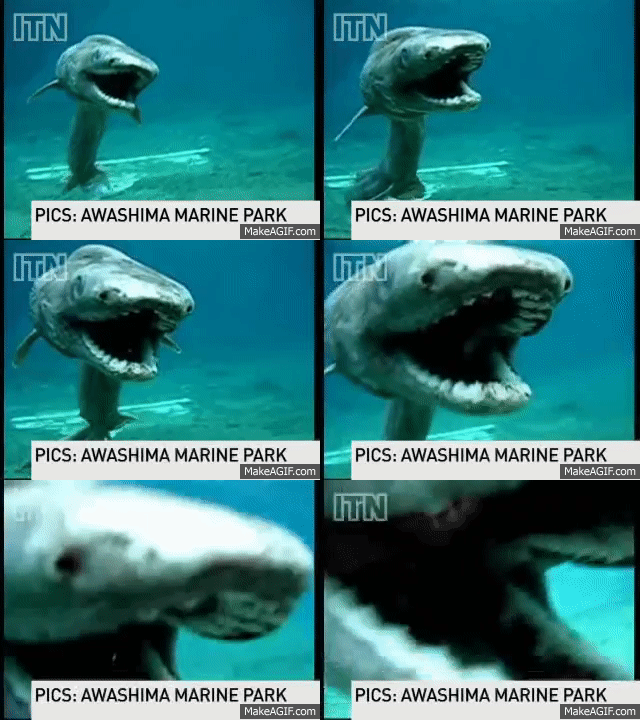
  • Watch this frilled shark swim in unusually shallow water off Japan
  • Follow Dr. Rae Wynn-Grant, an AMNH conservation researcher, on twitter!
  • Last call for vaquita, the panda of the sea. WWF reports that there are just 30 vaquita left in the wild, down from 60 last year.

Read More “Thursday Afternoon Dredging: February 9th, 2017” »

Conserving Chicago’s Lungfish Legacy

Posted on February 8, 2017February 8, 2017 By Solomon David
Conservation, Science

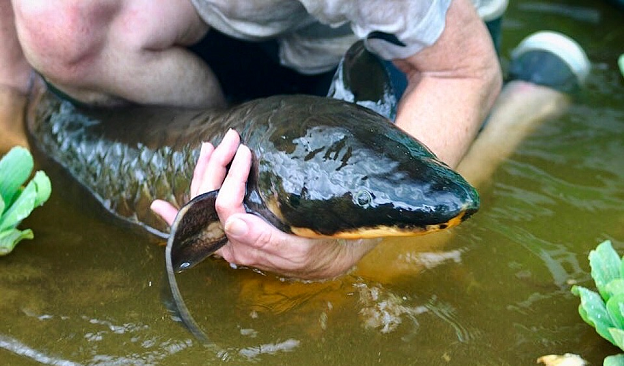
Adult Australian Lungfish, part of a captive breeding program in Queensland, Australia.
Credit: Gordon Hides (used with permission)

On Sunday, February 5, 2017, Granddad the Australian Lungfish, the oldest fish in any aquarium or zoo, was euthanized due to health complications. Although his exact age is unknown, he arrived at Shedd Aquarium in Chicago as an adult in 1933. Australian Lungfish (Neoceratodus forsteri) take over a decade to mature, so we can estimate he was over 90 years old when he passed.

The Australian Lungfish is a unique species, considered a “living fossil”, resembling its ancestors whose lineage dates back over 380 million years. The Australian Lungfish genus (Neoceratodus) itself has been around for about 100 million years. When first described, they were believed to be amphibians; one look at their elongate body and flipper-like fins, and you can imagine the classification conundrum. The fish even possesses a primitive lung, allowing it to breathe air in low-oxygen environments (although they usually breathe with their gills).

Read More “Conserving Chicago’s Lungfish Legacy” »

A Reading List for Environmental Resistance

Posted on February 7, 2017 By Andrew Thaler 1 Comment on A Reading List for Environmental Resistance
Blogging

We have entered a challenging new era for conservation and the environmental movement. Some of us feel as if we are hanging from the edge of a cliff. Others are preparing for the battles ahead. And many of us are still reeling from the whirlwind of changes taking place seemingly overnight.

We can’t tell you how to feel or how to act. We can’t really offer any comfort either, at least none that feels sincere. What we can provide are resources culled from a lifetime working in conservation science to provide, if not a map, than at least a scattered set of guideposts to remind us of where we’ve been and direct us to where we need to be going.

Over the last few weeks, I’ve been collecting and curating a reading list for the conservation professionals, managers, and activists. I’ve culled from a diverse groups of writers to both focus and expand my vision of what conservation could become in the coming years.

This is, of course, not a comprehensive list of writings, but rather those which I have turned to, or turned back to, in the last few months, for inspiration and understanding. Some of them may seem a little out of place, but they have all offered guidance and insight as we move forward into this brave new world.

Read More “A Reading List for Environmental Resistance” »

Monday Morning Salvage: February 6, 2017

Posted on February 6, 2017 By Andrew Thaler
Uncategorized

Bringing you the best of marine science and conservation from the last week.

Flotsam (what we’re obsessed with right now)

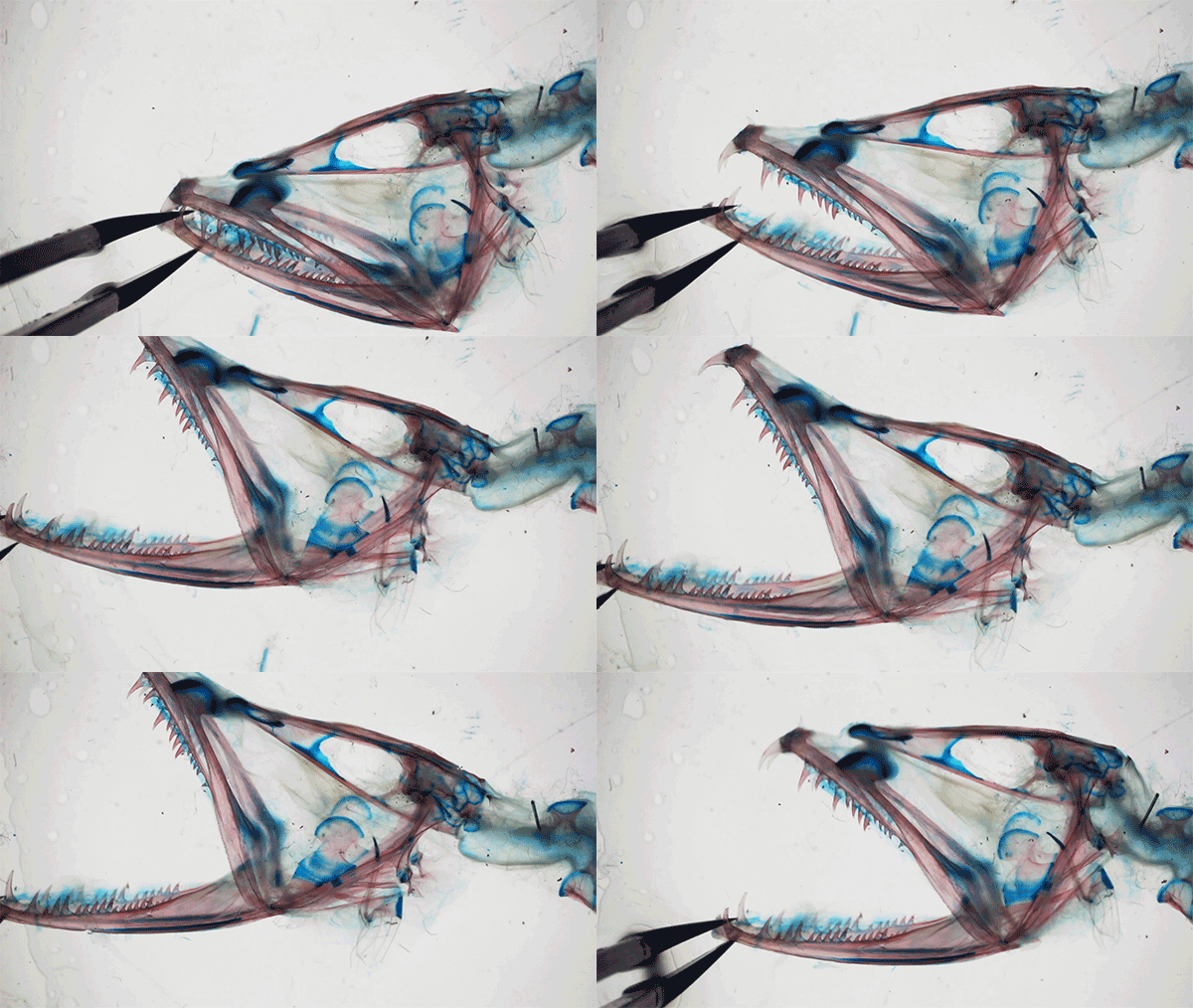
  • The ridiculous, extensible jaw and neck joint of a Barbeled Dragonfish.

  • Deep-Sea Fishes That Are Built to Eat Big.

Jetsam (what we’re enjoying from around the web)

Read More “Monday Morning Salvage: February 6, 2017” »

New achievement milestones for academic life

Posted on February 5, 2017 By Michelle Jewell
New achievement milestones for academic life
Academic life

Overall job satisfaction in academia has been steadily declining for many independent reasons I won’t get into here (see Nature 1 and 2). However, we do need to accept some ownership for this dissatisfaction. Our expectations and goal posts are understandable set very high.  Indeed for many of us, our impossible standards and stubborn determination are the only reasons we got this far, so it can be painful – nigh impossible – for those who are hardwired to overachieve to step back and be happy with the big picture. We need to, because the stakes are as high as health, sanity, and relationships.

This inspired me to develop a new set of milestones to measure our academic careers by. Not only for our sanity, but especially for those younger scientists and students still fighting their way up the ladder.

Here are 12 new milestones of achievement I recommend we measure our career success by:

Read More “New achievement milestones for academic life” »

Thursday Afternoon Dredging: February 2nd, 2017

Posted on February 3, 2017 By David Shiffman
Uncategorized

Cuttings (short and sweet):

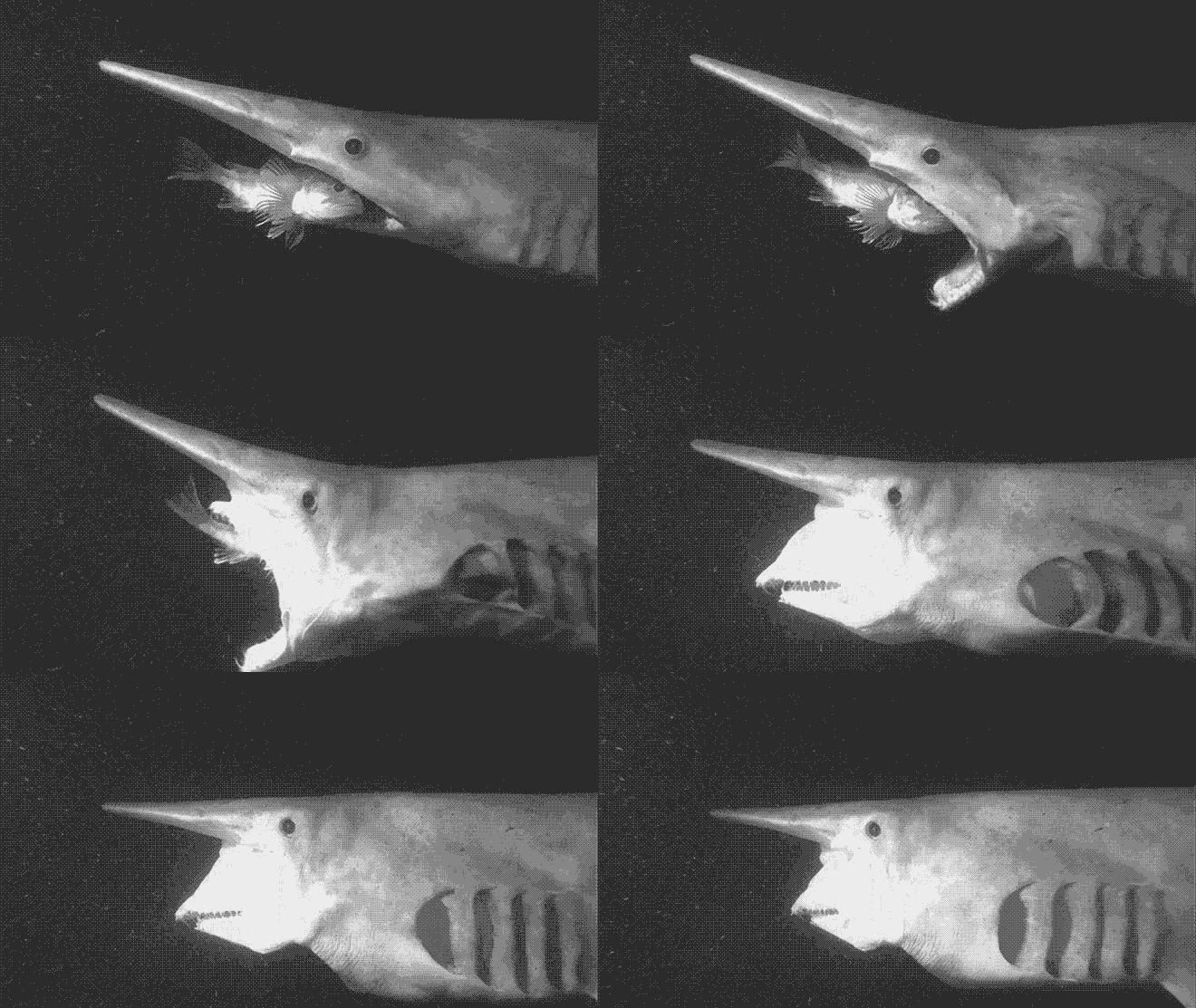
  • Watch how a goblin shark feeds in slow-motion. Footage originally from Shark Week’s “Alien Sharks.”

    A goblin shark, from Shark Week’s “Alien Sharks”
  • Follow amphibian conservation biologist Dr. Wendy Palen on twitter!
  • The most wonderful pikes, pickerels, and muskies of the world! By Sasha Doss, for the Fisheries Blog.

Read More “Thursday Afternoon Dredging: February 2nd, 2017” »

No, there isn’t a UFO sitting in Antarctica.

Posted on February 2, 2017 By Andrew Thaler
Popular Culture

One of my favorite things to do is browse through google maps looking for weird formations and places of historical curiosity. Apparently I’m not alone, as there are hordes of map hunters searching for the bizarre on this increasingly bizarre world. That’s right! It’s time for yet another installment of “this thing on Google maps is not a sea-monster/alien/UFO/ancient pyramid”.

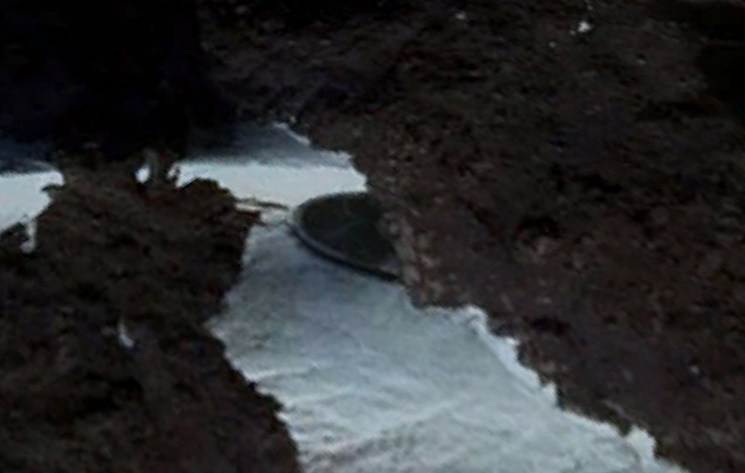
The Object on Google Earth.

This newest discovery comes from Antarctica, where monster hunters have found what looks like a perfect disc sitting on the ice. Could it be a UFO? The image is surprisingly compelling.

It’s very round for one, and it looks like it’s sitting on top of a glacier, partially covered by rock. The 60-foot-wide object looks remarkably like a classic flying saucer.

SPOILERS: It’s not a UFO.

Read More “No, there isn’t a UFO sitting in Antarctica.” »

Posts pagination

Previous 1 … 69 70 71 … 277 Next

Popular Posts

Getting a sense of porpoiseJanuary 20, 2009Andrew Thaler
This is the worst academic presentation in the world ... tributeApril 23, 2015Chris Parsons
That's not a blobfish: Deep Sea Social Media is Flooded by AI SlopThat's not a blobfish: Deep Sea Social Media is Flooded by AI SlopDecember 19, 2025Andrew Thaler
Have we found the city of Atlantis?Have we found the city of Atlantis?September 1, 2026Chris Parsons
What Ocean Ramsey does is not shark science or conservation: some brief thoughts on "the Shark Whisperer" documentaryWhat Ocean Ramsey does is not shark science or conservation: some brief thoughts on "the Shark Whisperer" documentaryJuly 2, 2025David Shiffman
The 45 most influential female ecologists alive today according to twitterThe 45 most influential female ecologists alive today according to twitterFebruary 10, 2014Guest Writer
Ethical Debate: Killing sharks for science?Ethical Debate: Killing sharks for science?June 1, 2010David Shiffman
What is a Sand Shark?What is a Sand Shark?November 12, 2017Chuck Bangley
Our favorite sea monsters – Ningen (#4)Our favorite sea monsters – Ningen (#4)September 7, 2010Andrew Thaler
No, harassing a shark for fun is not ethically equivalent to scientific research that helps conserve a speciesNo, harassing a shark for fun is not ethically equivalent to scientific research that helps conserve a speciesMarch 26, 2014David Shiffman

squishy

Subscribe to our RSS Feed for updates whenever new articles are published.

We recommend Feedly for RSS management. It's like Google Reader, except it still exists.

Southern Fried Science

  • Home
  • About SFS
  • Authors
  • Support SFS


If you enjoy Southern Fried Science, consider contributing to our Patreon campaign.

Copyright © 2026 Southern Fried Science.

Theme: Oceanly Premium by ScriptsTown