Skip to content

Southern Fried Science

Over 15 years of ocean science and conservation online

  • Home
  • About SFS
  • Authors
  • Support SFS

Recent Posts

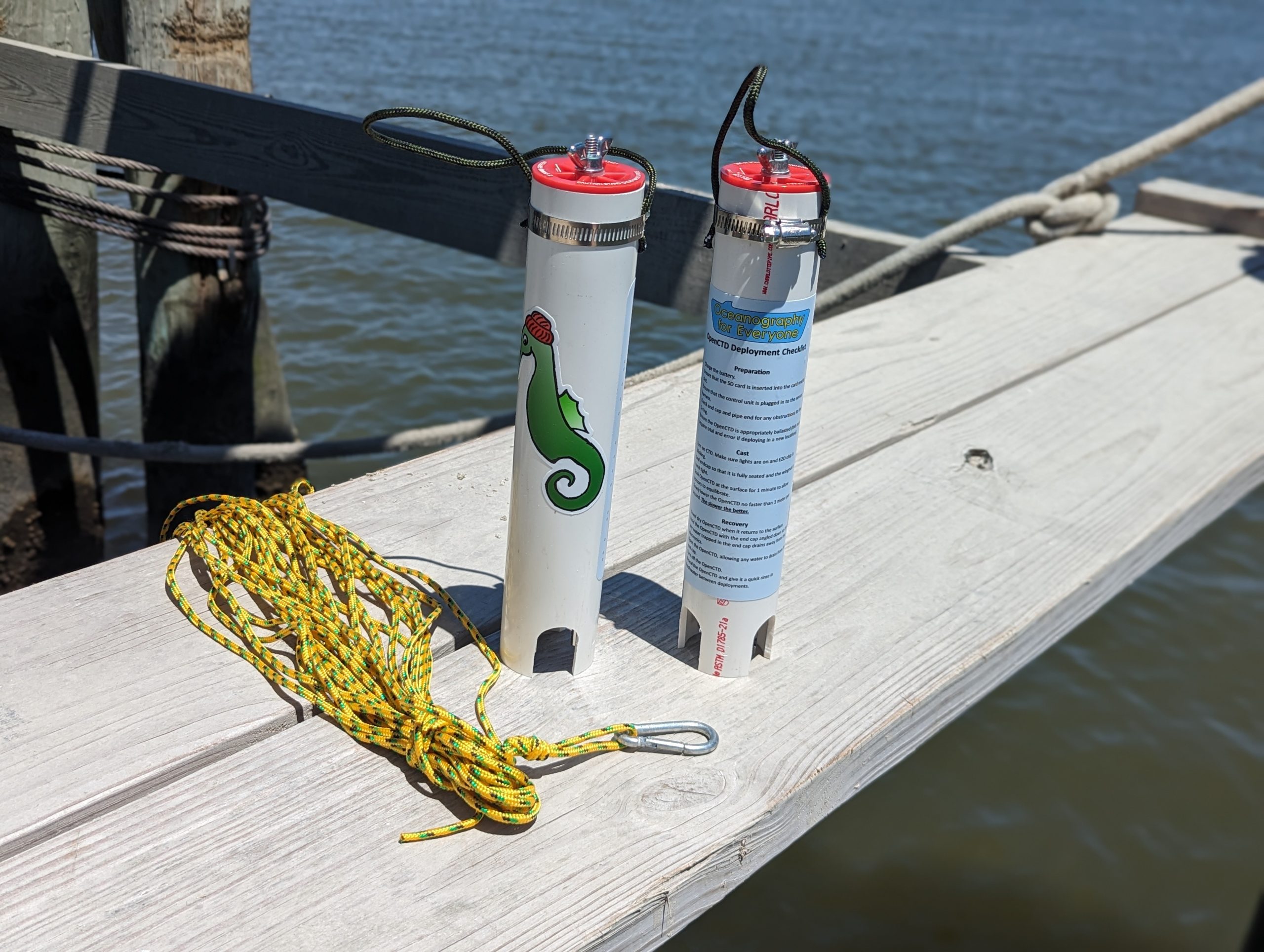
The next OpenCTD is here!
June 22, 2026
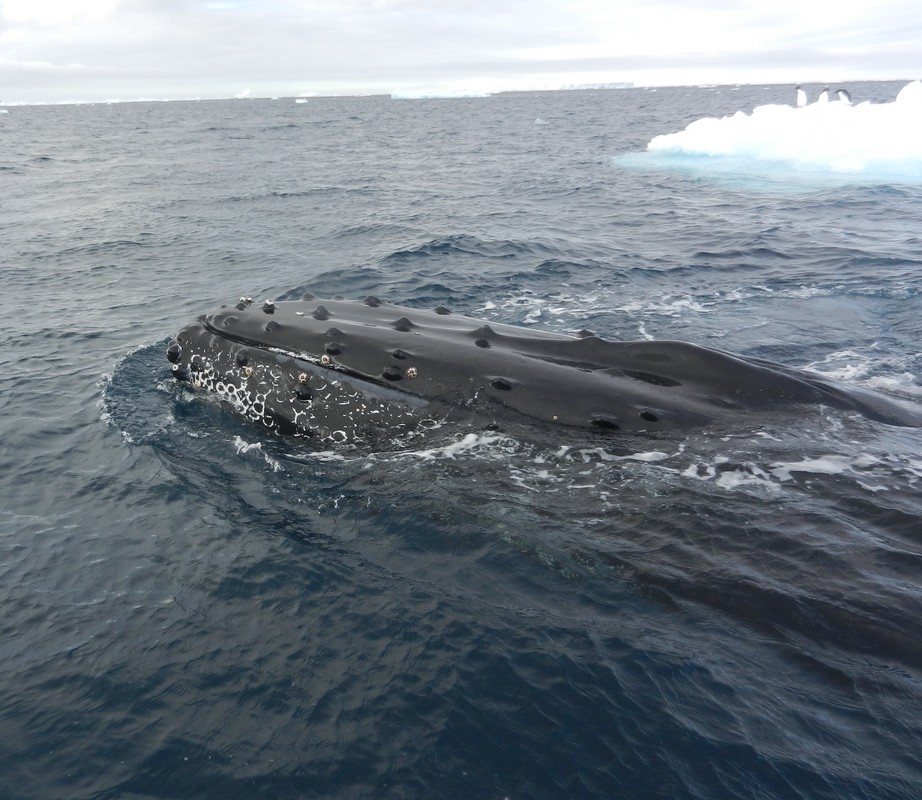
humpback whale in Antarctica
The evolution of the International Whaling Commission – from  whaling quotas to whale conservation
June 10, 2026
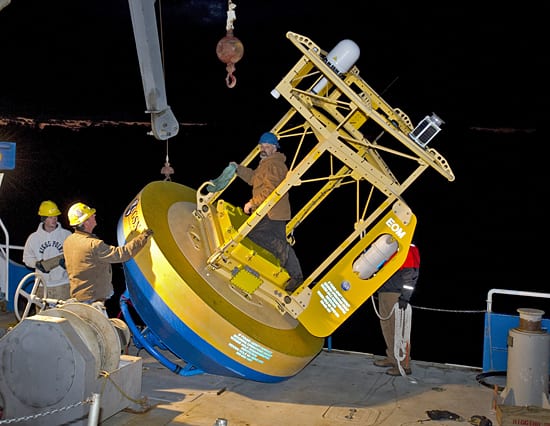
Isn’t ironic, don’t you think: dismantling the Ocean Observatories Initiative on World Oceans Day
June 9, 2026
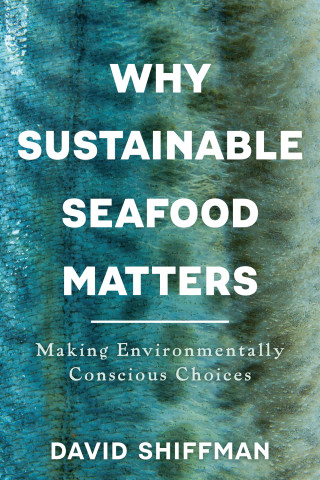
“Why Sustainable Seafood Matters” is now available for preorder! Here’s what it’s about, and why I decided to write it.
June 8, 2026
Here’s how to join my IMCC8 symposium, “Ocean Science Communication: What’s New and What’s Next?”
April 22, 2026
Deep Sea Mining Symposium Announcement
April 21, 2026

Building robots in Papua New Guinea: update from #ROV2PNG

Posted on October 24, 2014 By Andrew Thaler
Science

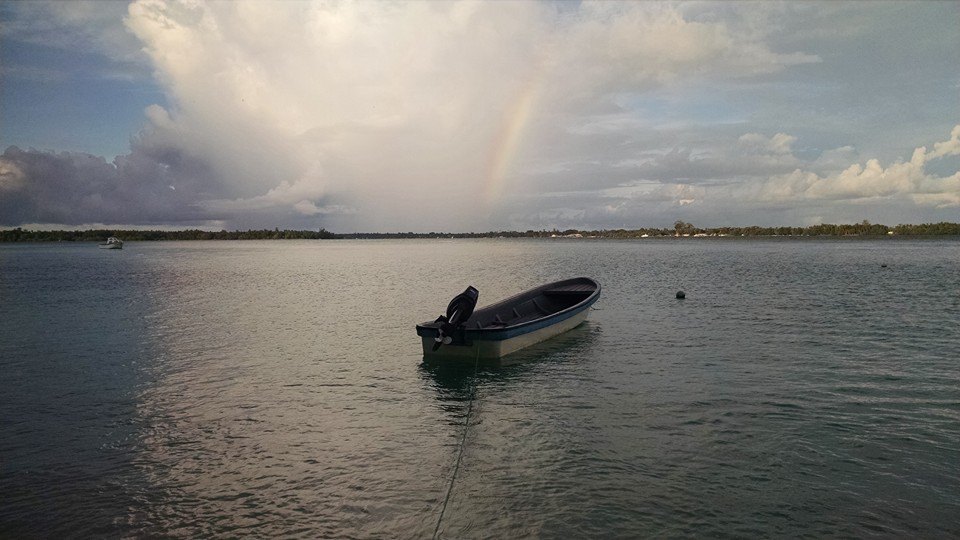
The view from our morning commute between Nusa and Nago.

Hello from the warm, sunny island of Nago, home of the National Fisheries College field station and staging ground for Marine Ecology via Remote Observation, part of the Marine Science Short Course. My team and I arrived in Port Morseby on Friday, where we met with Jamie on her way home and and caught up with my former student, now lecturer at UPNG, Freddie Alei, who joins us for the next week of class. Another day of travel brought us to the shores of Nusa Island. We had our first chance to meet the students on Sunday, during a walk around the local beach, followed by an afternoon flying Independent Lee, one of our demonstration robots, from the Fisheries’ jetty. It was a nice warm up for an intensive week of robotics and marine ecology.

There are two major components to the #ROV2PNG portion of the Marine Science Short Course. The first, and most visible, is the construction and operation of the OpenROV, an open-source underwater robot that is incredibly adaptable and expandable. Over the last three days, students have learned how to solder, weld acrylic, test electronics, use epoxy resins, and work together to assemble the chassis, endcaps, battery tubes, motors, and brain of the robot. Excitement is mounting as we approach the moment when we can power up the ROVs for the first time.

Read More “Building robots in Papua New Guinea: update from #ROV2PNG” »
Wailing about whaling – the 2014 International Whaling Commission meeting

Posted on October 17, 2014October 21, 2014 By Chris Parsons 1 Comment on Wailing about whaling – the 2014 International Whaling Commission meeting
Conservation

???????????????????????????????

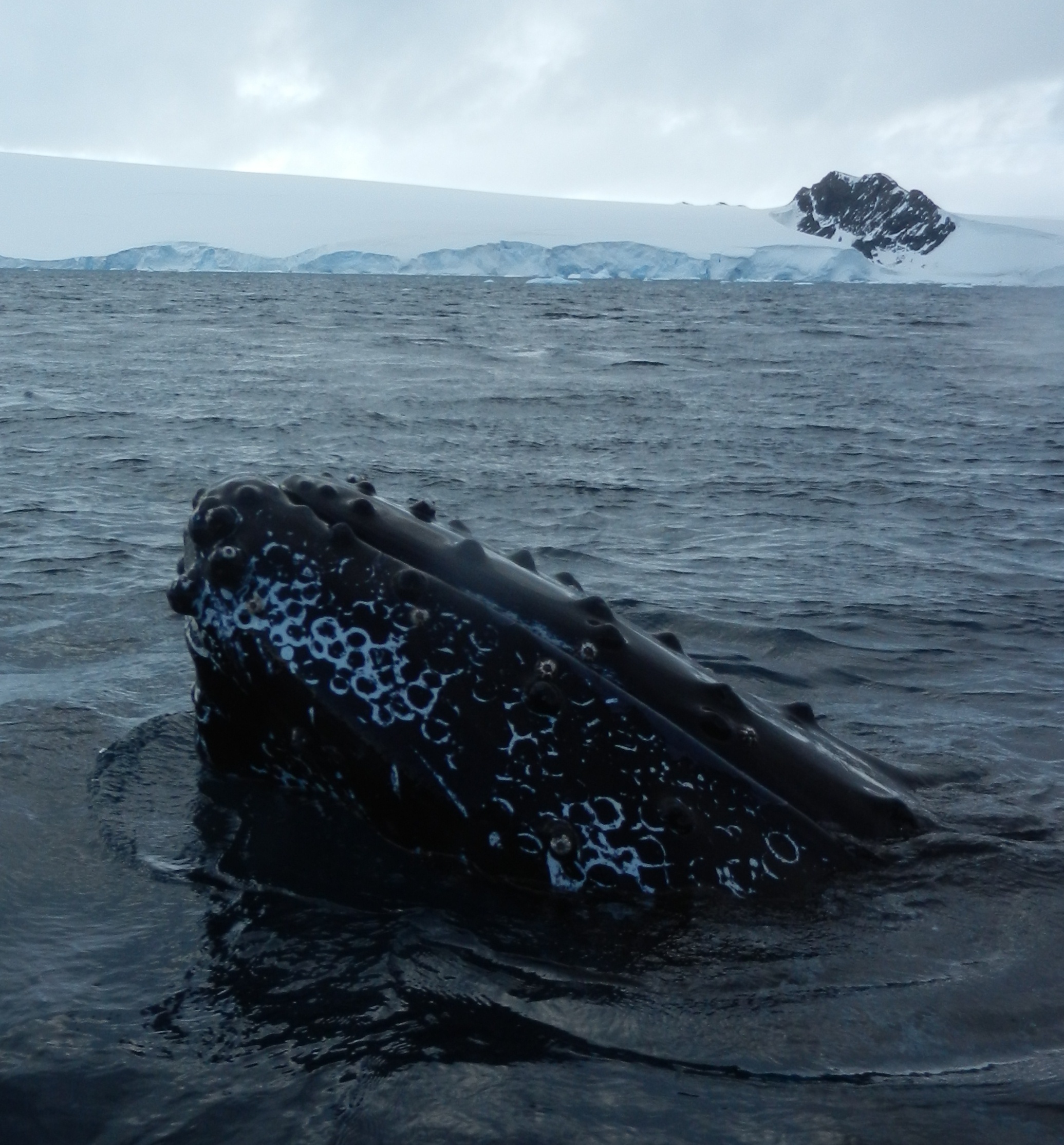
A humpback whale in Antarctica (photo credit: Chris Parsons)


Earlier this year the International Court of Justice (ICJ) ruled that Japan’s so-called “scientific whaling” in Antarctica (the JARPA II research program, to give its official title) was illegal. Article VIII of the International Convention on the Regulation of Whaling allows the lethal take of whales for scientific research purposes by “special permit.” The ICJ ruled, however, that the Japanese program was in violation of this provision, because JARPA II was not bona fide scientific research but was instead de facto commercial whaling.

The Japanese Government initially stated that it would abide by the ICJ’s decision and discontinue JARPA II, but then later announced it would conduct a new research program in the Antarctic (JARPA III?). This sudden turnabout was less based on science or market forces than politics, no doubt – sales of whale meat in Japan have been declining and there is currently a warehoused surplus. It may have also been influenced by NGOs (specifically Sea Shepherd) publicly claiming to have “defeated” the Japanese Government and forced them to end the Antarctic hunt (for the record, Sea Shepherd was not involved in the ICJ court case at all, and can claim no responsibility for the outcome). For the fiercely proud and nationalistic Japanese politicians, to have a small NGO – which they have labelled a “terrorist organization” – beat them would be politically untenable.

Read More “Wailing about whaling – the 2014 International Whaling Commission meeting” »

Save the National Ocean Sciences Bowl!

Posted on October 15, 2014October 20, 2014 By David Shiffman 2 Comments on Save the National Ocean Sciences Bowl!
Blogging

nosbThe National Ocean Sciences Bowl is a competition for high school students focused on marine biology, physics and chemistry . Through cooperation between researchers, teachers and community members, NOSB aims to educate students and their families about science and sustainable stewardship of ocean resources. Thousands of the smartest high school students in the United States from hundreds of schools participate each year. Thorough evaluations of the program’s results show that educators and parents who participate as coaches gain leadership and teaching skills,  students who compete further improve their knowledge of science, and everyone involved learns about why the ocean is important. By any measure, the National Ocean Sciences Bowl has been an unqualified success.

Unfortunately, as revealed in a Science News article this week, NOSB’s continued existence is threatened by budget cuts. Some of the regional bowls that provide contestants for the national competition have been cancelled, or are no longer held annually. Cuts are hitting those regional catering to geographic and demographic communities under-represented in the marine sciences particularly hard. “The NOSB is one of the ways we get students from rural Alaska involved in ocean science,” says Dr. Leslie Cornick, chair of the Environmental Sciences department at Alaska Pacific University. “It would be a real blow to the state for it to disappear.”

Many marine scientists credit NOSB with setting them on their current career path. “NOSB made me more passionate about chemistry, oceanography, and geology; whereas before I joined the team I believed biology would be the only science I could ever enjoy,” said Hannah Benton, a marine science major at the College of Charleston. “If we can’t provide these kinds of opportunities for students today then we risk losing future would-be scientists who haven’t yet realized their true passion.”

Read More “Save the National Ocean Sciences Bowl!” »

My research and I were the victims of a conservative media attack

Posted on October 14, 2014 By Guest Writer 15 Comments on My research and I were the victims of a conservative media attack
Science

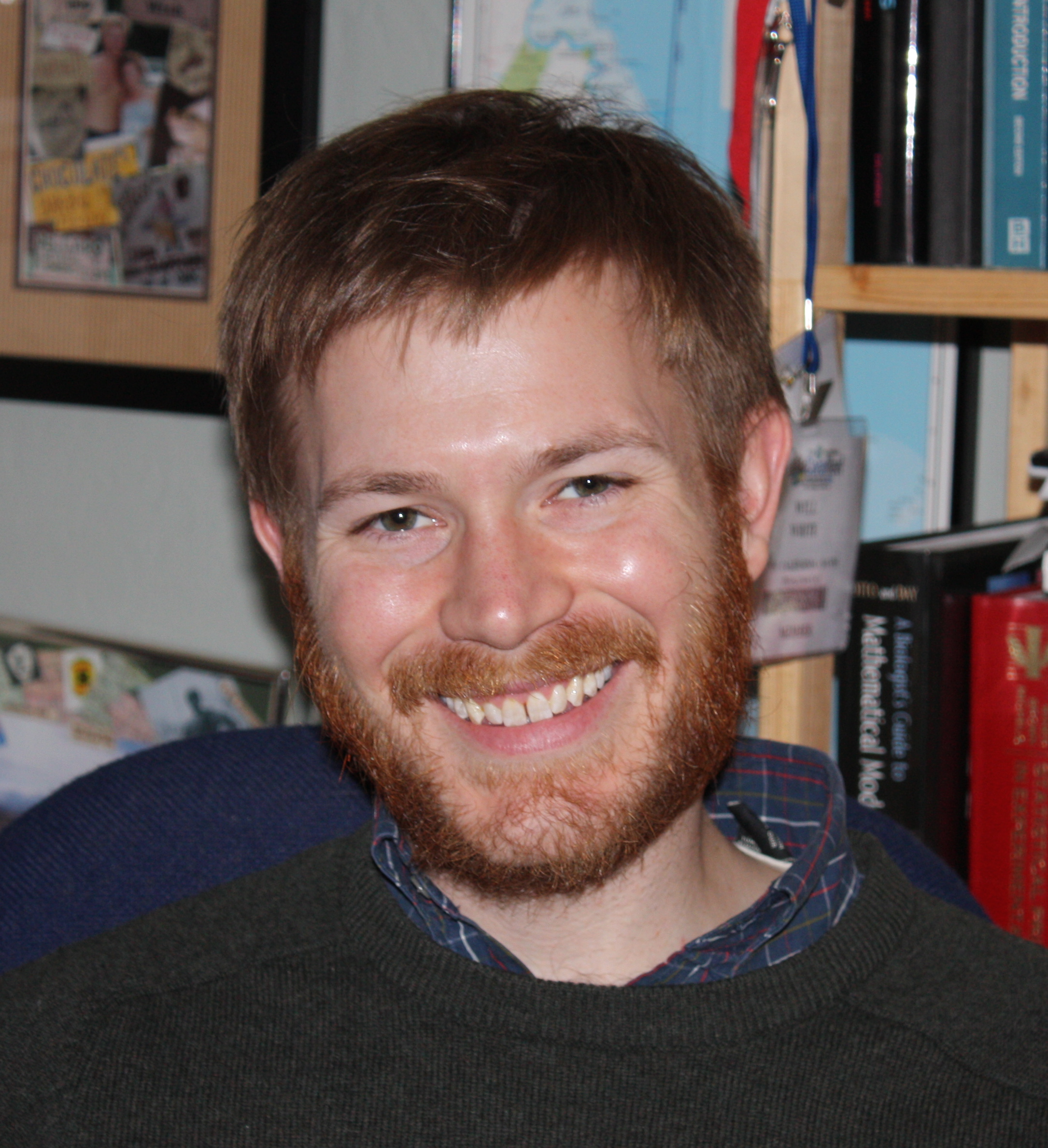
Will whiteDr. Will White is an assistant professor of marine biology at the University of North Carolina Wilmington.  He uses a combination of lab experiments, field studies, and mathematical models to study fish behavior and population dynamics, in particular how fish populations respond to protection in no-take marine reserves.

My adventure with the news media began on a Friday morning in early October, when I received an unexpected email from Melanie Hunter, a senior editor at CNSNews.com. The terse email mentioned my recent grant on sex-changing fishes, and asked why this was “an effective use of taxpayer funds.” She gave me a deadline of 4 pm that day. Now, usually it’s great when reporters want to cover scientific research, but generally once someone starts asking about “taxpayer funds” it’s because they don’t think those funds are being used wisely. What ended up happening with CNS News (“Federal Govt’ Spends $728K to Study Sex-changing Fish”) bore out my suspicions.

I should back up to explain that I do have a federal grant from the National Science Foundation (NSF) to study sex-changing fish. For anyone who has ever applied for an NSF grant, the idea that they are just handing out taxpayer dollars willy-nilly is pretty laughable: the grant selection process is notoriously grueling.  For the division of NSF that funds research in marine biology, only 5-10% of proposals are funded.  Proposals are reviewed by multiple anonymous peer referees, and then a panel comprised of multiple experts in the field convenes to evaluate the proposals based on the peer reviews and identify the best ones for funding.  In fact this was my first successful NSF grant after about five previous proposals were declined.

Read More “My research and I were the victims of a conservative media attack” »

Mr Darcy’s Guide to Conference Etiquette – Part 2

Posted on October 1, 2014October 8, 2014 By Chris Parsons 1 Comment on Mr Darcy’s Guide to Conference Etiquette – Part 2
Uncategorized

(click to see part 1)

It is indeed most vexing when an uninvited guest appears on one’s doorstep unexpectedly. So why is turning up at a conference without registering considered to be acceptable? When invited to dinner, one is expected to RSVP so that the host knows to expect one, and it is common courtesy to do the same for a conference – by registering early the organizers can plan in advance for catering, for transportation, for room sizes – a whole host of activities where knowing numbers in advance is helpful. If one does not register until the last moment, one cannot complain if rooms for presentations are fully scheduled with no space for additions, or they run out of biscuits at the coffee break. Late registrations are also more expensive, so unless one’s attendance at the meeting was literally a last moment decision, one has just wasted one’s own money purely because one was not organized.

Even worse is the person who “gatecrashes” a conference. Many meetings are organized by professional societies and/ or charities. Yet I have observed with mine own eyes people who exploit the open nature of conferences and attend sessions, parties and other activities without having paid, even to the extent of eating and drinking fare that others have paid for. Such people are the worst of scoundrels and are in effect stealing large amounts of money from said charities. Conferences are expensive to run and someone has to pay for the food that freeloading cad is eating. That is money that could have been spent, for example, on grants for participants who are students or from developing countries, but that now has to be spent paying for the shortfall caused by stowaway delegates.

Read More “Mr Darcy’s Guide to Conference Etiquette – Part 2” »

Forest Service Wants Commercial Photography Out of its Wilderness

Posted on September 26, 2014September 26, 2014 By Bluegrass Blue Crab
Conservation

Ansel Adams helped create what we now call American wilderness through his skillful photography – both his photographs and the places he used them to protect are national treasures. Recently, many of us were reminded of our country’s wilderness legacy through celebrations of the 50th anniversary of the Wilderness Act. For a quick reminder, the Act designated some of our federally-held lands as wilderness:

For this purpose there is hereby established a National Wilderness Preservation System to be composed of federally owned areas designated by Congress as “wilderness areas”, and these shall be administered for the use and enjoyment of the American people in such manner as will leave them unimpaired for future use as wilderness, and so as to provide for the protection of these areas, the preservation of their wilderness character, and for the gathering and dissemination of information regarding their use and enjoyment as wilderness.

Ansel Adams: The Tetons and the Snake River

Yet, along with this celebrated history, these recent discussions have also provoked a number of managers to utilize this strong piece of legislation to their political advantage – and dare I say, without keeping in the spirit of the law.

Read More “Forest Service Wants Commercial Photography Out of its Wilderness” »

No you’re not paranoid – there is a bias against publishing marine conservation papers

Posted on September 24, 2014September 27, 2014 By Chris Parsons 4 Comments on No you’re not paranoid – there is a bias against publishing marine conservation papers
Science

How many times have you submitted a marine conservation paper to a journal only to have it rejected because it is “too marine”, of “too narrow a focus” or “of limited interest to our readers”?  Despite the oceans making up 71% of Earth’s surface and 99% of the know biosphere, it sometimes seems that there’s a bias against marine articles in some of the leading ecology and conservation journals. Well you’d be right.

Kochin and Levin (2003, 2004) noted that marine conservation got short thrift in conservation journals. For example, on average marine papers comprise less than 11% of leading conservation biology journal papers, whereas 61% were terrestrial (Kochin and Levin, 2004). Marine content ranged from less than 3% in Conservation Ecology to 40% in Aquatic Conservation – even though oceans and sea ice make up 97% of the water on the planet, freshwater ecosystems still dominated the aquatic conservation literature even then.

Read More “No you’re not paranoid – there is a bias against publishing marine conservation papers” »

Watch the Sharks International 2014 Keynote Presentations!

Posted on September 23, 2014 By David Shiffman 2 Comments on Watch the Sharks International 2014 Keynote Presentations!
Science

logoIn June of 2014, almost 400 of the world’s top shark researchers gathered in Durban, South Africa for the 2nd Sharks International conference.  The four keynote presentations have just been put online.

Beyond Jaws: Rediscovering the “lost sharks” of South Africa

Dave Ebert, Moss Landing Marine Laboratory

daveBiography:Dave Ebert earned his Masters Degree at Moss Landing Marine Labs and his Ph.D. at Rhodes University, Grahamstown, South Africa.  He is currently the Program Director for the Pacific Shark Research Center, a research faculty member at Moss Landing Marine Laboratories, and an honorary research associate for the South African Institute for Aquatic Biodiversity and the California Academy of Sciences Department of Ichthyology.  He has been researching chondrichthyans around the world for nearly three decades, focusing his research on the biology, ecology and systematics of this enigmatic fish group.  He has authored 13 books, including a popular field guide to the sharks of the world and most recently he revised the Food and Agriculture Organization’s Catalogue of Sharks of the World.  He has published over 300 scientific papers and book chapters, and contributed approximately 100 IUCN Shark Specialist Group Red List species assessments.  Dave is regional co-Chair of the IUCN Northeast Pacific Regional Shark Specialist Group, Vice Chair for taxonomy, and a member of the American Elasmobranch Society and Oceania Chondrichthyan Society.  He has supervised more than 30 graduate students, and enjoys mentoring and helping develop aspiring marine biologists.


Read More “Watch the Sharks International 2014 Keynote Presentations!” »

The next era of ocean exploration begins in Papua New Guinea

Posted on September 22, 2014September 22, 2014 By Andrew Thaler
Blogging, Science

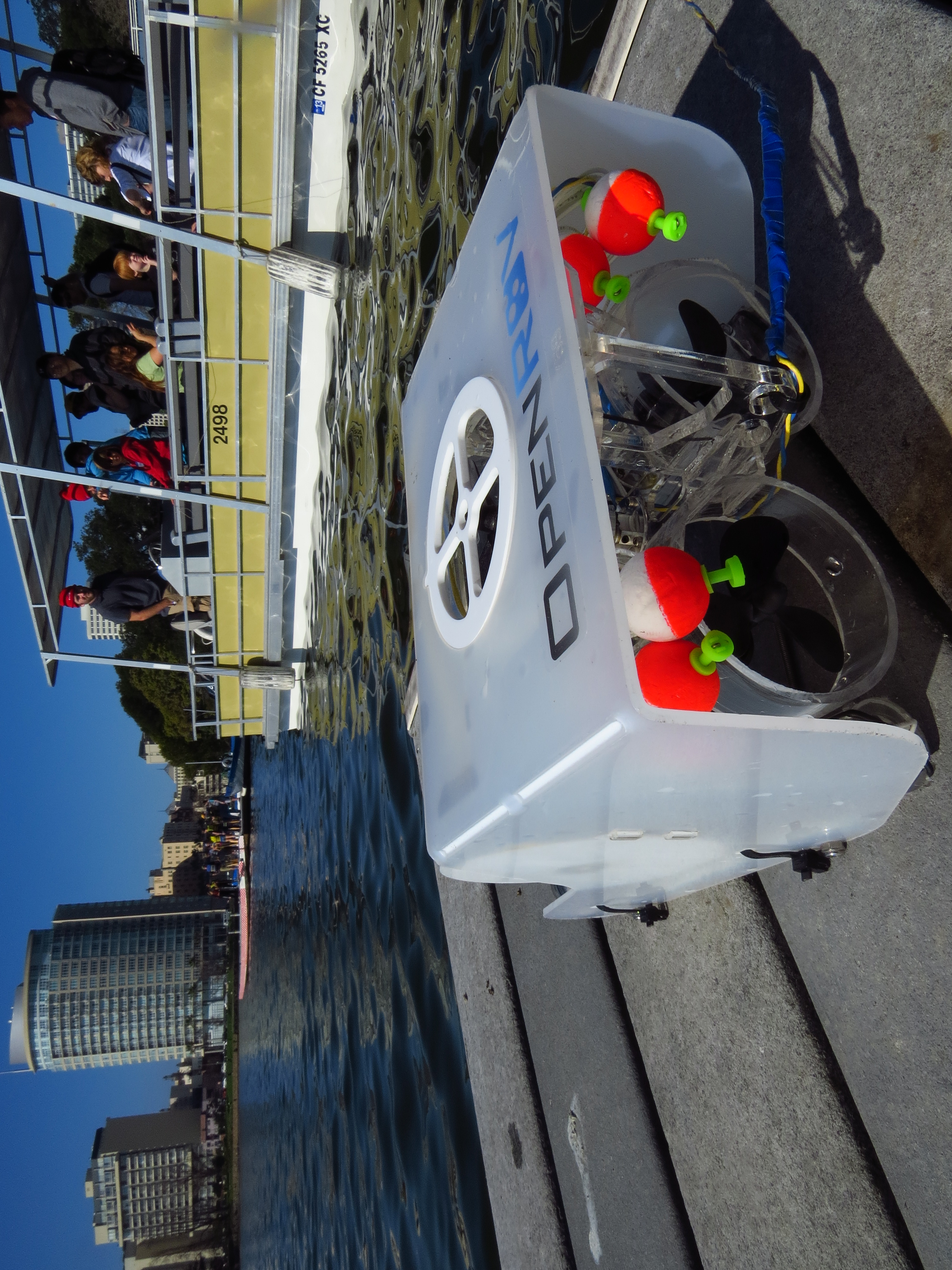
An OpenROV at Lake Merrit.
An OpenROV at Lake Merritt. Photo by author.

In 1946, Jacques Yves Cousteau and Émile Gagnan released the Aqualung, forever changing the way humans interact with the oceans. No longer tethered to the surface, entombed in thick, restrictive helmets, we could dive deeper, stay down longer, and explore the dark places snorkelers and free divers feared to fin. The Aqualung opened up the ocean to an entirely new cohort. Ocean exploration, once the domain of well-resourced scientists, career explorers, and the wealthy elite, was now within the reach of the global middle class.

Buoyed by the Aqualung, Marine Science exploded. Marine life could be studied alive and in situ. Behavior could be observed rather than inferred from the stressed and shredded samples of a trawl. The ranks of marine biologists, oceanographers, and explores swelled to numbers that began to gradually approach the relative significance of the ocean to the living world.

We’re just getting started.

Marine science is on the brink of the greatest sea change since JYC and Gagnan introduced the Aqualung to the world.

Read More “The next era of ocean exploration begins in Papua New Guinea” »

So what might Scottish independence mean for marine conservation ?

Posted on September 17, 2014September 17, 2014 By Chris Parsons 3 Comments on So what might Scottish independence mean for marine conservation ?
Conservation

Tina's otter 2

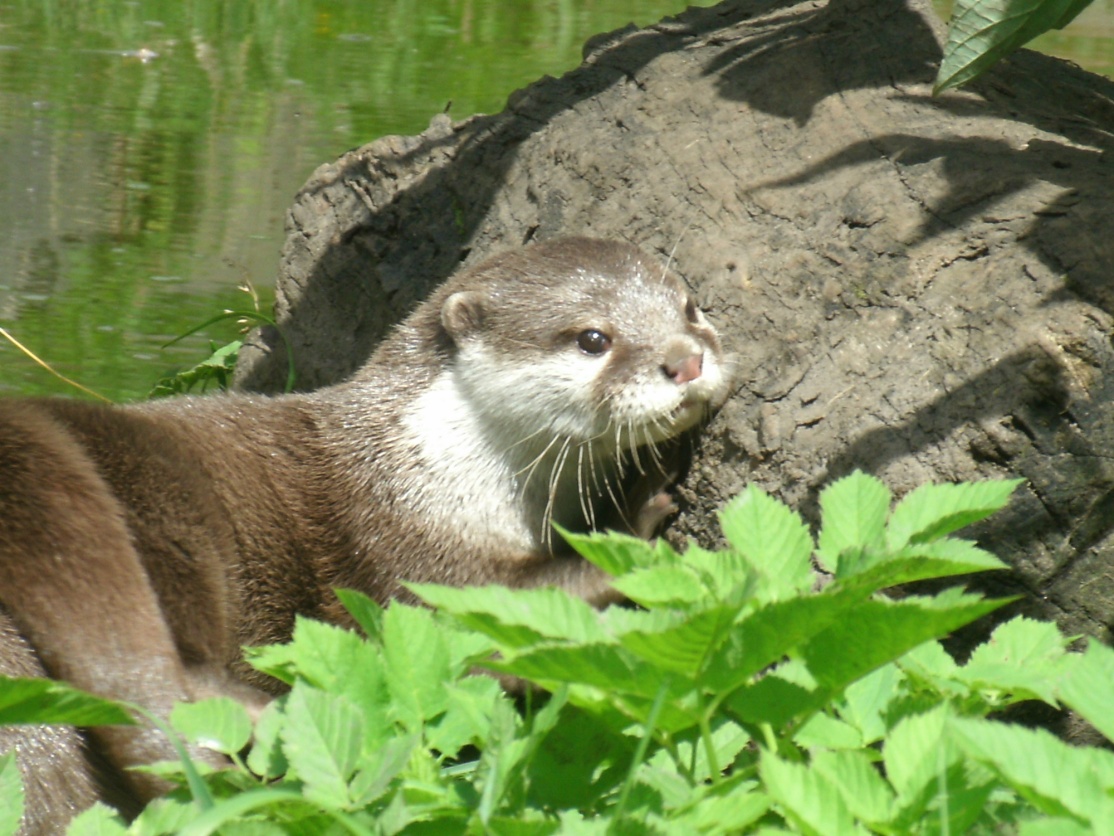
A Scottish otter (which lives in the marine environment)

As the referendum for Scotland leaving the United Kingdom (which besides Scotland current includes Northern Ireland and Wales in addition to England, although you would be forgiven from all the media coverage to think that it only included the former and latter) approaches, I’ve been asked what would independence for Scotland mean for marine conservation? Well in some ways, not a lot. Nature Conservation in Scotland is largely a devolved issue anyway, dealt with by Scottish Natural Heritage, and numerous laws related to the marine environment have been passed by the Scottish parliament over the past decade or so.

Marine issues have had a slightly higher political profile in Scotland compared to south of the border, probably because of the large fishing industry, extensive marine natural resources and a large large marine tourism industry. From public surveys, it appears that the Scottish public actually has a reasonably good knowledge about the marine environment and many species within, and is greatly concerned about its conservation (1). With greater budgetary freedom, it’s possible that a fully independent Scottish government may allocate more financial resources to oceans.

Read More “So what might Scottish independence mean for marine conservation ?” »

Posts pagination

Previous 1 … 101 102 103 … 273 Next

Popular Posts

Ageism in the conservation job marketAgeism in the conservation job marketJune 19, 2026Chris Parsons
What Ocean Ramsey does is not shark science or conservation: some brief thoughts on "the Shark Whisperer" documentaryWhat Ocean Ramsey does is not shark science or conservation: some brief thoughts on "the Shark Whisperer" documentaryJuly 2, 2025David Shiffman
Screaming into the void - Why your scientific paper doesn’t matterScreaming into the void - Why your scientific paper doesn’t matterJune 18, 2026Chris Parsons
The next OpenCTD is here!The next OpenCTD is here!June 22, 2026Andrew Thaler
What is a Sand Shark?What is a Sand Shark?November 12, 2017Chuck Bangley
Undermining the Law of the Sea. Some additional thoughts following my OpEd in the Hill.Undermining the Law of the Sea. Some additional thoughts following my OpEd in the Hill.June 22, 2026Andrew Thaler
The story of the pride flag made from NASA imagery: Bluesky's most-liked imageThe story of the pride flag made from NASA imagery: Bluesky's most-liked imageSeptember 27, 2024David Shiffman
That's not a blobfish: Deep Sea Social Media is Flooded by AI SlopThat's not a blobfish: Deep Sea Social Media is Flooded by AI SlopDecember 19, 2025Andrew Thaler
Our favorite sea monsters – Ningen (#4)Our favorite sea monsters – Ningen (#4)September 7, 2010Andrew Thaler
Did monster hunters find a 120 meter long giant squid on google maps?Did monster hunters find a 120 meter long giant squid on google maps?June 17, 2016Andrew Thaler

squishy

Subscribe to our RSS Feed for updates whenever new articles are published.

We recommend Feedly for RSS management. It's like Google Reader, except it still exists.

Southern Fried Science

  • Home
  • About SFS
  • Authors
  • Support SFS


If you enjoy Southern Fried Science, consider contributing to our Patreon campaign.

Copyright © 2026 Southern Fried Science.

Theme: Oceanly Premium by ScriptsTown