Skip to content

Southern Fried Science

Over 15 years of ocean science and conservation online

  • Home
  • About SFS
  • Authors
  • Support SFS

Recent Posts

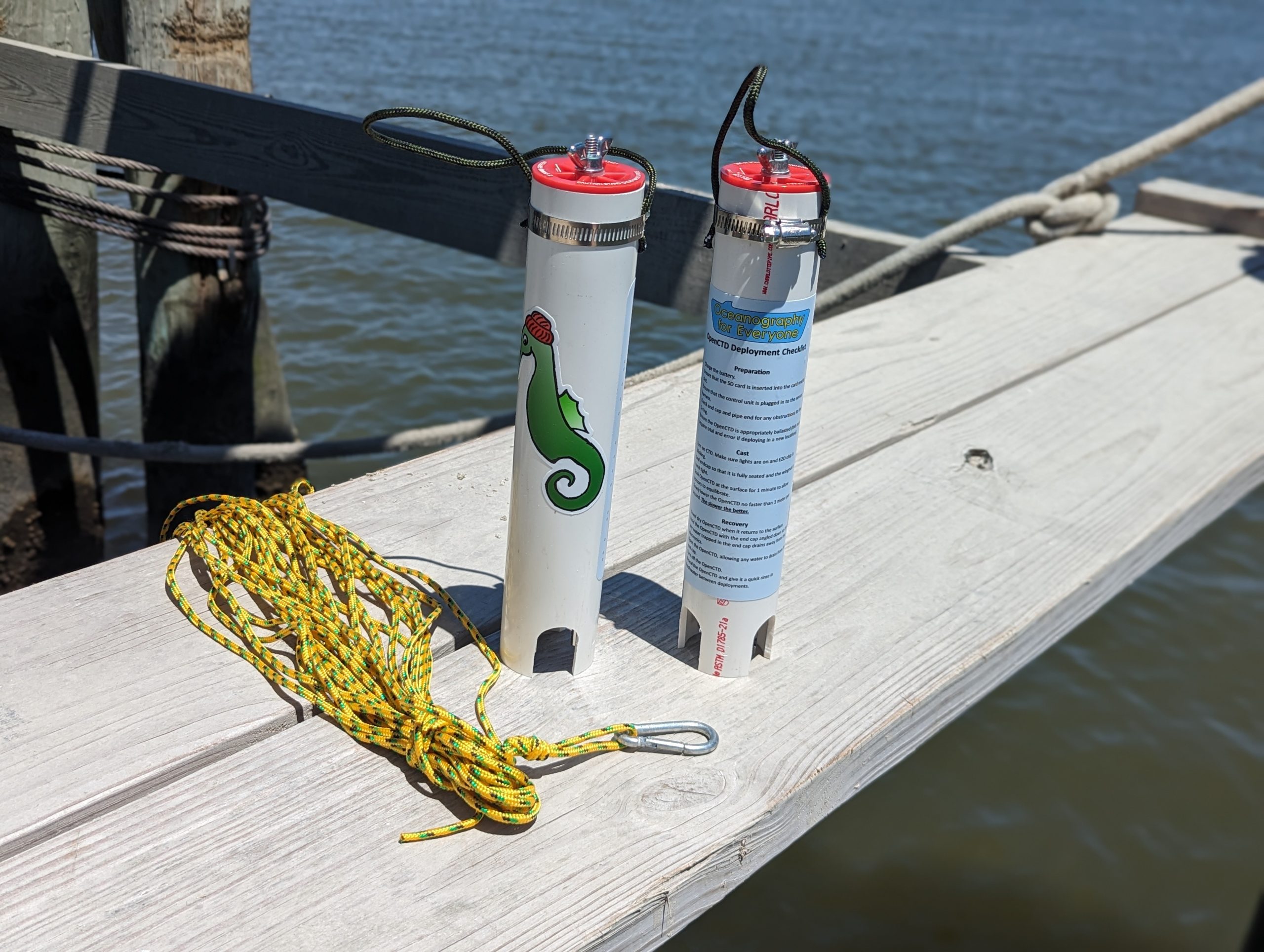
The next OpenCTD is here!
June 22, 2026
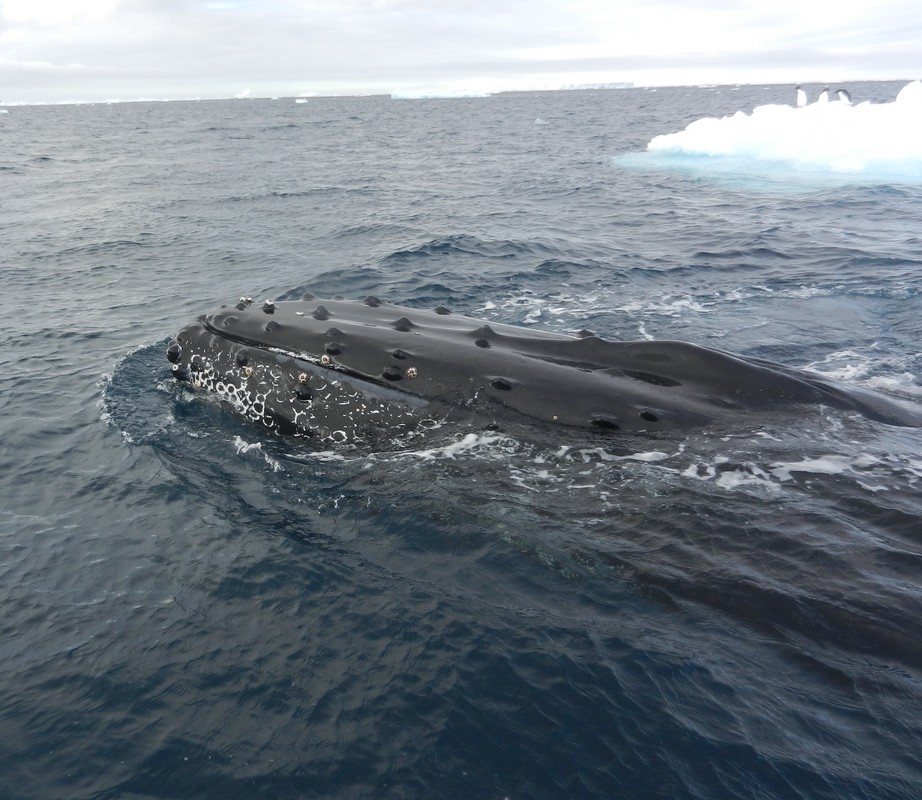
humpback whale in Antarctica
The evolution of the International Whaling Commission – from  whaling quotas to whale conservation
June 10, 2026
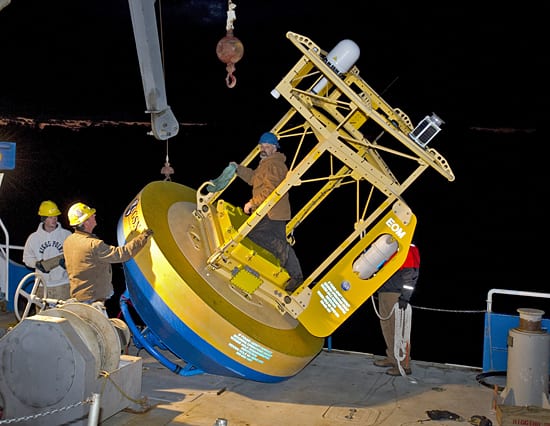
Isn’t ironic, don’t you think: dismantling the Ocean Observatories Initiative on World Oceans Day
June 9, 2026
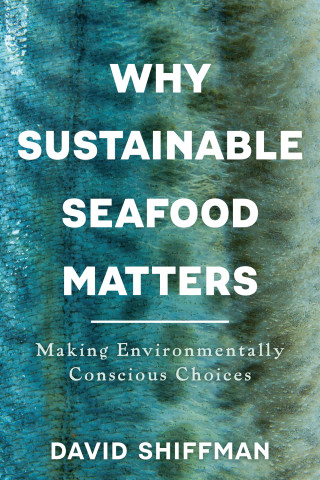
“Why Sustainable Seafood Matters” is now available for preorder! Here’s what it’s about, and why I decided to write it.
June 8, 2026
Here’s how to join my IMCC8 symposium, “Ocean Science Communication: What’s New and What’s Next?”
April 22, 2026
Deep Sea Mining Symposium Announcement
April 21, 2026

Help track fire restoration with this innovative Citizen Science project!

Posted on March 24, 2014March 24, 2014 By Andrew Thaler 1 Comment on Help track fire restoration with this innovative Citizen Science project!
Conservation, Science

Last year, over 3,000 acres of Mount Diablo State Park were scorched by the Morgan Wildfire. The fire, likely started by target shooters, caused 75 homes to be evacuated and left the park closed to visitors for weeks. The park is now open and the massive fire scar is beginning to heal.

Nerds for Nature, URS, and the Mount Diablo Park service have teamed up to promote wildfire education and harness the enthusiasm of the park’s visitors to monitor fire recovery. Throughout the park, a series of signs will inform hikers about the Morgan Fire and direct them to a fixed bracket where they can line of their smart phone, take a picture, and tweet it to the MorganFire hashtags (#morganfire01, #morganfire02, #morganfire03, #morganfire04, depending on location). As the area recovers, those picture will be pooled to create a long-term documentation of change.

This is an incredibly innovative use of citizen scientist and I’d love to see more recovery projects adopt this model. The next time your hiking in Mount Diablo, keep an eye for the Fire Brackets. Amy and I were out there this weekend, contributing to wildfire recovery monitoring.

Read More “Help track fire restoration with this innovative Citizen Science project!” »
Today in Sacramento, I’m talking about #DrownYourTown

Posted on March 18, 2014 By Andrew Thaler
#DrownYourTown

Come by and check it out!  

The science of shark control (and what it means for the Western Australia cull)

Posted on March 17, 2014 By Guest Writer
Blogging, Conservation, Science

OLYMPUS DIGITAL CAMERAProf Colin Simpfendorfer is the Director of the Centre for Sustainable Tropical Fisheries and Aquaculture at James Cook University. He has more than 25 years of experience in researching sharks, and has published extensively in the scientific literature on shark biology, ecology, fisheries and conservation. He is a graduate of James Cook University where he undertook both his undergraduate and postgraduate training. After completing his PhD he worked on shark fisheries at the Western Australian Fisheries Department before moving to Florida to work at the Center for Shark Research at Mote Marine Laboratory. He returned to JCU in 2007 to lead the Fishing and Fisheries Research Unit, where he has helped build a research group focused on improving our understanding of sharks and how best to conserve and manage their populations.

Call it a shark cull, shark control or bather protection, for decades governments have been trying to reduce the risk of humans being killed by sharks – by killing sharks. New South Wales, Queensland, KwaZulu-Natal (South Africa), Hawaii, Dunedin (New Zealand), Hong Kong, Somalia (during the US military intervention) and now Western Australia have, or had, shark control programs to reduce the risk of human-shark interactions.

Western Australia’s new program has sparked huge controversy, with many calling for the government to stop and pursue alternatives.There have been a range of claims that there is no science to support shark control. Many of these have been based on the effects of removing large predatory sharks on ocean ecosystems or that there is no evidence that shark culls reduce the risk of attack.Both of these are valid scientific considerations and need to be taken into account. However, neither addresses whether there is some scientific basis to shark control programs.

So here I would like consider whether there is a scientific basis to shark control programs. To do this I’ll look first at the theory, and then if there is evidence to support it based on analysis of data from the programs in KwaZulu-Natal and Queensland.

Read More “The science of shark control (and what it means for the Western Australia cull)” »

A field guide to ocean science and conservation on Twitter, volume 2

Posted on March 14, 2014 By Andrew Thaler
Conservation, Science

Almost 2 years ago, we published our first field guide to ocean science and conservation on twitter. While the advice is still sound (and you should definitely read it), the recommended people to follow is now painfully dated. Here’s two updated lists of core people to follow on twitter to get yourself plugged in to the ocean science and conservation community.

New to the online ocean community? This list will help you get connected to the conversation by following key members of the community. Rather than a comprehensive collection of all ocean science and conservation broadcasters, this short list will help you follow along without becoming overwhelmed.

Read More “A field guide to ocean science and conservation on Twitter, volume 2” »

Fun Science Friday – “Trolls Just Wanna Have Fun”

Posted on March 14, 2014 By Kersey Sturdivant
Blogging

I have to admit, I love this title, but cannot claim it as my own. It is the title of the research paper that forms the basis for today’s FSF, internet trolling.

They see me Trollin. Photo Credit: NineFiveZero
They see me Trollin.
Photo Credit: NineFiveZero

Anyone who has ever spent remotely anytime reading the comments section of pretty much anywhere on the internet has likely observed a Troll (why some of you reading may even have engaged in Troll-like behavior). While these Trolls do not physically hide under bridges and/or steal sheep, their actions parallel many of the annoyances of their fairy tale  counterparts.  As defined by wikipedia, an Internet Troll “is a person who sows discord on the Internet… with the deliberate intent of provoking readers into an emotional response or of otherwise disrupting normal on-topic discussion.”

Read More “Fun Science Friday – “Trolls Just Wanna Have Fun”” »

Southern Fried Science Has A NEW Header Image

Posted on March 14, 2014 By Kersey Sturdivant
Blogging

At least for a month. Roughly every month your beloved Southern Fried Science rotates the main header image for its site. The idea behind this format, is that it freshens up the site’s homepage, but also gives our readers the opportunity to have their pictures featured on the site. This month’s header image was provided … Read More “Southern Fried Science Has A NEW Header Image” »

10 times more fish in the sea? Context matters.

Posted on March 11, 2014March 12, 2014 By Andrew Thaler 3 Comments on 10 times more fish in the sea? Context matters.
Science

Earlier this year, a research team from Spain released a surprising new estimate of mesopelagic fish biomass that is 10 times greater than previous estimates. This new study raises the total estimated biomass of mesopelagic fish from 1 billion tons to 10 billion tons, accounting for 95% of all fish biomass. The news media ran with dozens of variations on the “plenty of fish in the sea” trope, suggesting that the global fisheries may be more abundant and reversing the doom-and-gloom message of fisheries decline.

This is not correct.

The fish in question are small, mid-water species like myctophids and cyclothones, fish that are incredibly important for ocean ecosystems, but commercially non-viable. The reason they were missed in previous studies is that these small, agile fish avoid nets; This new study uses SONAR and other acoustic tools to measure biomass.  So while there is a huge, untapped fish stock in the mid-water world, it is not a commercial fishery.

Let’s put things in perspective.

Read More “10 times more fish in the sea? Context matters.” »

2 opportunities to hone your online science outreach skills

Posted on March 11, 2014 By Andrew Thaler
Blogging, Conservation

Looking for classes on science, social media, and online environmental writing? We’ve got two classes coming up for undergraduate, graduate, and professionals students looking to hone their online outreach skills. Social Media For Environmental Communications: taught this year by me and Dr. Amy Freitag, this course will be taught over 6 weeks this spring as … Read More “2 opportunities to hone your online science outreach skills” »

5 things we discussed in my #scio14 “social media as a scientific research tool” session

Posted on March 10, 2014 By David Shiffman 1 Comment on 5 things we discussed in my #scio14 “social media as a scientific research tool” session
Blogging

At ScienceOnline Together 2014, I moderated a session titled “social media as a scientific research tool” (background information here). We had a great discussion, and I wanted to thank everyone who came or participated virtually. For the benefit of those who couldn’t make it, I wanted to summarize our discussion. 1) Social media and “big … Read More “5 things we discussed in my #scio14 “social media as a scientific research tool” session” »

Thanks for your support of my SciFund crowdfunded shark research!

Posted on March 8, 2014 By David Shiffman
Blogging

The SciFund Challenge came to a close last night. In total, more than 15 projects, including mine, were fully funded! More than $45,000 was raised for scientific research! My minimum funding goal for this project was $3,000, an amount which would have allowed me to use stable isotope analysis to study the feeding ecology of … Read More “Thanks for your support of my SciFund crowdfunded shark research!” »

Posts pagination

Previous 1 … 110 111 112 … 273 Next

Popular Posts

That's not a blobfish: Deep Sea Social Media is Flooded by AI SlopThat's not a blobfish: Deep Sea Social Media is Flooded by AI SlopDecember 19, 2025Andrew Thaler
What Ocean Ramsey does is not shark science or conservation: some brief thoughts on "the Shark Whisperer" documentaryWhat Ocean Ramsey does is not shark science or conservation: some brief thoughts on "the Shark Whisperer" documentaryJuly 2, 2025David Shiffman
Screaming into the void - Why your scientific paper doesn’t matterScreaming into the void - Why your scientific paper doesn’t matterJune 18, 2026Chris Parsons
Ageism in the conservation job marketAgeism in the conservation job marketJune 19, 2026Chris Parsons
I can serve on your graduate thesis committee. Here’s what you can expect of me, and what I expect in return.I can serve on your graduate thesis committee. Here’s what you can expect of me, and what I expect in return.October 16, 2025David Shiffman
The story of the pride flag made from NASA imagery: Bluesky's most-liked imageThe story of the pride flag made from NASA imagery: Bluesky's most-liked imageSeptember 27, 2024David Shiffman
What is a Sand Shark?What is a Sand Shark?November 12, 2017Chuck Bangley
Shark of Darkness: Wrath of Submarine is a fake documentaryShark of Darkness: Wrath of Submarine is a fake documentaryAugust 10, 2014Michelle Jewell
Our favorite sea monsters – Ningen (#4)Our favorite sea monsters – Ningen (#4)September 7, 2010Andrew Thaler
The plague-busting, prairie-dog-vaccinating, ferret-saving droneThe plague-busting, prairie-dog-vaccinating, ferret-saving droneNovember 1, 2016Andrew Thaler

squishy

Subscribe to our RSS Feed for updates whenever new articles are published.

We recommend Feedly for RSS management. It's like Google Reader, except it still exists.

Southern Fried Science

  • Home
  • About SFS
  • Authors
  • Support SFS


If you enjoy Southern Fried Science, consider contributing to our Patreon campaign.

Copyright © 2026 Southern Fried Science.

Theme: Oceanly Premium by ScriptsTown