Skip to content

Southern Fried Science

Over 15 years of ocean science and conservation online

  • Home
  • About SFS
  • Authors
  • Support SFS

Recent Posts

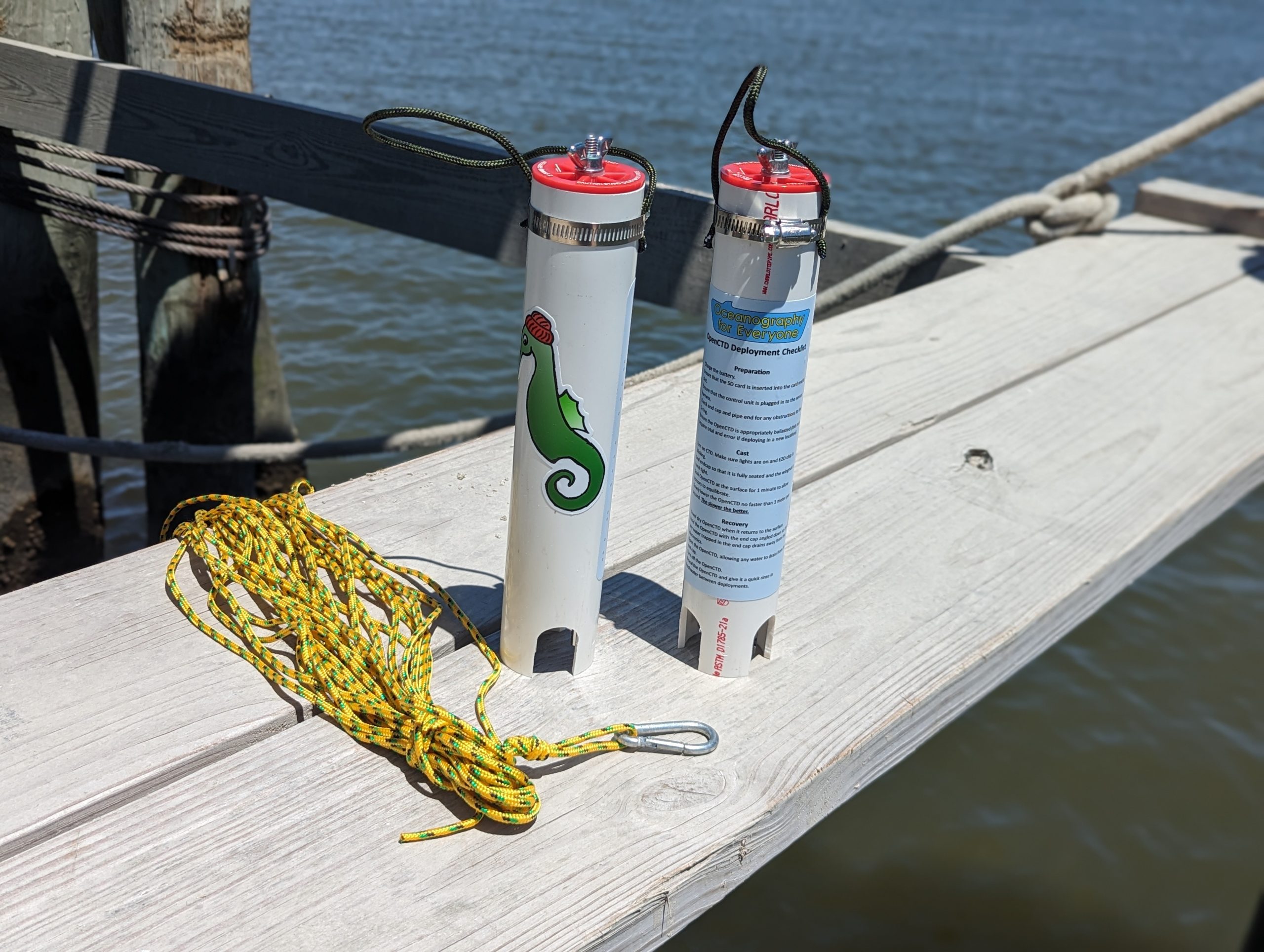
The next OpenCTD is here!
June 22, 2026
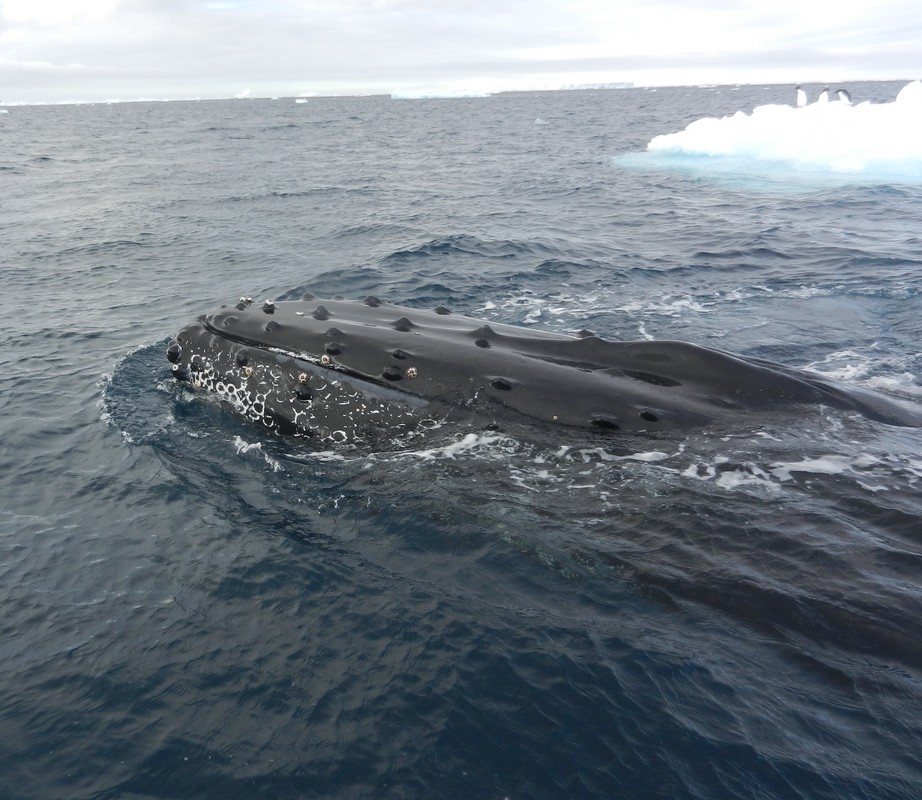
humpback whale in Antarctica
The evolution of the International Whaling Commission – from  whaling quotas to whale conservation
June 10, 2026
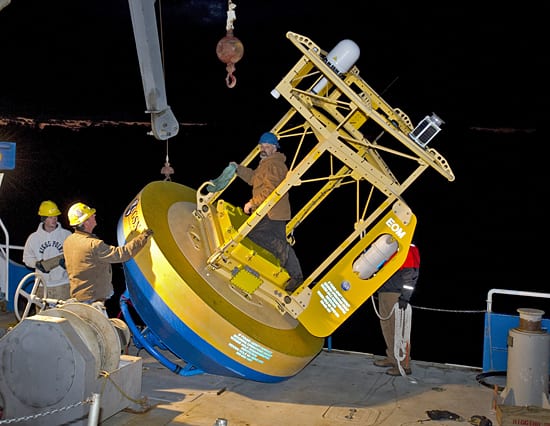
Isn’t ironic, don’t you think: dismantling the Ocean Observatories Initiative on World Oceans Day
June 9, 2026
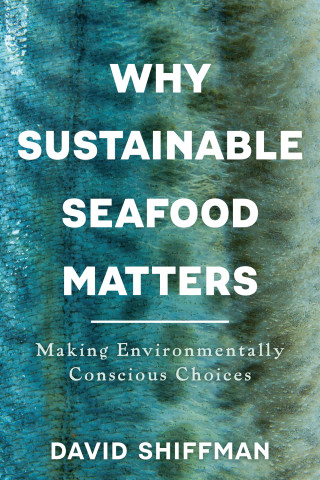
“Why Sustainable Seafood Matters” is now available for preorder! Here’s what it’s about, and why I decided to write it.
June 8, 2026
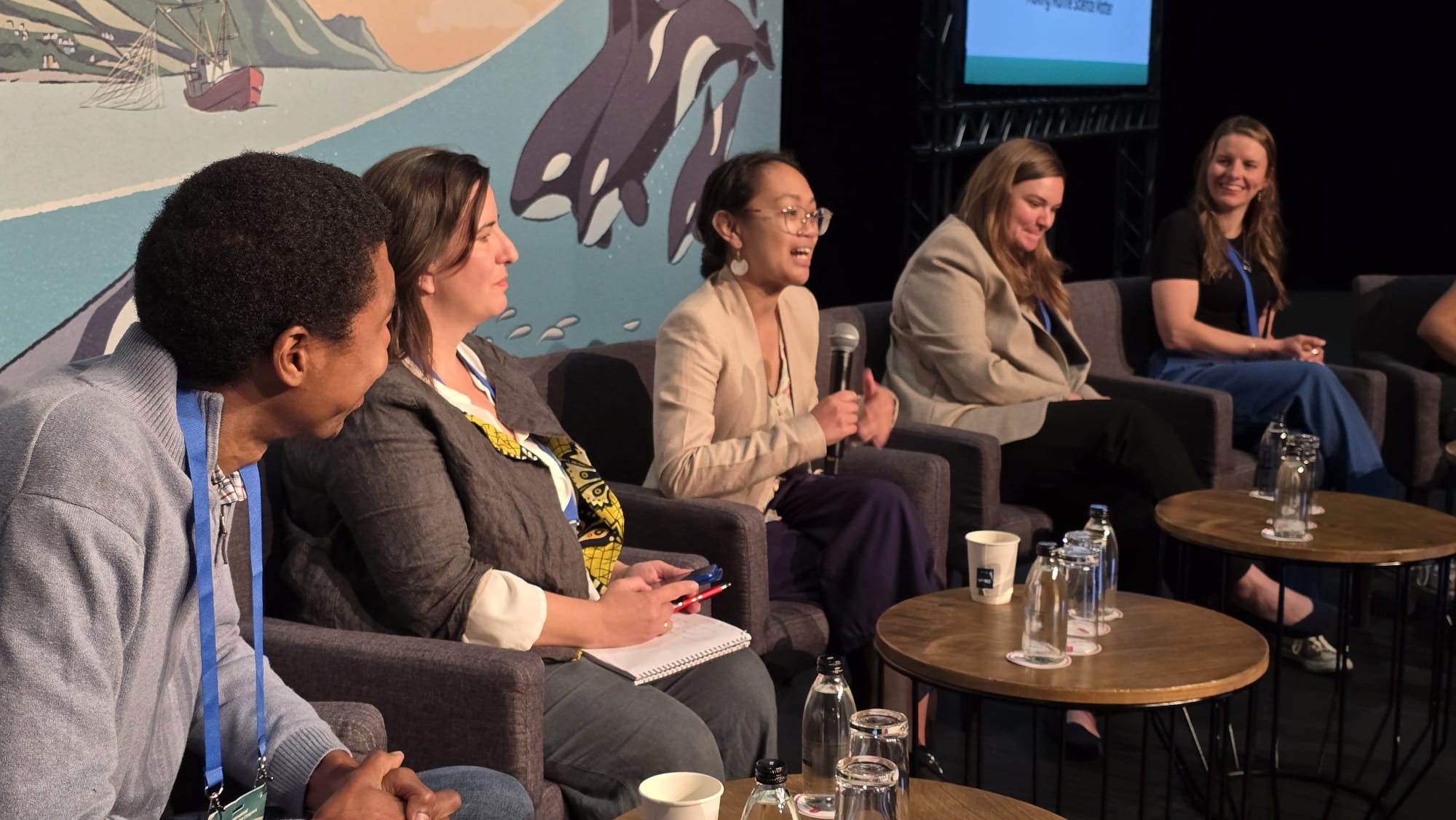
Here’s how to join my IMCC8 symposium, “Ocean Science Communication: What’s New and What’s Next?”
April 22, 2026
Deep Sea Mining Symposium Announcement
April 21, 2026

An 8th grade WhySharksMatter gets career advice

Posted on July 2, 2012 By David Shiffman 3 Comments on An 8th grade WhySharksMatter gets career advice
Science

A few weeks ago, I went home to Pittsburgh to surprise my mom for Mother’s Day. While there, I had the unenviable task of emptying out my childhood bedroom in preparation for my parents moving to a smaller place. I was apparently a bit of a pack rat growing up- while cleaning the room, I found every birthday card I had received and every test I had taken from elementary school through high school.  I also found the results of my 8th grade career aptitude test, taken in 1999.

Based on my skills and interests, the “Career Futures” computer had recommended three potential careers for me: high school science teacher, military officer specializing in intelligence gathering, and marine biologist. Some of you may also know that three years later, my high school guidance counselor half-jokingly recommended that I consider a career as the leader of a cult, but that’s a story for another time.

While taking a break from cleaning out my room, I looked over the full reports for each career choice. The description of the career of a marine biologist was of particular interest, since that’s what I actually ended up doing with my life (I am definitely not secretly working as a military intelligence officer, nothing to see here, move along).

Read More “An 8th grade WhySharksMatter gets career advice” »

A field guide to ocean science and conservation on twitter

Posted on June 30, 2012June 30, 2012 By Andrew Thaler 2 Comments on A field guide to ocean science and conservation on twitter
Popular Culture

A few of my colleagues recently came to me looking for advice on how to get started on twitter. Even for seasoned marine scientists who grew up during the internet revolution, establishing a twitter presence can be a daunting task. When used well, it provides a steady stream of news, commentary, and discussion that can provide broad insight into the current state of marine science and conservation. When used poorly, twitter can become a continuous, unrelenting torrent of irrelevant nonsense, punditry, and manufactured controversy. I put this guide together to provide a foundation for those interested in using twitter to engage with the Ocean Community.

There are several great basic guides on how to get started on twitter, so, rather than reinventing the wheel, here are a few of my favorite resources:

  • What is Twitter and Why Scientists Need To Use It
  • Twitter: What’s All the Chirping About? 
  • How to live-tweet a conference: A guide for conference organizers and twitter users
  • Your 5-minute, 5-day orientation to twitter

All of these guides have some good advice, but really, the best thing you can to get a feel for twitter is to create a personal account and play around for a week or two. Always start with a personal account. You’re going to make mistakes, faux pas, or perhaps accidentally tweet something that you’d wish you hadn’t. You don’t learn to ride a bike on a Pinarello Dogma 60.1 and you shouldn’t learn to use a new social media tool on an account that will be permenently linked to your online reputation.

Read More “A field guide to ocean science and conservation on twitter” »

A revolution in underwater exploration for everyone: the open source underwater robot

Posted on June 29, 2012June 29, 2012 By Andrew Thaler

If you’ve been following me on twitter, checking out some of my YouTube videos, or reading this blog, you probably have a good sense about how enthusiastic I am about ROV’s and how excited I am about the current wave of cheap, easy to build and maintain, functional ROV’s for outreach, teaching, and recreational exploration. Inexpensive, high quality ROV’s can provide us with previously unheard of access to the ocean.

So I’m really excited that OpenROV, an open source project to develop a robotic submarine that anyone can build and use, has  launched their kickstarter page to develop and distribute the OpenROV kit. From the project page:

Read More “A revolution in underwater exploration for everyone: the open source underwater robot” »

Watch Blue Pints Episode 2: Sea Level Rise, Seafood Fraud, Shipwrecked Aliens, and more!

Posted on June 28, 2012October 27, 2013 By Andrew Thaler
Uncategorized

Watch Episode 2 here:

httpv://www.youtube.com/watch?v=ijPEW7x93N0

Read More “Watch Blue Pints Episode 2: Sea Level Rise, Seafood Fraud, Shipwrecked Aliens, and more!” »

World Oceans Day #OceanFacts

Posted on June 26, 2012 By David Shiffman
Science

On World Oceans Day, I asked the online marine science and conservation community to tweet their favorite facts about the ocean using the hashtag #OceanFacts . Dozens of people joined the discussion, and more than 300 #OceanFacts were contributed. These tweets cover a variety of topics, from marine invertebrates, fish, sharks, and marine mammals to facts about the ocean itself and conservation policy. The discussion also inspired a great deal of humorous posts, including an entire spinoff #OceanFibs hashtag. Some of my favorite #OceanFacts tweets are saved in the Storify below.

Read More “World Oceans Day #OceanFacts” »

Check out Episode 1 of Blue Pints: shark fishing, shark finning, and finding common ground in shark conservation

Posted on June 23, 2012October 27, 2013 By Andrew Thaler 5 Comments on Check out Episode 1 of Blue Pints: shark fishing, shark finning, and finding common ground in shark conservation
Uncategorized

Sunday night at 7:30, David Shiffman and myself will host the first, of what we hope will be many, Blue Pints on Google+. The two of us will get together via Google Hangouts and broadcast a 45-minute-to-one-hour program discussing recent important issues in ocean science, while enjoying a pint of what-cures-you. We’ll provide a link to the live stream (and subsequent YouTube video) here, in this post, as well as announce it over our various social media platforms. We’ll be monitoring the comment thread on the Google+ post, so feel free to ask questions and join the discussion during the hangout.

This week, we’ll be discussing shark fishing, shark finning, and finding common ground in shark conservation. Tune in Sunday at 7:30!

Watch the video here:

httpv://www.youtube.com/watch?v=uQ_8ZtKKfjk

Read More “Check out Episode 1 of Blue Pints: shark fishing, shark finning, and finding common ground in shark conservation” »

A brief, poorly researched, history of amphibious vehicles

Posted on June 22, 2012 By Andrew Thaler
Popular Culture

James Bond had them. Baltimore’s inner harbor has them. Mitt Romney is probably building one for each of his moon mansions. From the Alligator Tug to the Boston Duck Boats, amphibious vehicles have been with us for more than a century. Which is why it’s strange to see a headline, dated June 21st, 2012, touting “WORLD’S FIRST AMPHIBIOUS CAR REVEALED“.

Now, if we want to strictly limit ourselves to production line, non-military, non-commercial vehicles (so no decommissioned beach landers or custom fanboat VW bugs), than the first amphibious vehicle was probably the Amphibicar, way back in 1965:

Amphicar im Main, am Eisernen Steg in Ffm via Wikimedia Commons

Notoriously leaky, not entirely stable, but still pretty swank. If Romney ever finishes building his moon mansion’s moon ocean pool for amphibious moon cars, he’ll join the ranks of former president Lyndon Johnson, who also owned an Amphibicar.

Read More “A brief, poorly researched, history of amphibious vehicles” »

Wednesday Morning Open Thread – we’re gonna need a bigger boat

Posted on June 20, 2012June 19, 2012 By Andrew Thaler 1 Comment on Wednesday Morning Open Thread – we’re gonna need a bigger boat
Uncategorized

It’s that time of the week again. Please use this space to ask questions, share links, start a discussion, or just say hi. Today’s thread brought to you by the boarding ladder on the Scripps research pier. What was your most eventful boat launch?

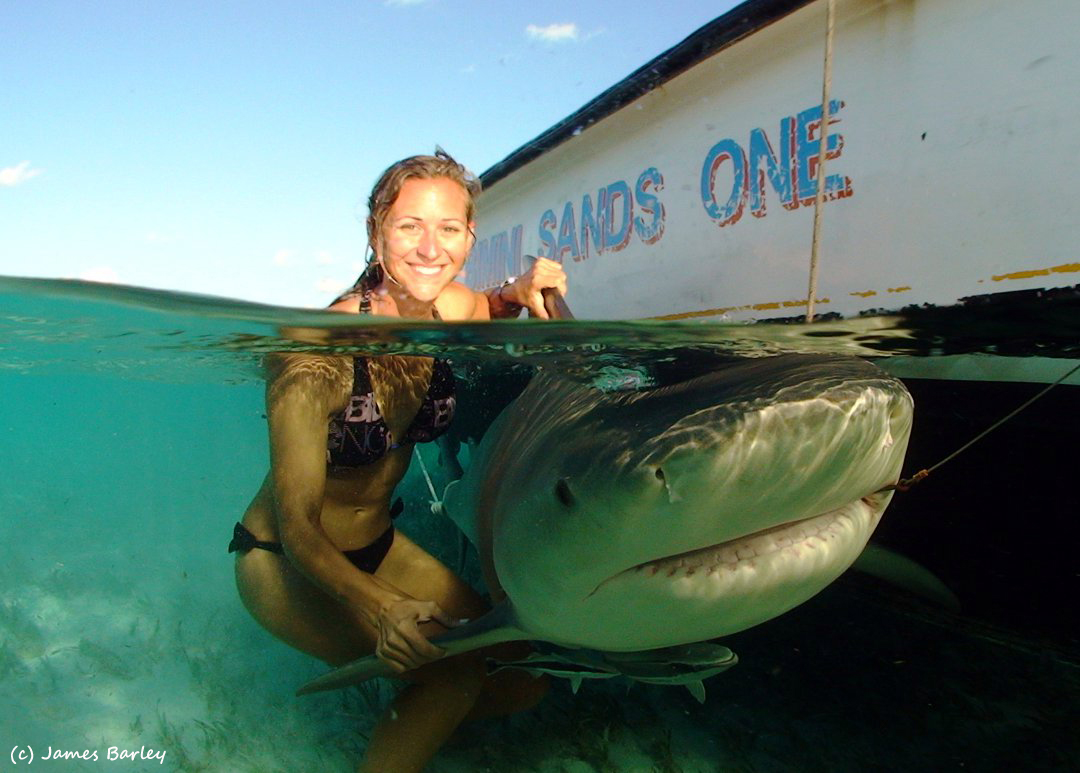
Saving Bimini: A campaign to protect a Bahamian gem

Posted on June 19, 2012October 27, 2013 By Guest Writer 11 Comments on Saving Bimini: A campaign to protect a Bahamian gem
Conservation

Kristine Stump is a PhD candidate in Marine Biology and Fisheries at the University of Miami’s Rosenstiel School of Marine and Atmospheric Science (RSMAS).  Her dissertation focuses on the effects of anthropogenic nursery habitat loss on juvenile lemon sharks in Bimini, Bahamas.  She was the Principal Investigator of the Bimini Biological Field Station (BBFS, or Sharklab) from 2008 – 2011 while collecting field data for her degree and has been heavily involved in the process of establishing a Marine Protected Area in Bimini.  Kristine has an M.A. in Marine Policy from RSMAS, and prior to entering the doctoral program, she spent five years working in Washington, DC at Ocean.US – the National Office for Integrated and Sustained Ocean Observations (now the NOAA IOOS Program).  In addition, she has worked for the Census of Marine Life program office at the Consortium for Ocean Leadership in Washington, DC. 


There is an apex predator roaming the seas.  For hundreds of thousands of years, this beast has hunted in the waters of the world’s oceans.  Relentless is it in its search along the shorelines for that which satisfies its primal urges.  Its numbers ever on the rise, the destruction in its path knows no bounds.  And now, in 2012, it wants to dominate the sea more than ever before: it wants glass-bottom bungalows.  It needs yacht dockage at its vacation home.  It craves manicured fairways.  IT MUST HAVE AN INFINITY POOL!

If you haven’t already guessed, the apex predator here is man.  Throughout history, the environment has shaped man, but now more than ever, man is shaping the environment.  In the current era of environmental awareness, however, we have learned that there are limits to the anthropogenic changes ecosystems can withstand while still maintaining ecosystem function.  Luckily, we have learned to implement mitigation strategies to offset, to some degree, the negative effects of human expansion.

Read More “Saving Bimini: A campaign to protect a Bahamian gem” »

What shark finning means (and doesn’t mean): a primer and quiz

Posted on June 18, 2012June 26, 2012 By David Shiffman 82 Comments on What shark finning means (and doesn’t mean): a primer and quiz
Conservation, Science

Shark finning, one of the most wasteful, unsustainable, and inhumane methods of gathering food in the history of human civilization, has rightly become a hot topic in the marine conservation movement. However, there is a great deal of confusion among activists concerning this problem and the best way to solve it. Those of you who follow me on twitter have seen me point out numerous recent anti-finning “awareness campaigns” which feature photographs of sharks that have not actually been finned.

Shark finning does not mean removing the fins from a shark. This is really important and seems to be a source of some confusion- not every shark fin for sale in markets is the result of shark finning! Shark finning means removing the fins from a shark while still on the fishing vessel and dumping the rest of the shark overboard. This is a problem because its wasteful (less than 10% of the weight of a shark is used), because its easy to quickly overfish a population even from a small boat (fins don’t take up a lot of space on board), and because its almost impossible for managers to know how many of each species were harvested. As stated above, this practice is also shockingly inhumane, as the sharks are often still alive when they are dumped overboard.

Read More “What shark finning means (and doesn’t mean): a primer and quiz” »

Posts pagination

Previous 1 … 141 142 143 … 273 Next

Popular Posts

Ageism in the conservation job marketAgeism in the conservation job marketJune 19, 2026Chris Parsons
What Ocean Ramsey does is not shark science or conservation: some brief thoughts on "the Shark Whisperer" documentaryWhat Ocean Ramsey does is not shark science or conservation: some brief thoughts on "the Shark Whisperer" documentaryJuly 2, 2025David Shiffman
Screaming into the void - Why your scientific paper doesn’t matterScreaming into the void - Why your scientific paper doesn’t matterJune 18, 2026Chris Parsons
The next OpenCTD is here!The next OpenCTD is here!June 22, 2026Andrew Thaler
Undermining the Law of the Sea. Some additional thoughts following my OpEd in the Hill.Undermining the Law of the Sea. Some additional thoughts following my OpEd in the Hill.June 22, 2026Andrew Thaler
What is a Sand Shark?What is a Sand Shark?November 12, 2017Chuck Bangley
The story of the pride flag made from NASA imagery: Bluesky's most-liked imageThe story of the pride flag made from NASA imagery: Bluesky's most-liked imageSeptember 27, 2024David Shiffman
That's not a blobfish: Deep Sea Social Media is Flooded by AI SlopThat's not a blobfish: Deep Sea Social Media is Flooded by AI SlopDecember 19, 2025Andrew Thaler
Our favorite sea monsters – Ningen (#4)Our favorite sea monsters – Ningen (#4)September 7, 2010Andrew Thaler
Did monster hunters find a 120 meter long giant squid on google maps?Did monster hunters find a 120 meter long giant squid on google maps?June 17, 2016Andrew Thaler

squishy

Subscribe to our RSS Feed for updates whenever new articles are published.

We recommend Feedly for RSS management. It's like Google Reader, except it still exists.

Southern Fried Science

  • Home
  • About SFS
  • Authors
  • Support SFS


If you enjoy Southern Fried Science, consider contributing to our Patreon campaign.

Copyright © 2026 Southern Fried Science.

Theme: Oceanly Premium by ScriptsTown