Skip to content

Southern Fried Science

Over 15 years of ocean science and conservation online

  • Home
  • About SFS
  • Authors
  • Support SFS

Recent Posts

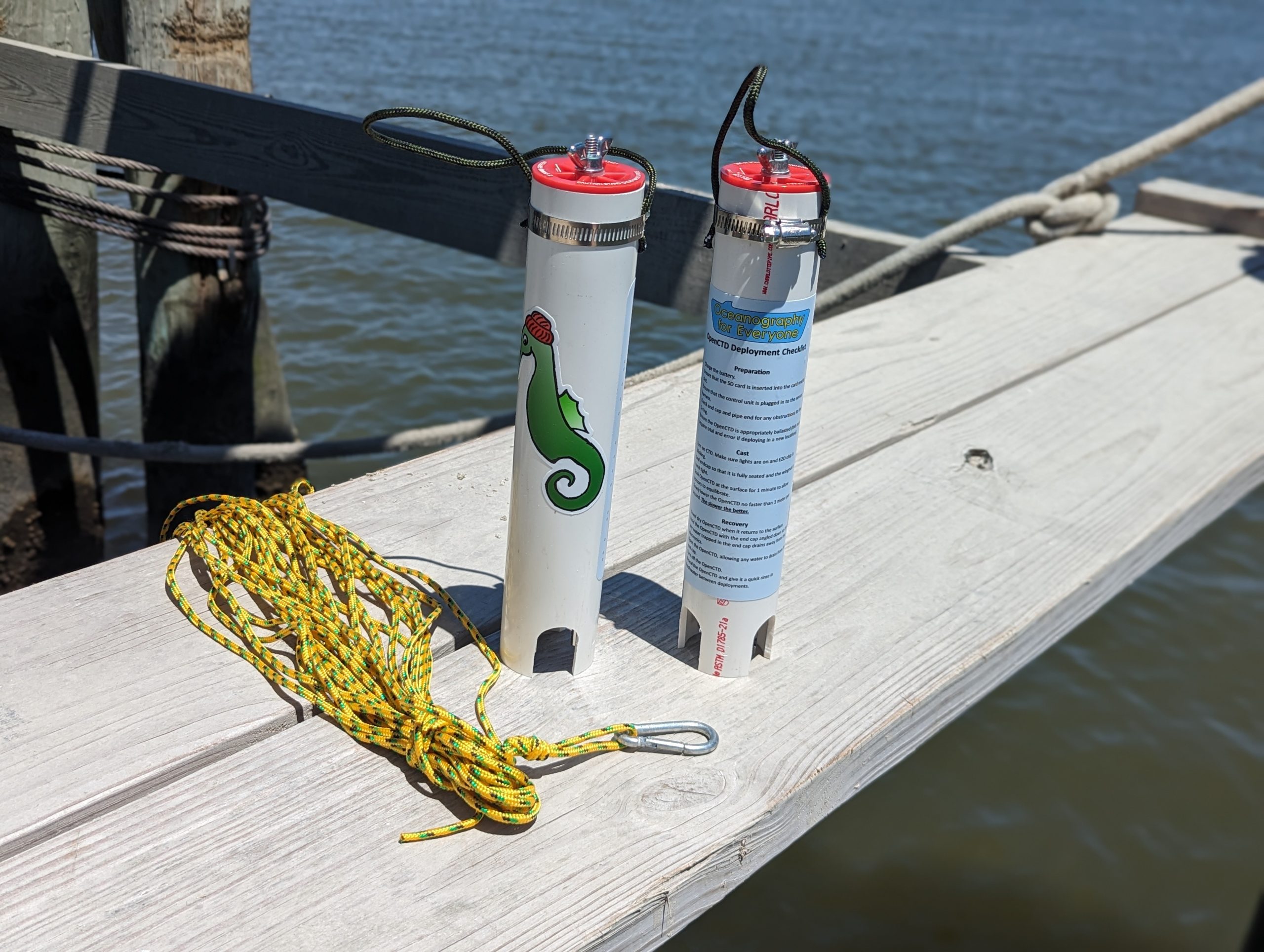
The next OpenCTD is here!
June 22, 2026
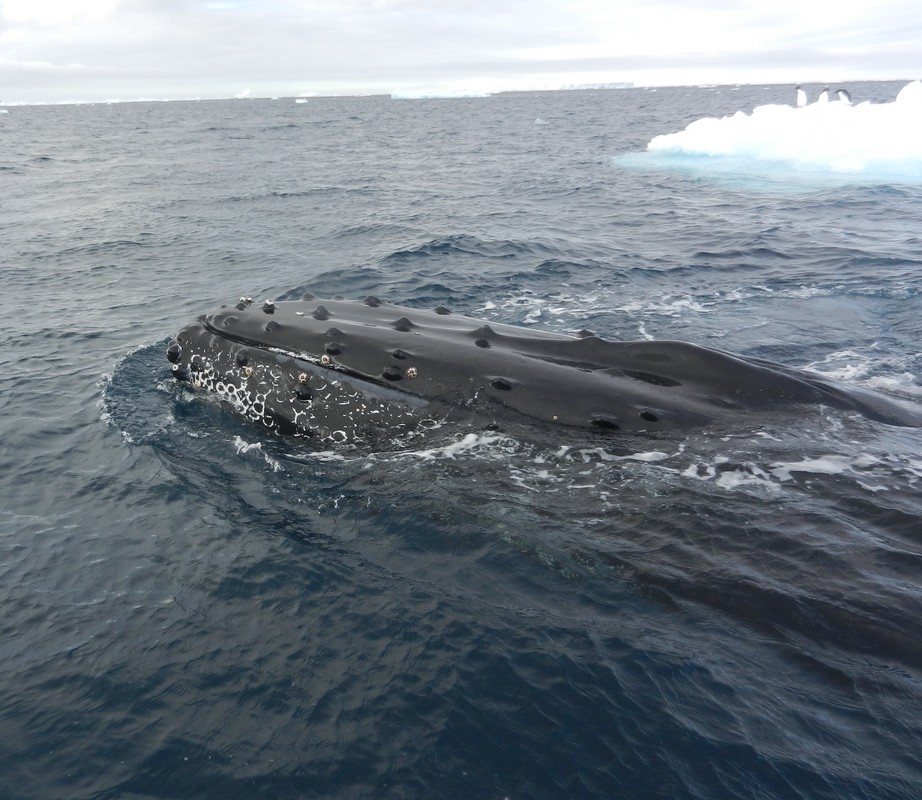
humpback whale in Antarctica
The evolution of the International Whaling Commission – from  whaling quotas to whale conservation
June 10, 2026
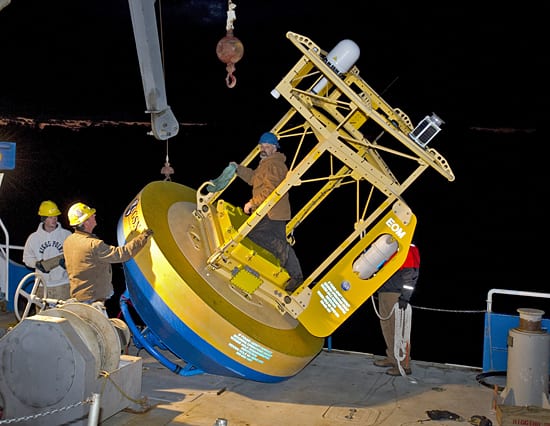
Isn’t ironic, don’t you think: dismantling the Ocean Observatories Initiative on World Oceans Day
June 9, 2026
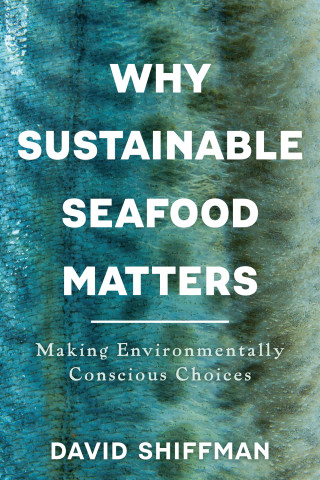
“Why Sustainable Seafood Matters” is now available for preorder! Here’s what it’s about, and why I decided to write it.
June 8, 2026
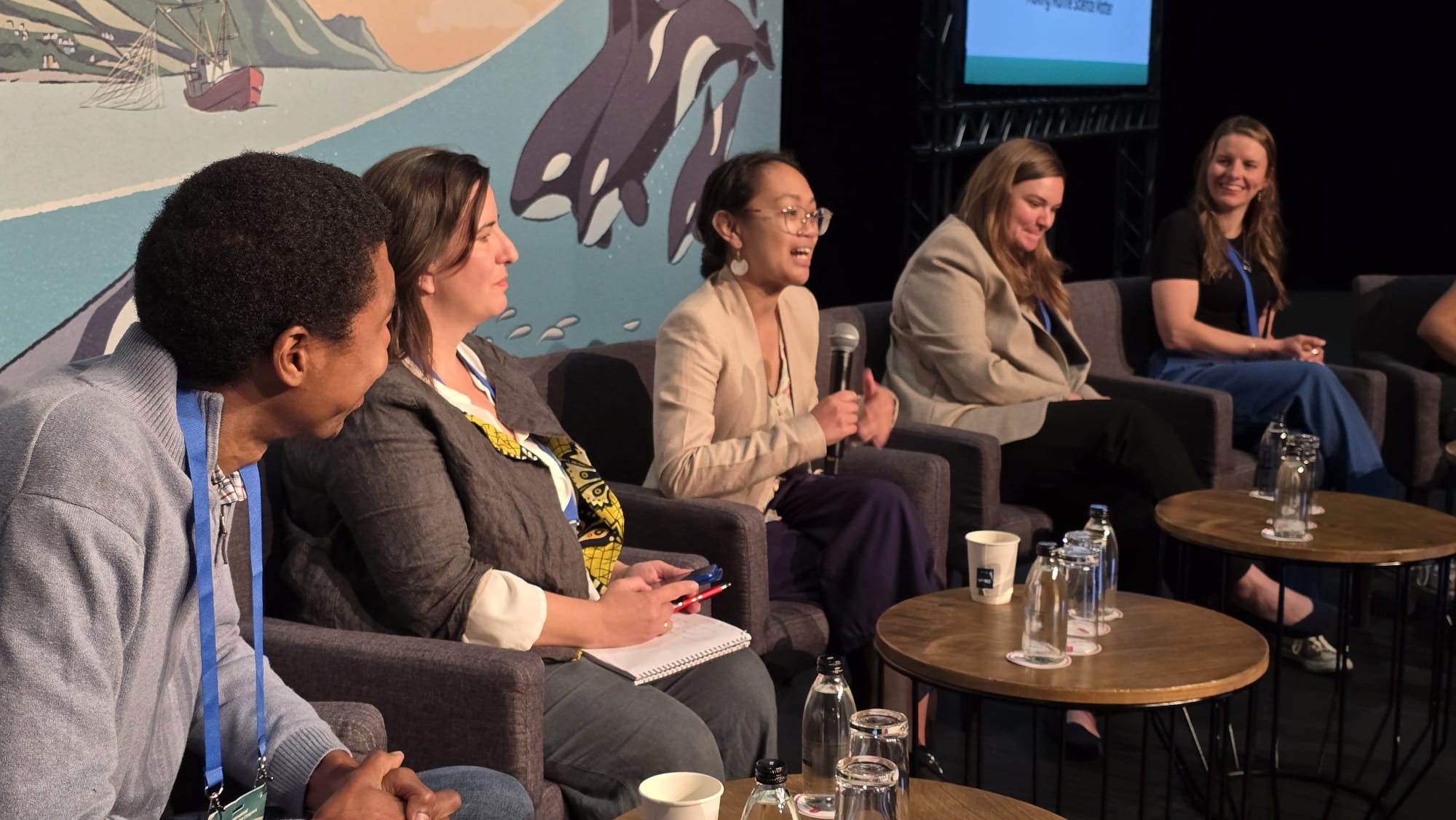
Here’s how to join my IMCC8 symposium, “Ocean Science Communication: What’s New and What’s Next?”
April 22, 2026
Deep Sea Mining Symposium Announcement
April 21, 2026

Three reasons why you should donate to Bonehenge

Posted on May 4, 2011May 5, 2011 By Andrew Thaler

Bonehenge is our community outreach project of choice here at Southern Fried Science. Over the last few years we’ve been raising money and publicity to help make Bonehenge a reality. There is a widget on the left side of the page where you can make a donation to help build Bonhenge. We’ll match all donations up to $250 dollars, so you can make you contribution count double. Here are three reasons why you should contribute to Bonehenge:

Read More “Three reasons why you should donate to Bonehenge” »
Biodiversity Wednesday: Yellowstone Geysers

Posted on May 4, 2011May 4, 2011 By Bluegrass Blue Crab
Science

www.princeton.edu

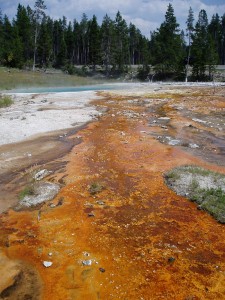
Yellowstone National Park was established to preserve the American West, largely held up as the iconic American landscape. Picturesque Yellowstone houses the hopes and dreams of the frontier, the wilderness that is a large part of American heritage, and the final refuge for North American wildlife. Despite such a colorful and large part of American history, Yellowstone should perhaps be famous not for its astounding trees and bouncing elk, but instead for the ecosystems that depend on Yellowstone’s geysers. They are the unsung heroes of modern biotechnology and place Yellowstone’s wilderness leaps and bounds above other temperate forests in terms of biodiversity.

Read More “Biodiversity Wednesday: Yellowstone Geysers” »

Full video of injured shark shows numerous natural injuries

Posted on May 3, 2011May 10, 2011 By David Shiffman 101 Comments on Full video of injured shark shows numerous natural injuries
Science

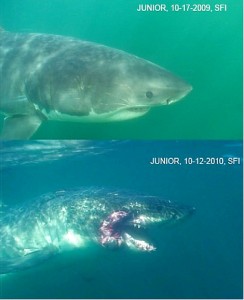
Junior the Great White shark, before and (long) after being caught by Dr. Domeier's team. Image courtesy FijiSharkDiving.Blogspot.com

Several months ago, still photographs showing an injured great white shark surfaced. The shark in question was previously captured by a shark research team lead by Dr. Michael Domeier on the TV show “Shark Men” – and the capture of this shark didn’t go as planned. These still images were taken from a video, and in response to the ensuing controversy, Dr. Domeier’s team claimed that when the full video is viewed, you can see that the injury comes from another shark and not from capture injury. No clear sharkbite injuries are visible in the original still image.

I submitted a Freedom of Information Act request for the full video, which had been in the possession of NOAA’s Office of National Marine Sanctuaries pending an investigation.

Here, for the first time available to the public, is the full video from which the above images were taken.

Read More “Full video of injured shark shows numerous natural injuries” »

Why Listen to the Local Guy?

Posted on May 3, 2011May 3, 2011 By Bluegrass Blue Crab 2 Comments on Why Listen to the Local Guy?
Uncategorized

policymaking during comanagement in Mongolia, rcinet.ca

Two of Ostrom’s (1990) institutional design principles emphasize the role of the local –rules must be adapted to local conditions and resource users must participate in the rulemaking process. These principles were determined empirically through cross-site analysis, but a large body of research from science studies supports these finding theoretically as well. The most clear example of including the community in management is through comanagement, which works at the collective level to shift how and where rules are made (Jentoft, McCay et al. 1998). The comanagement process also highlights the importance of different types of knowledge to the policy process by providing a more complete base of information on which to make decisions.

The supporting theory reaches back to early studies in game theory that determined the fairness of a rule was one of the critical factors in determining if cooperation would emerge (Axelrod 1984). Fairness does not necessarily mean that every citizen benefits equally, but instead that people are punished according to their transgressions and benefit according to their contributions. However, the perception of fairness matters more than actual fairness when people evaluate a policy. That perception depends on transparency of the policymaking process. Gusterson goes so far as to say “instead of seeking a definitive technical judgment, then, we should ask about the processes by which judgments come to be considered definitive and their authors authoritative” (Nader 1996). People are more likely to consider a policy fair if they consider the process fair. One way, arguably the best way, to make the process transparent and therefore fair is to involve citizens in that process.

Read More “Why Listen to the Local Guy?” »

Chronicle of a Death Forestalled: the Gulf of Mexico oil spill that didn’t happen

Posted on May 2, 2011May 3, 2011 By Andrew Thaler 3 Comments on Chronicle of a Death Forestalled: the Gulf of Mexico oil spill that didn’t happen
Conservation

February 2005 – A giant in the oil industry sets out to drill what is, at the time, the deepest oil well in the world, a staggering 32,000 feet below the sea bed. The oil field, just 28 miles from the Louisiana coast, is estimated to contain up to a billion barrels of oil. The success of this well could launch a new era of offshore drilling and revolutionize an industry. And then, after 18 months and $180 million dollars, just 2,000 feet from their target, ExxonMobil halts their drill, declares Blackbeard West unsafe, and walks away.

Barely 5 years later, a similar well, deep and deeply unsafe, would suffer a catastrophic blowout, pumping millions of barrels of crude into the Gulf of Mexico. The resulting investigation revealed a history of unacceptable risk and a blasé attitude towards safety on the part of BP. While the BP blowout at the Macondo well was a disaster on a global scale, Blackbeard West was a disaster deferred. How could these two incidents, both created by nearly the same conditions, have had such dramatically different consequences? What can we learn about the culture of oil exploration and the true cost of a crude economy from Blackbeard West?

Read More “Chronicle of a Death Forestalled: the Gulf of Mexico oil spill that didn’t happen” »

A Brief Primer on Inbreeding Depression

Posted on April 28, 2011April 28, 2011 By Andrew Thaler 2 Comments on A Brief Primer on Inbreeding Depression
Popular Culture, Science

There I was, proudly ambivalent about events happening across the pond. Some royal something or other getting civil union-ed with some wealthy something something. Apparently this happening also involves some high-falutin’ muckity-muck. I had managed to avoid just about everything about this event, until my shields were ultimately breached by an unlikely saboteur. The scientific journal Cell bizarrely decided to dedicate this weeks issue to the royal wedding by publishing this bit of ad nauseum:

Read More “A Brief Primer on Inbreeding Depression” »

Book Review: Saving the Oceans 101

Posted on April 28, 2011April 28, 2011 By David Shiffman 1 Comment on Book Review: Saving the Oceans 101
Conservation, Science

Ted Danson (yes, that Ted Danson) isn’t your typical ocean activist. Though he is best known as the bartender on Cheers, he has been actively involved in marine conservation issues for more than 25 years. While living in California to work on Cheers, he took a walk on the beach with his daughters. When they came across a sign that read “water polluted, no swimming”, he didn’t know how to explain to his disappointed children what was wrong with the ocean. He decided to learn more, began to work with local scientists and conservationists, and eventually co-founded the American Oceans Campaign (one of the founding members of Oceana) Danson’s decades of knowledge of and passion for the oceans are clear in his new book, “Oceana: Our Endangered Oceans And What We Can Do to Save Them”.

Read More “Book Review: Saving the Oceans 101” »

Beneath the Waves Film Festival: Once Upon a Tide

Posted on April 28, 2011April 6, 2011 By David Shiffman
Uncategorized

This 2011 Beneath the Waves Film Festival entry comes from Kathleen Frith of Harvard Medical School. It tells the story of a spell that has been cast on the world to make us forget the ocean, and a little girl who tries to remember.  

We’re Back!

Posted on April 28, 2011 By Andrew Thaler 1 Comment on We’re Back!
Uncategorized

Southern Fried Science is back online. We hope you didn’t miss us too much. If you hadn’t noticed, we had a bit of server trouble this week, but everything is back to normal. Special thanks to the tech support at BlueHost.com who were patient, professional, and exceptionally helpful walking us through the repairs.

Beneath the Waves Film Festival: What’s Up With Our Oceans?

Posted on April 25, 2011April 28, 2011 By David Shiffman
Conservation

This 2011 Beneath the Waves Film Festival entry comes from University of Southern California student Jennah Caster. It asks a simple but important question, what’s up with our oceans, and attempts to answer it. If you have a question for the filmmaker, please leave it as a comment and I’ll make sure she gets it. … Read More “Beneath the Waves Film Festival: What’s Up With Our Oceans?” »

Posts pagination

Previous 1 … 169 170 171 … 273 Next

Popular Posts

Screaming into the void - Why your scientific paper doesn’t matterScreaming into the void - Why your scientific paper doesn’t matterJune 18, 2026Chris Parsons
What Ocean Ramsey does is not shark science or conservation: some brief thoughts on "the Shark Whisperer" documentaryWhat Ocean Ramsey does is not shark science or conservation: some brief thoughts on "the Shark Whisperer" documentaryJuly 2, 2025David Shiffman
Ageism in the conservation job marketAgeism in the conservation job marketJune 19, 2026Chris Parsons
That's not a blobfish: Deep Sea Social Media is Flooded by AI SlopThat's not a blobfish: Deep Sea Social Media is Flooded by AI SlopDecember 19, 2025Andrew Thaler
I can serve on your graduate thesis committee. Here’s what you can expect of me, and what I expect in return.I can serve on your graduate thesis committee. Here’s what you can expect of me, and what I expect in return.October 16, 2025David Shiffman
The next OpenCTD is here!The next OpenCTD is here!June 22, 2026Andrew Thaler
The story of the pride flag made from NASA imagery: Bluesky's most-liked imageThe story of the pride flag made from NASA imagery: Bluesky's most-liked imageSeptember 27, 2024David Shiffman
What is a Sand Shark?What is a Sand Shark?November 12, 2017Chuck Bangley
Undermining the Law of the Sea. Some additional thoughts following my OpEd in the Hill.Undermining the Law of the Sea. Some additional thoughts following my OpEd in the Hill.June 22, 2026Andrew Thaler
Our favorite sea monsters – Ningen (#4)Our favorite sea monsters – Ningen (#4)September 7, 2010Andrew Thaler

squishy

Subscribe to our RSS Feed for updates whenever new articles are published.

We recommend Feedly for RSS management. It's like Google Reader, except it still exists.

Southern Fried Science

  • Home
  • About SFS
  • Authors
  • Support SFS


If you enjoy Southern Fried Science, consider contributing to our Patreon campaign.

Copyright © 2026 Southern Fried Science.

Theme: Oceanly Premium by ScriptsTown