This week’s comment of the week is in response to last week’s open thread. Mark Gibson gave a thoughtful response to the challenges of high seas governance, ending with the following strategy: End fishing subsidies at the WTO. Fishing subsidies have greatly distorted the world’s fishing capacity. By one study, the global fishing fleet needs … Read More “Comment of the Week” »
So far this month, we’ve asked what sustainability mean to you, what changes you’ve made to lead a more sustainable life, and what changes society needs to make. Our final open thread for Science and Sustainability month is not about the things we know, or the things we believe, but the things we don’t know. Sustainable living is fraught with … Read More “What we don’t know can hurt us – the final open thread” »
Congratulations to our own WhySharksMatter, who has successfully defended his masters thesis at College of Charleston.
This 2011 Beneath the Waves Film Festival entry comes from UK filmmaker Simon Spear of “View From the Blue”. Porbeagles in Peril explains the plight of the porbeagle shark, a relative of the great white, in UK waters.
All is quiet on the site today because Bluegrass Blue Crab and I are currently in Charleston watching WhySharksMatter’s masters thesis defense. Since y’all can’t be there with us, take a moment to enjoy David’s talk from Benthic Ecology 2011 – Detection of an ontogenetic shift in the diet of a heavily exploited shark species. … Read More “Weekly dose of SHIFF: Detection of an ontogenetic shift in sandbar shark diets” »
Tomorrow is Earth Day, and unlike years past, we don’t have anything big planned (though something major in the Southern Fried Science World is happening tomorrow). In the mean time, please enjoy this playlist of ocean songs to inspire and remind:
The squishiness of the term sustainability also offers people pick of what they choose to think about and what kinds of changes they want to make in their lives. I return this week from a week of thinking about spaces of sustainability during the American Assocation of Geographers conference, where the series of sessions entitled “food alterity” was standing room only. One of the speakers started off her talk with the question “why are we all so obsessed with food, what it is about food that gets people excited where we really should be excited about energy”. She went on to give a fascinating talk about who gets to write the grower’s manual for organic strawberries (literally, it’s apparently a power struggle over legitimate knowledge). But her first question really stuck with me.
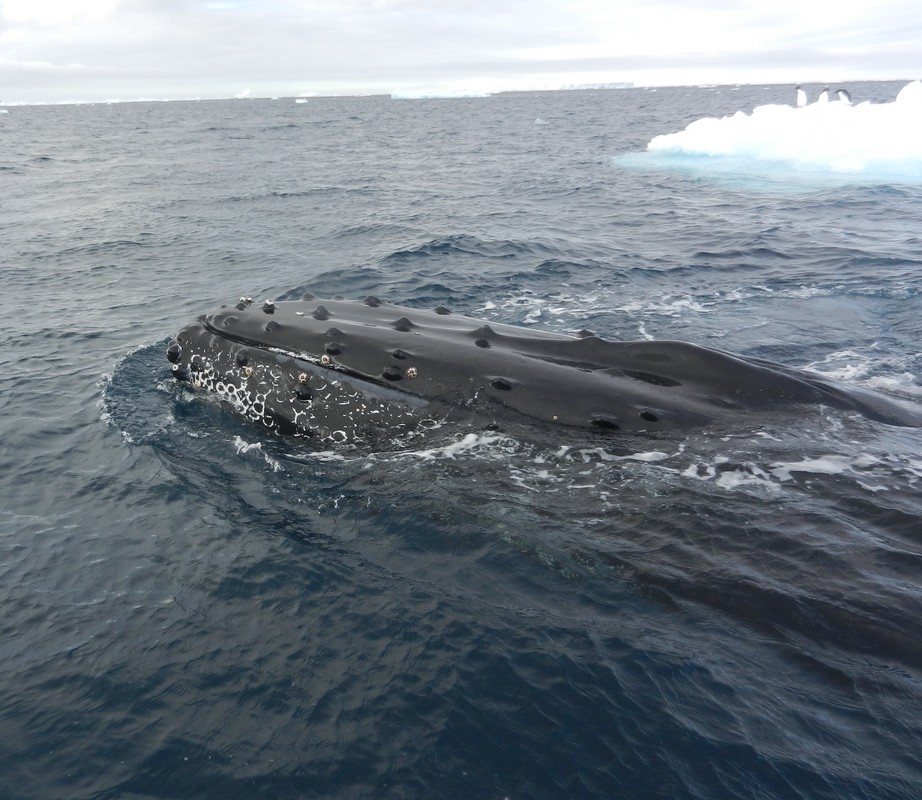
…was a hoax. A report that the Japanese government will scrap all research whaling has been dismissed as a hoax. source So please, stop e-mailing me this: “Effective immediately, Japan will no longer conduct scientific research on whale populations which require capture and dissection,” said Chief Cabinet Secretary Makoto Inoue, speaking at a press conference … Read More “The end of whaling in Japan…” »
Just a reminder that one year ago today, the Deep Water Horizon exploded and sunk into the Gulf of Mexico, taking 11 lives with it and starting a chain of event that resulted in the largest oil blowout in history.

All people are still dependent on natural resources, but centuries of development complete with urbanization and globalization have removed a large proportion of the world’s population from the production of those natural resources both physically and psychologically. Take, for example, a New York City investment banker. He gets up in the morning, puts on his suit, grabs his coffee and bagel to go, and takes the subway to work where he will trade shares of largely transnational companies. However, each step of his day is connected to and supported by a network of natural resource-based communities: one in India that grew and spun his suit, one in Columbia that grew his coffee, one in North Dakota that grew the wheat for his bagel, and countless others that produce the raw materials for the company he trades. This process of separation means that natural resource dependent communities face both forces of marginalization and empowerment.
Read More “Resource Dependent Communities in a Globalizing World” »