
Open Science, Science, Uncategorized
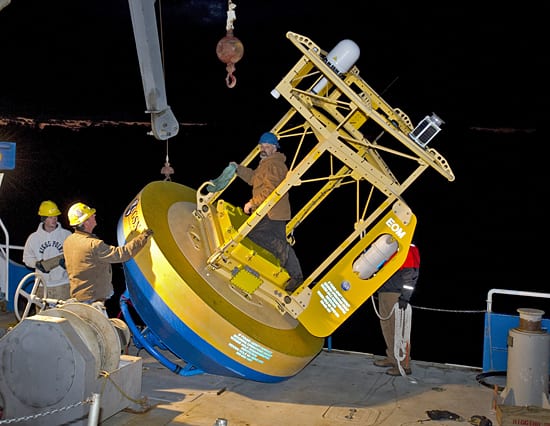
Happy FSF! As some of you may know (and for those who don’t), I study the bottom of the ocean, and I do so primarily using innovative technology to image the seafloor (e.g., Wormcam). The interesting work I’ve conducted has resulted in me having the opportunity to present my work to a larger lay audience, in the form of a TEDx presentation.

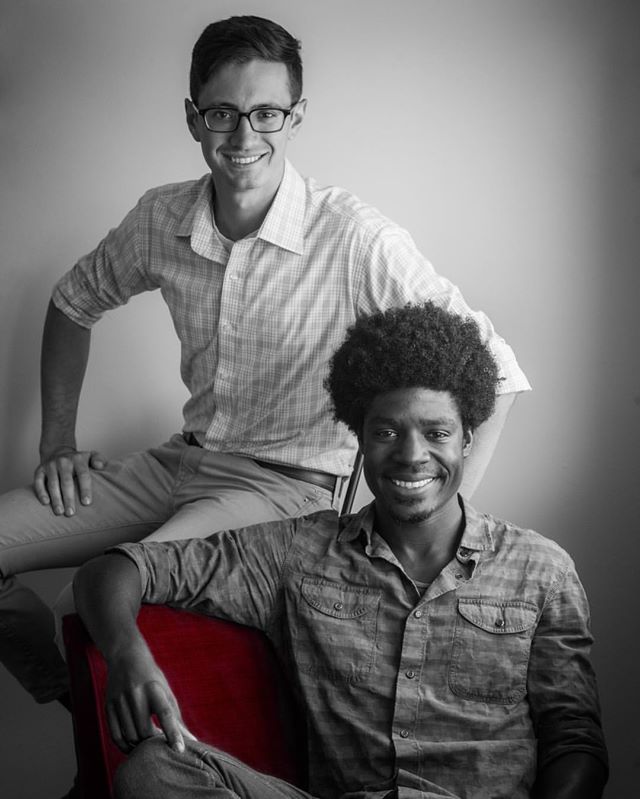
I am giving my TED talk with my good buddy and colleague Steve Sabo. In our talk, “A Picture is Worth a Thousand Worms”, Steve & I will illustrate the significance of the ocean floor through advancements in underwater camera technology and data visualization, making complex science more accessible for everyone.
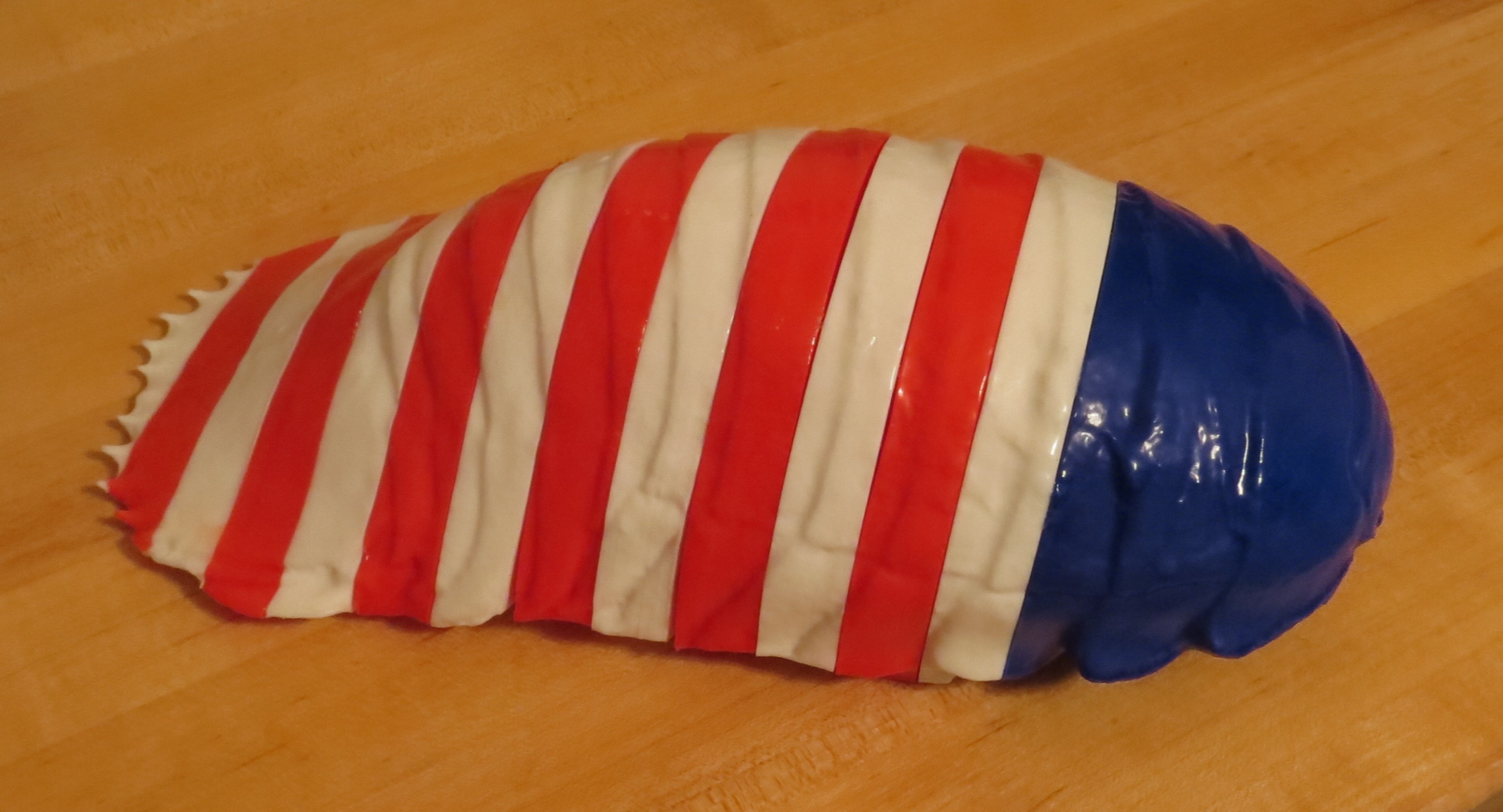
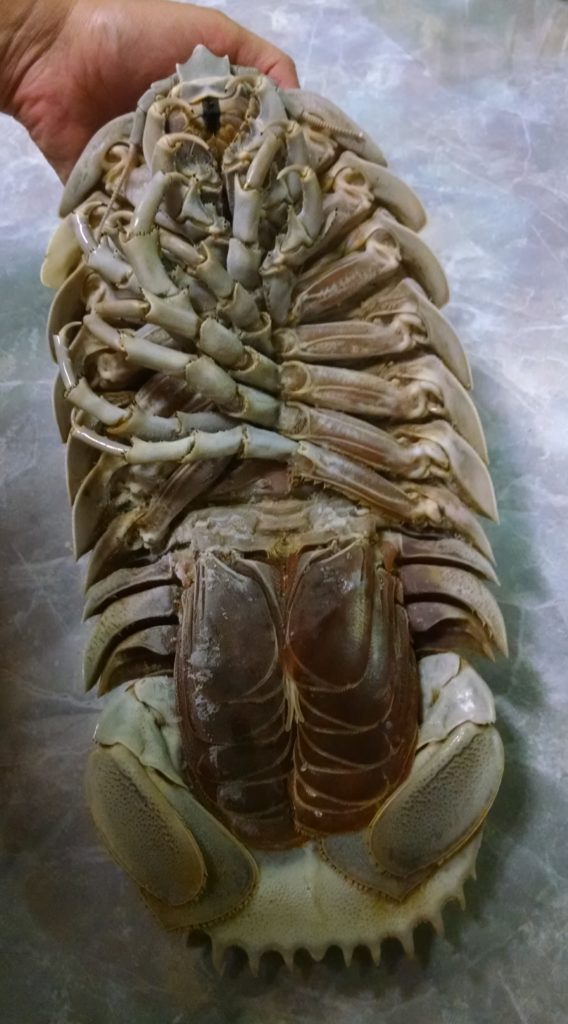
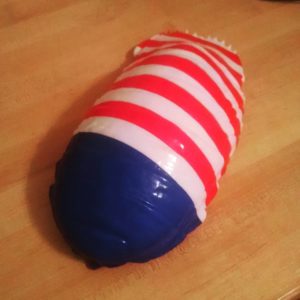 Southern Fried Science loves giant isopods. There are few deep-sea animals more iconic, more charismatic, more weird and wonderful, than the deep-sea isopod. The biggest of the deep-sea isopods, the giant deep-sea isopod, Bathynomus giganteus, is a quintessentially American beast. It dwells in the deep Gulf of Mexico. The bulk of its known range falls within the United States Exclusive Economic Zone. It was first collected by American scientist Alexander Agassiz (though it was formally described by his colleague and collaborator French zoologist Alphonse Milne-Edwards). Tough on the outside, soft on the inside, fiercely independent yet able to work in massive aggregations to consume the bloated carcass of a whale, alternately terrifying and adorable, I can think of no better animal to represent the deep water of the United States better than our own Bathynomous giganteus.