
Skip to content

Southern Fried Science

Over 15 years of ocean science and conservation online

  • Home
  • About SFS
  • Authors
  • Support SFS

Recent Posts

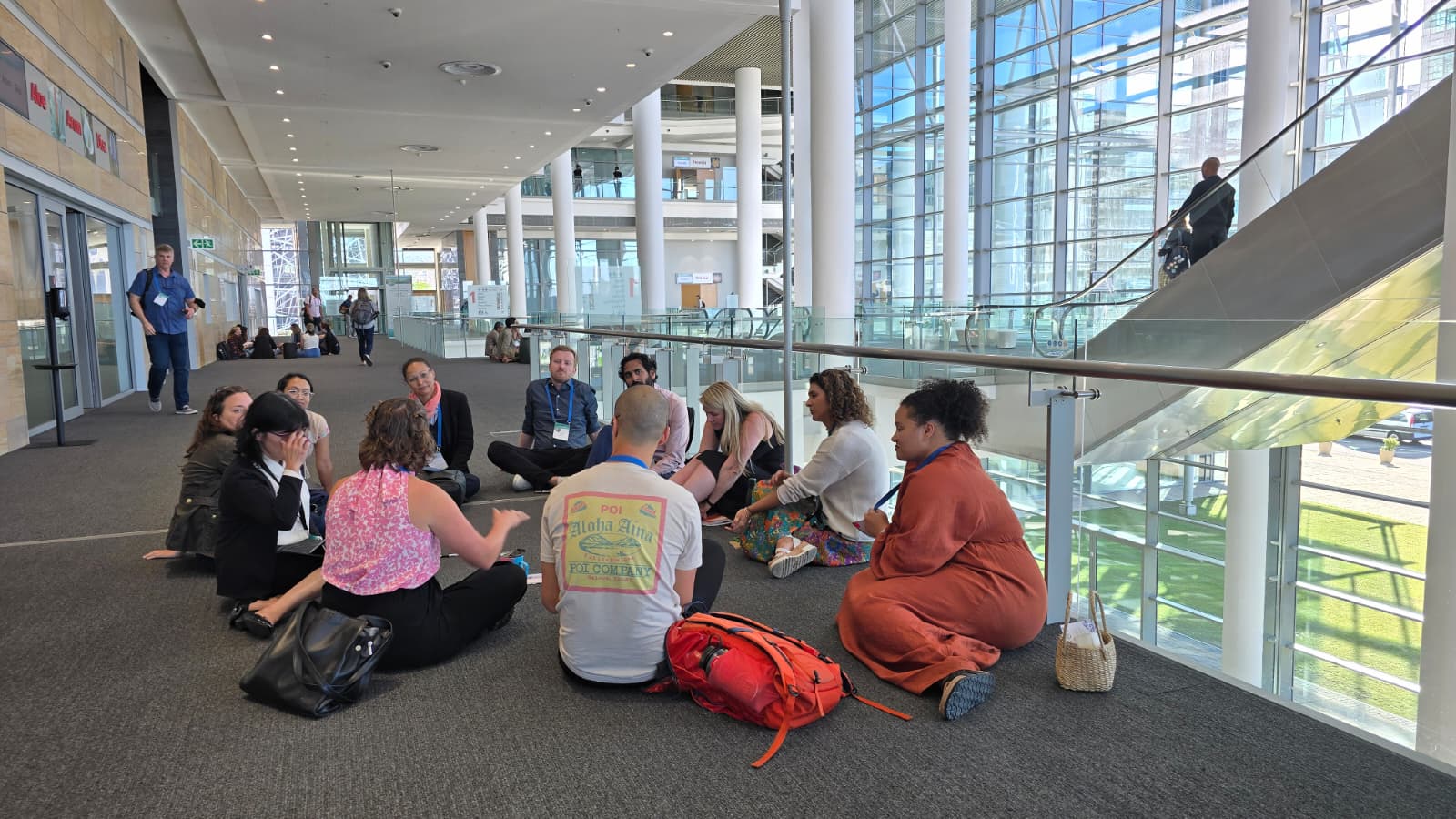
We Asked IMCC7 Attendees What Ocean Conservation Needs. Here’s What They Said.
November 5, 2026
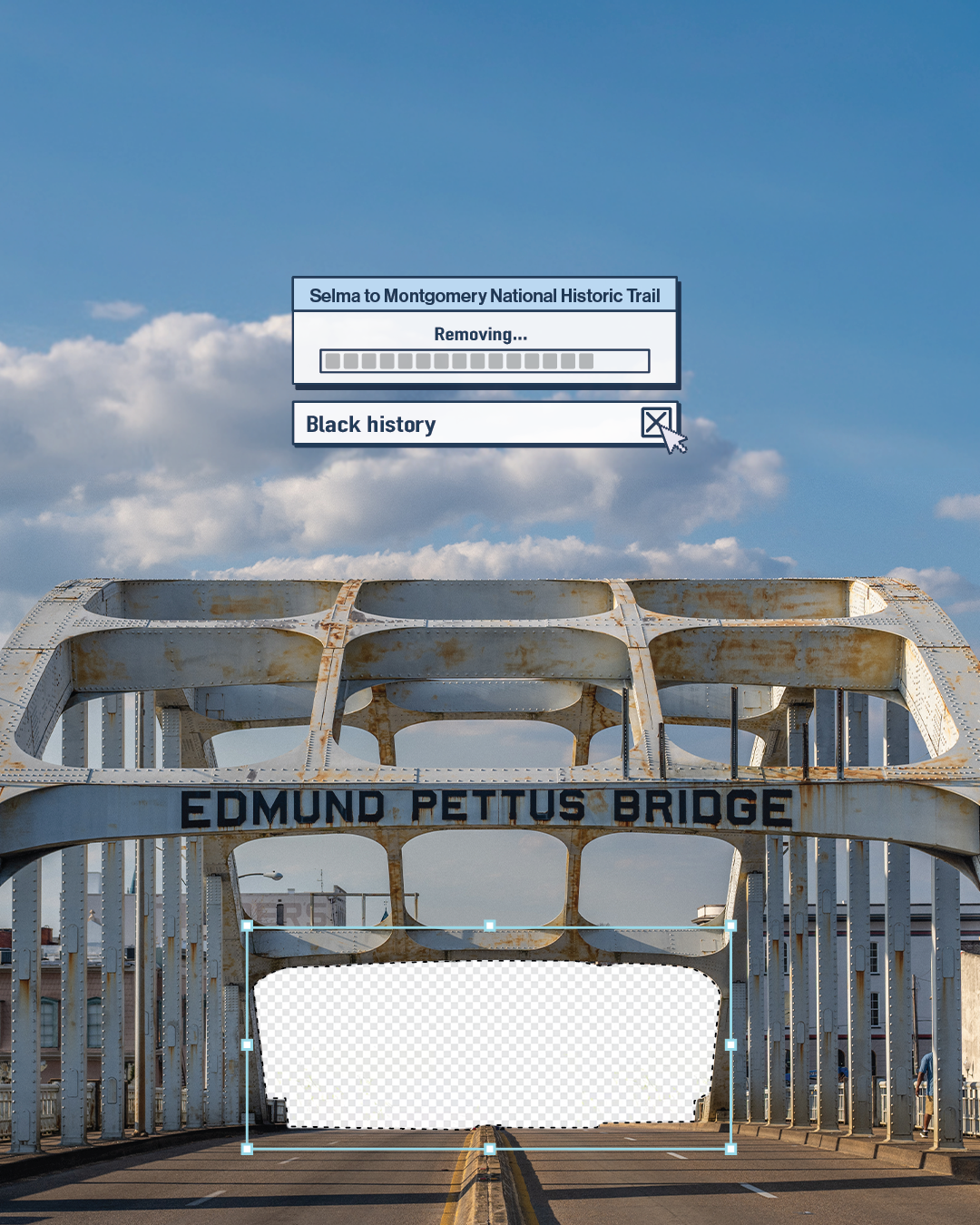
Researching Historical Erasure on Public Lands
July 31, 2026
5 things I learned helping to reassess the global conservation status of every species of tuna and billfish
September 15, 2026
Key takeaways from my Convention on Migratory Species report on fish aggregating devices in the Mediterranean Sea
September 3, 2026
Jabberwocks and Snallygasters: teaching environmental education with monsters, mayhem, and dice.
August 31, 2026
The conservation impacts of recreational fishing
August 25, 2026

We can’t afford to substitute genuine outreach with social media metrics

Posted on December 7, 2016 By Michelle Jewell
Uncategorized

If you plan to give up one thing in 2017, make it the social media trap that so many NPOs/NGOs/individuals have fallen into.  We need more organizations and individuals talking about what they are doing in the real world and less that just talk.  We going to need that now more than ever.

Read More “We can’t afford to substitute genuine outreach with social media metrics” »
The Organism is Always Right.

Posted on December 6, 2016December 6, 2016 By Andrew Thaler
Science

Like this? Support me on Patreon!

Monday Morning Salvage: December 5, 2016

Posted on December 5, 2016December 4, 2016 By Andrew Thaler
Weekly Salvage

Flotsam (what we’re obsessed with right now)

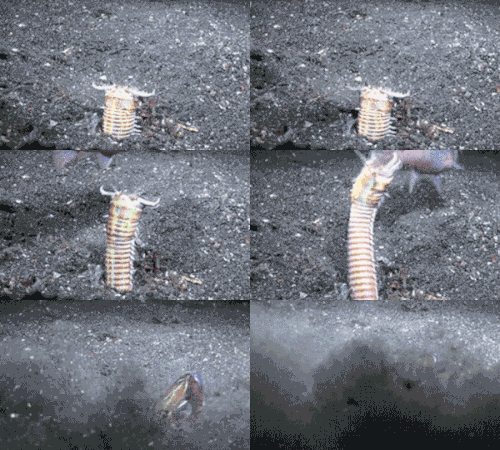
  • Bobbit Worms (terrible name, amazing polychaete). This video of a fisherman catching bobbit worms for bait is just a little bit unnerving.bobbit
  • Chris Mah did some deep digging to determine how the Bobbit Worm got its name (spoilers: It’s exactly what you expect).

Read More “Monday Morning Salvage: December 5, 2016” »

Fun Science FRIEDay – Water to Wine? Close, CO2 to Alcohol (ethanol)

Posted on December 2, 2016 By Kersey Sturdivant
Open Science, Science

Science brings us many wonderful things (honestly if you enjoy the benefits of the modern era, go out and hug a scientist). One of humanities age old desires is the ability to convert something invaluable, or a nuisance, into something desirable. The old midas touch if you will. Recently some scientist stumbled onto the process of converting CO2, a primary culprit of anthropogenic climate change, into alcohol… though not the kind you drink, the kind that humanity could use as fuel.

(Photo credit: Getty + Space Images)

Producing fuel from CO2 is huge because it lets us take a nuisance compound, and converts it into a productive one. This was accomplished by scientists at Oak Ridge National Laboratory in Tennessee by using common materials (copper and carbon), but arranging them with nanotechnology. The researchers were attempting to find a series of chemical reactions that could turn CO2 into a useful fuel, such as ethanol. They figured they would go from CO2 to methanol, and then work out the logistics of going from methanol to ethanol, when they realized the first step in their process managed to do it all by itself. Science for the win!

Read More “Fun Science FRIEDay – Water to Wine? Close, CO2 to Alcohol (ethanol)” »

Thursday Afternoon Dredging: December 1, 2016

Posted on December 1, 2016December 1, 2016 By David Shiffman
Uncategorized

Cuttings (short and sweet):

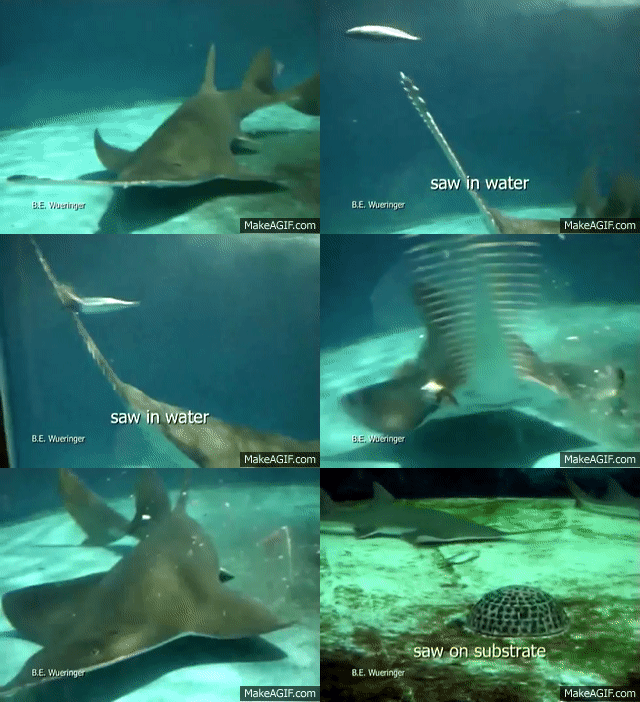
  •  How a sawfish uses its saw, from this paper by Wueringer and friends.

How a sawfish uses its saw, from Wueringer and friends (2012), the function of the sawfish saw, Current Biology

  • Follow Kim Bassos-Hull @MsHullRay , a spotted eagle ray researcher at Mote Marine Laboratory, on twitter! Follow her for news (and awesome pictures) of her spotted study subjects.
  • A call for more scientists and engineers to run for public office (by Sheril Kirshenbaum). Would you consider running for public office?

Read More “Thursday Afternoon Dredging: December 1, 2016” »

Do you see the deep sea?

Posted on November 29, 2016November 27, 2016 By Andrew Thaler
Science

Like this? Support me on Patreon!

Monday Morning Salvage: November 28, 2016

Posted on November 28, 2016November 28, 2016 By Andrew Thaler
Weekly Salvage

Flotsam (what we’re obsessed with right now)

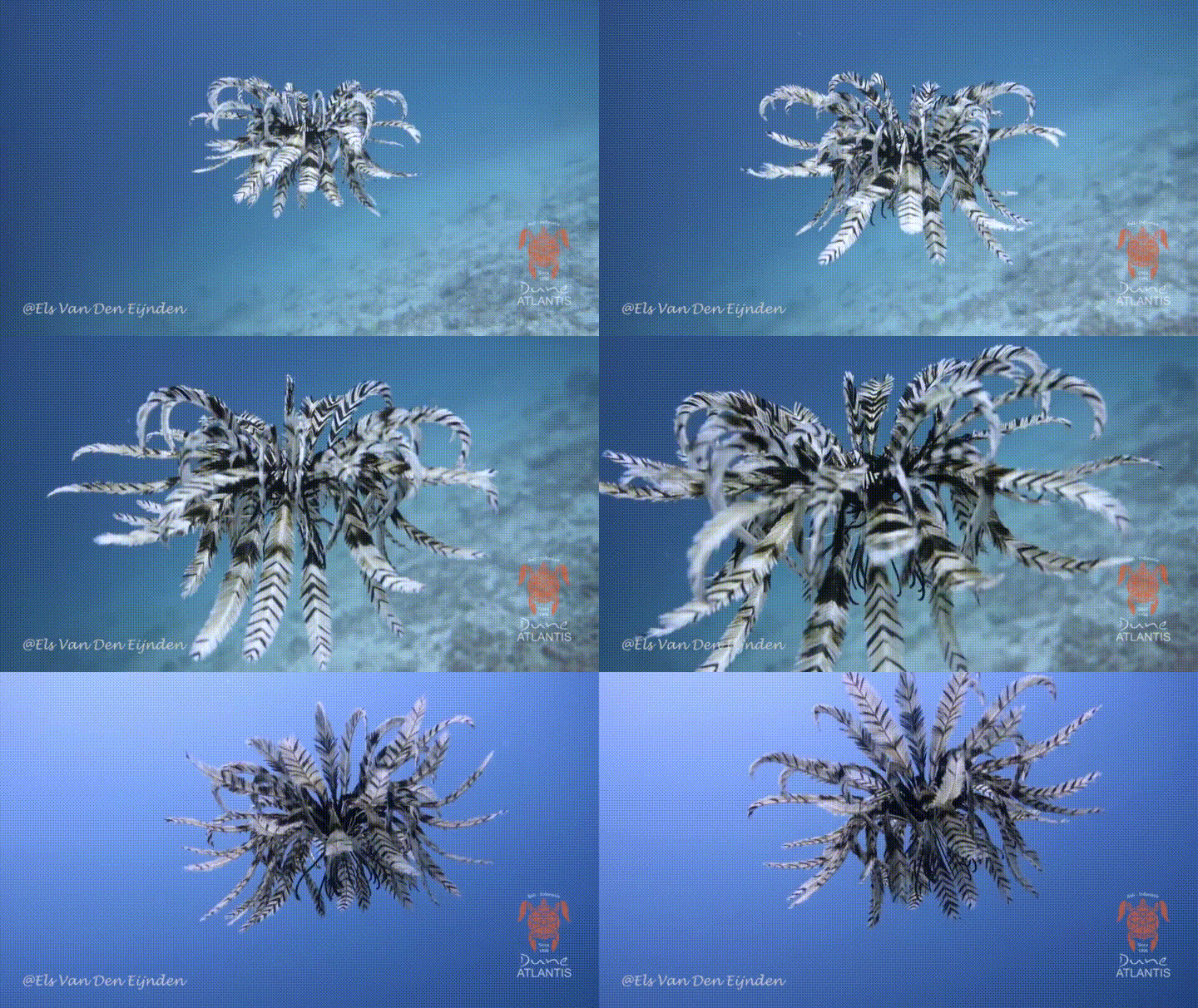
  • This GIF of a swimming crinoid: crinoid
  • The original video by Els Van Den Eijnden can be found here: Dive in Bali by Els Van Den Eijnden

Read More “Monday Morning Salvage: November 28, 2016” »

Now, More Than Ever, America Needs an Ambassador for the Deep Sea.

Posted on November 25, 2016 By Andrew Thaler
Conservation, Education

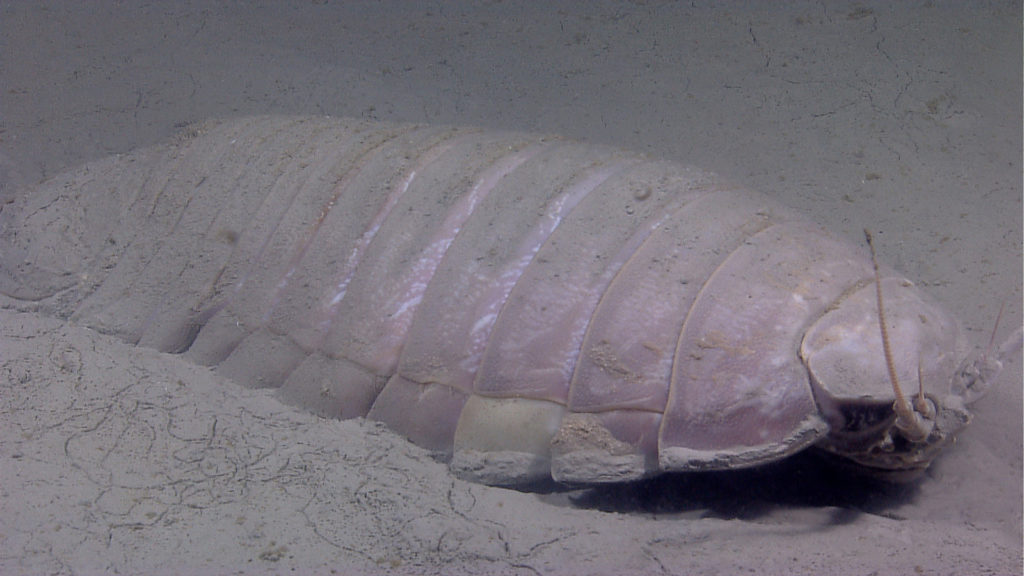
That ambassador is Bathynomus giganteus, the giant, deep-sea isopod.

A giant deep sea isopod on the sea floor. Photo via NOAA Photobank.

Conservation has long had the concept of Flagship Species—popular, charismatic species that serve as rallying points for conservation awareness and action. Formalized within the framework of conservation marketing, flagship species are focused around particular goals and audiences. Think of the WWF’s Giant Panda, Polar Bears and a thousand different arctic or climate change campaigns, or even the American Bald Eagle, whose decline galvanized the country into action. These animals are iconic. They connect people to species and ecosystems in crisis. They are Flagship Species.

The Giant Deep-sea Isopod is not a flagship species. The Giant Deep-sea Isopod addresses a much more fundamental issue: despite being the largest, most diverse ecosystem on the planet, most people have no direct connection, no frame of reference, for the deep sea.

Read More “Now, More Than Ever, America Needs an Ambassador for the Deep Sea.” »

Secrets of the Deep Sea

Posted on November 22, 2016 By Andrew Thaler
Science

Protecting the freshwater riches of the Southeastern US

Posted on November 16, 2016 By Guest Writer
Uncategorized

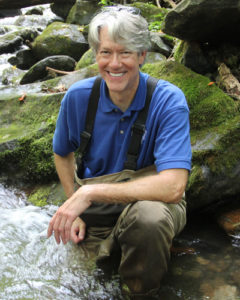
bernie-kuhajdaDr. Bernie Kuhajda joined the Tennessee Aquarium Conservation Institute staff in May 2012 after 25 years at the University of Alabama, where he managed a museum collection of one million specimens of preserved fishes from all around the world. Though his studies of fishes and other aquatic organisms have taken him around the United States, Mexico, and Central Asia, his particular expertise is surveying and monitoring threatened and endangered species from aquatic systems in the Southeast, in part to help evaluate the effectiveness of conservation programs. He currently teaches weekend courses at the University of Alabama Gadsden Campus and on the main campus in Tuscaloosa every summer. He serves on multiple USFWS Recovery Teams/Groups for endangered and threatened species.

Imagine possessing untold wealth but lacking the means to keep it safe. That is the broad-strokes reality faced by those of us who work to protect the Southeast’s rich aquatic biodiversity.

Our waterways are home to an incredible natural profusion, one that is unrivaled in the temperate world. More than 1,400 aquatic species reside in waterways within a 500-mile radius of the Tennessee Aquarium’s home in Chattanooga, including about three-quarters (73.1 percent) of all native fish species in the United States. More than 90 percent of all American mussels and crayfish species live within that same area, as do 80 percent of North America’s salamander species and half of its turtle species.

Read More “Protecting the freshwater riches of the Southeastern US” »

Posts pagination

Previous 1 … 73 74 75 … 277 Next

Popular Posts

Getting a sense of porpoiseJanuary 20, 2009Andrew Thaler
This is the worst academic presentation in the world ... tributeApril 23, 2015Chris Parsons
That's not a blobfish: Deep Sea Social Media is Flooded by AI SlopThat's not a blobfish: Deep Sea Social Media is Flooded by AI SlopDecember 19, 2025Andrew Thaler
Have we found the city of Atlantis?Have we found the city of Atlantis?September 1, 2026Chris Parsons
What Ocean Ramsey does is not shark science or conservation: some brief thoughts on "the Shark Whisperer" documentaryWhat Ocean Ramsey does is not shark science or conservation: some brief thoughts on "the Shark Whisperer" documentaryJuly 2, 2025David Shiffman
The 45 most influential female ecologists alive today according to twitterThe 45 most influential female ecologists alive today according to twitterFebruary 10, 2014Guest Writer
Ethical Debate: Killing sharks for science?Ethical Debate: Killing sharks for science?June 1, 2010David Shiffman
What is a Sand Shark?What is a Sand Shark?November 12, 2017Chuck Bangley
Our favorite sea monsters – Ningen (#4)Our favorite sea monsters – Ningen (#4)September 7, 2010Andrew Thaler
No, harassing a shark for fun is not ethically equivalent to scientific research that helps conserve a speciesNo, harassing a shark for fun is not ethically equivalent to scientific research that helps conserve a speciesMarch 26, 2014David Shiffman

squishy

Subscribe to our RSS Feed for updates whenever new articles are published.

We recommend Feedly for RSS management. It's like Google Reader, except it still exists.

Southern Fried Science

  • Home
  • About SFS
  • Authors
  • Support SFS


If you enjoy Southern Fried Science, consider contributing to our Patreon campaign.

Copyright © 2026 Southern Fried Science.

Theme: Oceanly Premium by ScriptsTown