Update: Both the University of Washington and the Proceedings of the National Academy of Sciences have reviewed Greenpeace’s claims and concluded that Hilborn did not violate their disclosure policy.
First, some background:
- Fisheries Scientist Under Fire For Undisclosed Seafood Industry Funding
- Ray Hilborn: Overfishing Denier
- Hilborn’s Response to Greenpeace
Or, just read Trevor Branch’s timeline.
1. The idea that scientists should declare every source of funding over the history of their career on every scientific paper is impractical and wholly unnecessary in a connected world where anyone can effortlessly access a researcher’s CV. Non-profit NGOs only need to file one financial disclosure statement every year, not attach it to every press release, and that is also perfectly adequate.
2. Transparency in funding is important. Claiming that a researcher is failing to disclose funding information when that information clearly is available and accessible erodes public trust in science and makes everyone’s job harder. Greenpeace didn’t send a team of stealth lawyers on an o’dark thirty raid of the UW mainframe, they asked for the information and were given it.
Read More “Six thoughts about Greenpeace’s attack on Ray Hilborn.” »
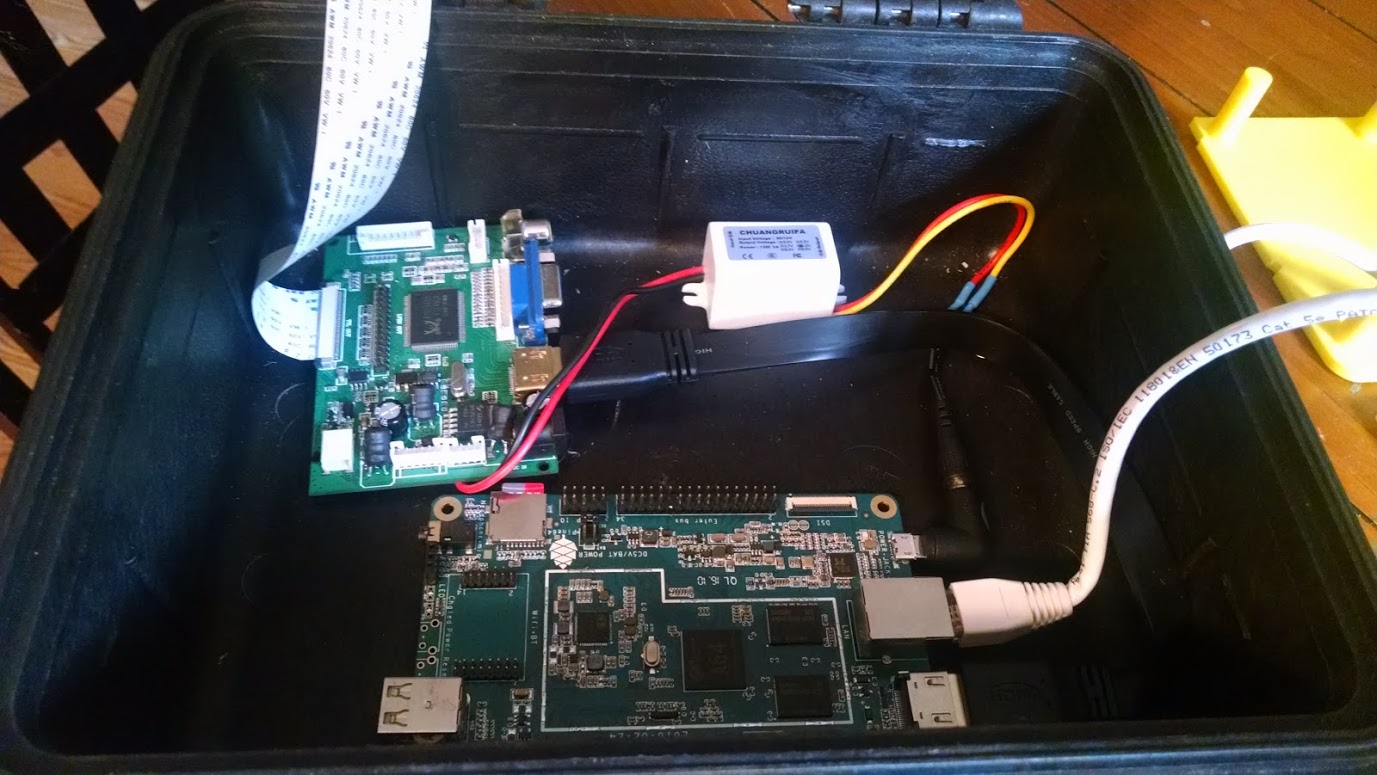



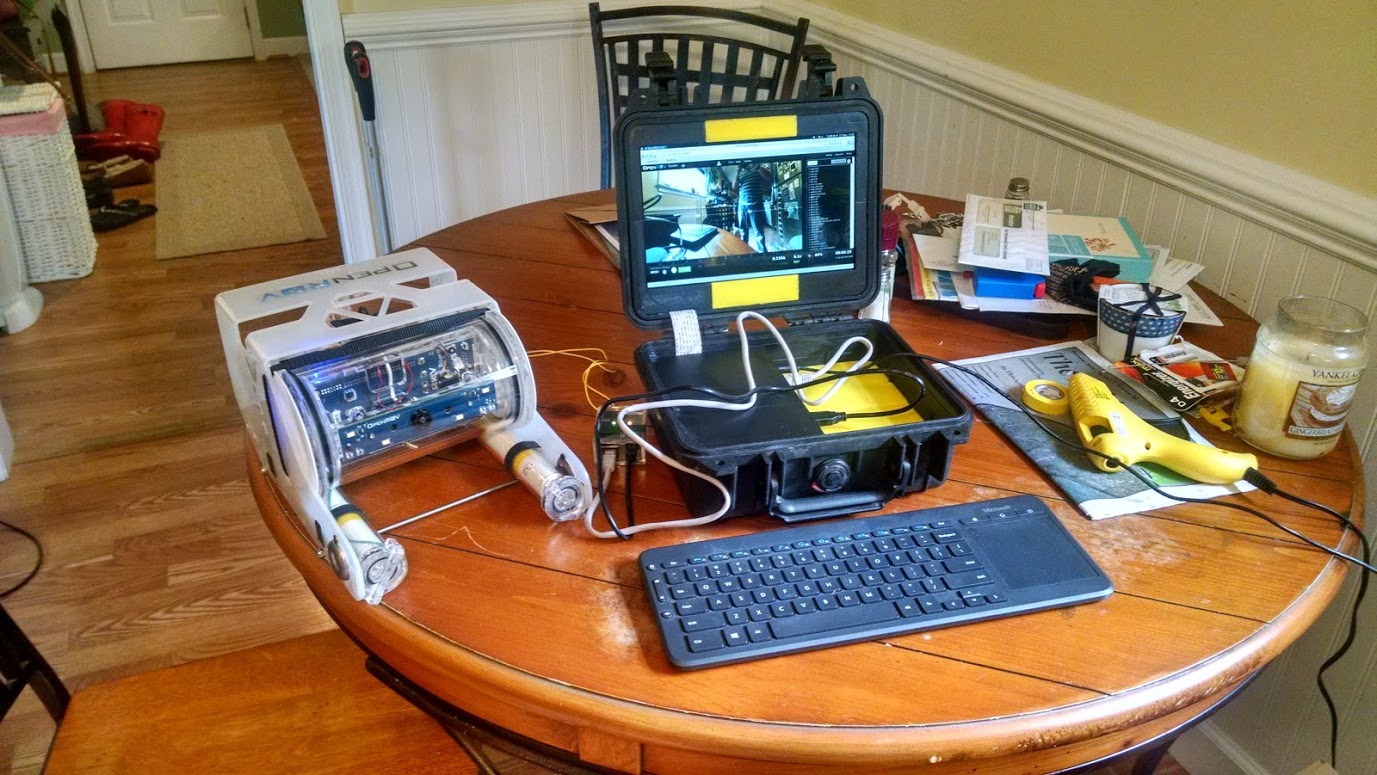
 Joey Maier is a biology professor at Polk State College where he uses every possible opportunity to encourage his students to spend time in the water, play with technology, and do #CitizenScience. As an undergraduate, he did a stint as an intern for Mark Xitco and John Gory during their dolphin language experiments. He then spent the years of his M.Sc. at the University of Oklahoma thawing out and playing with bits of decaying dolphin. After discovering that computers lack that rotten-blubber smell, Joey became a UNIX sysadmin and later a CISSP security analyst.