Skip to content

Southern Fried Science

Over 15 years of ocean science and conservation online

  • Home
  • About SFS
  • Authors
  • Support SFS

Recent Posts

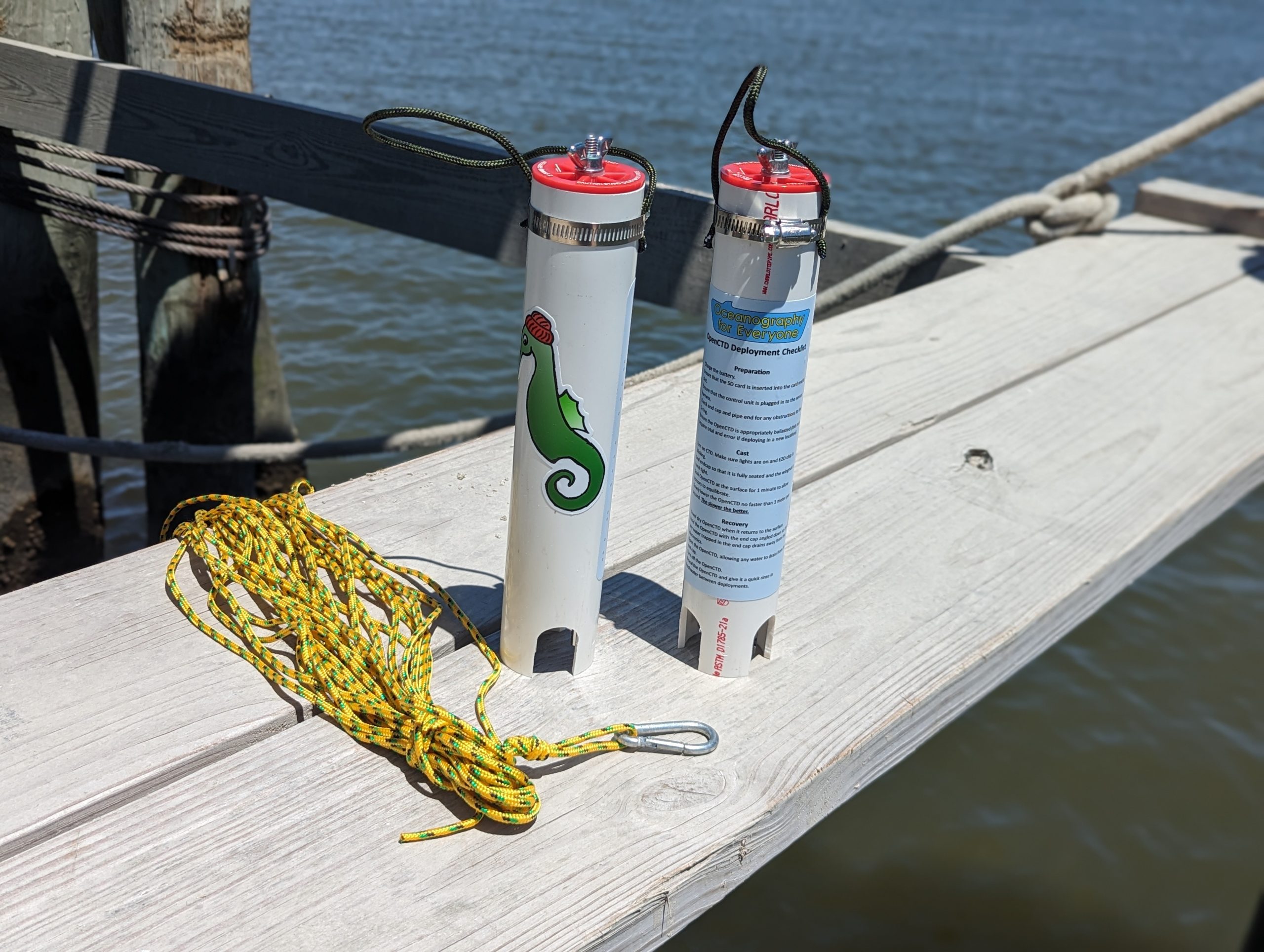
The next OpenCTD is here!
June 22, 2026
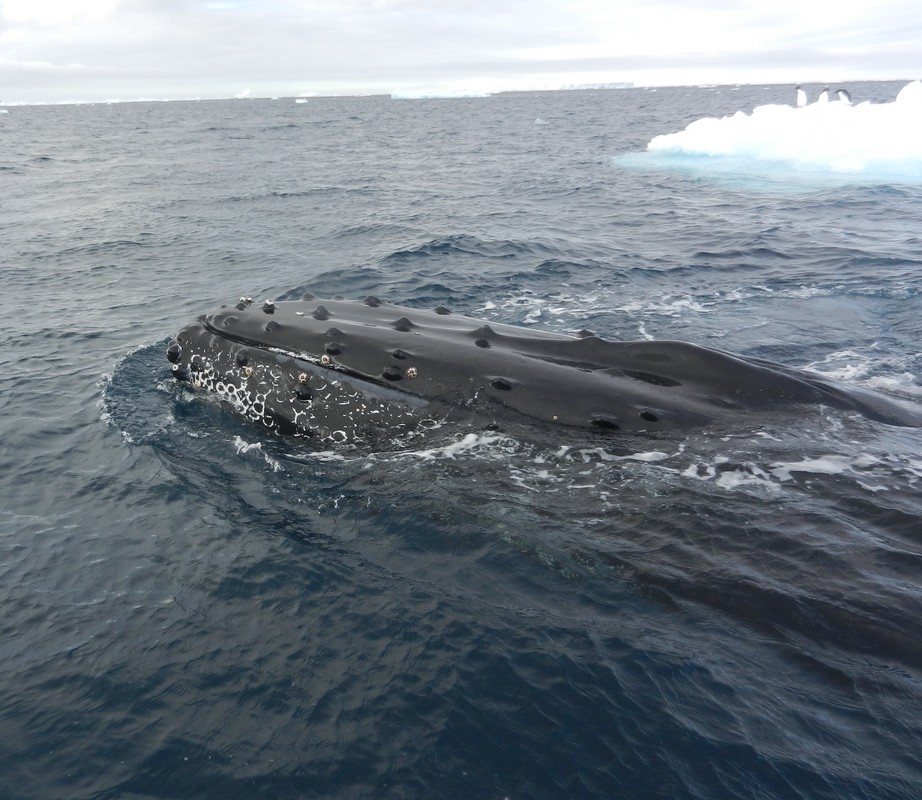
humpback whale in Antarctica
The evolution of the International Whaling Commission – from  whaling quotas to whale conservation
June 10, 2026
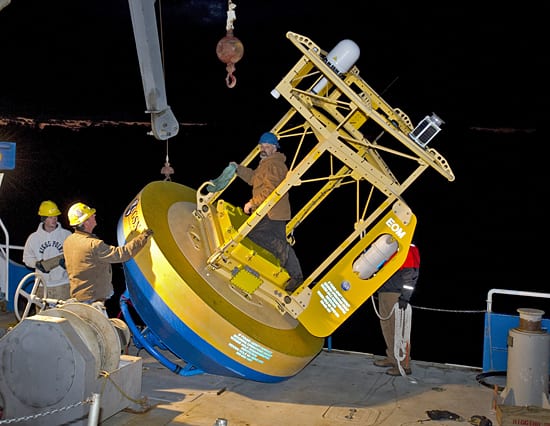
Isn’t ironic, don’t you think: dismantling the Ocean Observatories Initiative on World Oceans Day
June 9, 2026
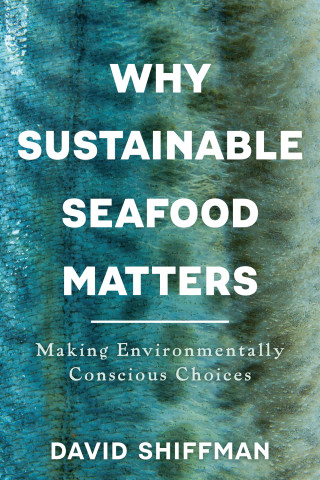
“Why Sustainable Seafood Matters” is now available for preorder! Here’s what it’s about, and why I decided to write it.
June 8, 2026
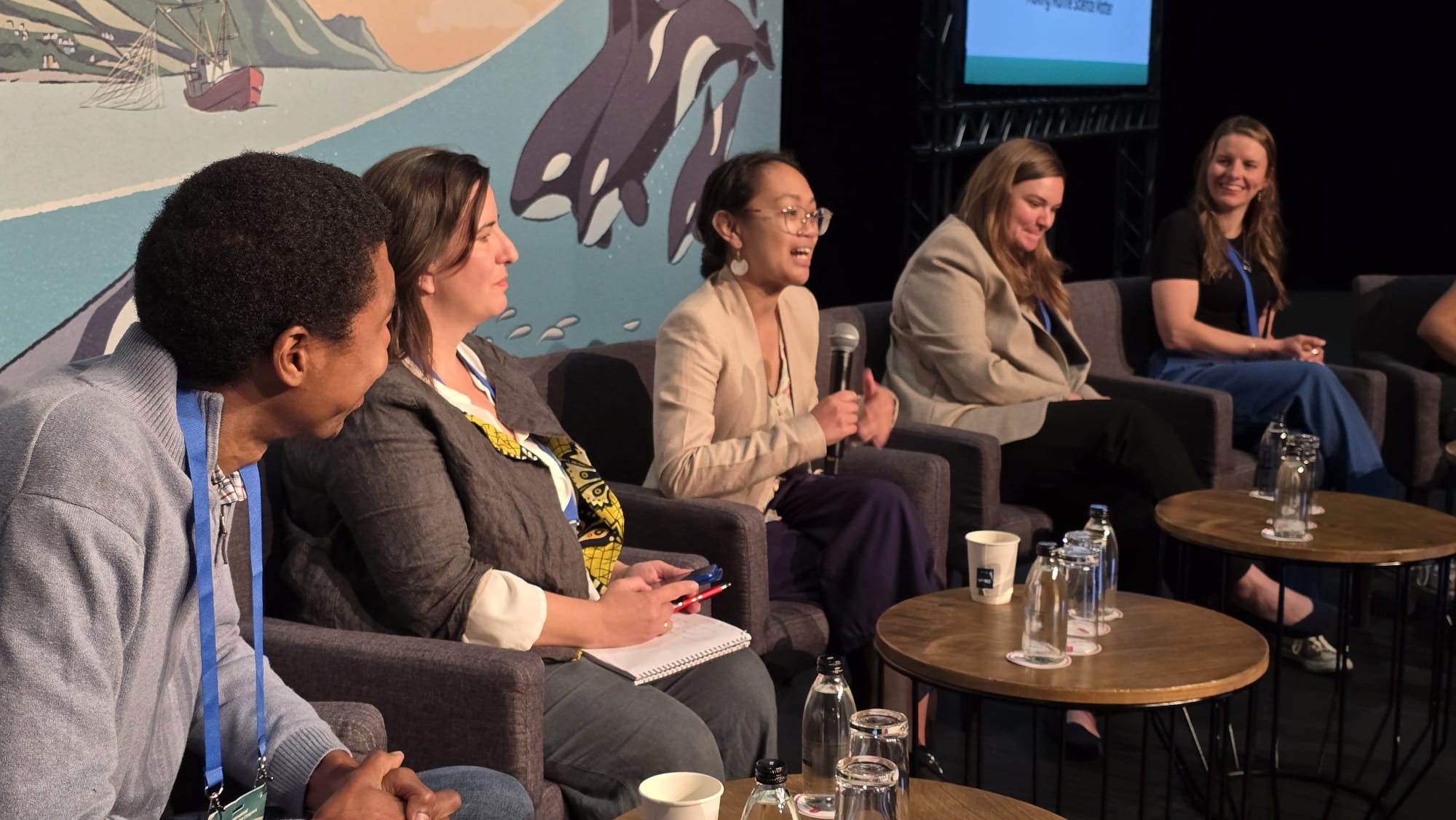
Here’s how to join my IMCC8 symposium, “Ocean Science Communication: What’s New and What’s Next?”
April 22, 2026
Deep Sea Mining Symposium Announcement
April 21, 2026

To dyke, or not to dyke: A debate coming to a town near you

Posted on January 23, 2015 By Michelle Jewell
#DrownYourTown, Conservation

Finally, President Obama’s state of the union called out Congress’s problem with climate change. Their denial is merely a symptom of overall scientific ignorance, a simply medieval issue that has temporarily stalled many great nations’ progress throughout history. Yet, President Obama’s points about climate change and it’s relevance to the nation gives one hope that there is a small smoldering ember of collaborative-driven leadership buried under piles of Benghazi reports, and it couldn’t come a moment too soon. The USA has stalled its scientific and technological growth at a key time in global history and is already generations behind the modern world in technological advancements to protect its people against a rising threat – the ocean.

Let me present you with a case study. I live in Zeeland in the Netherlands, and this area is protected by the world-famous Oosterschelde surge barrier; a 9km system of dams, movable concrete slabs, and artificial islands.  The Oosterschelde is one of many ocean barriers strategically placed along the Dutch coast and has been deemed one of the Seven Wonders of the Modern World by the American Society of Civil Engineers.  During storm events, the Oosterschelde’s massive concrete slabs shut and cut off Zeeland’s waterways from the surge of the North Sea.

By Nils van der Burg from Madrid, Spain (IMG_7446) [CC BY-SA 2.0 (http://creativecommons.org/licenses/by-sa/2.0)], via Wikimedia Commons
The Oosterschelde Delta Works – 9km long: By Nils van der Burg from Madrid, Spain (IMG_7446) [CC BY-SA 2.0 (http://creativecommons.org/licenses/by-sa/2.0)], via Wikimedia Commons

Read More “To dyke, or not to dyke: A debate coming to a town near you” »
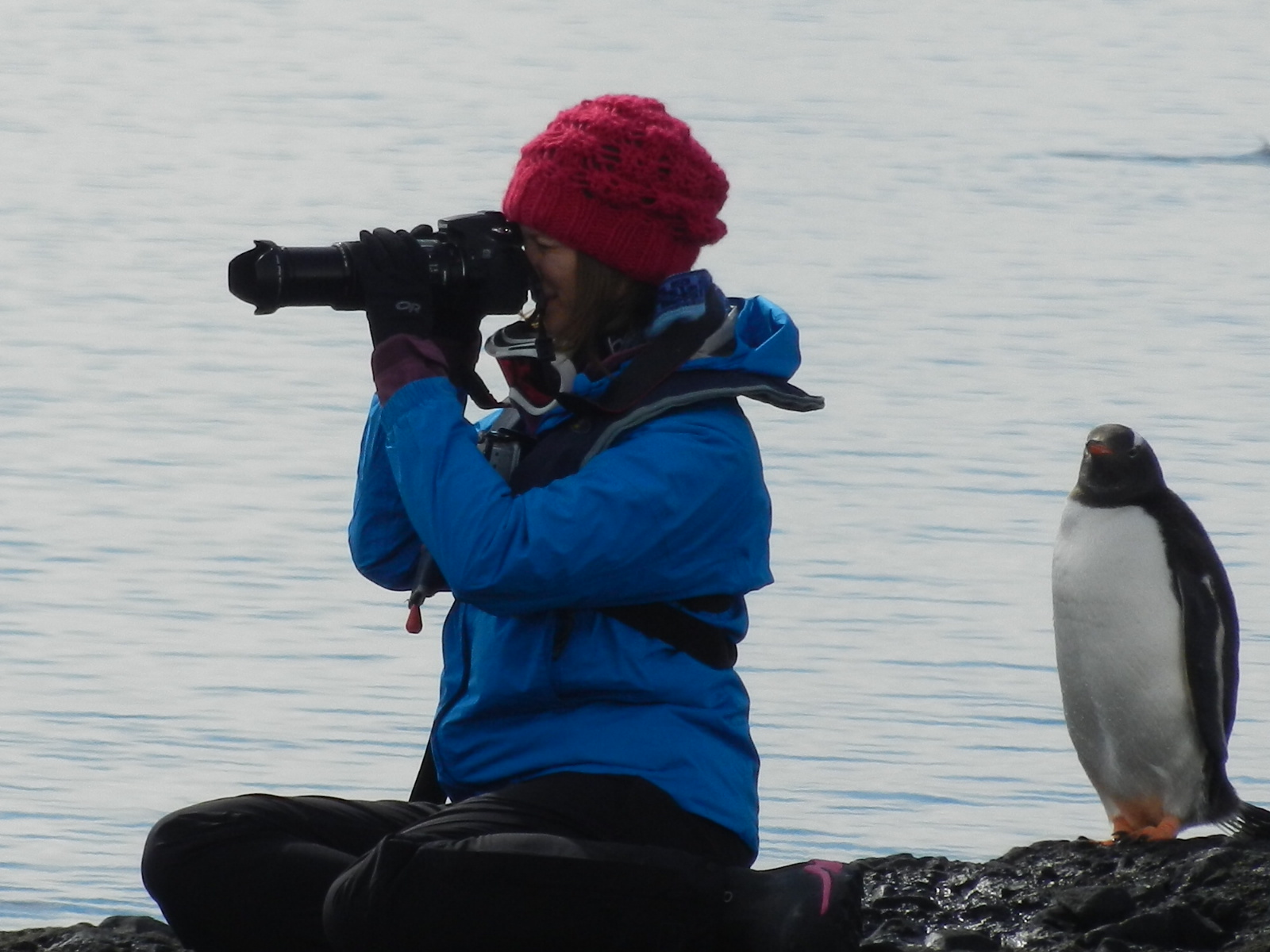
Unhappy feet – why we need more than a day of penguin awareness

Posted on January 22, 2015February 13, 2015 By Chris Parsons 1 Comment on Unhappy feet – why we need more than a day of penguin awareness
Conservation, Science

A couple of days ago (20th January) was penguin awareness day1. But do we really need to be more aware of penguins?  Well, actually yes.

RSCN8435

 Photo by Chris Parsons

 We conducted a study a couple of years ago  (pdf also available) to look at public awareness of penguins (using university students as a sample) and found that nearly half (43%) of those questioned though that  penguins were protected under the US Endangered Species Act (ESA) and were thus listed as  “endangered.” At the time only one penguin was listed on the ESA (the Galapagos penguin, Spheniscus mendiculus). The IUCN currently classifies five species of penguin as “endangered” 2 and six as “vulnerable” 3. The biggest threat to penguins generally is, unsurprisingly, climate change. The chicks of Magellanic penguins (S. magellanicus) in Argentina have experienced increasing mortality because of increasing numbers and severity of storms, and will continue to experience mortality as these further increase, in addition to additional mortality  from increasing rainfall and temperatures. Changing patterns of sea ice cover are impacting Adelie penguin (Pygoscelis adeliae) foraging at Ross Island, Antarctica. In various locations in the Antarctic Penninsula in particular, Adelie colonies are expected to be impacted by warming temperatures and changes in sea ice with perhaps as many as 75% of colonies decreasing or declining. Although in some locales, melting ice has increased potential Adelie habitat.  Chinstrap colonies have been reported to be in decline as well, despite this being a more open water species, that was previously being thought of as potential benefactors from melting sea ice – penguin nest occupation on Deception Island declined by more than third between 2002/2003 and 2009/10. These chinstrap penguins are likely being impacted by declining krill stocks, as will their  Adelie penguin cousins, in addition to ice loss which so affects this latter species. Overall, across the Antarctic Pennisula, there has been a decline in both Adelie and chinstrap penguin numbers.

Read More “Unhappy feet – why we need more than a day of penguin awareness” »

Many scientists, conservationists and fishermen support our trophy fishing paper recommendations

Posted on January 21, 2015January 21, 2015 By David Shiffman
Science

Last month, a team of marine scientists (which included Andrew and I) published a paper pointing out that intentionally killing the largest and most fecund members of IUCN Red List Threatened species is not a good thing and could be easily stopped (by stopping record awards entirely for these species or moving to a catch and release model)

Our recommendations were not universally supported by scientists, and we received criticism from respected colleagues largely in the form of “this isn’t a particularly big problem, no serious people care about it.” There was also an official response from the IGFA to this effect, which we issued an official response to. Sure. It isn’t the biggest problem in the world, but it is a problem. And you’d be hard-pressed to find a conservation problem that’s easier to solve.

A petition created by the Blue Planet Society based on our recommendations has, as of this writing, surpassed 6,000 signatures from all over the world, including many from scientists, fisherman and professional conservation activists. The paper has also been widely discussed on social media

Presented here are some quotes from scientists, fishermen and conservationists supporting our recommendations. While this support does not inherently mean that the issues we raise are important, it certainly shows that lots of serious people care about it.

Read More “Many scientists, conservationists and fishermen support our trophy fishing paper recommendations” »

Beyond Ivory

Posted on January 21, 2015January 21, 2015 By Guest Writer 1 Comment on Beyond Ivory
Conservation

Dr. Andrew Wright is a British marine biologist that has been working on the science-policy boundary around the world for over a decade. His experiences have led him to champion a better communication of science to policy makers and the lay public. His research has included a population viability analysis for the vaquita, sperm whales bioacoustics and the impacts of noise on various marine mammals. Andrew is currently working on several projects, most relating to investigating either sleeping behaviour or chronic stress in wild cetaceans. He is also spearheading efforts to bring more marketing techniques into conservation outreach.

Dr. Naomi Rose is the marine mammal scientist for the Animal Welfare Institute (AWI). She handles AWI campaigns to protect wild and captive marine mammals and is a member of the International Whaling Commission’s Scientific Committee. She has published popular and scientific articles, authored book chapters, and lectures annually at several universities. She participates in workshops and task forces at the international, national and state level.

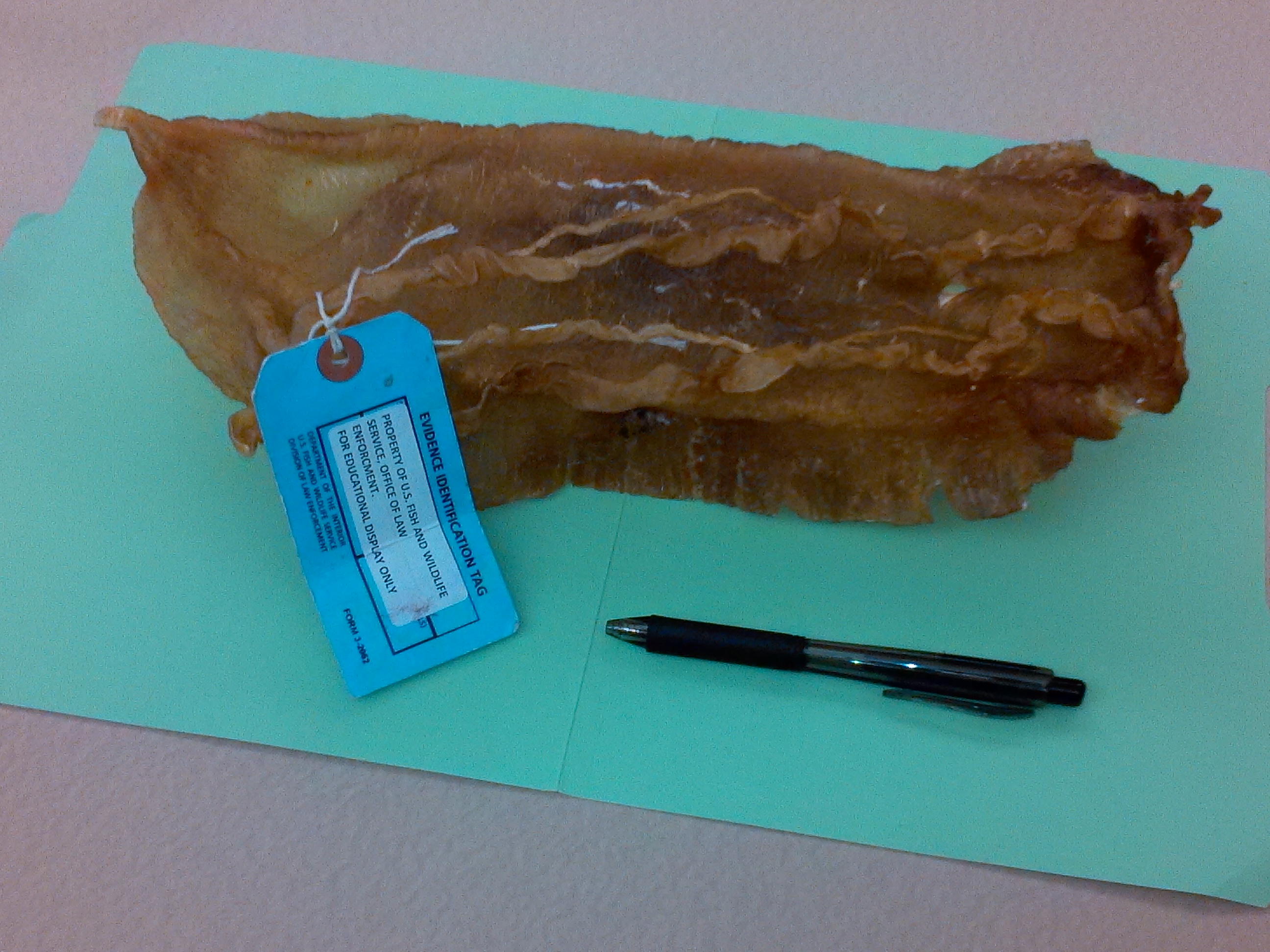
credit needed
Photo by Andrew Wright.

What you are looking at is not a prop from a science fiction movie, but a very earthly (or more accurately marine) wildlife organ that is causing Mexico quite a bit of trouble. It’s the swim bladder of the totoaba fish. Unrelated to bladders with which people are more familiar, it is a collagen-rich organ that the fish fills with air in order to remain buoyant in the water column and save energy when swimming. It is, quite literally, a bag of hot air. This one is dried and ready for shipping – it is prized as a delicacy in China, where it is believed to rejuvenate skin and (of course) act as an aphrodisiac.

Read More “Beyond Ivory” »

Sizing Sizing Ocean Giants: Patterns of #scicomm outreach in a marine megapaper

Posted on January 20, 2015February 9, 2021 By Andrew Thaler 2 Comments on Sizing Sizing Ocean Giants: Patterns of #scicomm outreach in a marine megapaper
Blogging, Conservation, Science

Last week, Craig McClain and many friends published Sizing Ocean Giants: patterns of intraspecific size variation in marine megafauna, a research paper that would better be described as a monograph. The response to the paper has been overwhelming.

Since it’s publication last Tuesday, Sizing Ocean Giants has been viewed almost 44,000 times by 38,000 people and downloaded 1200 times. If this seems like a lot for what is essentially a natural history monograph, you are correct. According to Altmetric, a service that measures the non-citation impact of scientific papers, Sizing Ocean Giants is the most discussed and shared article in the history of PeerJ. With a score of 546 (most papers average a score of 5, PeerJ papers average about 20), our paper has climbed into the 99th percentile of all articles ever tracked.

We’ve been covered in the Washington Post, Newsweek, National Geographic, and Scientific American, as well as numerous non-English media outlets from Mexico to Greece. Opa!  We’ve seen a small attention spike on twitter and tons of shares (almost 12,000) via Facebook.

So how do we account for the huge success of this massive paper?

Read More “Sizing Sizing Ocean Giants: Patterns of #scicomm outreach in a marine megapaper” »

The dangers of excessive self-citation

Posted on January 18, 2015January 22, 2015 By Chris Parsons 2 Comments on The dangers of excessive self-citation
Uncategorized

Warning: This blog contains themes of a professional ethical nature that some readers may find offensive. Intended for a mature academic audience only.

As I was spending a lazy Sunday morning, tucked up in bed fiddling with my iPad, a perky little blog came across my Twitter feed (read it here). Some rather sad data were contained within: approximately 82% of journal articles in the humanities don’t get cited (within the first five years of publication anyway) and just over a quarter (27%) of natural science articles don’t get cited either. I was actually surprised that the percentage of non-cited paper was that low, until I read down the article and noticed that the analysis didn’t include self-citations. Scientists, especially marine biologists, are particularly bad at excessively self-citing, or as I like to call it, #citurbation.

Self-citations are the guilty secret of science researchers. Let’s face it, we’ve all done it at some time. Now I’m as guilty as the next scientist – late one Friday night I’m still working and on the computer screen in front of me I have a half-done editorial and, guiltily,  I slip in a self-citation. Or in the final throes of a massive multi-authored monograph, I toss in a self-citation from left field. But why is it that marine biologists so often self-cite? Is it because of lack of attention? Biomedical articles rarely go uncited (and their journals typically have much higher impact factors). Is it because marine biology journals tend to have low impact factors and marine articles are spread across so many journals that they don’t get the same prominence (see this previous SFS blog, he says in a blatant example of self-citing)?

Read More “The dangers of excessive self-citation” »

The words we use matter in climate change adaptation

Posted on January 17, 2015January 17, 2015 By Bluegrass Blue Crab 6 Comments on The words we use matter in climate change adaptation
Uncategorized

In 2012, North Carolina outlawed climate change, receiving major press as the face of conservative climate policy. The intent of the law was to stop planning processes from basing their decisions on modeled climate change scenarios of the future, which would halt large investments in coastal development. But the letter of the law actually outlawed … Read More “The words we use matter in climate change adaptation” »

Six things I learned about Giant Isopods while Sizing Ocean Giants

Posted on January 13, 2015January 13, 2015 By Andrew Thaler 4 Comments on Six things I learned about Giant Isopods while Sizing Ocean Giants
Science

Today, Craig McClain, along with a massive team of ocean scientists (including me!) published our monumental paper: Sizing ocean giants: patterns of intraspecific size variation in marine megafauna. This massive monograph investigates patterns of size among 25 ocean giants, the biggest, most massive members of their respective taxa. You can probably guess which species I had a hand in reviewing.

httpv://www.youtube.com/watch?v=xtk5t7sSb3s

Along the way, I learned quite a few cool things about the magnificent giants of the deep sea.

1. Giant deep-sea isopods are sexually dimorphic. 

Read More “Six things I learned about Giant Isopods while Sizing Ocean Giants” »

An open letter to new Discovery Channel President Rich Ross from a shark scientist

Posted on January 9, 2015January 9, 2015 By David Shiffman 1 Comment on An open letter to new Discovery Channel President Rich Ross from a shark scientist
Conservation, Popular Culture, Science

Dear Rich Ross, new President of the Discovery Channel,

I was excited to learn about your commitment to no longer show fake documentaries on the Discovery Channel. These shows have been incredibly damaging not only to Discovery’s goals of being the “number one non-fiction media company in the world” by”telling compelling and accurate stories,” but to public understanding of science and conservation. In recent years, the Discovery Channel has tried hard to actively muddle the fact that these documentaries were fake, including hiding vague disclaimers at the very end.  I’ve spoken to hundreds of schoolchildren about sharks, and every time someone asks me about megalodon or mermaids.  Viewers believed that they were real, and your channel actively bragged about the fact that people believed that they were real.

By claiming that megalodon isn’t extinct and mermaids are real but the government is covering this up, these shows resulted in scientists receiving threats and harassment,  and resulted in important government agencies getting so many angry phone calls that they had to issue public statements. Producers for some of these shows intentionally lied to scientists to convince them to appear onscreen, intentionally lied to journalists about the facts behind them,  and intentionally caused a real-life public panic. They actually showed a documentary about a legendary (read as “fake”)  shark called Hitler. In short, I will be glad to see Shark Week and the Discovery Channel return to your roots of fact-based programming.

However, while “we won’t actively lie to viewers anymore” is an important step that I applaud, Shark Week and other Discovery Communications programs have many other problems that should be addressed. Shark Week 2014’s “Zombie Sharks” glorified wildlife harassment for no reason, as the entire stated goal of the show was for a non-scientist with a history of wildlife harassment to try to answer a question that scientists have known the answer to for decades. This problem is not limited to Zombie Sharks, but pervades Discovery Communications shows.

Read More “An open letter to new Discovery Channel President Rich Ross from a shark scientist” »

Snowy Owls and Goliath Groupers: Why I co-authored “Trophy fishing for species threatened with extinction.”

Posted on January 9, 2015January 9, 2015 By Andrew Thaler 2 Comments on Snowy Owls and Goliath Groupers: Why I co-authored “Trophy fishing for species threatened with extinction.”
Blogging, Conservation, Science

In both my professional and private life, I am a man who wears many hats. I am a deep-sea ecologist, a science writer, a goatherd, a geneticist, a conservation advocate, a grill master, and many others. When David asked me to join him in co-authoring “Trophy fishing for species threatened with extinction: A way forward building on a history of conservation” I did so not in my capacity as a marine science Ph.D., but as a recreational fisherman who cares deeply about the survival of his sport. Without fish, there is no fishing.

I was, at first, skeptical, but over the course of a summer, I came to appreciate what David was trying to accomplish.

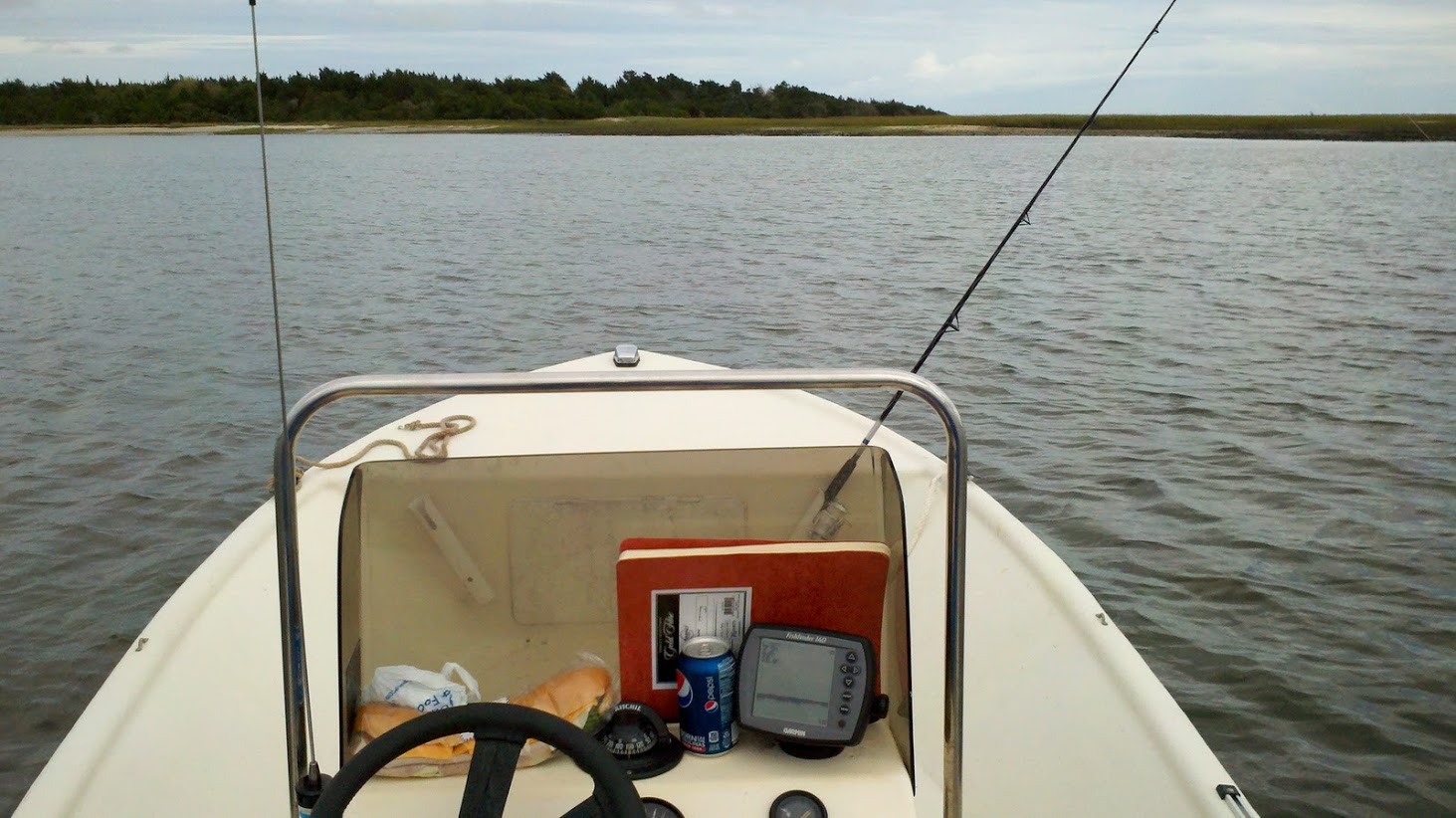
I wrote most of my thesis on this boat, with a rod in the water.

Before I talk about fish, I need to talk about birds. 

Read More “Snowy Owls and Goliath Groupers: Why I co-authored “Trophy fishing for species threatened with extinction.”” »

Posts pagination

Previous 1 … 97 98 99 … 273 Next

Popular Posts

The next OpenCTD is here!The next OpenCTD is here!June 22, 2026Andrew Thaler
What Ocean Ramsey does is not shark science or conservation: some brief thoughts on "the Shark Whisperer" documentaryWhat Ocean Ramsey does is not shark science or conservation: some brief thoughts on "the Shark Whisperer" documentaryJuly 2, 2025David Shiffman
Undermining the Law of the Sea. Some additional thoughts following my OpEd in the Hill.Undermining the Law of the Sea. Some additional thoughts following my OpEd in the Hill.June 22, 2026Andrew Thaler
What is a Sand Shark?What is a Sand Shark?November 12, 2017Chuck Bangley
Ageism in the conservation job marketAgeism in the conservation job marketJune 19, 2026Chris Parsons
The story of the pride flag made from NASA imagery: Bluesky's most-liked imageThe story of the pride flag made from NASA imagery: Bluesky's most-liked imageSeptember 27, 2024David Shiffman
Screaming into the void - Why your scientific paper doesn’t matterScreaming into the void - Why your scientific paper doesn’t matterJune 18, 2026Chris Parsons
That's not a blobfish: Deep Sea Social Media is Flooded by AI SlopThat's not a blobfish: Deep Sea Social Media is Flooded by AI SlopDecember 19, 2025Andrew Thaler
Our favorite sea monsters – Ningen (#4)Our favorite sea monsters – Ningen (#4)September 7, 2010Andrew Thaler
Did monster hunters find a 120 meter long giant squid on google maps?Did monster hunters find a 120 meter long giant squid on google maps?June 17, 2016Andrew Thaler

squishy

Subscribe to our RSS Feed for updates whenever new articles are published.

We recommend Feedly for RSS management. It's like Google Reader, except it still exists.

Southern Fried Science

  • Home
  • About SFS
  • Authors
  • Support SFS


If you enjoy Southern Fried Science, consider contributing to our Patreon campaign.

Copyright © 2026 Southern Fried Science.

Theme: Oceanly Premium by ScriptsTown