Skip to content

Southern Fried Science

Over 15 years of ocean science and conservation online

  • Home
  • About SFS
  • Authors
  • Support SFS

Tag: OpenCTD

Conservation, Technology, and the Future of the Seafloor: My 2023 science year in review.

Posted on January 4, 2024January 4, 2024 By Andrew Thaler
Conservation, Technology, and the Future of the Seafloor: My 2023 science year in review.
Academic life, Science

2023 felt like a year where I was just treading water. I barreled through it so fast that I barely registered everything that we accomplishes (and just how much is left to finish). This was a kludge year for me, with lots of small projects instead of one, big, overarching project. Onwards! Deep-sea Mining remains … Read More “Conservation, Technology, and the Future of the Seafloor: My 2023 science year in review.” »

The OpenCTD: Open-source Oceanography for Everyone

Posted on November 13, 2023January 4, 2024 By Andrew Thaler
The OpenCTD: Open-source Oceanography for Everyone
Featured, Open Science

Below is a transcript and slides from the above talk, delivered at the October 19, 2023 GOSH Community Call. Good afternoon, good evening, and good morning, and thank you for inviting me. Access to the tools of science is rarely equitable, and nowhere is this inequality of access more pronounced than in the ocean sciences, … Read More “The OpenCTD: Open-source Oceanography for Everyone” »

Community Oceanography with low-cost, open-source CTDs

Posted on September 23, 2022 By Andrew Thaler
Oceanography for Everyone

On September 14, 2022, I gave a talk on community oceanography and the OpenCTD for the AtlantOS Ocean Hour “Democratizing ocean observations through low-cost technologies” workshop. Below is the transcript from that talk.
Good morning and thank you for inviting me.
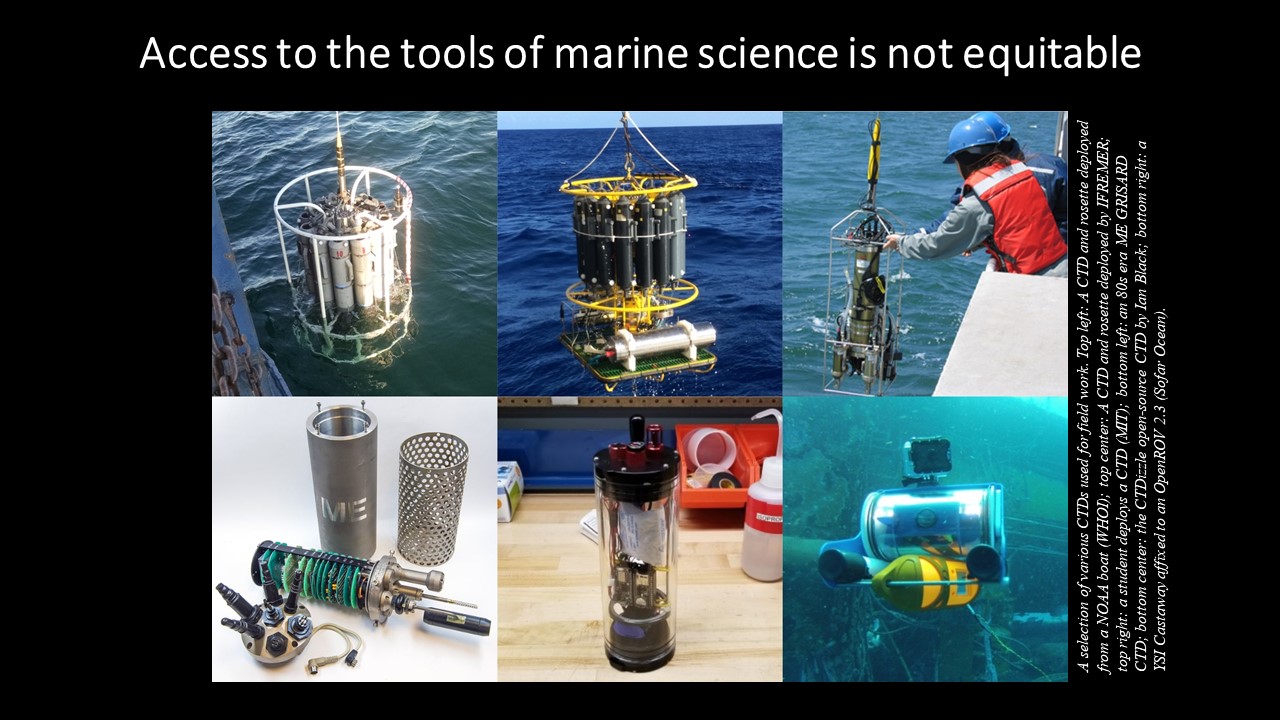
Access to the tools of science is not equitable, and nowhere is this inequality of access more pronounced than in the ocean sciences, where all but a few entities have the capital to mount major oceanographic research campaigns. I come from the world of deep-sea ecology, where budgets can quickly climb into the tens of millions of dollars. But even small-scale coastal research can be stymied by the need for vessels, equipment, and instruments, access to which is often controlled by research institutions.

As the need to understand the dramatic changes happening both at the surface and beneath the waves accelerates, barriers to access that precludes the participation of the full breadth of ocean stakeholders erodes our potential to understand, anticipate, and mitigate those changes.

One of the missions of my post-Academic career has been to make the tools of ocean science more accessible to more people. I believe that the ocean belongs to everyone and that the tools to study the ocean should be available to anyone with the curiosity and motivation to pursue that inquiry.

Chief among those tools is the workhorse of oceanography, the CTD.

Read More “Community Oceanography with low-cost, open-source CTDs” »
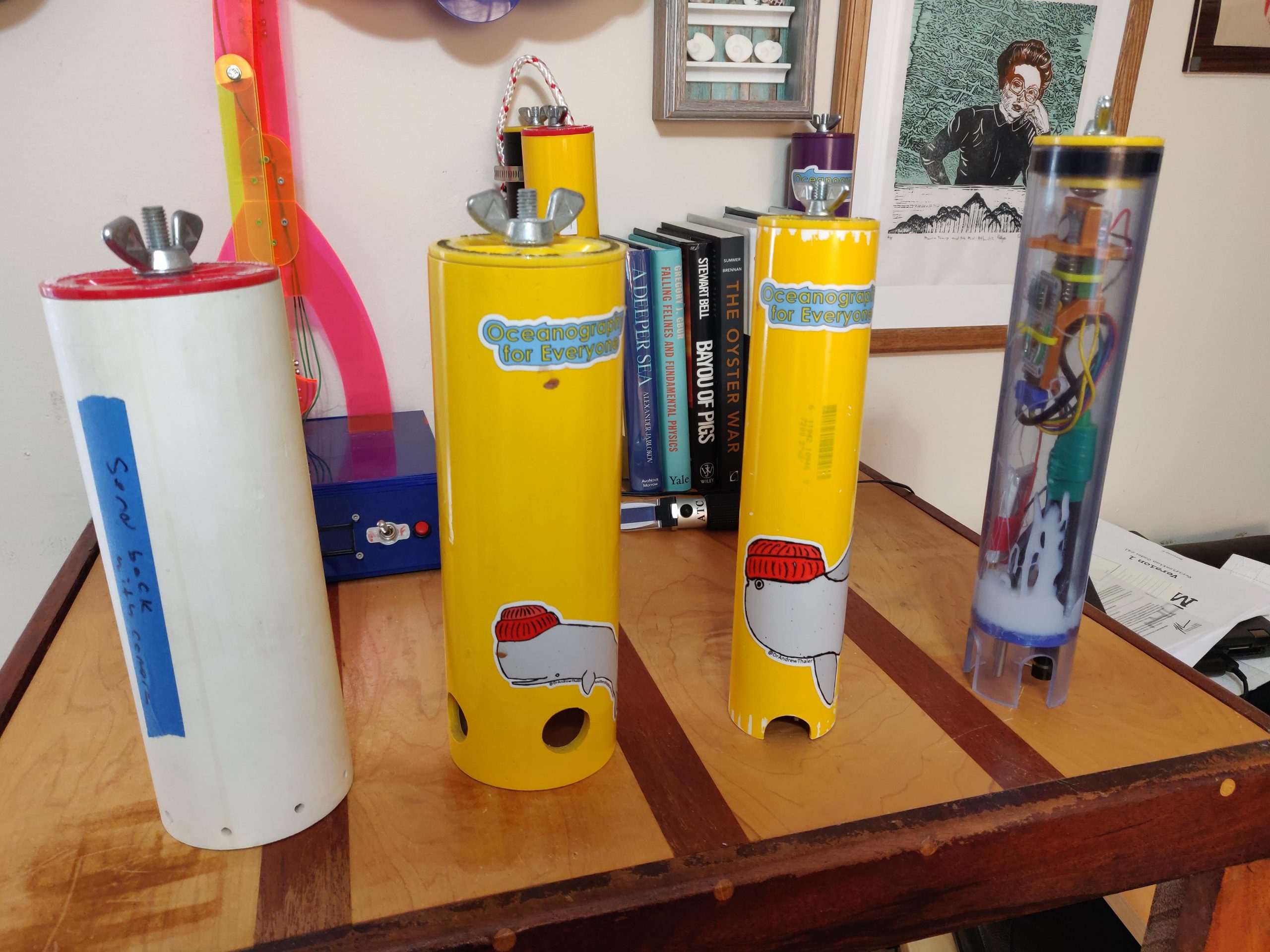
Getting your kids started in conservation technology: a quick guide for parents who have no idea where to begin.

Posted on March 16, 2022 By Andrew Thaler
Getting your kids started in conservation technology: a quick guide for parents who have no idea where to begin.
Education

Southern Fried Science has been a bit dormant for the last year, so first, a re-introduction:

I’m Andrew Thaler, I’m an ocean scientist, and I make weird tech things.

Ten years ago I inherited an old mechanical tide gauge from a lab cleanout. For some bizarre reason, I thought: what if, instead of tracking the rising and falling tides in the Beaufort Inlet, it tracked the waxing and waning of conversations about sea level rise on Twitter. And thus, the Sea Leveler was born. 

Meet Sea Leveler: the open source water level gauge that wants you to talk about #sealevelrise

In a lot of ways, the Sea Leveler was the precursor of things to come. It was exhaustively documented and released as an open-source project on GitHub. It merged the digital with the physical, creating an object that allowed you to connect an online conversation to the real-world environment through repurposed technology. It was weird. And it was fun. 

The Sea Leveler itself was passed on to a good friend and champion of ocean outreach, but its legacy lives on in the plethora of projects to follow: Drown Your Town, Dolphin Vision, the reStepper, Turtle Borg, and, of course, the OpenCTD. 

Read More “Getting your kids started in conservation technology: a quick guide for parents who have no idea where to begin.” »

The next generation of low-cost, open-source oceanographic instruments is here! Meet the OpenCTD rev 2!

Posted on January 7, 2020January 7, 2020 By Andrew Thaler 1 Comment on The next generation of low-cost, open-source oceanographic instruments is here! Meet the OpenCTD rev 2!
Oceanography for Everyone, Open Science, Science
Four generations of OpenCTD. Left to Right: Prototype 2, which went through sea trials in Lake Superior, rev 1, rev 1 in the smaller form factor (this one was deployed in Alaska), and OpenCTD rev 2.

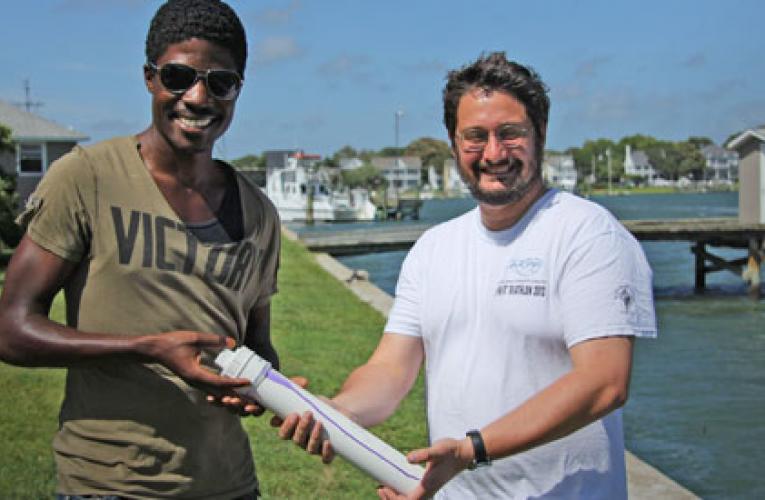
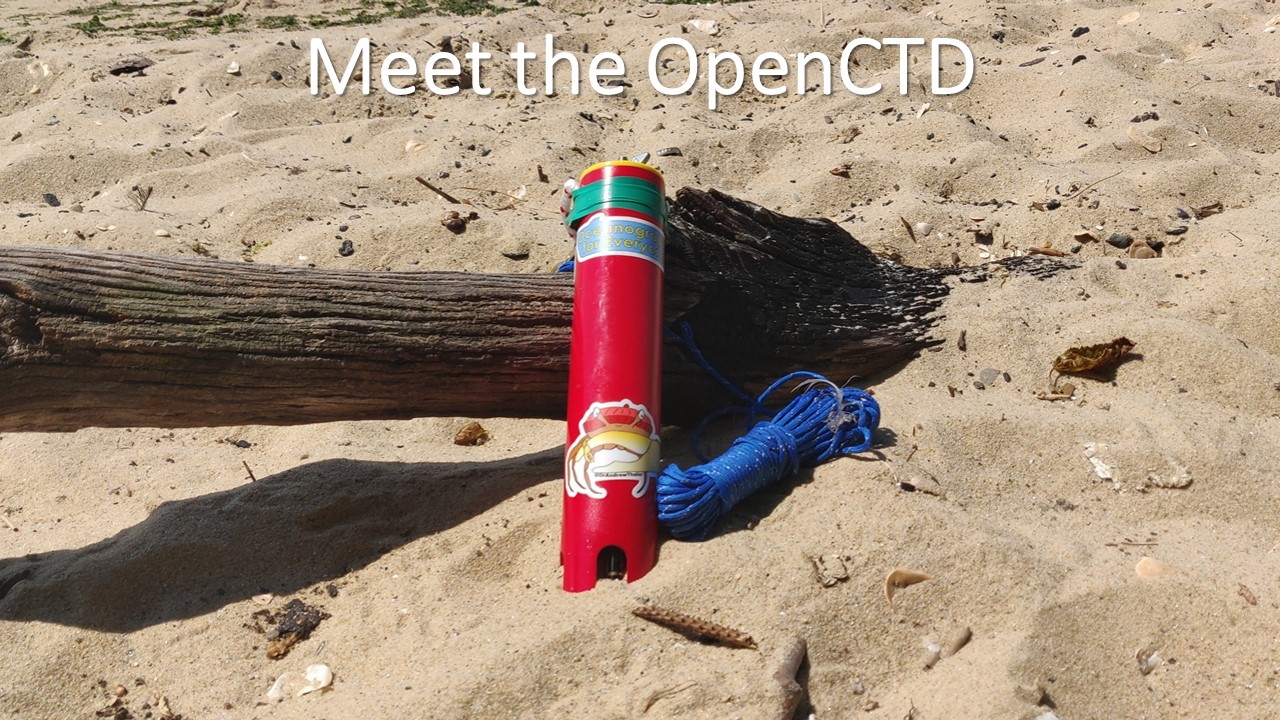
In 2013, Kersey Sturdivant and I embarked upon a quixotic quest to create an open-source CTD — the core tool of all oceanographic research that measures the baseline parameters of salinity, temperature, and depth. We weren’t engineers; neither of us had any formal training in electronics or sensing. And, full confession, we weren’t (and still aren’t) even oceanographers! What we were were post-doc marine ecologists working with tight budgets who saw a desperate need among our peers and colleagues for low-cost alternatives to insurmountably expensive equipment. And we had ties to the growing Maker and DIY electronics movements: Kersey through his work developing Wormcam and me through my involvement with OpenROV. 

We had no idea what we were getting ourselves into. 

The very first OpenCTD prototype.

Seven years and five iterations later, we are releasing the long anticipated OpenCTD rev 2 as well as the comprehensive Construction and Operation Manual! OpenCTD rev 2 builds on over half a decade of iteration and testing, consultation with oceanographers, engineers, developers, and makers around the world, extensive coastal and sea trials, and a series of workshops designed to test and validate the assembly process. 

Read More “The next generation of low-cost, open-source oceanographic instruments is here! Meet the OpenCTD rev 2!” »

“We’re in the midst of a sea change in who has access to the core tools of marine scientific research,” Weekly Salvage: November 11, 2019

Posted on November 11, 2019November 11, 2019 By Andrew Thaler
Weekly Salvage

Transcript available below.

Read More ““We’re in the midst of a sea change in who has access to the core tools of marine scientific research,” Weekly Salvage: November 11, 2019″ »

Emerging technologies for exploration and independent monitoring of seafloor extraction in Areas Beyond National Jurisdiction

Posted on September 3, 2019September 3, 2019 By Andrew Thaler
Conservation, Exploration, Science

[The following is a transcript from a talk I gave at the 2019 Minerals, Materials, and Society Symposium at the University of Delaware in August, 2019. It has been lightly edited for clarity.]

Good afternoon and thank you all for coming. I want to change tracks for a bit and scan the horizon to think about what the future of exploration and monitoring in the high seas might look like because ocean and conservation technology is in the midst of an evolutionary shift in who has access to the tools necessary to observe the deep ocean.

This is the Area. Areas Beyond National Jurisdiction, International Waters, the High Seas, the Outlaw Ocean. It’s the portion of the ocean that falls outside of national EEZs and is held in trust by the UN under the Convention on the Law of the Sea as the Common Heritage of Humankind. It covers 64% of the ocean and nearly half of the total surface of the Earth. It’s also the region in which most major deep-sea mining ventures intend to operate.

Read More “Emerging technologies for exploration and independent monitoring of seafloor extraction in Areas Beyond National Jurisdiction” »

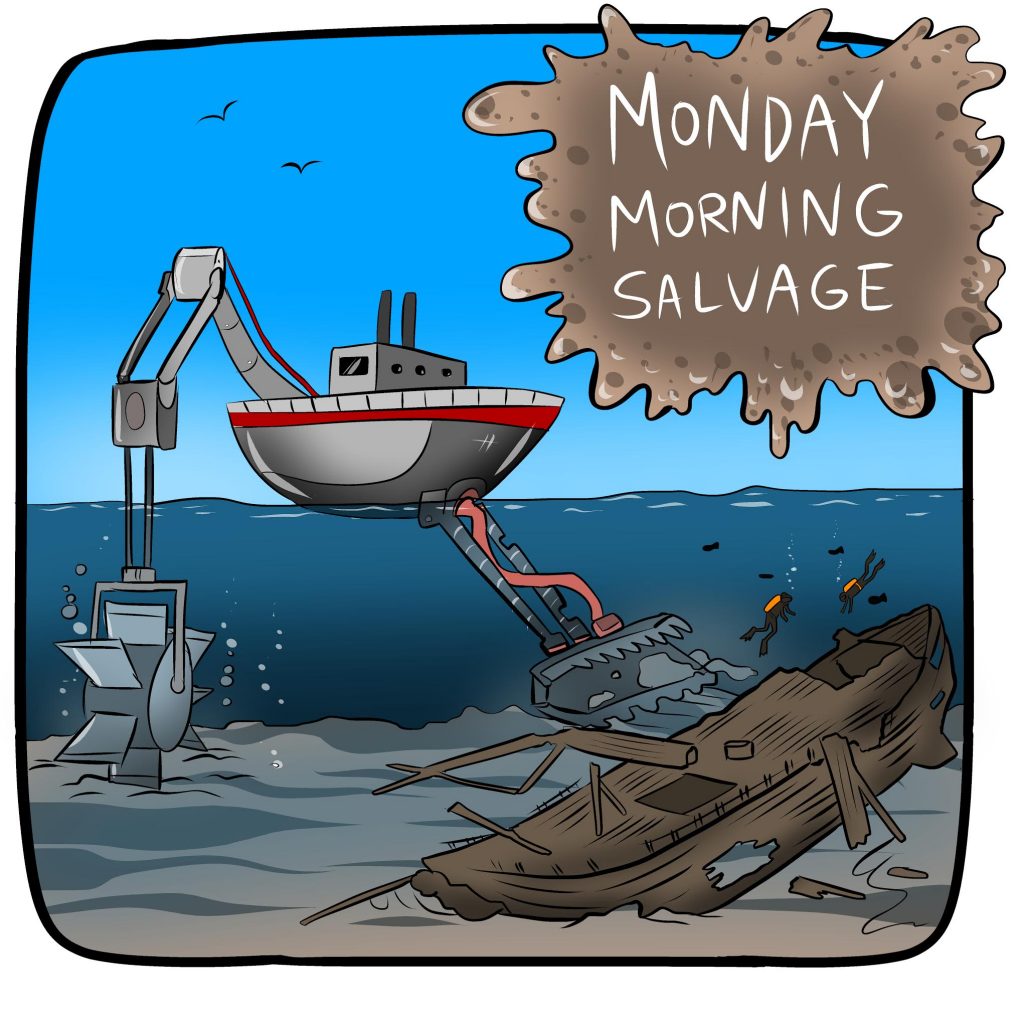
Hagfish, chill Puffins, swamp monsters, the mining boat floats, and more! Monday Morning Salvage: April 2, 2018

Posted on April 2, 2018March 31, 2018 By Andrew Thaler
Weekly Salvage

Foghorn (A Call to Action!)

  • Want to help stem the tide of misinformation online and off? Do you have it all figured out and just need resources to implement your world-saving solution? The Rita Allen Foundation is looking for Solutions to Curb the Spread of Misinformation.

Flotsam (what we’re obsessed with right now)

  • Hagfish. Tough. Lovable. Slimy. But not too slimy. Hagfish Take Weeks to Recover from Sliming Someone.

https://www.youtube.com/watch?v=pmaal7Hf0WA

  • Kevin D’Angelo integrated the OpenCTD with a new protocol for detecting salinity using the gold pins of a microUSB controller and I am blown away! Outstanding work.
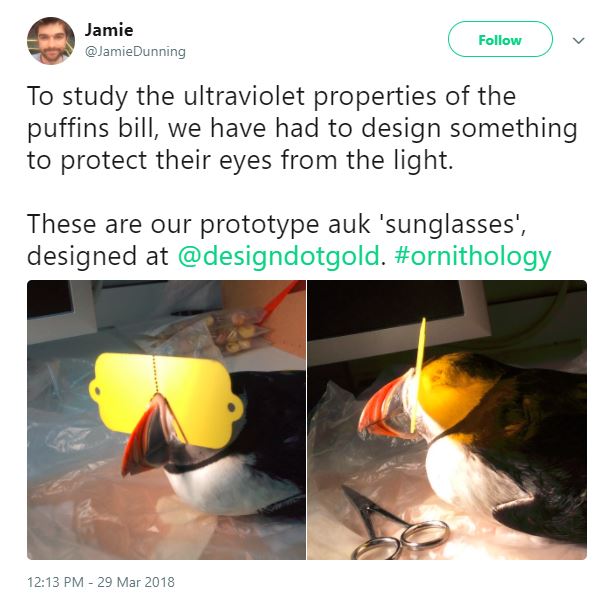
  • This is a puffin wearing sunglasses for science.

The Levee (A featured project that emerged from Oceandotcomm)

  • Installed as a beacon of hope for a hurricane-racked island, the statue had to be moved multiple times due to the eroding coast: Our Lady of the Sea by Russel Arnott.
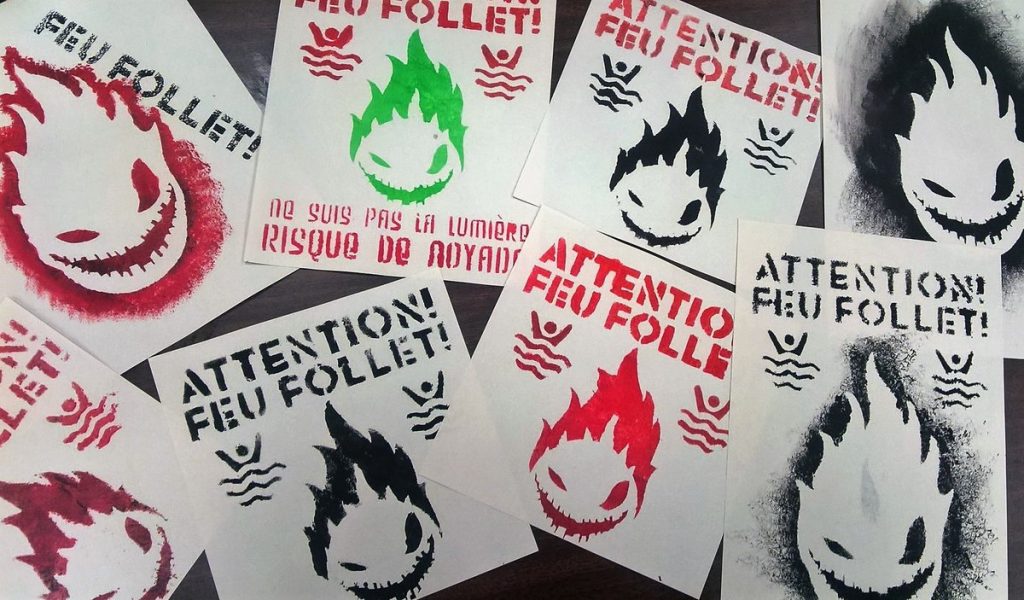
  • Russell also created these outstanding posters to warn us away from Louisiana’s famed and fearsome swamp ghosts:

Beware the Feu Follet, by Russell Arnott

Read More “Hagfish, chill Puffins, swamp monsters, the mining boat floats, and more! Monday Morning Salvage: April 2, 2018” »

A new Gulf oil spill, opposition to deep-sea mining, DIY drop cameras, and more! Massive Monday Morning Salvage: October 30, 2017

Posted on October 30, 2017October 29, 2017 By Andrew Thaler
Weekly Salvage

I’ve been away for 2 weeks, so it’s a super-massive edition of the Monday Morning Salvage!

Fog Horn (A Call to Action)

  • There’s still an unimaginable amount of work to do in Dominica and across the Caribbean. Support the Rebuild Dominica Hurricane Relief fund or any of the other funds from our list: How to help our island colleagues in the wake of total devastation.

Flotsam (what we’re obsessed with right now)

  • This is such a cool story: A Trail of Rocks Traces Historical Steamship Routes. We can track old steamship routes from rocks scraped out of the furnaces and tossed overboard.
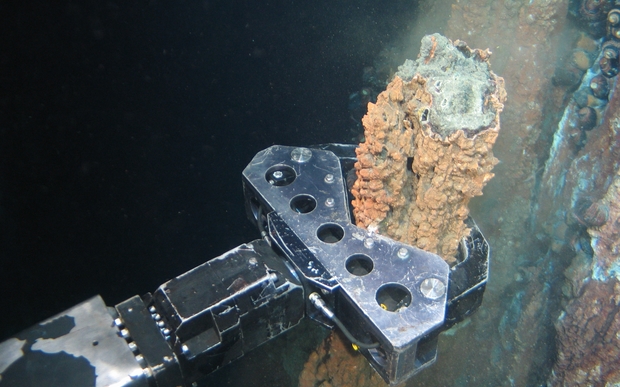
  • Former Papua New Guinea Attorney General attacks deep sea mining project. They always pick pictures for these articles that don’t show how much life is right around the vents.

Sampling SMS under the sea Photo: Nautilus Minerals

  • Whose ecological footprint is bigger: Medics, economists, or environmentalists? Spoilers: conservationists still have an impact, but they sure ain’t number 1.

Jetsam (what we’re enjoying from around the web)

  • There’s a fresh oil spill in the Gulf of Mexico, and it’s pretty darn huge:
    • Coast Guard Responding to 300,000 Gallon Crude Oil Spill in Gulf of Mexico.
    • Gulf of Mexico Oil Spill May Be Biggest Since 2010.
    • New Estimate Doubles the Size of Last Week’s Oil Spill in the Gulf of Mexico.
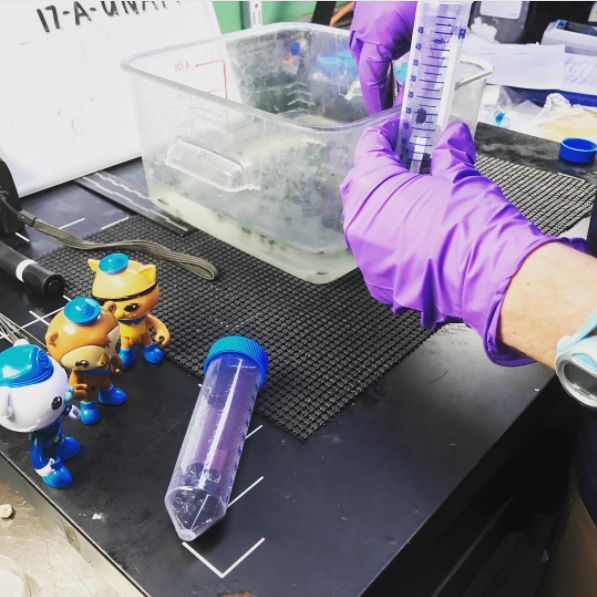
  • Some fun from Deep Sea News: When real-life marine biologist and mom goes to sea, she takes the octonauts with her.

  • This is fine: Report on U.S. Marine Sanctuary Oil Drilling Sent to White House, Not Released to Public. This is totally fine: Trump Administration Proposes Largest Oil and Gas Lease Sale in U.S. History.
  • Alaska’s Oyster Farmers Are Filling an Acidification-Driven Void. The state’s oyster farming industry is gaining ground as growers elsewhere struggle. From Hakai Magazine, which is great.
  • Nature is one of the most under-appreciated tools for reigning in carbon. From Anthropocene, which is fast becoming my favorite environmental print magazine. Sorry, Orion.
  • Thousands of penguin chicks starve in Antarctica.

Hey, Andrew, how about you give us at least *some* good news today? Ok, fine.

Read More “A new Gulf oil spill, opposition to deep-sea mining, DIY drop cameras, and more! Massive Monday Morning Salvage: October 30, 2017” »

Documentation is the beating heart of open-science hardware: Help make ours better!

Posted on October 6, 2017 By Andrew Thaler
Oceanography for Everyone

The OpenCTD and Oceanography for Everyone has been a five year journey from inception to first field-ready model and we’re just getting started. Building a community-driven project like this requires not just expertise (that we didn’t have when we started), passion, resources, it requires documentation. Extensive, detailed, thorough documentation. Documentation is what sets an open-science … Read More “Documentation is the beating heart of open-science hardware: Help make ours better!” »

Posts pagination

Previous 1 2 3 4 Next

Popular Posts

That's not a blobfish: Deep Sea Social Media is Flooded by AI SlopThat's not a blobfish: Deep Sea Social Media is Flooded by AI SlopDecember 19, 2025Andrew Thaler
What Ocean Ramsey does is not shark science or conservation: some brief thoughts on "the Shark Whisperer" documentaryWhat Ocean Ramsey does is not shark science or conservation: some brief thoughts on "the Shark Whisperer" documentaryJuly 2, 2025David Shiffman
The story of the pride flag made from NASA imagery: Bluesky's most-liked imageThe story of the pride flag made from NASA imagery: Bluesky's most-liked imageSeptember 27, 2024David Shiffman
What can the funniest shark memes on the internetz teach us about ocean science and conservation?What can the funniest shark memes on the internetz teach us about ocean science and conservation?November 8, 2013David Shiffman
The Trouble with Teacup PigsThe Trouble with Teacup PigsOctober 14, 2012Andrew Thaler
Shark of Darkness: Wrath of Submarine is a fake documentaryShark of Darkness: Wrath of Submarine is a fake documentaryAugust 10, 2014Michelle Jewell
I can serve on your graduate thesis committee. Here’s what you can expect of me, and what I expect in return.I can serve on your graduate thesis committee. Here’s what you can expect of me, and what I expect in return.October 16, 2025David Shiffman
Norway and Cook Islands put their deep-sea mining plans on pause.Norway and Cook Islands put their deep-sea mining plans on pause.December 3, 2025Andrew Thaler
Nodules, Lost Mines, and Dark Oxygen: A new documentary on deep-sea mining asks important questions about the future of the industry.Nodules, Lost Mines, and Dark Oxygen: A new documentary on deep-sea mining asks important questions about the future of the industry.July 24, 2025Andrew Thaler
Blackfish: the Science Behind the MovieBlackfish: the Science Behind the MovieSeptember 18, 2013Chris Parsons
Subscribe to our RSS Feed for updates whenever new articles are published.

We recommend Feedly for RSS management. It's like Google Reader, except it still exists.

Southern Fried Science

  • Home
  • About SFS
  • Authors
  • Support SFS


If you enjoy Southern Fried Science, consider contributing to our Patreon campaign.

Copyright © 2025 Southern Fried Science.

Theme: Oceanly Premium by ScriptsTown