Skip to content

Southern Fried Science

Over 15 years of ocean science and conservation online

  • Home
  • About SFS
  • Authors
  • Support SFS

Category: Education

Oceanography’s Diversity Deficit

Posted on February 27, 2024February 28, 2024 By Kersey Sturdivant
Oceanography’s Diversity Deficit
Academic life, Education, Featured, Popular Culture, Science

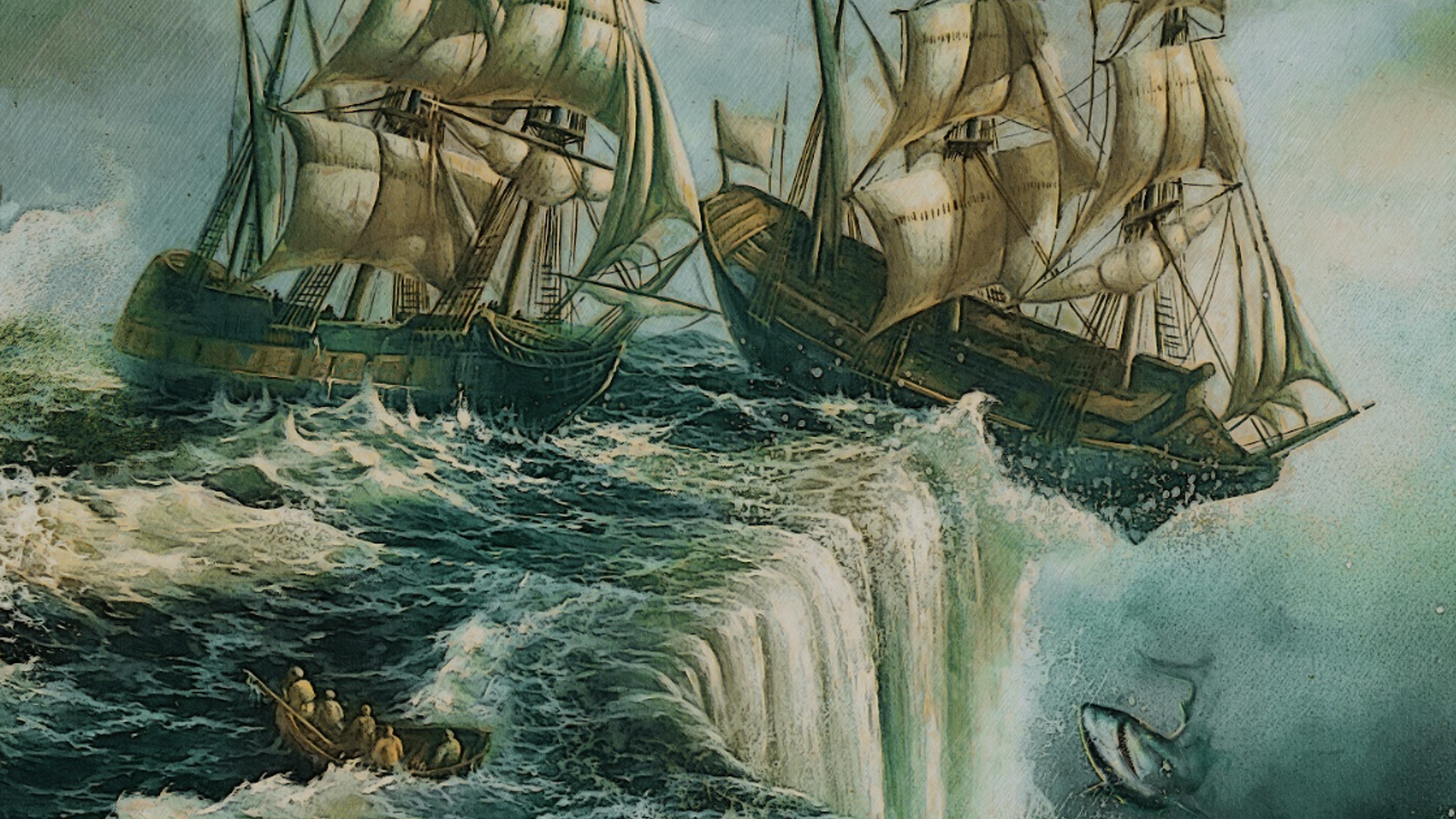
Centuries of exclusion have resulted in a tangible human diversity deficit, where the diversity of oceanographers does not represent the global diversity of people impacted by ocean processes. Let’s explore the history of ocean science to understand how it ties into and influences the lack of diversity, equity, and inclusion (DEI) in modern day oceanography. … Read More “Oceanography’s Diversity Deficit” »

Great conservation technology programs thrive on weird little projects

Posted on February 13, 2024February 13, 2024 By Andrew Thaler
Great conservation technology programs thrive on weird little projects
Education

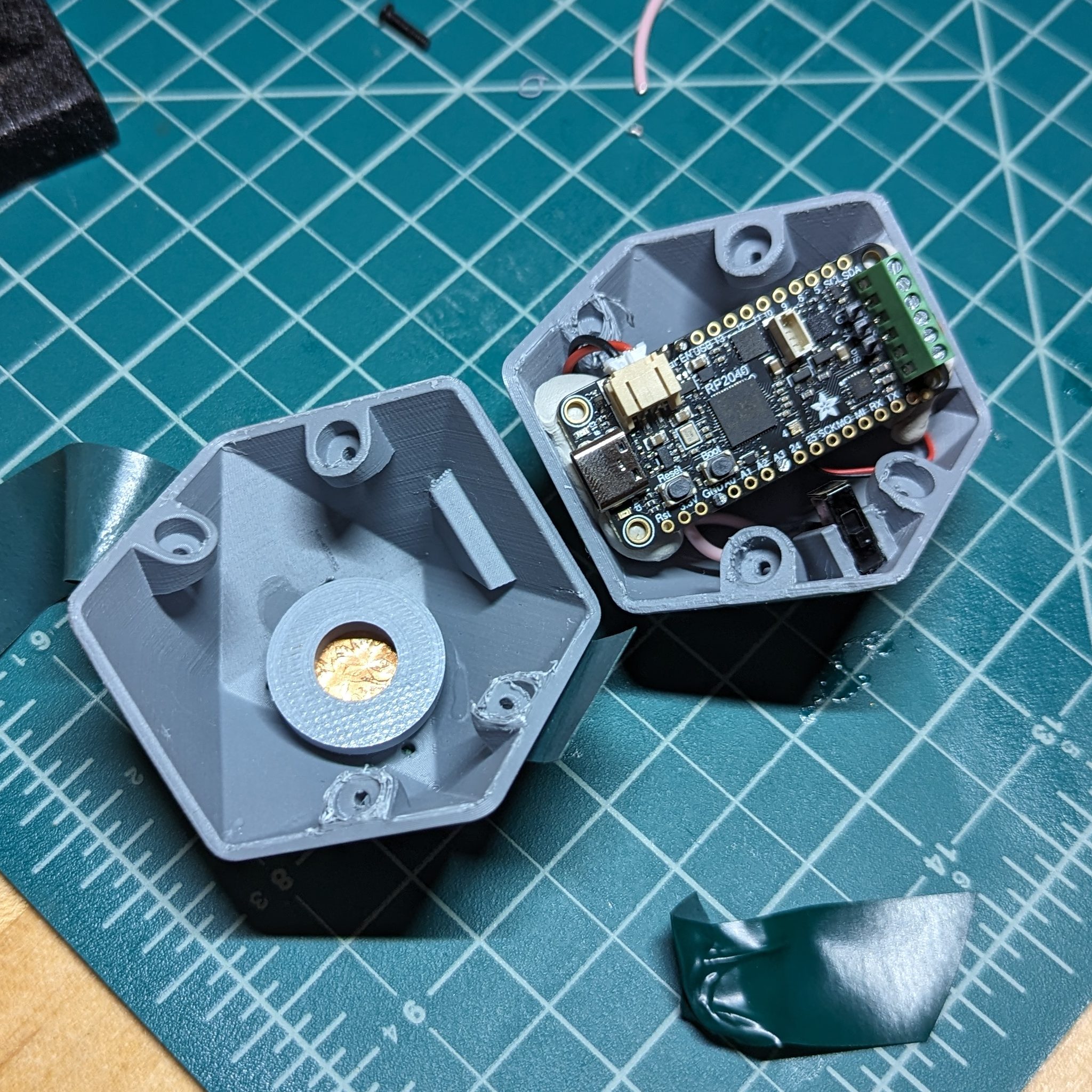
I’m Andrew and I like weird little projects. I built a weird little FitBit walking robot. I built a weird little cyborg see turtle. I built a weird little face-mounted Lidar array that lets you see the world like a dolphin. I built a weird little ring light with a panic button to get you … Read More “Great conservation technology programs thrive on weird little projects” »

Weekend electronics projects for kids that love the ocean.

Posted on February 12, 2024 By Andrew Thaler
Weekend electronics projects for kids that love the ocean.
Education, Featured

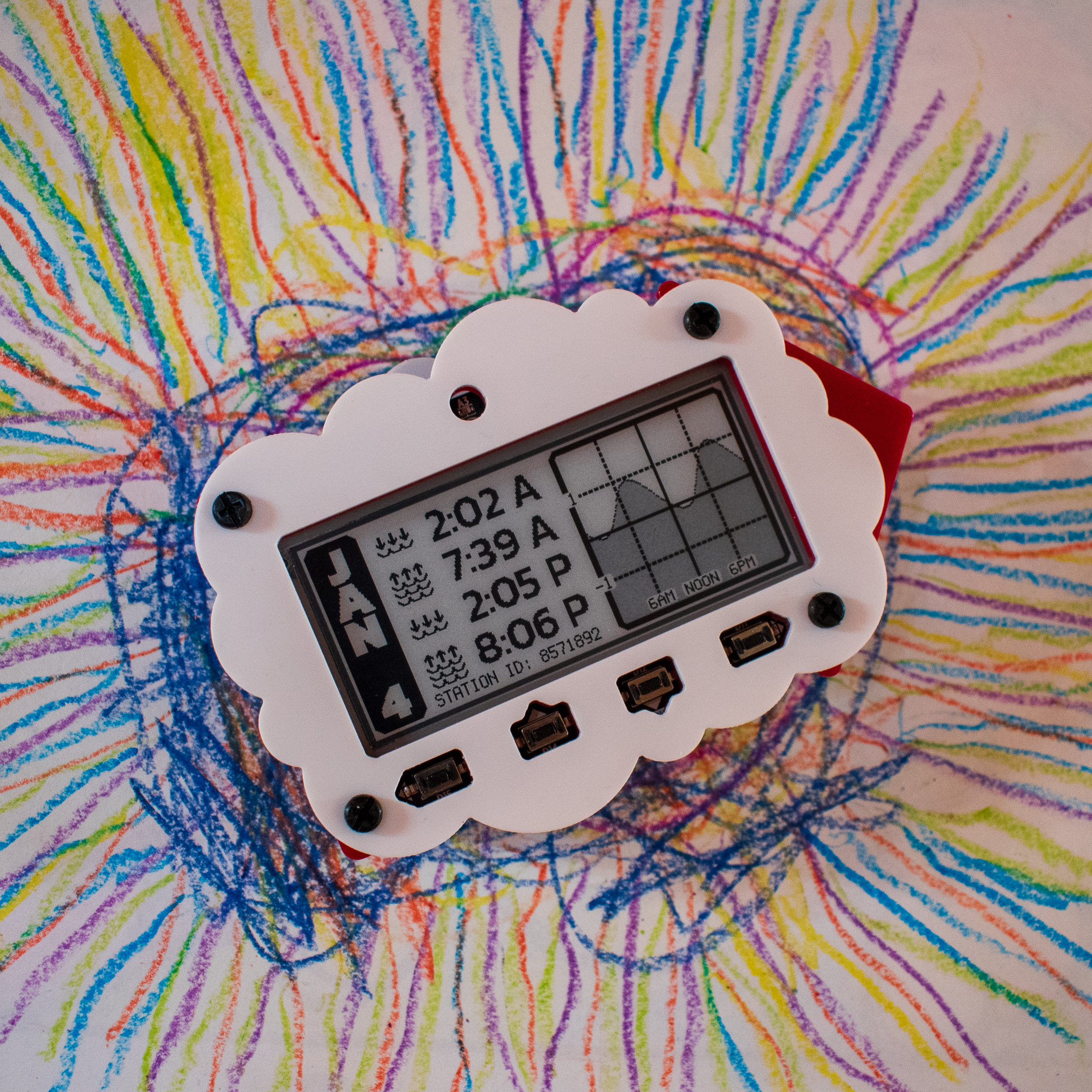
Note: This is an updated and expanded version of the original article: 3 kid-friendly STEAM electronics projects that harness NOAA’s massive public databases. If you’re anything like me, you probably have a stack of assorted electronics in various stages of disrepair, which is great for your hardware hacking dads and moms, but kids need projects … Read More “Weekend electronics projects for kids that love the ocean.” »

It is your ocean. You should have access to the tools to study it.

Posted on January 26, 2024 By Andrew Thaler
It is your ocean. You should have access to the tools to study it.
Climate change, Conservation, Education, Exploration, Featured, Science

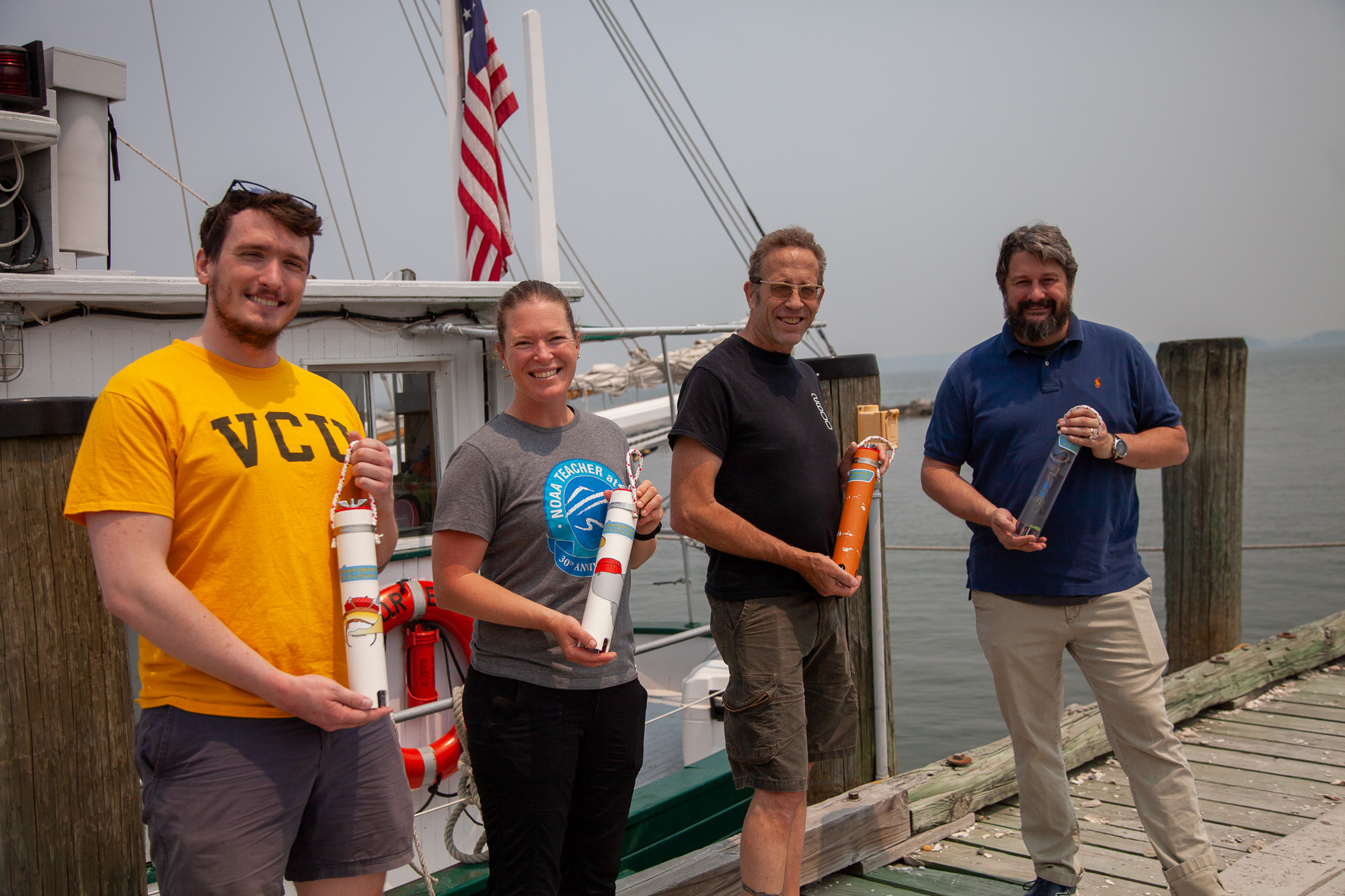
The structure of scientific inquiry has coalesced around a model that is, in general, both expensive and exclusive. This centralizes knowledge production within a circle of individuals, organizations, and institutions which rarely reflects the breadth of identities, experiences, and ways of knowing of those most directly connected to the places being explored. Nowhere is this … Read More “It is your ocean. You should have access to the tools to study it.” »

Taking Initiative: My 2023 year in environmental education, outreach, and activism

Posted on January 19, 2024 By Andrew Thaler
Taking Initiative: My 2023 year in environmental education, outreach, and activism
Education

2023 was a year of endings. I closed several projects and spent a lot of time, behind the scenes, laying the foundation for project I hope will have an impact in 2024. I don’t really think of myself as a science communications person anymore. We are activists, working to achieve specific science-informed policy outcomes. We … Read More “Taking Initiative: My 2023 year in environmental education, outreach, and activism” »

Lessons learned from teaching the public about shark science and conservation: Insights from my SICB Plenary

Posted on January 18, 2024January 18, 2024 By David Shiffman
Lessons learned from teaching the public about shark science and conservation: Insights from my SICB Plenary
Academic life, Education, Featured

In January 2024, I presented the John Moore Lecture at the Society for Integrative and Comparative Biology conference. The aim of the Moore plenary is to offer the society a new perspective on science education, and my talk was entitled “You’re Gonna Need a Bigger Engagement Strategy: Lessons Learned from Teaching the Public About Shark … Read More “Lessons learned from teaching the public about shark science and conservation: Insights from my SICB Plenary” »

Getting your kids started in conservation technology: a quick guide for parents who have no idea where to begin.

Posted on March 16, 2022 By Andrew Thaler
Getting your kids started in conservation technology: a quick guide for parents who have no idea where to begin.
Education

Southern Fried Science has been a bit dormant for the last year, so first, a re-introduction:

I’m Andrew Thaler, I’m an ocean scientist, and I make weird tech things.

Ten years ago I inherited an old mechanical tide gauge from a lab cleanout. For some bizarre reason, I thought: what if, instead of tracking the rising and falling tides in the Beaufort Inlet, it tracked the waxing and waning of conversations about sea level rise on Twitter. And thus, the Sea Leveler was born. 

Meet Sea Leveler: the open source water level gauge that wants you to talk about #sealevelrise

In a lot of ways, the Sea Leveler was the precursor of things to come. It was exhaustively documented and released as an open-source project on GitHub. It merged the digital with the physical, creating an object that allowed you to connect an online conversation to the real-world environment through repurposed technology. It was weird. And it was fun. 

The Sea Leveler itself was passed on to a good friend and champion of ocean outreach, but its legacy lives on in the plethora of projects to follow: Drown Your Town, Dolphin Vision, the reStepper, Turtle Borg, and, of course, the OpenCTD. 

Read More “Getting your kids started in conservation technology: a quick guide for parents who have no idea where to begin.” »

Creating Healthy Working Cultures in Marine Science Education

Posted on April 10, 2020April 10, 2020 By Catherine Macdonald
Academic life, Education

Below you’ll find a document I’ve been thinking about for more than a decade. I teach marine science field skills to undergraduates and graduate students at Field School and the University of Miami, and I’ve had a lot of opportunities to observe science and scientific learning in action. This is my best effort to distill the key principles I’ve learned about creating a healthy, supportive working environment. Starting the year, my students at Field School will all read and sign on to these principles before working with us.

It feels important to add that cultures are the product of choices and actions (or inaction). They don’t create themselves; they are created by the people within them. That means, sadly, that in every toxic organization there are people who choose, and benefit (or think they benefit) from that toxicity. The good news is that it also means we can choose something else. It’s not out of our hands.     

I’ve spent a lot of my time thinking about how to create welcoming, supportive learning environments for all of my students. And no: I don’t believe compassion and acceptance mean you have to sacrifice scientific rigor—in fact, I think students learn and grow more in these settings.

If you are also engaged in looking for solutions to the systemic problems in how we train future marine scientists, please feel free to join me by sharing this, implementing it in your own teaching, or reaching out with suggestions for how it can be improved based on your knowledge and practice. If you are a student who is struggling with these issues and you need advice or a friendly ear, please know that you are not alone, and my inbox is always open to you.

Read More “Creating Healthy Working Cultures in Marine Science Education” »

Worldwide SciComm Challenge: #SharkSafetySlogan

Posted on June 24, 2019June 23, 2019 By Michelle Jewell
Worldwide SciComm Challenge: #SharkSafetySlogan
Education, Uncategorized

Can you remember how young you were when you were first taught stop, drop, and roll? How about turn around, don’t drown? Slogans are abridged stories that fulfill our human need to convey information quickly and memorably. Their uses range from social connection, cooperation, and informing cohorts of risk. Sayings like the above are effective … Read More “Worldwide SciComm Challenge: #SharkSafetySlogan” »

5 things to know about spotted eagle ray tooth plates, August’s 3D printed reward!

Posted on August 17, 2018August 17, 2018 By David Shiffman
Education

I recently unveiled a new tier of Patreon rewards: 3D printed shark and ray models!For $17 per month, you will get a monthly 3D printed educational model of different shark or ray parts in the mail, and you’ll be supporting my efforts to provide these models to schools for free.

August’s reward is a row from the tooth plate of a spotted eagle ray, Aetobatus narinari! The original specimen is housed at the University of Tennessee fossil collection, and the 3D scan was shared online as part of the FOSSIL project.

I asked University of Florida/Florida Museum Ph.D. student Jeanette Pirlo about the FOSSIL project:

” The FOSSIL Project is an NSF funded project, based out of the University of Florida and the Florida Museum, devoted to cultivating a networked community of practice in which fossil club members and professional paleontologists collaborate in learning the practice of science and outreach. The myFOSSIL.org website is the platform from which our members can collaborate by sharing their fossil finds, curate their personal collections, and participate in ongoing paleontological research” – Jeanette Pirlo

A full set of Spotted Eagle Ray Jaws showing multiple tooth rows fused into a plate, photo by Cathleen Bester courtesy Jeanette Pirlo at the Florida Museum. The specific individual tooth row that was scanned here, photo by Maggie Limbeck, University of Tennessee Masters Candidate. And the 3D printed version


Learn more about the spotted eagle ray and it’s teeth below!

Read More “5 things to know about spotted eagle ray tooth plates, August’s 3D printed reward!” »

Posts pagination

Previous 1 … 3 4 5 … 8 Next

Popular Posts

That's not a blobfish: Deep Sea Social Media is Flooded by AI SlopThat's not a blobfish: Deep Sea Social Media is Flooded by AI SlopDecember 19, 2025Andrew Thaler
What Ocean Ramsey does is not shark science or conservation: some brief thoughts on "the Shark Whisperer" documentaryWhat Ocean Ramsey does is not shark science or conservation: some brief thoughts on "the Shark Whisperer" documentaryJuly 2, 2025David Shiffman
Screaming into the void - Why your scientific paper doesn’t matterScreaming into the void - Why your scientific paper doesn’t matterJune 18, 2026Chris Parsons
Ageism in the conservation job marketAgeism in the conservation job marketJune 19, 2026Chris Parsons
I can serve on your graduate thesis committee. Here’s what you can expect of me, and what I expect in return.I can serve on your graduate thesis committee. Here’s what you can expect of me, and what I expect in return.October 16, 2025David Shiffman
The story of the pride flag made from NASA imagery: Bluesky's most-liked imageThe story of the pride flag made from NASA imagery: Bluesky's most-liked imageSeptember 27, 2024David Shiffman
What is a Sand Shark?What is a Sand Shark?November 12, 2017Chuck Bangley
Shark of Darkness: Wrath of Submarine is a fake documentaryShark of Darkness: Wrath of Submarine is a fake documentaryAugust 10, 2014Michelle Jewell
Our favorite sea monsters – Ningen (#4)Our favorite sea monsters – Ningen (#4)September 7, 2010Andrew Thaler
The plague-busting, prairie-dog-vaccinating, ferret-saving droneThe plague-busting, prairie-dog-vaccinating, ferret-saving droneNovember 1, 2016Andrew Thaler
Subscribe to our RSS Feed for updates whenever new articles are published.

We recommend Feedly for RSS management. It's like Google Reader, except it still exists.

Southern Fried Science

  • Home
  • About SFS
  • Authors
  • Support SFS


If you enjoy Southern Fried Science, consider contributing to our Patreon campaign.

Copyright © 2026 Southern Fried Science.

Theme: Oceanly Premium by ScriptsTown