Skip to content

Southern Fried Science

Over 15 years of ocean science and conservation online

  • Home
  • About SFS
  • Authors
  • Support SFS

Recent Posts

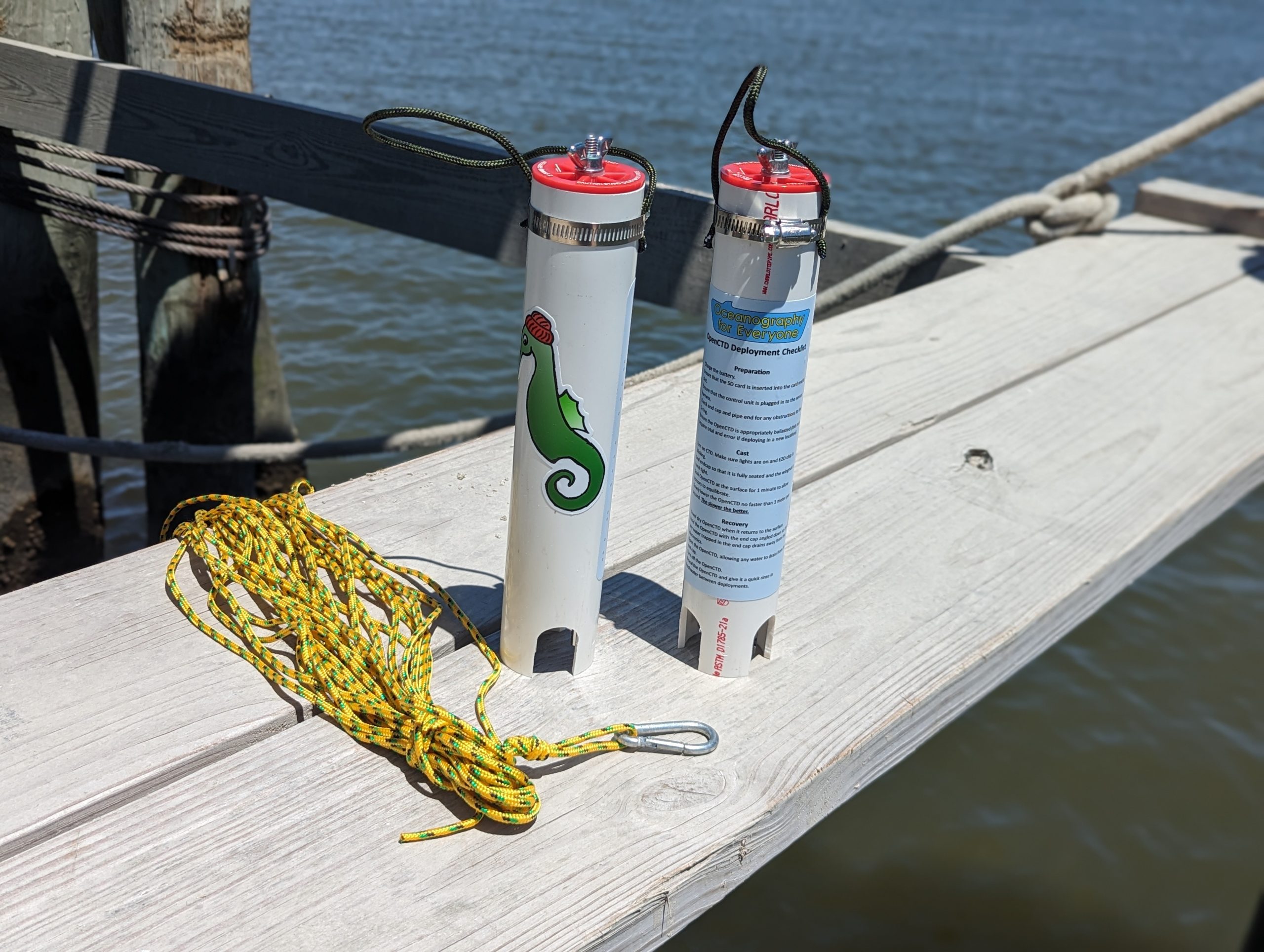
The next OpenCTD is here!
June 22, 2026
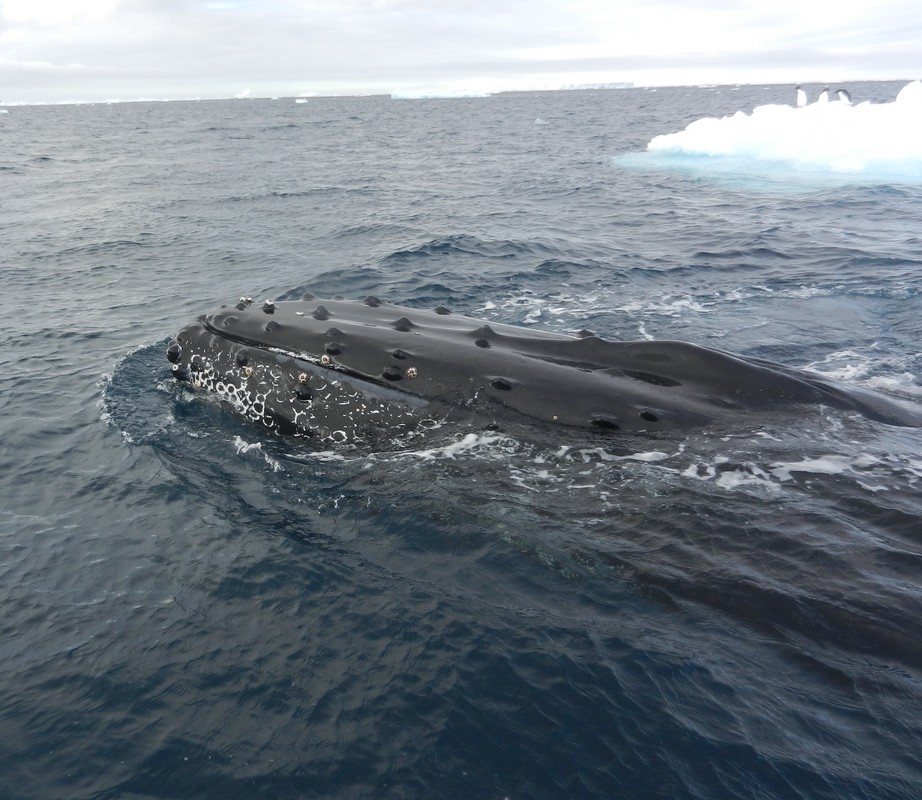
humpback whale in Antarctica
The evolution of the International Whaling Commission – from  whaling quotas to whale conservation
June 10, 2026
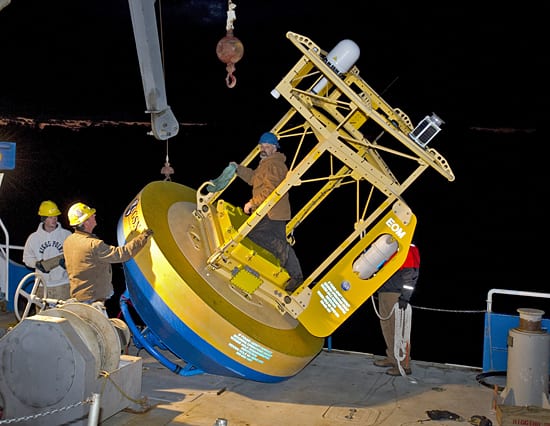
Isn’t ironic, don’t you think: dismantling the Ocean Observatories Initiative on World Oceans Day
June 9, 2026
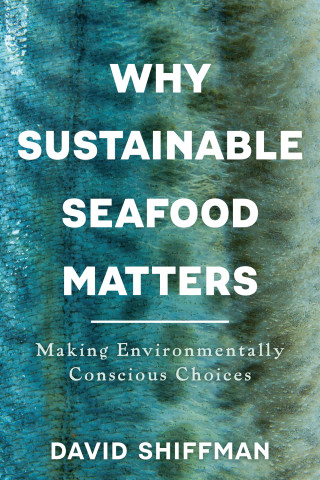
“Why Sustainable Seafood Matters” is now available for preorder! Here’s what it’s about, and why I decided to write it.
June 8, 2026
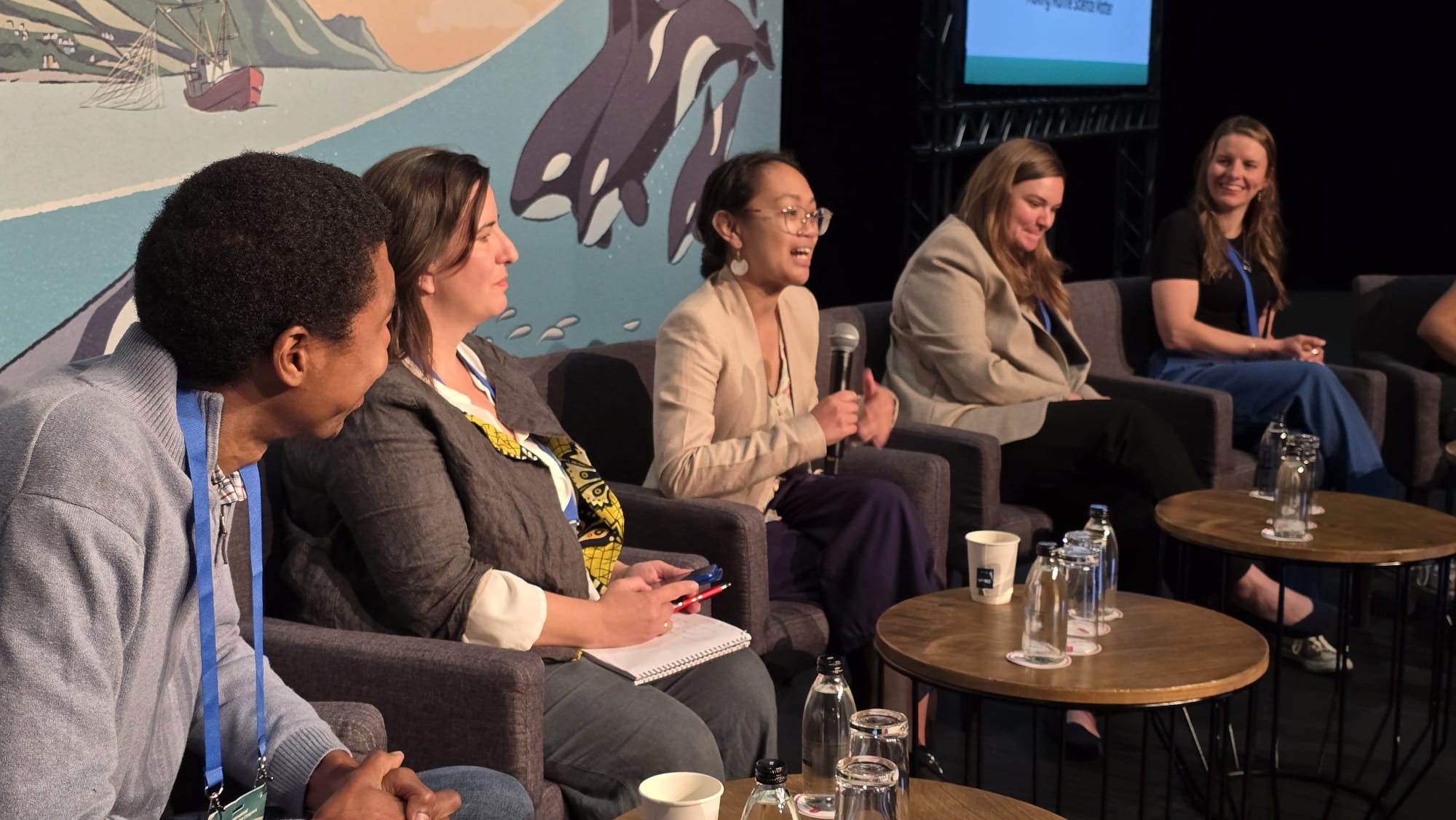
Here’s how to join my IMCC8 symposium, “Ocean Science Communication: What’s New and What’s Next?”
April 22, 2026
Deep Sea Mining Symposium Announcement
April 21, 2026

10 ways drones can save the ocean

Posted on June 27, 2014June 27, 2014 By Andrew Thaler 3 Comments on 10 ways drones can save the ocean
Conservation, Science

Over the last few months, I’ve been digging into the confusing tangle of laws that protect marine mammals and regulate the use of drones–small, semi-autonomous vehicles used by both researchers and hobbyists to observe whales and other marine mammals. You can check out the outcome of my findings over at Motherboard, where I just published Drones Would Revolutionize Oceanic Conservation, If They Weren’t Illegal. The quick and dirt summary is that there is no legal way to fly drones near whales, at the moment, but there are ways to do it responsibly while we work to catch regulations up with technology.
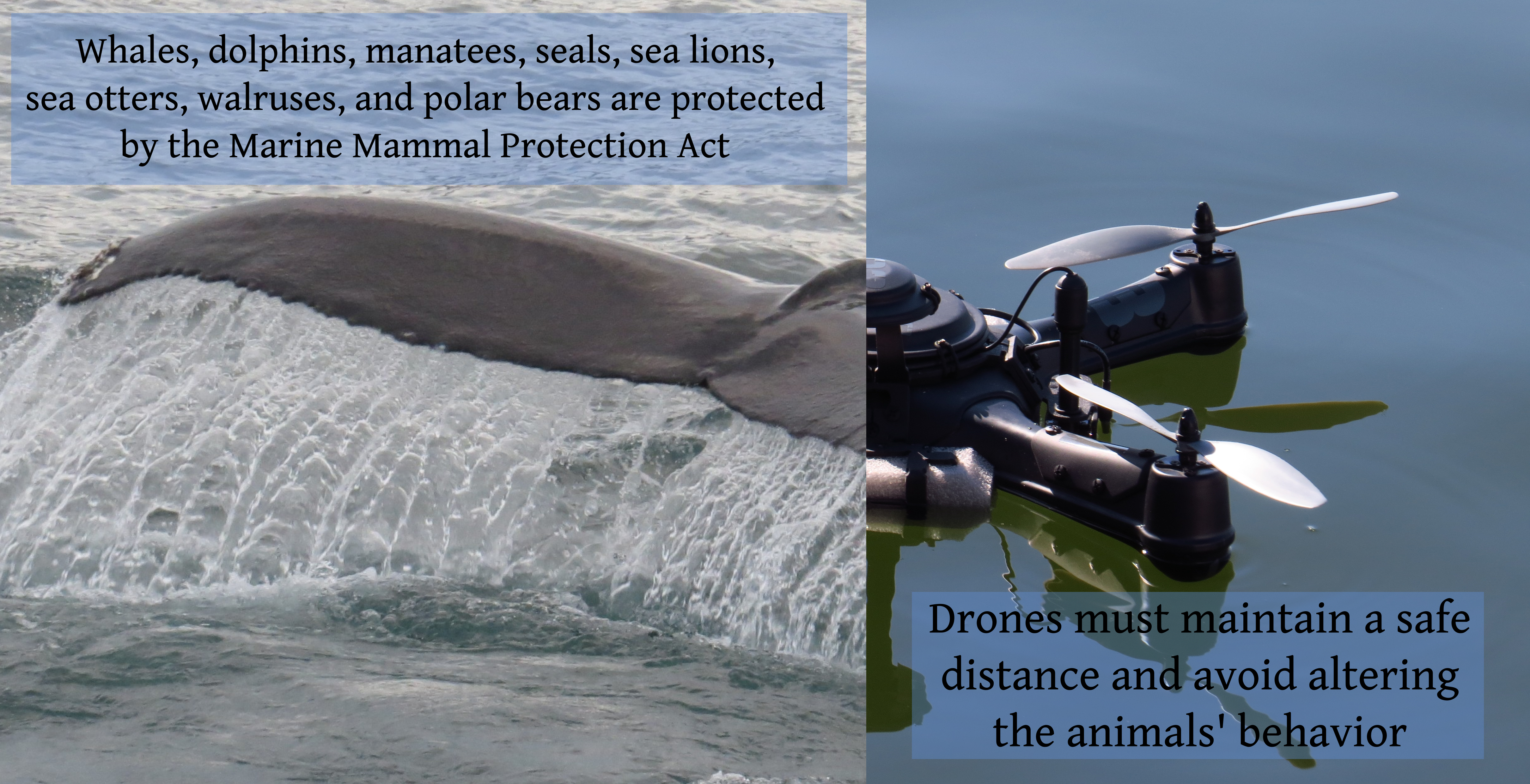
whaledrones

In working through these guidelines, I’ve spent a lot of time thinking about how we can use this new technology to aid ocean conservation. Below are my top 10 favorite ideas for using drones to save the ocean.

1. Monitor our coastlines for poaching and other illegal activities.
Read More “10 ways drones can save the ocean” »

The communist, feminist, utopian revolutionary who Kickstarted the first submarine

Posted on June 26, 2014June 26, 2014 By Andrew Thaler 4 Comments on The communist, feminist, utopian revolutionary who Kickstarted the first submarine
Science

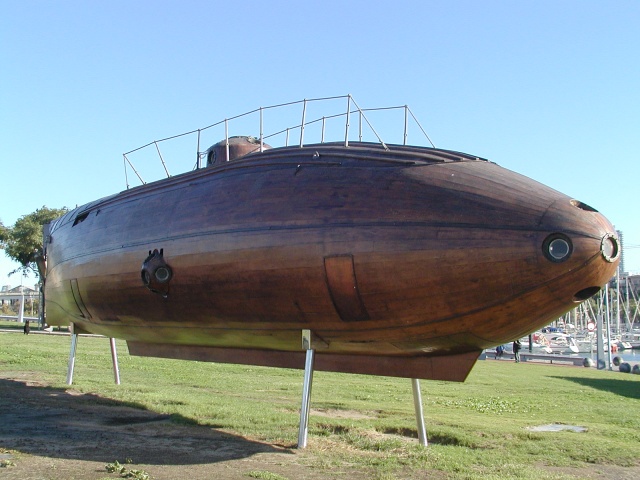
Ictineo II. Image by wikimedia user Cookie.

A curious vessel sits atop a few struts in the Barcelona harbor. Passing tourists could be forgiven if they thought the small, wooden craft was a prop from the golden age of film or a quiet monument to the work of Jules Verne. It is neither. This ship, built from olive wood and clad in copper, is perhaps the most remarkable seagoing vessel of its time. She is Ictíneo II, the first true submarine.

Narcís Monturiol i Estarriol was a Catalonian revolutionary, utopian iconoclast, and proto-feminist writer who argued that the government, rather than the church, should oversee marriage licenses. He founded several newspapers–which were often shut down after a few issues–including  La Madre de Familia “to defend women from the tyranny of men” and Spain’s first communist newspaper, La Fraternidad. 

Read More “The communist, feminist, utopian revolutionary who Kickstarted the first submarine” »

These clams are starting to bake in Bad Gas Episode 3

Posted on June 23, 2014 By Andrew Thaler
Science

Welcome back. In our third installment of Bad Gas, we’re finally beginning to see visible deterioration of the shells. It’s a short one for you to enjoy. httpv://youtu.be/MjGY2XUD_UE

Bad Gas Supplemental

Posted on June 19, 2014 By Andrew Thaler
Blogging

In which I respond to some of the comments and questions raised by the first two videos in my ocean acidification project. httpv://www.youtube.com/watch?v=Q1xlE-P8EWs

Bad Gas Episode 2!

Posted on June 18, 2014June 18, 2014 By Andrew Thaler
Science

Watch it now! httpv://youtu.be/QXHV0c8juXQ

Good fish, bad fish: new draft FDA guidance considering mercury exposures

Posted on June 12, 2014June 13, 2014 By Bluegrass Blue Crab 2 Comments on Good fish, bad fish: new draft FDA guidance considering mercury exposures
Uncategorized

After years of scaring pregnant women away from fishy nutrition, the FDA is finally updating its recommendations to encourage them to eat 8-12  ounces of low-mercury fish a week. That’s 2 or 3 meals per week in order to support fetal growth and development. Curious about what fish are low mercury? Stay away from tilefish from the Gulf of Mexico, swordfish, shark, and king mackerel and limit albacore tuna to 6 ounces a week. Better options include “some of the most commonly eaten fish such as shrimp, pollock, salmon, canned light tuna, tilapia, catfish, and cod”. For locally caught fish, you should check with your local authorities. The new recommendations aren’t final – read the draft and write in if you want more information that would help you make safe and healthy seafood choices. Here’s some things you should consider.

Read More “Good fish, bad fish: new draft FDA guidance considering mercury exposures” »

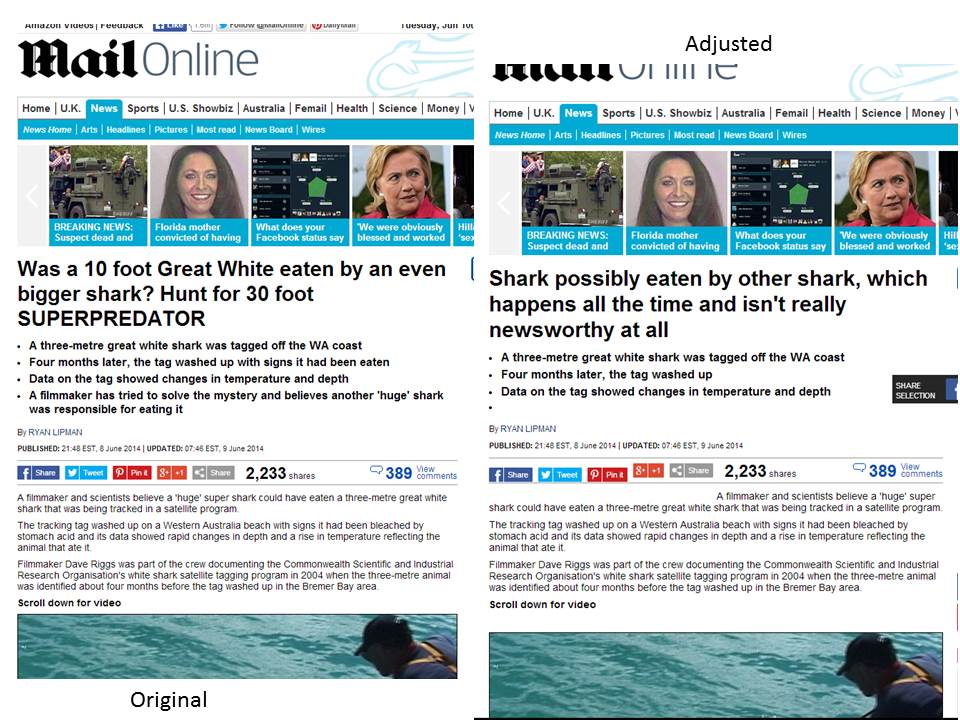
Absurd headlines about sharks, adjusted for accuracy

Posted on June 11, 2014June 11, 2014 By David Shiffman 1 Comment on Absurd headlines about sharks, adjusted for accuracy
Blogging

The mainstream media doesn’t always have the greatest reputation for accuracy when it comes to reporting stories about sharks. Inspired by this brilliant campaign, I decided to “adjust” the headlines of some particularly absurd recent news stories about sharks.

This story about a shark that may have been eaten by another shark. 

1


Read More “Absurd headlines about sharks, adjusted for accuracy” »

Bad Gas: a step-by-step guide to experimenting with Ocean Acidification in your kitchen

Posted on June 10, 2014June 10, 2014 By Andrew Thaler
Science

After over a month of planning, it’s finally time to unveil my new ocean acidification project: Bad Gas! Watch this video to learn how to turn a Soda Stream into a miniature ocean and explore the impact of ocean acidification.

httpv://youtu.be/KBJiUWcDGpM

As this experiment continues, it will develop into a series of lesson plans for science teachers to use in the classroom. If you’re following along or joining in with your own tiny ocean, leave a comment below and keep us updated on your progress.

Read More “Bad Gas: a step-by-step guide to experimenting with Ocean Acidification in your kitchen” »

Selected conference tweets from Sharks International #Sharks14

Posted on June 9, 2014June 9, 2014 By David Shiffman
Conservation, Science

I’ve just returned from the second Sharks International, a scientific conference for shark and ray researchers, which was held in South Africa. With nearly 300 researchers and conservationists from more than 38 countries in attendance, the conference was a fantastic learning and networking experience, and a huge success.

In addition to countless talks focusing on cool discoveries about amazing animals and important conservation issues from all over the world,  I don’t think I ate one meal at a table with fewer than 4 countries represented.   Our lab, the RJ Dunlap Marine Conservation Program at the University of Miami, gave 3 scientific  presentations, including my own, which was well-received and resulted in some fascinating discussions. The “social media for scientific outreach” workshop I gave had more than 50 people attend, resulting in a couple of dozen scientists newly joining twitter.

Speaking of twitter, more than 7,000 tweets (including re-tweets) were shared using the conference hashtag #Sharks14 ! Below are links to 8 Storify stories I made: 4 plenary sessions and 4 days of scientific presentations. * Scientists, if any of the tweets about your talk are incorrect, please alert me in the comments and I’ll edit or delete them immediately. *

Read More “Selected conference tweets from Sharks International #Sharks14” »

Exploring new models to fund ocean science and outreach

Posted on May 28, 2014May 28, 2014 By Andrew Thaler
Blogging

It’s an open secret that I’ve been struggling over the last few years to keep Southern Fried Science growing while making it financially sustainable. Ocean outreach matters, because the oceans matter. Many of us believe that protecting the oceans is the most important thing we’ll ever do. Our survival depends on a healthy ocean. So we write about overfishing and shark finning, climate change and ocean acidification, mining and trawling and bycatch runoff. And, since, as St. Jacques once said, “people protect what they love”, we do what we can to make people love the ocean as much as we do.

For most of its existence, Southern Fried Science and my other outreach projects have been funded by science. Research grants, outreach fellowships, even graduate student stipends went towards keeping our servers running. But science funding is in crisis, and that model is no longer valid. In a disturbing reversal, today, income from outreach related work–selling articles, consulting for NGO’s, running workshops–is being used to fund my scientific research. Neither model is viable.

It’s time to try something new.

Read More “Exploring new models to fund ocean science and outreach” »

Posts pagination

Previous 1 … 106 107 108 … 273 Next

Popular Posts

Ageism in the conservation job marketAgeism in the conservation job marketJune 19, 2026Chris Parsons
What Ocean Ramsey does is not shark science or conservation: some brief thoughts on "the Shark Whisperer" documentaryWhat Ocean Ramsey does is not shark science or conservation: some brief thoughts on "the Shark Whisperer" documentaryJuly 2, 2025David Shiffman
Screaming into the void - Why your scientific paper doesn’t matterScreaming into the void - Why your scientific paper doesn’t matterJune 18, 2026Chris Parsons
The next OpenCTD is here!The next OpenCTD is here!June 22, 2026Andrew Thaler
Undermining the Law of the Sea. Some additional thoughts following my OpEd in the Hill.Undermining the Law of the Sea. Some additional thoughts following my OpEd in the Hill.June 22, 2026Andrew Thaler
What is a Sand Shark?What is a Sand Shark?November 12, 2017Chuck Bangley
The story of the pride flag made from NASA imagery: Bluesky's most-liked imageThe story of the pride flag made from NASA imagery: Bluesky's most-liked imageSeptember 27, 2024David Shiffman
That's not a blobfish: Deep Sea Social Media is Flooded by AI SlopThat's not a blobfish: Deep Sea Social Media is Flooded by AI SlopDecember 19, 2025Andrew Thaler
Our favorite sea monsters – Ningen (#4)Our favorite sea monsters – Ningen (#4)September 7, 2010Andrew Thaler
Did monster hunters find a 120 meter long giant squid on google maps?Did monster hunters find a 120 meter long giant squid on google maps?June 17, 2016Andrew Thaler

squishy

Subscribe to our RSS Feed for updates whenever new articles are published.

We recommend Feedly for RSS management. It's like Google Reader, except it still exists.

Southern Fried Science

  • Home
  • About SFS
  • Authors
  • Support SFS


If you enjoy Southern Fried Science, consider contributing to our Patreon campaign.

Copyright © 2026 Southern Fried Science.

Theme: Oceanly Premium by ScriptsTown