
Skip to content

Southern Fried Science

Over 15 years of ocean science and conservation online

  • Home
  • About SFS
  • Authors
  • Support SFS

Recent Posts

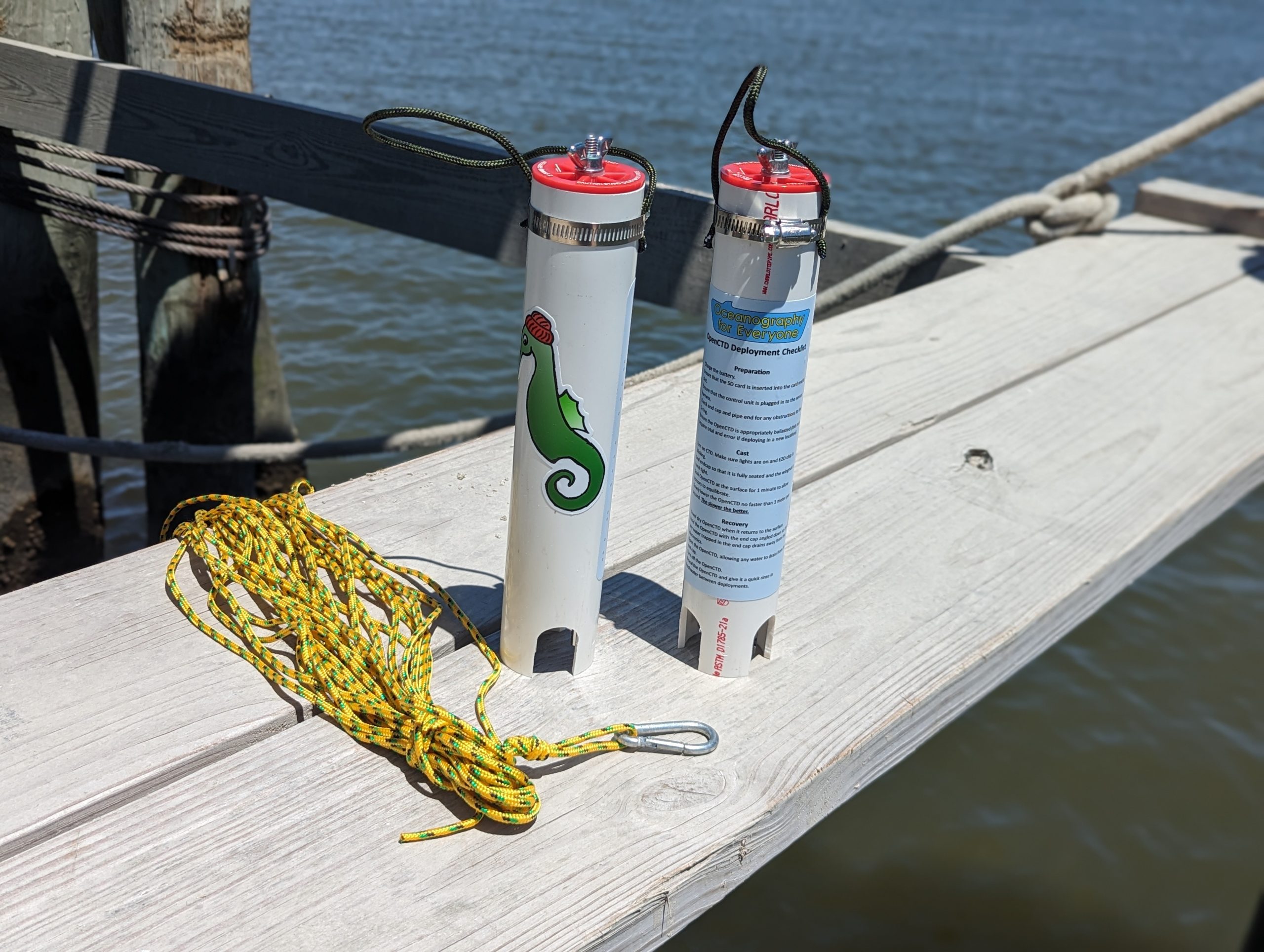
The next OpenCTD is here!
June 22, 2026
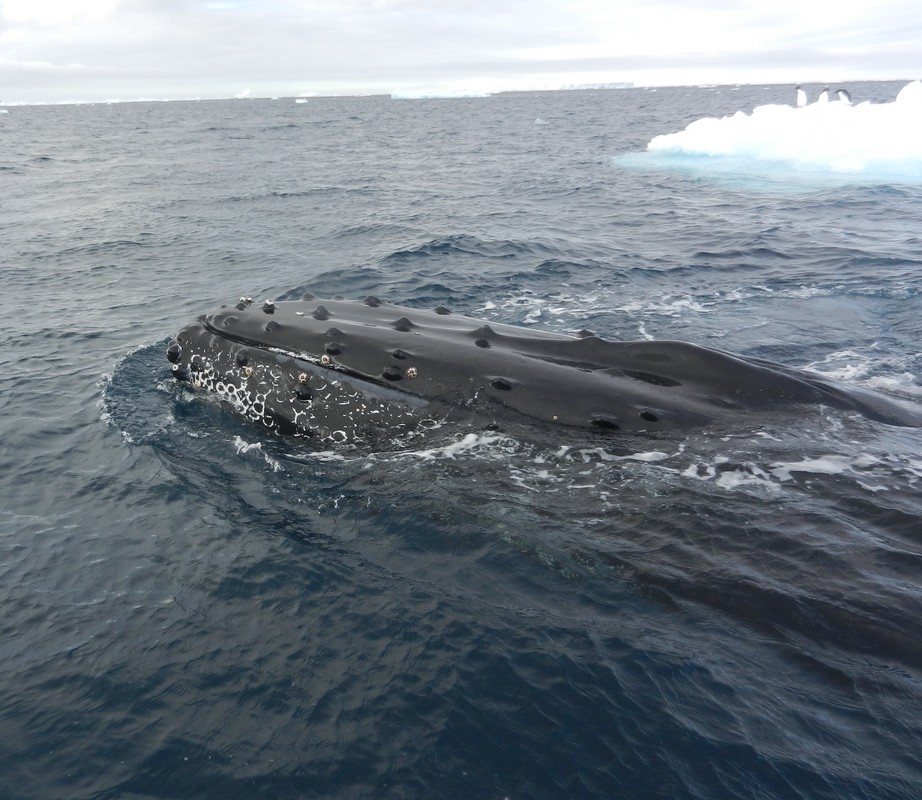
humpback whale in Antarctica
The evolution of the International Whaling Commission – from  whaling quotas to whale conservation
June 10, 2026
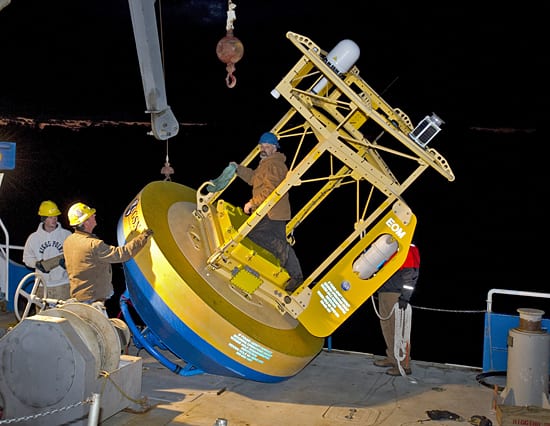
Isn’t ironic, don’t you think: dismantling the Ocean Observatories Initiative on World Oceans Day
June 9, 2026
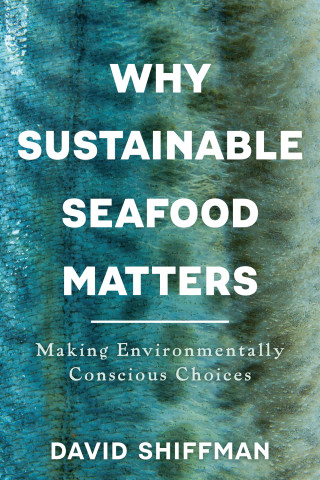
“Why Sustainable Seafood Matters” is now available for preorder! Here’s what it’s about, and why I decided to write it.
June 8, 2026
Here’s how to join my IMCC8 symposium, “Ocean Science Communication: What’s New and What’s Next?”
April 22, 2026
Deep Sea Mining Symposium Announcement
April 21, 2026

Quick Tips for Graduate Student Life – Invest in a Good Navy Blazer

Posted on January 21, 2014January 18, 2014 By Andrew Thaler 1 Comment on Quick Tips for Graduate Student Life – Invest in a Good Navy Blazer
Uncategorized

Over the last few years, I’ve written several posts on surviving graduate school, including dealing with expectations, managing your finances, coping with failure, and some more general advice. During that process, I’ve also come up with some small, helpful tips that just don’t fit into a broader theme. It seems a shame to let those tips disappear, so, for the next week I’ll be posting Andrew’s Quick Tips for Surviving Graduate School. 


Tip #2: Invest in a good navy blazer.

We’ve all heard the line: “you can dress however you want, as long as you do good science.” This is a lie. Don’t believe it. You will, during the course of you graduate student career, actually find yourself in situations where you will, most certainly, need to dress a bit more professionally than ripped jeans, keens, and a t-shirt. Scientific conferences, professional workshops, or meeting the people who fund your grants all require at least an attempt a formality. And for that, there is the Navy Blazer*.

Read More “Quick Tips for Graduate Student Life – Invest in a Good Navy Blazer” »

Quick Tips for Graduate Student Life – Get a Shop-Vac

Posted on January 20, 2014January 18, 2014 By Andrew Thaler
Uncategorized

Over the last few years, I’ve written several posts on surviving graduate school, including dealing with expectations, managing your finances, coping with failure, and some more general advice. During that process, I’ve also come up with some small, helpful tips that just don’t fit into a broader theme. It seems a shame to let those tips disappear, so, for the next week I’ll be posting Andrew’s Quick Tips for Surviving Graduate School. 


Tip #1: Get a Shop-Vac

Bear with me, here.

There’s a million different kinds of vacuum cleaners on the market, from super-cheap uprights to $1,500 technological behemoths. Unfortunately, graduate students live on a small-stipend, and cheap vacuums are cheap for a reason: they just don’t last. During my graduate school career, I burned through three dirt-cheap models (granted, we had a lot of square footage thanks to the low cost-of-living in rural North Carolina). You could scale up, get one of those nice, $200+ models that should last for years, but there is another option.

Read More “Quick Tips for Graduate Student Life – Get a Shop-Vac” »

Fun Science Friday – Mars One

Posted on January 17, 2014January 17, 2014 By Kersey Sturdivant
Uncategorized

Theoretical schematic of the Mars One habitat,  Photo Credit: Mars One
Theoretical schematic of the Mars One habitat,
Photo Credit: Mars One

Maybe you have heard about it, or maybe you haven’t, but Man… Man is headed to Mars! …. or at least Man is going to try!

In recent years space expeditions have shifted focus towards reaching the red planet. Of the different campaigns to travel to Mars, Mars One has probably gotten the most press recently. As stated on their site, Mars One’s goal is to establish a permanent human settlement on Mars. Crews of four will depart every two years, starting in 2024, with a first unmanned mission in 2018.

For good or bad, Mars One is taking the Colonialism Era approach. Send out explorers without the guarantee of return and see what happens. And despite the obvious one-way ticket approach of their endeavor, there are an abundant source of participants ready to step up for this, literally and figuratively, ‘once in a lifetime’ opportunity.  Mars One had over 200,000 applicants, and recently whittled  that field down to a little over a thousand. Over the next few years these individuals will undergo training that should in theory prepare them for one of the most daunting missions mankind has ever undertaken.

Read More “Fun Science Friday – Mars One” »

SciFund challenge background: 6 questions you can answer about shark feeding ecology with stable isotope analysis

Posted on January 14, 2014August 24, 2017 By David Shiffman
Science

scifundAs many of you have heard, I have a project in the 4th SciFund Challenge, a scientific research crowdfunding organization.  My project, entitled “You are what you eat: non-lethal feeding ecology to help conserve threatened sharks,” is part of my Ph.D. dissertation research. You’ll be hearing a lot more about it over the new few weeks here, on twitter, and on my Facebook page once the challenge officially starts on February 1st. I’d really appreciate your support of my research!

I’ll be using a research technique called stable isotope analysis to study the diet and food web interactions of shark species in Florida. My project (and the research technique) will be briefly explained on my SciFund site, but I wanted to go into more detail about the type of research questions that stable isotope analysis can answer, as well as why this kind of data is significant.

Feeding ecology is important to the conservation and management of sharks.

An emerging trend in marine conservation is “ecosystem based fisheries management”, which means that managers would consider the diet and food web interactions of species of interest. An effective ecosystem-based fisheries management plan would require, among other things, detailed diet and food web interaction data. We can better conserve and protect threatened marine life such as sharks if we better understand their biology and ecology, including what they eat. Over 100 priority research questions for shark conservation were identified in a 2011 research paper (available open access here), and several of these are related to feeding ecology and ecosystem role.

The traditional method for studying the diet of sharks is called stomach content analysis, which typically involves cutting open the stomach of a shark to examine what is inside. Southern Fried Science writer Chuck used a non-lethal alternative that involved pumping the sharks’ stomachs, but that is far less commonly performed. While direct and effective, this kind of lethal sampling research may not be appropriate for certain threatened species of sharks. Stable isotope analysis, which requires only a small tissue sample, can be performed non-lethally.

Stable isotope analysis background information

Read More “SciFund challenge background: 6 questions you can answer about shark feeding ecology with stable isotope analysis” »

Public passion for shark finning bans is great. How do we channel it towards other issues?

Posted on January 9, 2014January 9, 2014 By David Shiffman 14 Comments on Public passion for shark finning bans is great. How do we channel it towards other issues?
Conservation, Science

A recent proposal in New Zealand to outlaw shark finning received more than 45,000 public comments from all over the world, a staggering amount of public interest in fisheries policy. This is great news, because though many activists don’t really know what it means, shark finning is a major threat. Shark finning may well be the most brutal and wasteful method of gathering food in the history of human civilization, and  New Zealand was one of the few developed nations that still legally allowed any form of  the practice. Though there are still some significant issues with New Zealand’s proposal, it was  still very exciting to see so much public passion for an issue that few cared about, or even knew about, when I was growing up.

However, a finning ban is merely a first step, for the most part only controlling how sharks are killed, not how many are killed. A recent study showed that finning bans alone were insufficient to ensure sustainable fisheries. In many nations (including the United States), the interested public has a role to play in implementing all or most of the next steps a comprehensive sustainable fisheries policy for sharks and other fishes. Unfortunately, we haven’t seen anywhere near the same level of public engagement in other shark conservation issues as we see for big, flashy issues like bans on finning.

Read More “Public passion for shark finning bans is great. How do we channel it towards other issues?” »

Are you Prepared for the end of the world? An excerpt from my latest novella

Posted on January 8, 2014January 8, 2014 By Andrew Thaler
Popular Culture

preparedPrepared: A novella from the world of Fleet went live in the Amazon Kindle store this afternoon. This short story expands on the world the we first encountered in Fleet, where sea level rise and global pandemic have reduced human civilization to a few scattered enclaves. In Prepared, we are taken to the beginning of the end, the fall of the last major coast metropolis, where a small group of doomsday preppers are making their final stand.

You can find Prepared on Amazon and at Smashwords. Nook, iBook, and other editions are coming.

Excerpted below is chapter 1: Bug Out.


Read More “Are you Prepared for the end of the world? An excerpt from my latest novella” »

Debunking Fukushima: Your Radiation Roundup

Posted on January 8, 2014January 8, 2014 By Andrew Thaler 9 Comments on Debunking Fukushima: Your Radiation Roundup
Blogging, Science

Fukushima continues to dominate the ocean news cycle, and while no one is denying that it is a real and ongoing tragedy, the woo is strong in the Fukushima fear-mongering community. Fortunately, the scientists are out in force, debunking the bunk and cutting through the crap to keep you informed. Here is a handy collection of detailed links, from trusted source, tackling some of the most egregious pseudoscience coming out of Fukushima.

Southern Fried Science

  • 28 fallacies about the Fukushima nuclear disaster’s effect on the US West Coast

Deep Sea News

  • True facts about Ocean Radiation and the Fukushima Disaster
  • Three Reasons Why Fukushima Radiation Has Nothing to Do with Starfish Wasting Syndrome
  • Is the sea floor littered with dead animals due to radiation? No.
  • All The Best, Scientifically Verified, Information on Fukushima Impacts

Skeptoid

  • Are Your Days of Eating Pacific Ocean Fish Really Over?
  • More Fukushima Scaremongering Debunked
  • Dire Warnings and Melting Starfish: Fukushima Fearmongering, Volume 3

If you know of any other good articles debunking Fukushima fear-mongering, please leave them in the comments below.

If you feel the need to accuse any of the authors above of being shills for Big Nuclear, The Government, any Secret Board of Shadowy Figures, Tepco, or any combination thereof, I have an experiment for you: This website is ad free and run entirely by volunteers. Head on over the our “Support Southern Fried Science Page” and make a donation help to keep us running. Maybe, if you donate enough, we’ll start shilling for you (disclaimer: we won’t, but we will continue to produce high quality marine science and conservation articles from a diversity of voices).

Read More “Debunking Fukushima: Your Radiation Roundup” »

New Month, New Header Image

Posted on January 7, 2014 By Andrew Thaler
Blogging

This month we’re featuring Spot Prawn, by Lee Stevens. You can follow Lee on twitter @least_evens! If you would like to see you marine science and conservation themed image featured on Southern Fried Science, you can find more information here.

First Bluefin Tuna sells for $70,000 at Tsukiji Fish Auction (UPDATED)

Posted on January 4, 2014January 7, 2014 By Andrew Thaler 1 Comment on First Bluefin Tuna sells for $70,000 at Tsukiji Fish Auction (UPDATED)
Conservation

Update: The blog Food, Sake, Tokyo has the numbers for this year’s auction. Perhaps most interesting, per kilogram the first tuna of the year wasn’t the most expensive fish. A 168-kg fish sold for $382 per kilo (~$64,000 total) compared to $305 per kg for the first fish of the year. In an unexpected turn, … Read More “First Bluefin Tuna sells for $70,000 at Tsukiji Fish Auction (UPDATED)” »

Fun Science Friday – BP Oil Spill Impacts Dolphins

Posted on January 3, 2014January 7, 2014 By Kersey Sturdivant 2 Comments on Fun Science Friday – BP Oil Spill Impacts Dolphins
Uncategorized

Happy Fun Science Friday!

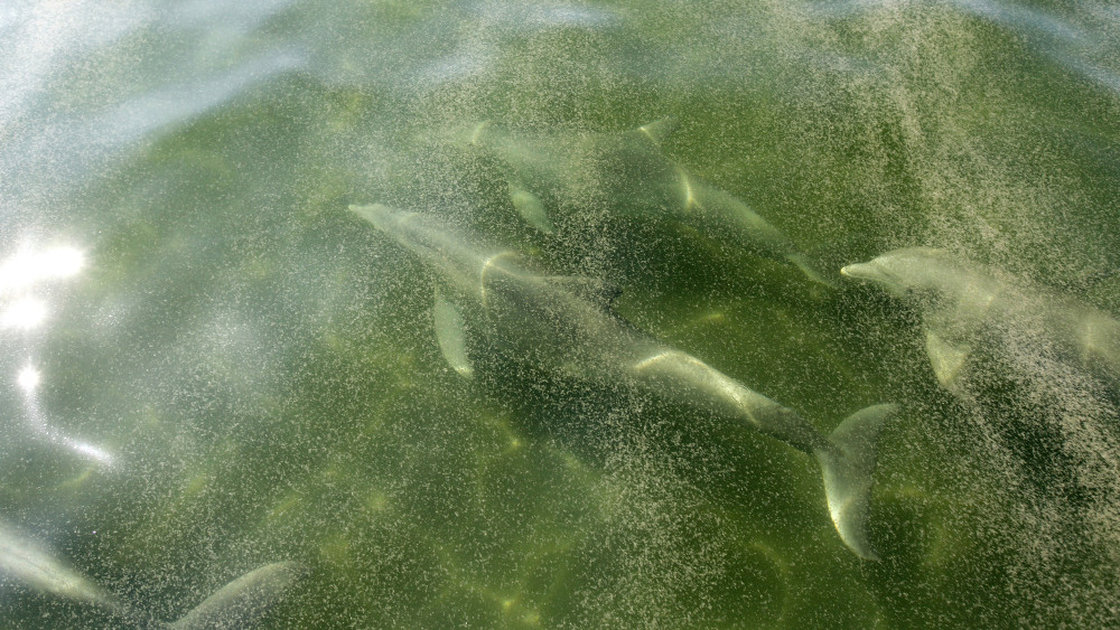
Though this post does not present such a happy story, given the recent discussion about dolphin photobombing, this week’s FSF is topically related.  In the spring of 2010 the Deepwater Horizon oil rig experienced catastrophic failure resulting in the worst oil spill in human history. The Gulf of Mexico (GoM) was the unfortunate host of this catastrophe and the GoM community is still feeling the ecological, social, and economic consequences of this disaster.

Pod of bottlenose dolphins swimming underneath oily water of Chandeleur Sound, La., May 6, 2010. Photo Credit: Alex Brandon/AP
Pod of bottlenose dolphins swimming underneath oily water of Chandeleur Sound, La., May 6, 2010.
Photo Credit: Alex Brandon/AP

One such impact that received little TV coverage during the spill was the uncharacteristic spike in dolphin deaths. A few months following the BP spill there was an unprecedented spike in dead dolphins washing ashore along the Gulf Coast; 67 dead dolphins by February of 2011, with more than half (35) of the dead dolphins being calves. This is in stark contrast to years preceding the spill when one or two dead dolphins per year were normally documented to wash ashore.  Despite the spike in dolphin deaths, there was no definitive evidence linking the dead cetaceans to the oil spill as a number of other factors could have been responsible for the deaths, including infectious disease or the abnormally cold winter proceeding the spill.

Read More “Fun Science Friday – BP Oil Spill Impacts Dolphins” »

Posts pagination

Previous 1 … 114 115 116 … 273 Next

Popular Posts

That's not a blobfish: Deep Sea Social Media is Flooded by AI SlopThat's not a blobfish: Deep Sea Social Media is Flooded by AI SlopDecember 19, 2025Andrew Thaler
What Ocean Ramsey does is not shark science or conservation: some brief thoughts on "the Shark Whisperer" documentaryWhat Ocean Ramsey does is not shark science or conservation: some brief thoughts on "the Shark Whisperer" documentaryJuly 2, 2025David Shiffman
Screaming into the void - Why your scientific paper doesn’t matterScreaming into the void - Why your scientific paper doesn’t matterJune 18, 2026Chris Parsons
Ageism in the conservation job marketAgeism in the conservation job marketJune 19, 2026Chris Parsons
I can serve on your graduate thesis committee. Here’s what you can expect of me, and what I expect in return.I can serve on your graduate thesis committee. Here’s what you can expect of me, and what I expect in return.October 16, 2025David Shiffman
The story of the pride flag made from NASA imagery: Bluesky's most-liked imageThe story of the pride flag made from NASA imagery: Bluesky's most-liked imageSeptember 27, 2024David Shiffman
What is a Sand Shark?What is a Sand Shark?November 12, 2017Chuck Bangley
The next OpenCTD is here!The next OpenCTD is here!June 22, 2026Andrew Thaler
Shark of Darkness: Wrath of Submarine is a fake documentaryShark of Darkness: Wrath of Submarine is a fake documentaryAugust 10, 2014Michelle Jewell
Our favorite sea monsters – Ningen (#4)Our favorite sea monsters – Ningen (#4)September 7, 2010Andrew Thaler

squishy

Subscribe to our RSS Feed for updates whenever new articles are published.

We recommend Feedly for RSS management. It's like Google Reader, except it still exists.

Southern Fried Science

  • Home
  • About SFS
  • Authors
  • Support SFS


If you enjoy Southern Fried Science, consider contributing to our Patreon campaign.

Copyright © 2026 Southern Fried Science.

Theme: Oceanly Premium by ScriptsTown