

Skip to content

Southern Fried Science

Over 15 years of ocean science and conservation online

  • Home
  • About SFS
  • Authors
  • Support SFS

Recent Posts

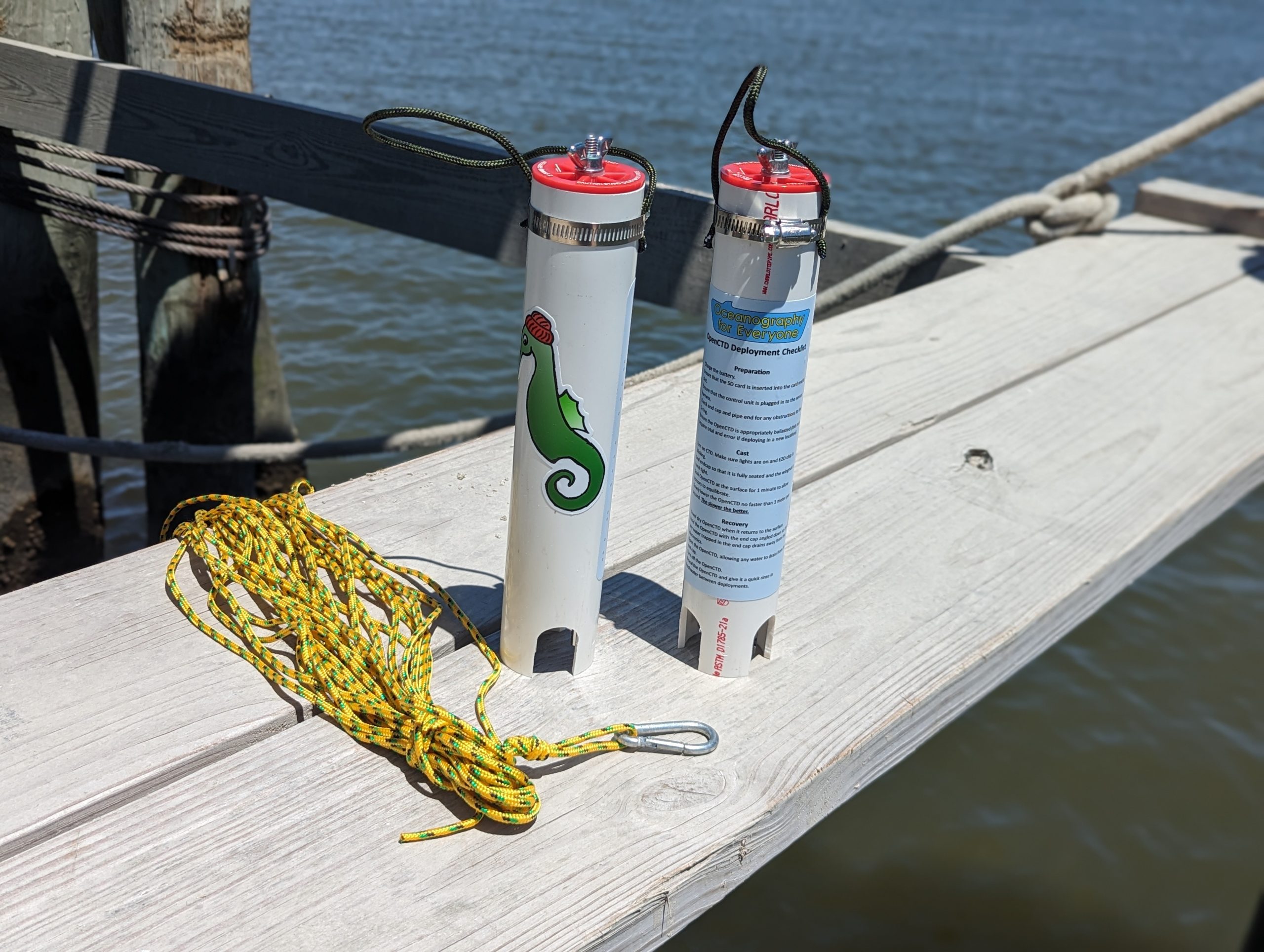
The next OpenCTD is here!
June 22, 2026
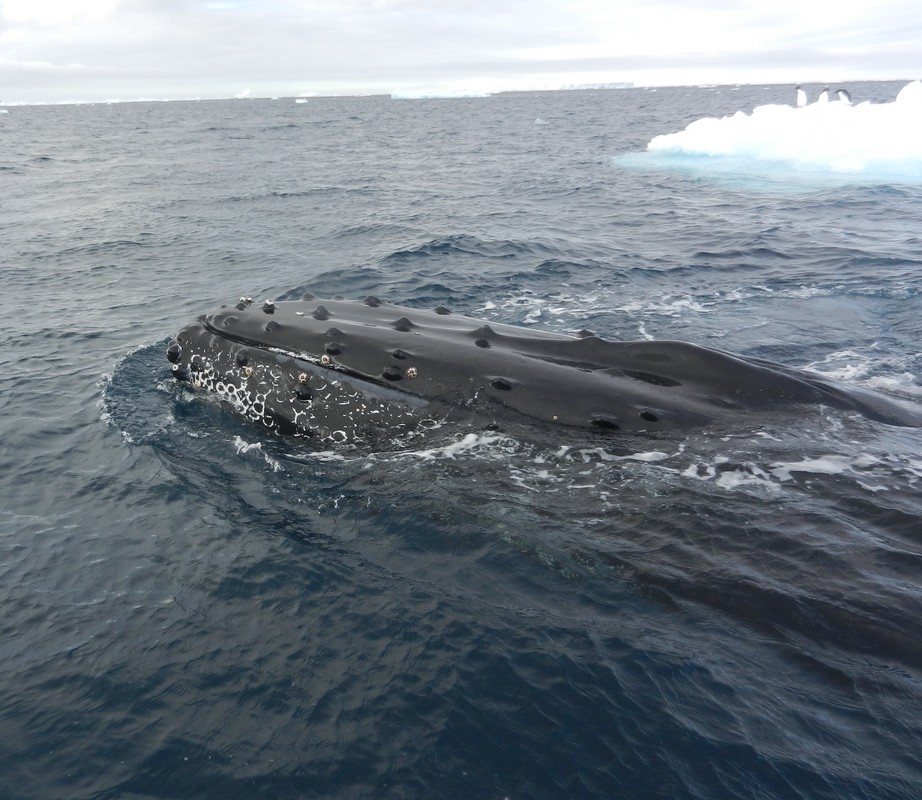
humpback whale in Antarctica
The evolution of the International Whaling Commission – from  whaling quotas to whale conservation
June 10, 2026
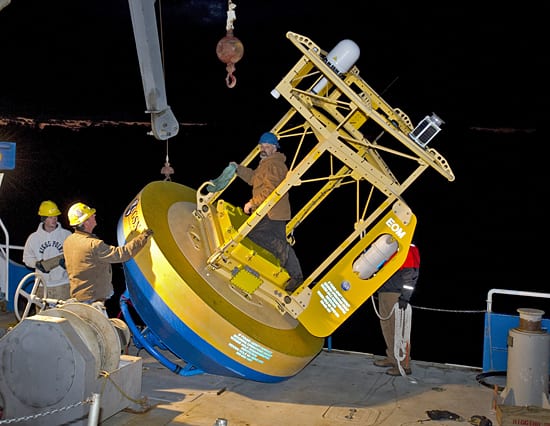
Isn’t ironic, don’t you think: dismantling the Ocean Observatories Initiative on World Oceans Day
June 9, 2026
“Why Sustainable Seafood Matters” is now available for preorder! Here’s what it’s about, and why I decided to write it.
June 8, 2026
Here’s how to join my IMCC8 symposium, “Ocean Science Communication: What’s New and What’s Next?”
April 22, 2026
Deep Sea Mining Symposium Announcement
April 21, 2026

Book review: are dolphins really smart?

Posted on January 29, 2014January 30, 2014 By Guest Writer 6 Comments on Book review: are dolphins really smart?
Blogging, Reviews and Interviews

melMel Cosentino obtained her Degree in Environmental Biology at the Universidad de Málaga (Spain) and her MRes in Applied Marine and Fisheries Ecology at the University of Aberdeen (UK). She has been involved in cetacean research since 1998, starting as a volunteer for Fundación Orca Patagonia-Antártida in Argentina (her country of birth) working in educational campaigns against killer whale captivity. Since then she has participated in several research projects in Spain, Portugal and Norway.  Mel has conducted field work, both from land and at sea, focused on different cetacean species, including killer whales, Risso’s dolphins and Northern bottlenose whales. In addition, she participated in the Annual meeting of the IWC as part of the Luxembourgish delegation, both in 2011 and 2012.


“The fact that an opinion has been widely held is no evidence whatsoever that it is not utterly absurd; indeed in view of the silliness of the majority of mankind, a widespread belief is more likely to be foolish than sensible” (Bertrand Russell)
gregg bookThis is how the book “Are dolphins really smart?” by Dr. Justin Gregg starts. It has been recently published and it is available in several countries, including the US and the UK. Moreover there have been a large number of newspaper and web stories based on the conclusions of the book, most along the lines of “dolphins are no smarter than chickens” “Flipper is a thug!” and “dolphins are dumb” This led to a rebuttal article published in Southern Fried Science when David Shiffman interviewed the author and some cetacean scientists about the media frenzy spawned by the book’s release. Studying animal cognition is no easy task, and Dr. Gregg has put together a great amount of information; however, I believe the reader will be confused and misled by some of the comments and statements made by the author, a scientist who holds a PhD and who claims to be analysing the evidence “as impartially as possible with a sincere desire to let objectivity take centre stage”.

It would be impossible to critique the thesis of the book point by point, so I have compiled the topics I consider to be more problematic.
Read More “Book review: are dolphins really smart?” »

5 fantastic nautical science fiction novels

Posted on January 27, 2014March 4, 2018 By Andrew Thaler 5 Comments on 5 fantastic nautical science fiction novels
Popular Culture

Enterprise versus Enterprise. From ForeignPolicy.com

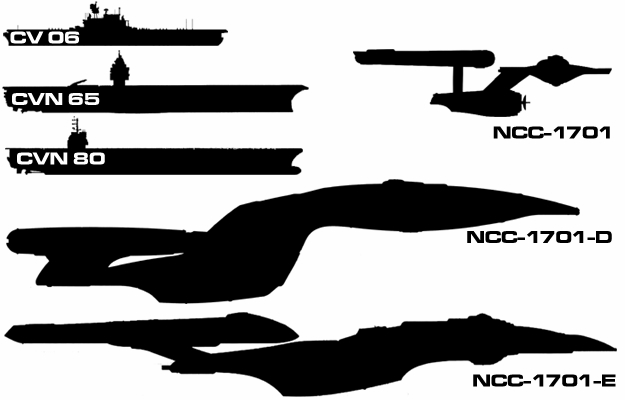
One thing I’ve discovered by publishing my first work of nautical science fiction is that the field is incredibly small. There just doesn’t seem to be that many SciFi writers taking their stories out to sea. This seems strange to me, as most of the great space operas are really nautical tales. There’s a reason that TV Tropes has an exhaustive list of entries under “Space is an Ocean” (and, for that matter, “Space Whale“, because we can’t ever have enough Moby-Dick-in-Space stories). It isn’t a coincidence that the US Navy has named at least 7 ships Enterprise (FYI, the aircraft carrier CVN-80 Enterprise is actually bigger than the starship NCC-1701 Enterprise).

So here are my 5 favorite maritime science fiction stories.

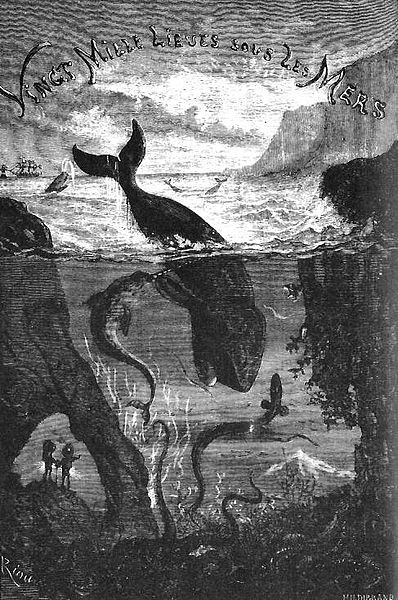
Title page for 20,000 Leagues by Jules Verne

Twenty Thousand Leagues Under the Sea by Jules Verne.

The Grand Daddy of maritime science fiction, 20,000 Leagues still holds up. Even though the science is dated, Verne’s insight shines through, predicting the deep-sea gold rush more than 100 years before we even knew about the geologic formations that would produce seafloor massive sulfides. Considering that almost one-fifth of all deep-sea hydrothermal vents are currently at risk for deep-sea mining, Captain Nemo’s declaration that “in the depths of the ocean, there are mines of zinc, iron, silver and gold that would be quite easy to exploit” is particularly prescient.

Read More “5 fantastic nautical science fiction novels” »

7 ways to make beaches safer without killing sharks

Posted on January 26, 2014January 27, 2014 By David Shiffman 12 Comments on 7 ways to make beaches safer without killing sharks
Uncategorized

This past weekend, the shark cull officially began in Western Australia as the first shark was killed. The scientific evidence is clear that culls do not lessen people’s risk of shark attacks, and more than 100 scientific experts from around the world have signed an open letter opposing this cull.  While the only sure way to reduce the risk of a shark bite by 100% is to stay out of the water, there are many strategies that actually can reduce someone’s risk significantly without harming populations of threatened animals.

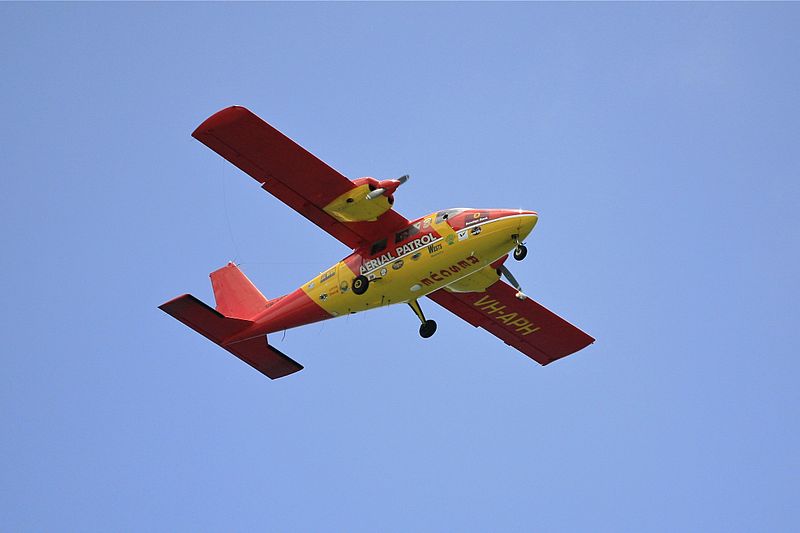
1) Aerial patrols. Planes or helicopters flying above the beach can help identify when potentially dangerous sharks are present. The Australian Aerial Patrol has done this for decades. Though the spotting rate is relatively low and the patrols are expensive,  new technologies like drones can help reduce the cost of these patrols.

Photo via Russavaia, WikiMedia Commons

Read More “7 ways to make beaches safer without killing sharks” »

Your help needed: Oppose a weakened shark finning ban in Maryland

Posted on January 26, 2014January 26, 2014 By David Shiffman 56 Comments on Your help needed: Oppose a weakened shark finning ban in Maryland
Science

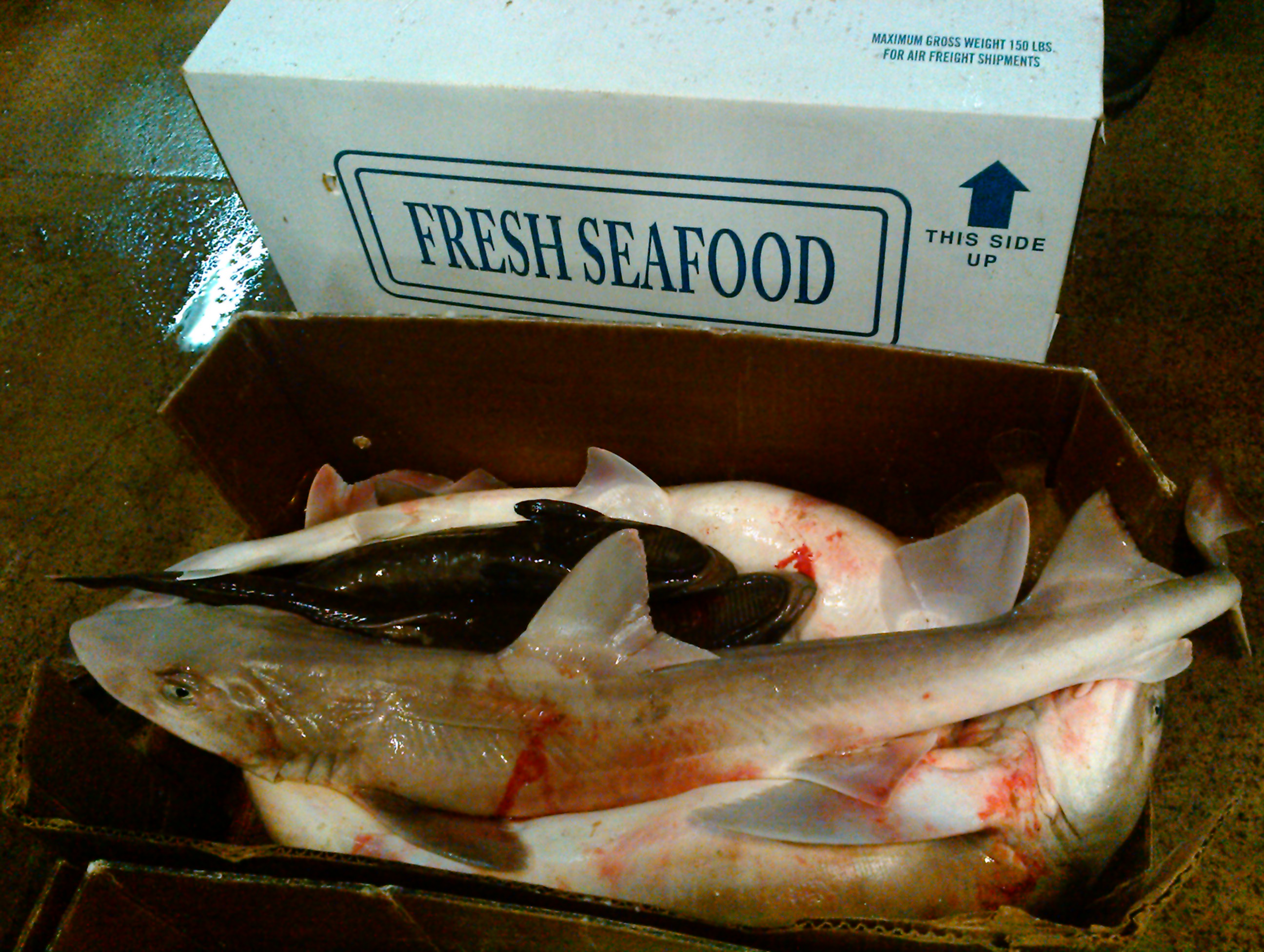
The state of Maryland is proposing new regulations that would, among other things, weaken the state ban on shark finning by allowing fishermen to remove the fins of smoothhound sharks at sea,  as long as the ratio of the weight of the fins does not exceed 12% of the ratio of the carcasses. These “fin ratios” are already troubling and ineffective ways to enforce finning bans. Landing sharks with fins naturally attached is considered the best practice for shark fisheries management. A 12% ratio is exceptionally high (3.5-5% are common ratios worldwide) and risks enabling unscrupulous fishermen to remove the fins of not only smoothhound sharks, but other species whose fins could be passed off as such. This makes it harder for managers to track how many sharks of which species are being killed.

In New York, smoothhounds are landed with fins naturally attached. They should be in Maryland, too! Photo credit: Sonja Fordham.
Some fishermen claim that smoothhound sharks can’t be landed with fins naturally attached, but this photo from New York challenges that notion.  Photo provided anonymously for this post.

Maryland’s Department of Natural Resources is taking public comments on this policy, which means that you can help!

Please send an e-mail to fisheriespubliccomment@dnr.state.md.us by the end of the day on Monday, January 27th containing the following information:

Read More “Your help needed: Oppose a weakened shark finning ban in Maryland” »

Abnormal is the New Normal: Shifting Baselines, Polar Vortices, and Climate Change

Posted on January 24, 2014January 24, 2014 By Andrew Thaler 1 Comment on Abnormal is the New Normal: Shifting Baselines, Polar Vortices, and Climate Change
Science

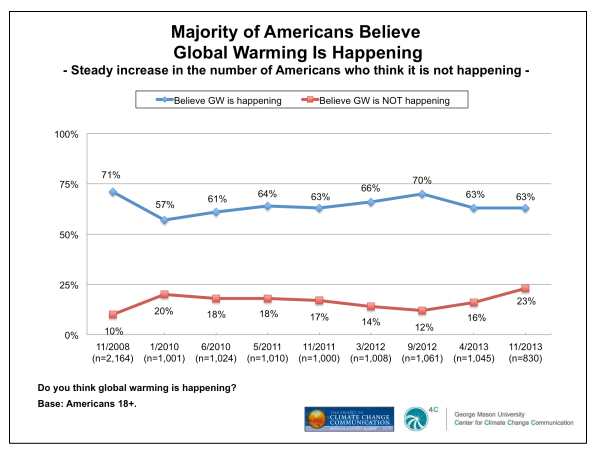
The Polar Vortex, a mass of cold air usually centered around points within the Arctic Circle, made a visit south for the second time in 2014. The Vortex brings freezing weather, snow, and ice to regions that are unaccustomed to such extreme conditions. It also brings with it a new spate of “so much for global warming” talking-points, fresh on the heals of a recent report revealing that Climate Change Denial is at an all time high.

CCD

Unfortunately for the climate change denial industry, Polar Vortices are well-understood atmospheric phenomena. They were documented as early as 1853 as currents of cold air that essentially circle the poles. High-altitude observations in the 1950’s revealed the occurrence of sudden stratospheric warming (SSW) in the Arctic Polar Vortex. These SSW’s can cause a the vortex to weaken or reverse directions, allowing it to drift off axis or split into several smaller vortices. When weakened vortices contact the jet stream, cold arctic air is forced south, resulting in anomalously cold temperatures.

The obvious next question is: Is the weakened polar vortex caused by climate change?

Read More “Abnormal is the New Normal: Shifting Baselines, Polar Vortices, and Climate Change” »

Quick Tips for Graduate Student Life – Eat Good Food

Posted on January 24, 2014January 18, 2014 By Andrew Thaler
Uncategorized

Over the last few years, I’ve written several posts on surviving graduate school, including dealing with expectations, managing your finances, coping with failure, and some more general advice. During that process, I’ve also come up with some small, helpful tips that just don’t fit into a broader theme. It seems a shame to let those tips disappear, so, for the next week I’ll be posting Andrew’s Quick Tips for Surviving Graduate School. 


Tip #5: Eat good food

Don’t eat like a rabbit*. Maintaining a healthy lifestyle in the midst of grad school can be extremely challenging for some people. Your schedule is often unpredictable. Your income is limited. You might have a university dining hall that just seems so convenient. You may think that you simply don’t have the time to prepare a decent meal. It seems so easy to grab a quick burger from the fast food joint down the street, grab a cheesy burrito to go from the dining hall, or pop a frozen pizza into the oven.

Read More “Quick Tips for Graduate Student Life – Eat Good Food” »

Quick Tips for Graduate Student Life – Write a Book Review

Posted on January 23, 2014January 19, 2014 By Andrew Thaler
Uncategorized

Over the last few years, I’ve written several posts on surviving graduate school, including dealing with expectations, managing your finances, coping with failure, and some more general advice. During that process, I’ve also come up with some small, helpful tips that just don’t fit into a broader theme. It seems a shame to let those … Read More “Quick Tips for Graduate Student Life – Write a Book Review” »

Fisherman catches cosmopolitan planktonic tunicate. You’ll never guess what various news agencies are calling it.

Posted on January 22, 2014January 22, 2014 By Andrew Thaler 3 Comments on Fisherman catches cosmopolitan planktonic tunicate. You’ll never guess what various news agencies are calling it.
Science

“Translucent fish leaves New Zealand fisherman stunned” ~UK Metro

“Shrimp-like Translucent Sea Creature Found off Northland’s East Coast” ~Science World Report

“Now that’s a jelly fish! Stunned fisherman catches wobbly shrimp-like creature” ~Daily Mail

And another half-dozen variations on translucent, fish, shrimp, and baffled.

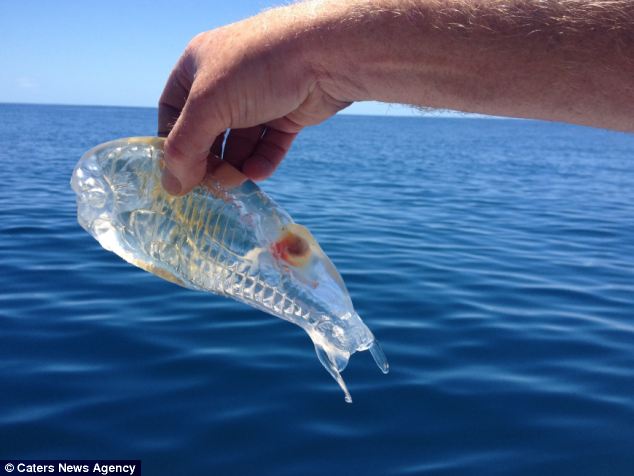
article-2543194-1AD845CC00000578-850_634x476This creature, whose image has gone viral in the last few days, is a salp. Salps are pelagic tunicates that drift through the open ocean, sometimes solitary, but often in large aggregations. It both swims and feed by pumping water through its body, filtering out plankton and expelling a jet of water from an organ called the excurrent siphon. In the water they look quite majestic.

Read More “Fisherman catches cosmopolitan planktonic tunicate. You’ll never guess what various news agencies are calling it.” »

Quick Tips for Graduate Student Life – Ask for Free Textbooks

Posted on January 22, 2014January 22, 2014 By Andrew Thaler 2 Comments on Quick Tips for Graduate Student Life – Ask for Free Textbooks
Uncategorized

Over the last few years, I’ve written several posts on surviving graduate school, including dealing with expectations, managing your finances, coping with failure, and some more general advice. During that process, I’ve also come up with some small, helpful tips that just don’t fit into a broader theme. It seems a shame to let those tips disappear, so, for the next week I’ll be posting Andrew’s Quick Tips for Surviving Graduate School. 


Tip #3: Ask for free textbooks

This one is so simple it’s often completely overlook. Textbooks are expensive. They get more specialized and more expensive as you advance. If you’re lucky, you have access to an awesome library that will stock whatever you need. Sometimes, you won’t be that lucky.

Read More “Quick Tips for Graduate Student Life – Ask for Free Textbooks” »

First systematic threat analysis reveals that 1/4 of sharks, rays, and chimaeras are threatened with extinction

Posted on January 21, 2014 By David Shiffman
Conservation, Science

It took a team of over 300 scientists nearly two decades, but the first systematic analysis of the conservation status of chondrichthyans (sharks, rays and chimaeras) has been completed. The results, published today (open access) in a paper titled “Extinction risk and conservation of the world’s sharks and rays,” are chilling.

“Our unprecedented analysis shows that sharks and their relatives – which make up one of the earth’s oldest and most ecologically diverse groups of animals  —  are facing an alarmingly elevated risk of extinction,” said Dr. Nick Dulvy, IUCN SSG Co-Chair and Professor at Simon Fraser University in British Columbia.

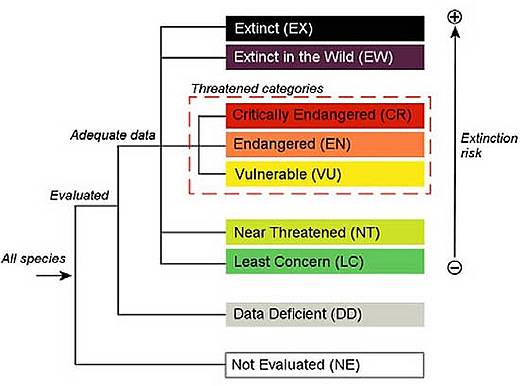
As of the writing of this paper, the IUCN Shark Specialist Group recognized 1,041 species of chondrichthyans. However,  a new species is described, on average, every two or three weeks! Out of these 1,041 species of chondrichthyans, approximately one in four are considered “Threatened” by IUCN Red List criteria;  113 species are Vulnerable, 43 are Endangered, and 25 species are Critically Endangered. 487 species are considered Data Deficient, but the IUCN Shark Specialist Group estimates that 68 of them are likely to be Threatened as well! Most alarmingly, only 23% of known chondrichthyan species are considered Least Concern, the lowest percentage out of any group of vertebrates on land or sea!

A hierarchy of IUCN Red List categories. Note that "Threatened" includes Vulnerable, Endangered, and Critically Endangered
A hierarchy of IUCN Red List categories. Note that “Threatened” includes Vulnerable, Endangered, and Critically Endangered

One of the two main factors influencing Threatened status is the size of the animal. Larger bodied species are sensitive to overfishing because they typically have a life history with slow growth, late age at maturity, and relatively few offspring. Additionally, living in coastal habitats (in other words, close to humans) makes a species more likely to be Threatened.

Read More “First systematic threat analysis reveals that 1/4 of sharks, rays, and chimaeras are threatened with extinction” »

Posts pagination

Previous 1 … 113 114 115 … 273 Next

Popular Posts

That's not a blobfish: Deep Sea Social Media is Flooded by AI SlopThat's not a blobfish: Deep Sea Social Media is Flooded by AI SlopDecember 19, 2025Andrew Thaler
What Ocean Ramsey does is not shark science or conservation: some brief thoughts on "the Shark Whisperer" documentaryWhat Ocean Ramsey does is not shark science or conservation: some brief thoughts on "the Shark Whisperer" documentaryJuly 2, 2025David Shiffman
Screaming into the void - Why your scientific paper doesn’t matterScreaming into the void - Why your scientific paper doesn’t matterJune 18, 2026Chris Parsons
Ageism in the conservation job marketAgeism in the conservation job marketJune 19, 2026Chris Parsons
I can serve on your graduate thesis committee. Here’s what you can expect of me, and what I expect in return.I can serve on your graduate thesis committee. Here’s what you can expect of me, and what I expect in return.October 16, 2025David Shiffman
The story of the pride flag made from NASA imagery: Bluesky's most-liked imageThe story of the pride flag made from NASA imagery: Bluesky's most-liked imageSeptember 27, 2024David Shiffman
What is a Sand Shark?What is a Sand Shark?November 12, 2017Chuck Bangley
Shark of Darkness: Wrath of Submarine is a fake documentaryShark of Darkness: Wrath of Submarine is a fake documentaryAugust 10, 2014Michelle Jewell
The next OpenCTD is here!The next OpenCTD is here!June 22, 2026Andrew Thaler
Our favorite sea monsters – Ningen (#4)Our favorite sea monsters – Ningen (#4)September 7, 2010Andrew Thaler

squishy

Subscribe to our RSS Feed for updates whenever new articles are published.

We recommend Feedly for RSS management. It's like Google Reader, except it still exists.

Southern Fried Science

  • Home
  • About SFS
  • Authors
  • Support SFS


If you enjoy Southern Fried Science, consider contributing to our Patreon campaign.

Copyright © 2026 Southern Fried Science.

Theme: Oceanly Premium by ScriptsTown