Uncategorized
The deep sea is worth saving!
Over 15 years of ocean science and conservation online
The deep sea is worth saving!

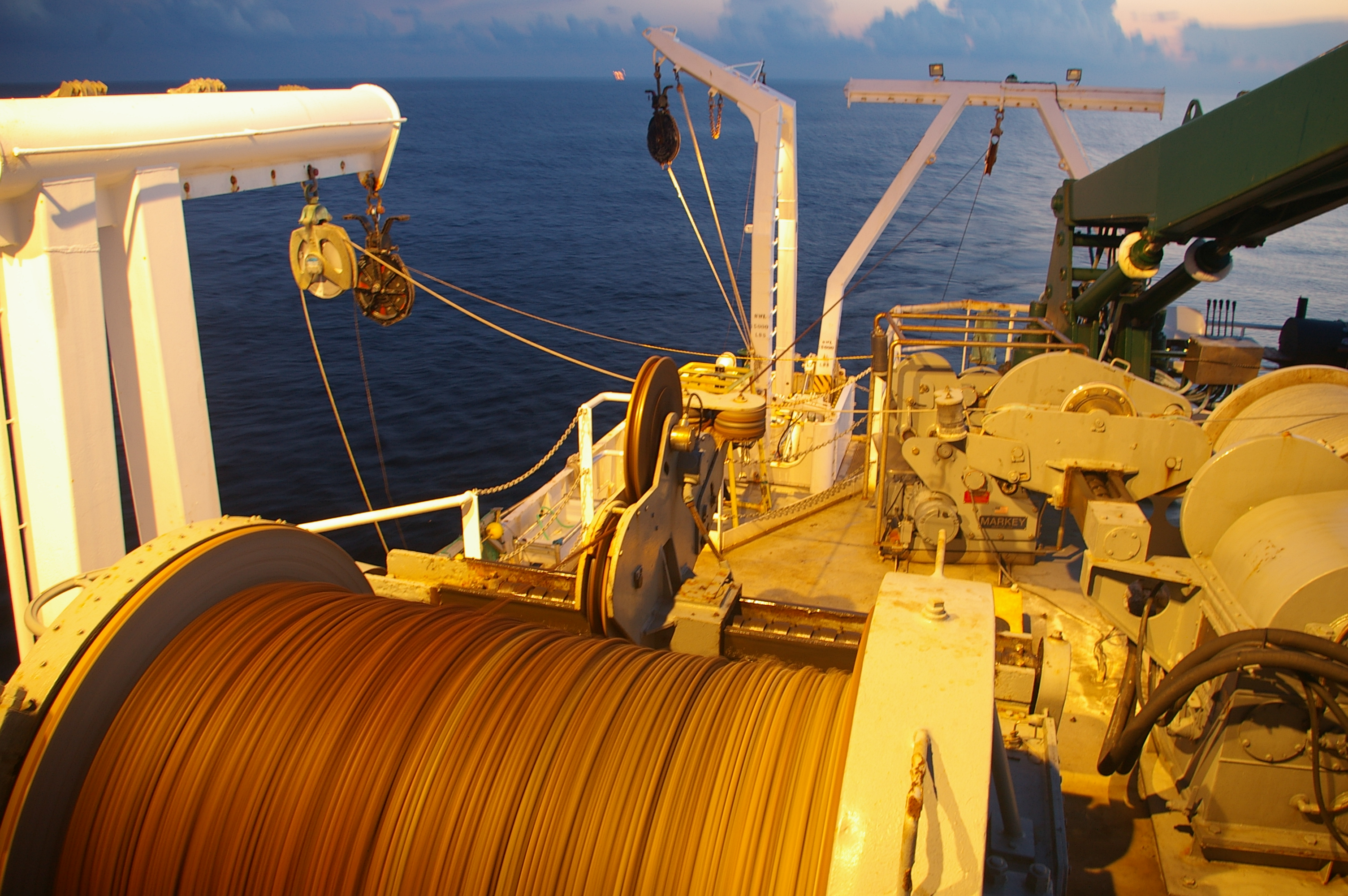
The A-frame shuddered as the box core, heavy with mud and reeking of sulfur, emerged from the water. We knew that it had found its mark 2300 meters below. Soft sediment from the seafloor oozed out the sides as I slid the safety pins into the spade arm. There was nothing visibly special about this mud. No ancient arthropods or primeval polychaetes crawled through this muck. It was a cubic meter of sticky, stinking glop. My first sample.
We were in the middle of the Gulf of Mexico, aboard the R/V Cape Hatteras. Our cruise objectives were to characterize the pelagic and benthic fauna associated with deep-sea methane seeps. For me, it was a ship of opportunity. In exchange for and extra set of hands to work the gear and process samples, I could add my own small research project to the cruise objectives. My goal was to collect sediment cores from multiple sites and survey the diversity of fungi associated with these methane seeps.
The 12 hour shifts rarely left me enough time to eat meals. Though I had never seen the equipment before we left port I became the acoustic tracking technician, out of necessity. Things consistently went wrong. Nets tore, gear broke, a misfired box core almost crushed my leg. Two hurricanes, one a category 5, hit the Gulf of Mexico while we were at sea. Work was exhausting and rest was brief, when existent. I loved every minute of it.
The end of that cruise was the high point of a 4 year project that began with unbridled optimism and early, exciting results, only to decay into drudgery, failure, desperation, and collapse. In the end, it would rise from the past for one small victory. In hindsight, so much of those four years seems painfully trivial, but this story is really about how much of a human being is poured into a scientific manuscript.
Read More “The importance of failure in graduate student training” »
In this week’s edition of Shark Science Monday, Jen Caselle of UC Santa Barbara discusses how the banning of gill nets in Southern California led to population recoveries of several species of sharks. If you have a question for Jen, leave it below and I’ll make sure she gets it.
Check out this trailer for “Shark Hope”, a soon-to-be-released documentary chronicling efforts to make a National Shark Sanctuary in Fiji! This movie is a partnership between Shark Defenders, the Coral Reef Alliance, and the Pew Environment Group. The movie will be released in Fiji later this month, and will soon be available online.

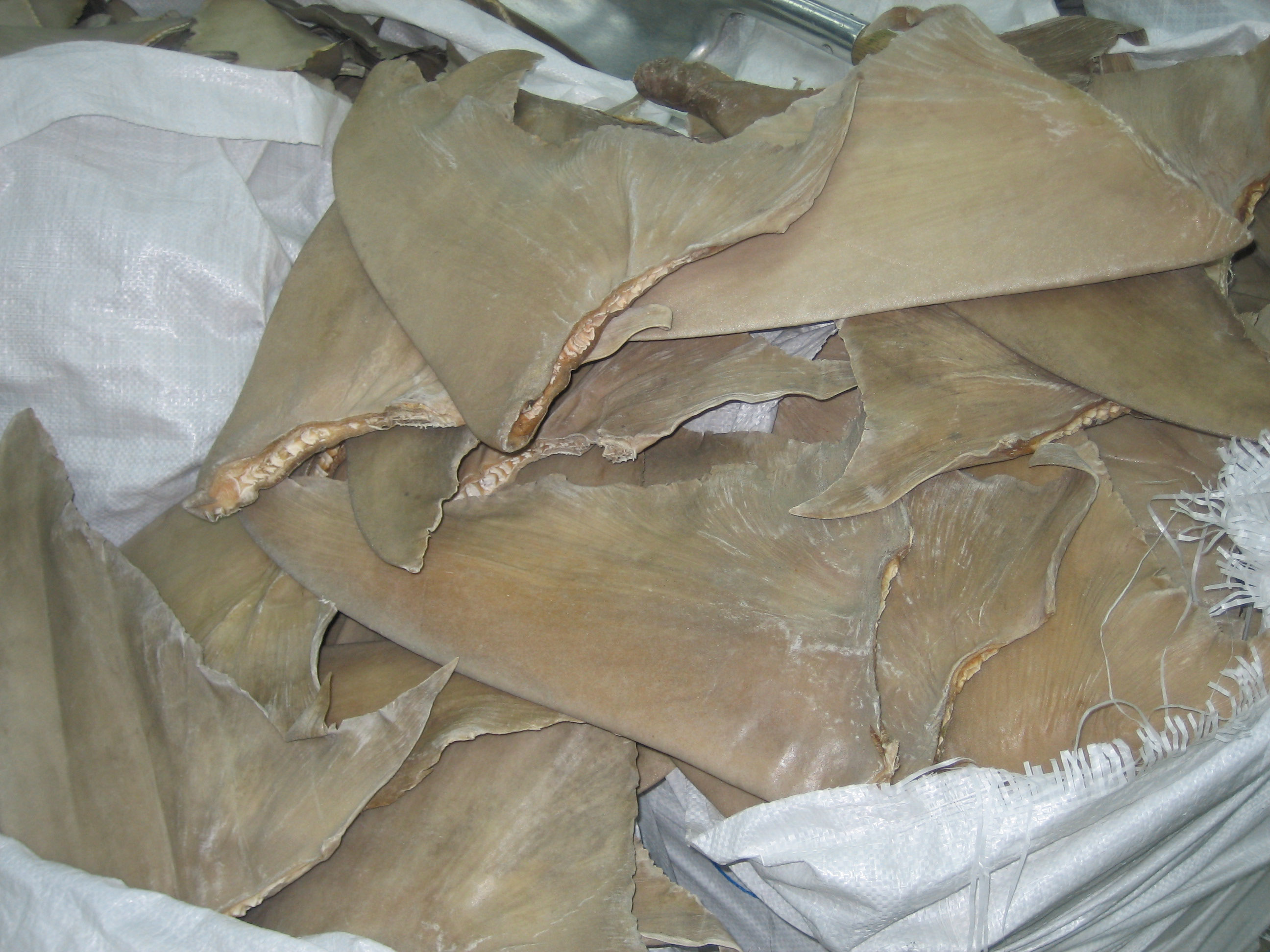
Earlier today, the California legislature voted to approve AB 376, the excitingly titled “act to add section 2021 to the Fish and Game Code, relating to sharks”. The ocean conservation community is happy, and we should be. The bill and its backing from Hollywood stars have generated substantial media coverage of the plight of sharks, and, if signed into law by the Governor and properly enforced, it could well save a lot of sharks. However, fin bans aren’t the perfect solution to the shark conservation crisis, and we still have a lot of work to do to protect sharks and closely related species around the world.
Read More “Hooray for California, but there’s still much work to be done to save sharks” »
On June 30th, while vacationing in the Turks and Caicos, a 28 year old man was bitten by a large shark. This particular attack got my attention in a hurry. For the first time in my life, a friend of mine was bitten by a shark. Obviously I know some shark biologists who have been bitten while handling sharks in the field, but that isn’t what happened in this case. This victim was simply snorkeling during a vacation. He agreed to answer some of my questions about the incident, and prefers to remain anonymous.
Read More “Shark bites snorkeler… who happens to be my friend” »
In this week’s edition of Shark Science Monday, Grant Galland from the Scripps Institution of Oceanography discusses marine protected areas and sharks. If you have a question for Grant, please leave it as a comment below and I’ll make sure he sees it.

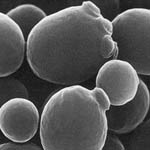
As our ancestors transitioned from hunter-gatherer to agricultural society, they had to domesticate the plants and animals we know today as farm life. Corn kernels became larger and more full of starch, cows became more docile, and all farm organisms became accustomed to life in rows or pastures tended by humans. But some of what we eat depends on more than just these plants and animals – example, take beer. A new study in PNAS by Diego Libkind et al. describes the domestication of the microbes and yeast needed to make lagers of old and describes an unwitting process paralleling agricultural domestication.
Read More “Happy Hour Science – Domesticating Microbes for Beer” »
ScienceLIVE will be featured noted marine biologists Dr. John Bruno and Dr. Mark Eakin who will be discussing the state and future of coral reefs. From the website: Coral reefs from Australia to the Gulf of Mexico are some of the planet’s most vibrant ecosystems. They’re also among the most threatened habitats in oceans today. … Read More “Saving Coral Reefs, today at 3 EDT” »

In the last century, humans have made dramatic changes to both local and global ecosystems. Some of these changes have been subtle and remained unnoticed until very recently, while others were so visible and so destructive that their names are indelibly etched into our collective consciousness. Despite a legacy of desolation, many of these places, unsafe and long-abandoned, have made dramatic recoveries. Standing tall, but not alone, among these environmental catastrophes is the melt-down of reactor 4 at the Chernobyl Nuclear Power Plant.