
Sea level rise. Desertification. Ocean acidification. Climategate. Permafrost. Greenland ice sheet. Hockey stick. The language of global climate change can be overwhelming. Every year, as we learn more about the ways that human activity fundamentally alter global processes, the subject becomes even broader and more complicated. Fortunately, world renowned oceanographer Orrin Pilkey and his son, Keith Pilkey, have produced a comprehensive and readable primer on global climate change. The strength of Global Climate Change: A Primer can be broken into three sections – the content, the conflict, and the illustrations.
For background, please see our original post – Secrets and Sulfur at the Morehead City Port. Over the last two days, I’ve dug through the PCS Phosphate Environmental Assessment, checked out some of the press reports, and talked to an insider from their Aurora facility. After pouring through what little data is available, I have six concerns that I would like to see addressed before this project is approved.

The news caught us by surprise. PCS Phospate, a division of Potash Corp. and one of the largest suppliers of fertilizer in the world is planing to build a Sulfur processing plant in Morehead City. Seemingly overnight, it had grown from a few rumors to an announcement that the final permitting and funding process was already underway. Initial planning began almost a year ago, and an environmental assessment was produce in in December 2010, but at no point during this year of closed door meetings was there ever a public review. The first official notice occurred when an adjacent landowner was informed of the expansion.

Bonnethead sharks have always occupied a special place in my heart (and in the photo of myself that I use for Southern Fried Science). These animals, a member of the hammerhead family, are some of the most abundant sharks along the coast of the Southeastern United States. While the IUCN Shark Specialist Group rates bonnetheads as “Least Concern”, the assessment noted that these sharks are subjected to heavy commercial and recreational fishing pressure.
Read More “World’s oldest known bonnethead shark captured in South Carolina!” »
This is a new weekly feature on Southern Fried Science where we’ll highlight 4 or 5 posts from other blogs in our network, and one post from outside our network published in the previous week. Posts of Note will run every Thursday, but the hosts will alternate among myself, Andrew, and Amy. Enjoy this week’s … Read More “Posts of Note from around the Gam – July 21, 2011” »
Click to embiggen.

Bluefin tuna have become a posterchild for the marine conservation movement. A single bluefin can sell for tens or even hundreds of thousands of dollars, which results in heavy fishing pressure. Conservationists and fisheries scientists have tried for years to get the fishing quota reduced. They tried to get CITES protection for the bluefin. Citing both heavy fishing pressure and the fact that the oil spill occurred in bluefin spawning grounds in the Gulf, some recently tried to get these animals protected under the Endangered Species Act. To date, these efforts have fallen short, resulting in just a modest quota reduction at ICCAT. New research, however, shows just how important protecting this group of fishes is.
Read More “New research lists tuna species as threatened; will fisheries managers act?” »

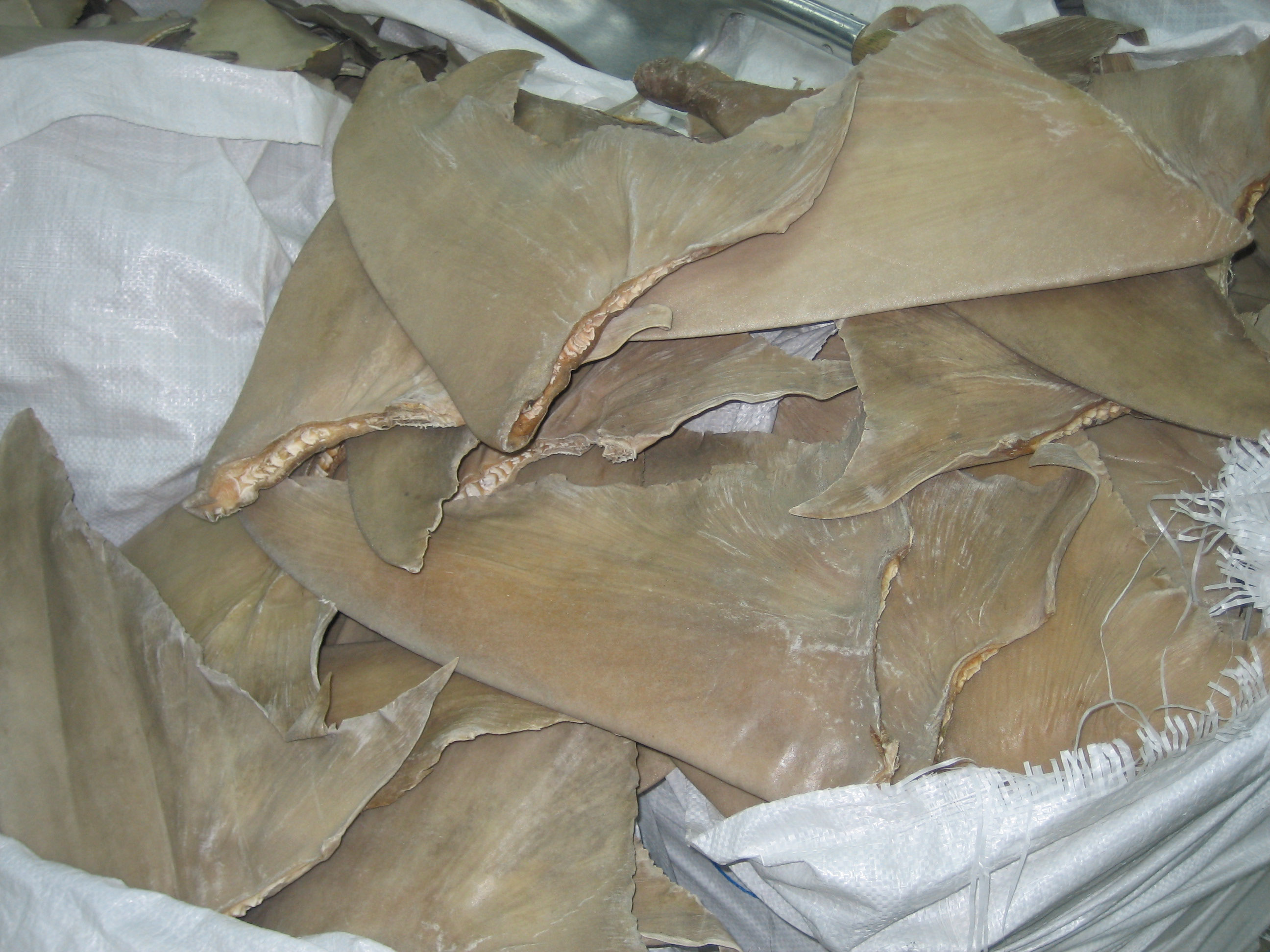
The Largetooth Sawfish (Pristis perotteti) is about to become the second elasmobranch protected by the Endangered Species Act, a welcome step in the conservation of these animals. In addition to the slow growth, low number of offspring, and relatively late maturity which characterizes most elasmobranchs, another biological feature contributes to sawfish being “among the most endangered fishes in the world,” according to Shark Advocates International President Sonja Fordham. It’s hard to imagine a biological structure that can get more thoroughly entangled in fishing nets than the “saw” on their rostrum, and bycatch is one of the leading causes of population decline in this group of animals. Additionally, the saw used to be a part of the souvenir trade.
A thousand thanks to all our readers who donated to the Bonehenge project. We managed to raise $300 this year, which we sent off this morning. As always, the donor plaque will read “southernfriedscience.com readers”. To date our readers have raised $500! Read more about Bonehenge here.
Check out my interview with Dr. Kiki Sanford on Dr. Kiki’s Science Hour. httpv://www.youtube.com/watch?v=Huf6ahIgShU And here’s a direct link for a high resolution version.