Uncategorized
Click to embiggen.
Over 15 years of ocean science and conservation online

Click to embiggen.
 Bluefin tuna have become a posterchild for the marine conservation movement. A single bluefin can sell for tens or even hundreds of thousands of dollars, which results in heavy fishing pressure. Conservationists and fisheries scientists have tried for years to get the fishing quota reduced. They tried to get CITES protection for the bluefin. Citing both heavy fishing pressure and the fact that the oil spill occurred in bluefin spawning grounds in the Gulf, some recently tried to get these animals protected under the Endangered Species Act. To date, these efforts have fallen short, resulting in just a modest quota reduction at ICCAT. New research, however, shows just how important protecting this group of fishes is.
Read More “New research lists tuna species as threatened; will fisheries managers act?” »
The Largetooth Sawfish (Pristis perotteti) is about to become the second elasmobranch protected by the Endangered Species Act, a welcome step in the conservation of these animals. In addition to the slow growth, low number of offspring, and relatively late maturity which characterizes most elasmobranchs, another biological feature contributes to sawfish being “among the most endangered fishes in the world,” according to Shark Advocates International President Sonja Fordham. It’s hard to imagine a biological structure that can get more thoroughly entangled in fishing nets than the “saw” on their rostrum, and bycatch is one of the leading causes of population decline in this group of animals. Additionally, the saw used to be a part of the souvenir trade.
A thousand thanks to all our readers who donated to the Bonehenge project. We managed to raise $300 this year, which we sent off this morning. As always, the donor plaque will read “southernfriedscience.com readers”. To date our readers have raised $500! Read more about Bonehenge here.
Check out my interview with Dr. Kiki Sanford on Dr. Kiki’s Science Hour. httpv://www.youtube.com/watch?v=Huf6ahIgShU And here’s a direct link for a high resolution version.

This week, Southern Fried Scientist and I have written about our personal adventures in making town life a little more sustainable. First, building a chicken coop – a deluxe one, complete with green roof and made out of recycled materials. Next, dwarf goats as milk-producing pets and clarifying some of the tall tales about goats (no, they don’t eat tin cans but yes, you can teach them to head butt on command). The chicken story continued with how to raise them – whether to get chicks or pullets, what they need as they grow to be egg producing hens or the cock-a-doodle-doo producing rooster. Plus, it’s hard to beat chicks in a basket. Finally, what you might have thought backyard agriculture was all about – the garden.
After our miniseries, you might be left wondering ‘now what’? Where to begin or maybe there’s still some hesitation over whether it’s all worth it. Here’s some other practical considerations you might think about before beginning your urban agriculture adventure.
Read More “Adventures in Backyard Agriculture: A Summary and More” »
This is a new weekly feature on Southern Fried Science where we’ll highlight 4 or 5 posts from other blogs in our network, and one post from outside our network published in the previous week. Posts of Note will run every Thursday, but the hosts will alternate among myself, David, and Amy. Enjoy this week’s … Read More “Posts of Note from around the Gam – July 7, 2011” »
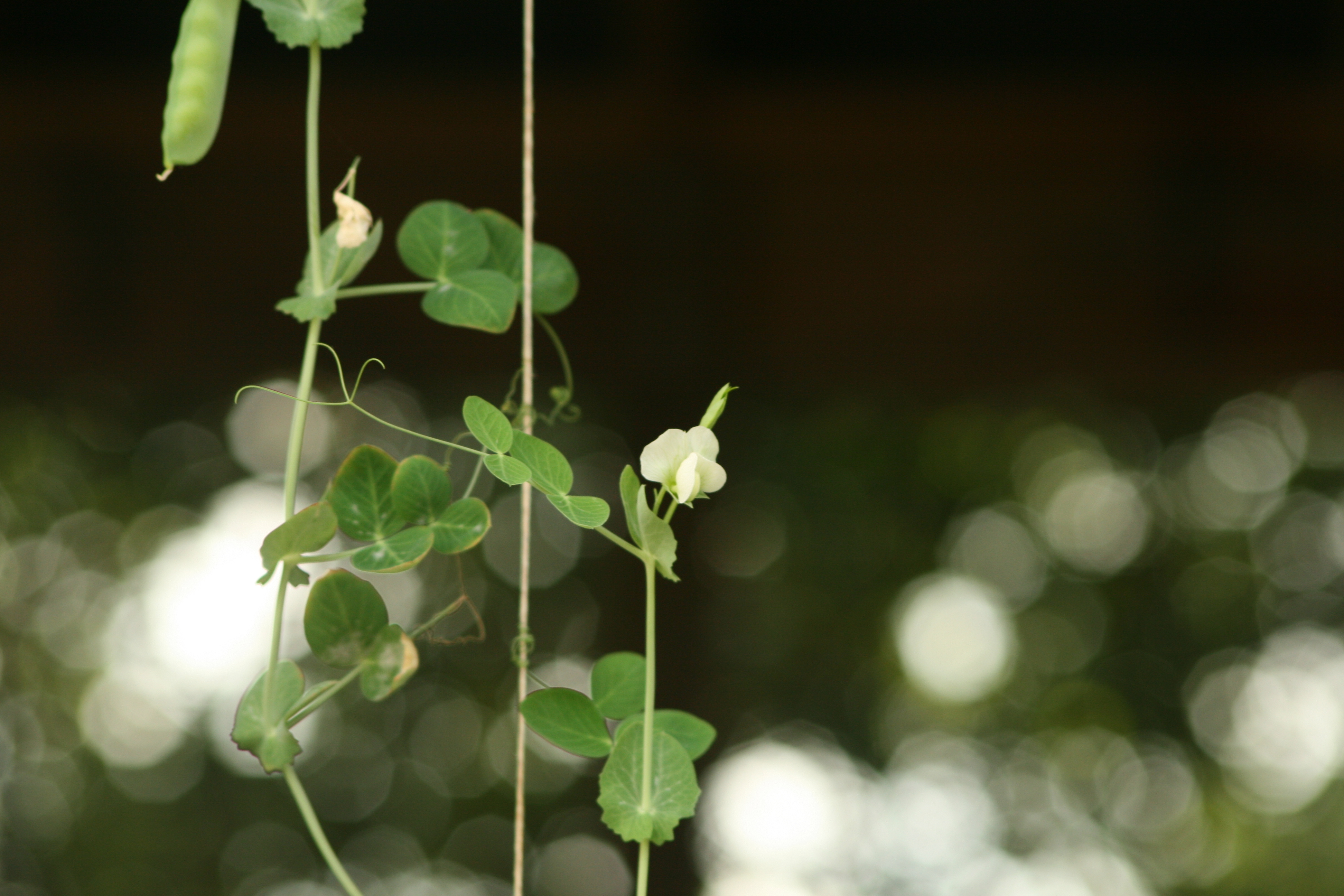 Brown thumbs can turn brown, I promise. The trick to vegetable gardening is similar to any sort of gardening or landscaping – know your environment. I’ve learned an immense amount about gardening since moving to the coastal plain from the more fertile piedmont region of NC. Growing vegetables in the piedmont was as easy as throwing a seed in the pile of dirt behind the house. In sandy coastal regions, not so. Here’s some of my lessons, which I think can be taken and adapted just about anywhere…

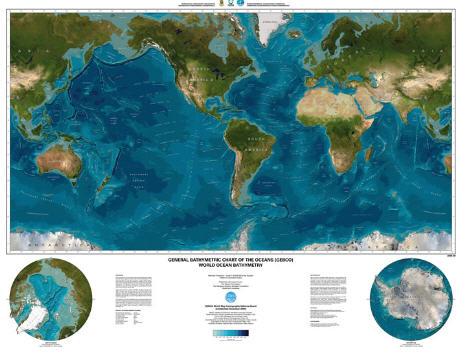
The deep benthos is simultaneously the largest and least explored ecosystem on the planet. Covering nearly 60% of the Earth’s surface, it supports an almost unimaginable reservoir of biodiversity, rivaling all terrestrial habitats combined. Its microbial and metabolic diversity have revolutionized our view of how life is sustained, not once, but twice (first with the discovery of chemoautotrophic organisms at hydrothermal vents, and again with the discovery of cognate communities at methane cold-seeps). In spite of these major discoveries, the deep benthos is essentially invisible. Only a select few will ever witness it first hand, while for the rest, it will remain a dark and unfathomable abyss.
This places the deep benthos in a precarious position. Human activities that influence the deep sea go unnoticed. Without a thorough understanding of its ecology, it is impossible to assess the damage caused by anthropogenic impacts. Although recent and ongoing studies have shed light on many species and communities, the deep benthos remains largely unexplored. Two studies, both released this week, reveal simultaneously how little we know about the deep benthos and how human impacts, even unintentional ones, could shape this ecosystem.
Read More “Rumors from the Abyss: visions of a future without deep sea conservation” »
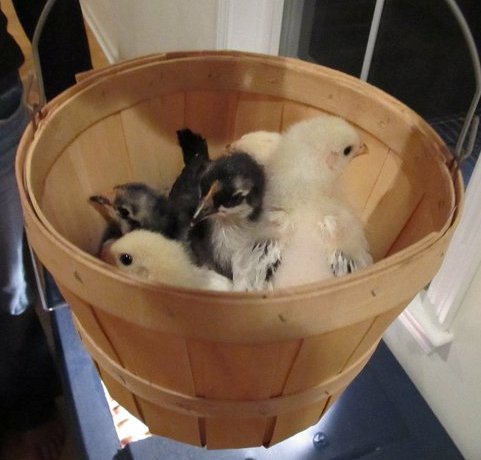
So you’ve decided to commit to a more sustainable lifestyle, you’ve built a Pico-farm and are ready to stock it with a flock of happy, egg-laying chickens. Congratulations, you’ve reached the fun part.
Before you go out and buy chickens, you need to ask yourself a few questions: do you want hens only, or do you want a rooster for breeding? Do you want to raise them from chicks or buy adults ready to lay? How big a flock do you want?
Read More “Adventures in Backyard Agriculture: Raising Chickens” »