
Skip to content

Southern Fried Science

Over 15 years of ocean science and conservation online

  • Home
  • About SFS
  • Authors
  • Support SFS
Latest News
  • Norway and Cook Islands put their deep-sea mining plans on pause

Recent Posts

Join Me at Upwell: A Wave of Ocean Justice — Our Fourth Year!
March 24, 2026
How close did the world’s first deep-sea mining come to the dredging the world’s largest cold-water coral reef?
March 17, 2026
Here are some ocean conservation technologies that I’m excited about
February 19, 2026
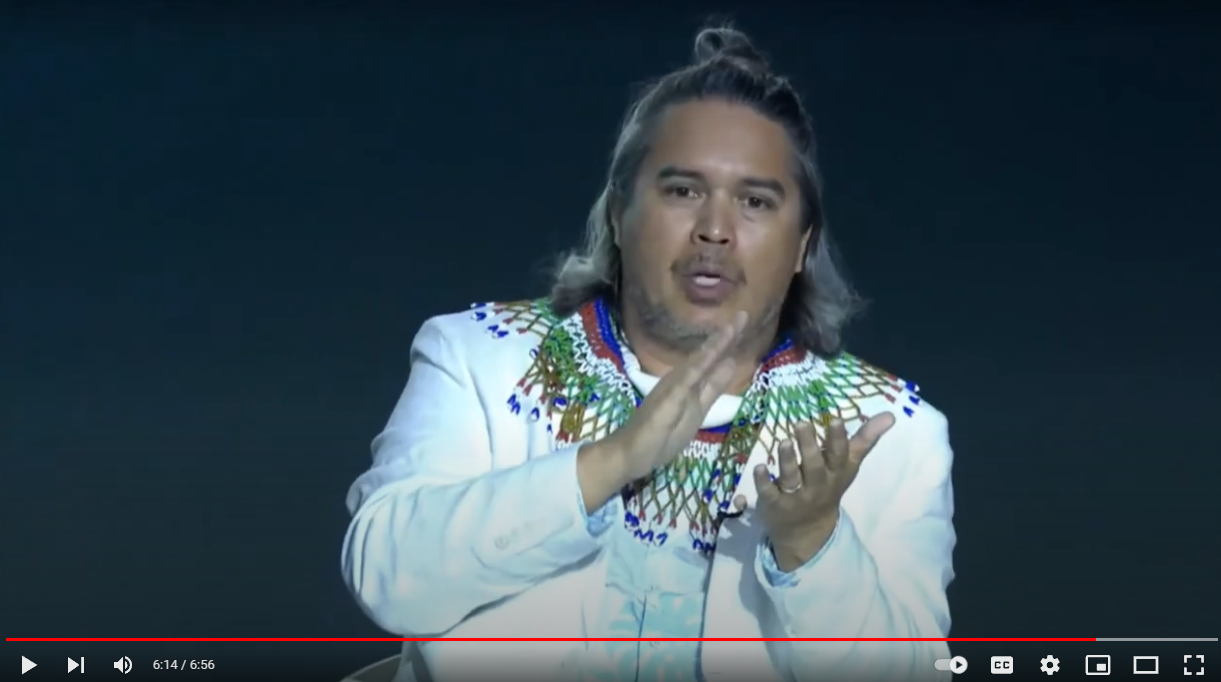
Walking Backwards Into the Future: Applying Indigenous Knowledge to Deep Sea Mining
February 5, 2026
The Urgency Does Not Exist: My statement on Deep-sea Mining to the Subcommittee on Energy and Mineral Resources
January 24, 2026
Bipartisan Concern Expressed Over Deep Sea Mining at Congressional Hearing
January 23, 2026

An oral history of Ocean Science Twitter

Posted on August 10, 2023May 3, 2024 By Andrew Thaler
An oral history of Ocean Science Twitter
Blogging, Featured

I created my Twitter account in the spring of 2009. Back then, science blogging was new and we all though that using pseudonyms for anonymity was the pragmatic and cool thing to do. Southern Fried Science had been cooking for over a year at that point, and we were excited about the near-limitless potential of … Read More “An oral history of Ocean Science Twitter” »

The research rundown: an abbreviated list of my current ocean science, policy, education, and conservation technology efforts.

Posted on July 27, 2023January 4, 2024 By Andrew Thaler
The research rundown: an abbreviated list of my current ocean science, policy, education, and conservation technology efforts.
Uncategorized

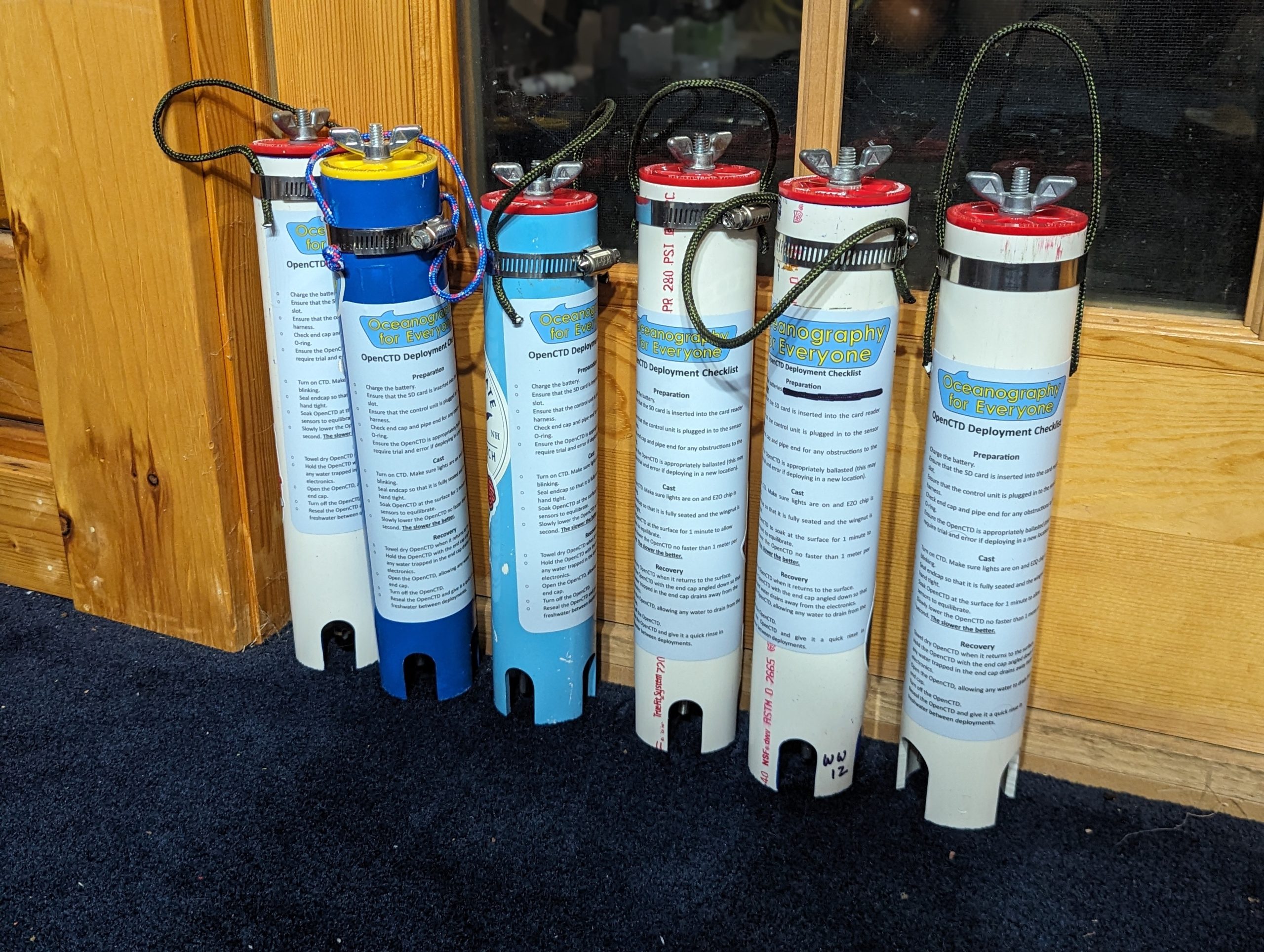
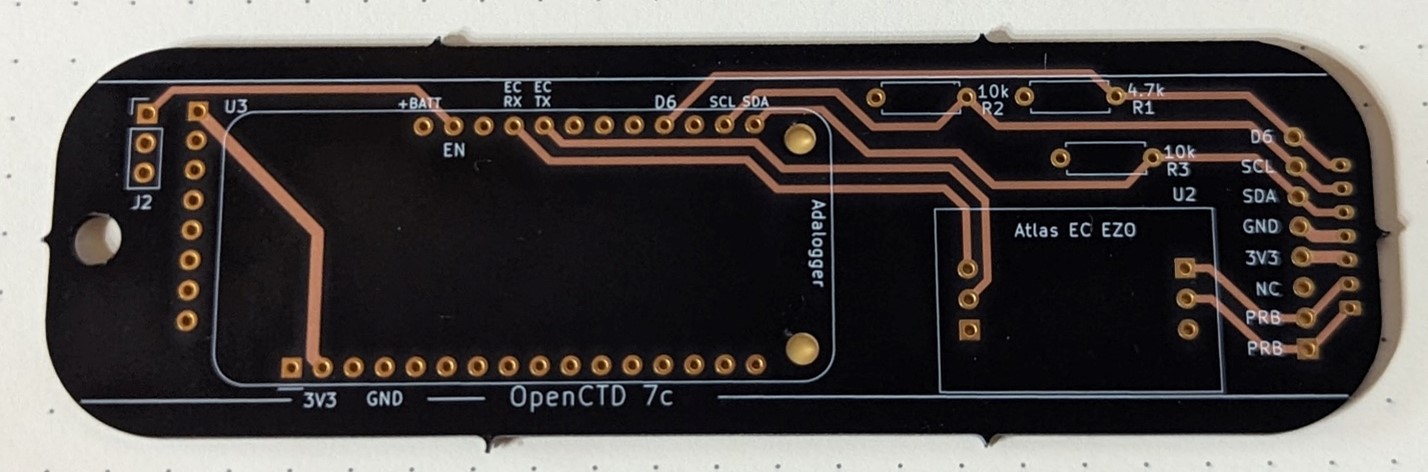
OpenCTD and Oceanography for Everyone Ten years ago, Kersey, Russell, and I set of on a quixotic quest to make the tools of ocean science more accessible to more knowledge seekers at a price the reflects the reality of research budgets. The OpenCTD, a low-cost, open-source, oceanographic instrument was born. Since that first ambitious announcement, … Read More “The research rundown: an abbreviated list of my current ocean science, policy, education, and conservation technology efforts.” »

One Mining Code to Rule Them All: The poison pill at the heart of the Deep-Sea Mining negotiations.

Posted on July 19, 2023January 4, 2024 By Andrew Thaler
One Mining Code to Rule Them All: The poison pill at the heart of the Deep-Sea Mining negotiations.
Featured, Science

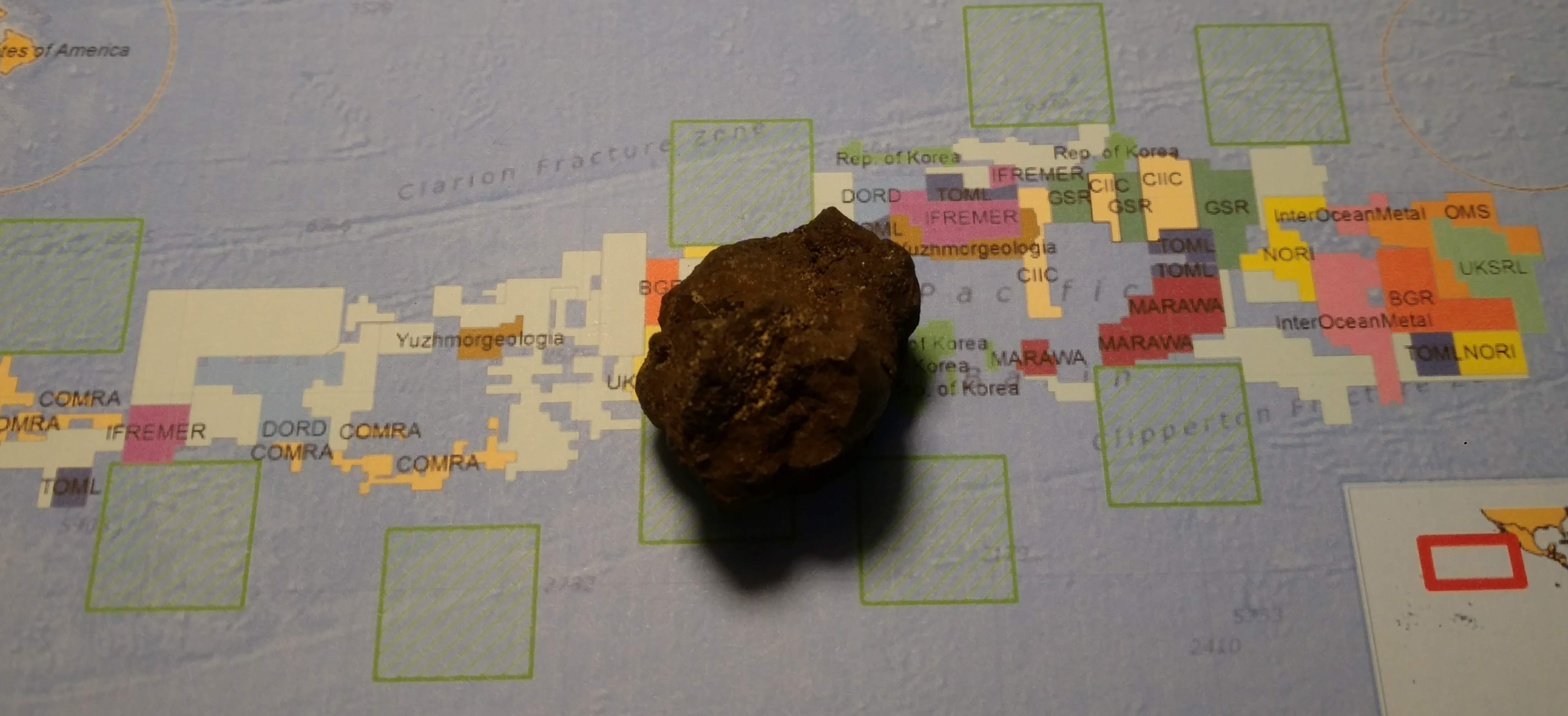
The International Seabed Authority is once again gathered in Kingston, Jamaica to continue negotiations on a set of rules and regulations to govern seafloor mining in the high seas, beyond any nation’s borders. At stake is access to vast fields of polymetallic nodules spread across the abyssal plains. These nodules are rich in nickel and … Read More “One Mining Code to Rule Them All: The poison pill at the heart of the Deep-Sea Mining negotiations.” »

New paper: What happened to the world’s first certified sustainable shark fishery?

Posted on June 26, 2023 By David Shiffman
Conservation, Science

In 2011, the world’s first fishery for sharks was certified as sustainable by the Marine Stewardship Council*. The British Columbia spiny dogfish fishery made major news in fisheries management and ocean conservation world, where the possible existence of sustainable shark fisheries has been debated intensely. A few years later, the fishery voluntarily withdrew their certification, and never publicly said why.

I wanted to know what happened with this scientific mystery. So, with the help of Chuck Bangley and Catherine Macdonald and funding support from the Liber Ero Postdoctoral Fellowship program, I organized a research expedition to find out. The results of our expedition can be found in our new paper (LINK,) (OPEN ACCESS AUTHOR COPY) but in this blog post, I’d like to explain what we did, what we found, and why we think it’s important.

Read More “New paper: What happened to the world’s first certified sustainable shark fishery?” »

A decade after #DrownYourTown, I’m still making sea level rise personal.

Posted on May 25, 2023 By Andrew Thaler
Climate change

Ten years ago, I launched a strange little project called Drown Your Town. The premise behind Drown Your Town was simple: I created a little macro in Google Maps that allowed you to superimpose a floodwater layer on top of 3D renders of communities. It was a quick and dirty way to demonstrate sea level rise in an era where those kinds of bespoke models were hard to generate. With #DrownYourTown, anyone, anywhere could simulate sea level rise in their own back yard.

It wasn’t originally going to be an outreach tool. I was writing a science fiction novel about life in a post-climate change world and needed an easy way to visualize places in the stories might look like. The book is still available, on Amazon, along with two other novellas that I wrote, though I warn you, none of them are very good (in my defense, it was the high water mark for self-publishing ebooks and I was still trying to figuring out what my post-academic career would be).

We pushed out the app, launched a successful tumblr page where folks could request sea level rise models, initiated what remains to this day my most successful Twitter campaign of all time, and spent the next year helping people visualize sea level rise in their communities.

We learned a lot about climate change outreach from DrownYourTown.

Read More “A decade after #DrownYourTown, I’m still making sea level rise personal.” »

One year of “Why Sharks Matter:” What’s different in shark science and conservation now?

Posted on May 24, 2023 By David Shiffman
Conservation, Science

One year ago today, my book “Why Sharks Matter: A Deep Dive with the World’s Most Misunderstood Predator” was released. Science moves (relatively) rapidly and changes often, with new discoveries every day, and the conservation landscape is similar. This means that it is impossible for anything written about these topics at a discrete moment in time to remain accurate forever.

So, in the interest of accountability, in the interest of continuing to make my book useful for public education about shark science and conservation even as the science and policy landscape changes, and in the interest of keeping notes for myself for any future updated versions of the book, I have been keeping track of things that I wrote at the time that are no longer true, or weren’t quite right at the time. (Please note that some of these facts and figures were already out of date at the time the book was pubished, but that was well after the final text was turned in).

Read More “One year of “Why Sharks Matter:” What’s different in shark science and conservation now?” »

Five Experiment ocean campaigns that need your support.

Posted on April 24, 2023 By Andrew Thaler
Academic life

Hi, it’s me, Andrew. And right now I’m crowdfunding an effort to develop an environmental baseline for microplastics in the deep sea using a historic sample archive. You can read more about it here: We need to know more about microplastics in the deep sea. What is Experiment? Experiment is a crowdfunding platform that connects … Read More “Five Experiment ocean campaigns that need your support.” »

No, the deep-sea mining debate is not “gone”

Posted on April 20, 2023 By Andrew Thaler 2 Comments on No, the deep-sea mining debate is not “gone”
No, the deep-sea mining debate is not “gone”
Science

Earlier this month, Mining.com published an article on the next steps in the development of deep-sea mining which featured a pretty surprising statement from the CEO of The Metals Company:

“People think we are debating if this (deep sea mining) should happen or not, and that’s gone. It’s happening.”

Gerard Barron/Mining.com

One of the interesting things about deep-sea mining is that most of the people involved in the industry are environmentally motivated: the folks leading the charge for deep-sea mining and the folks urging caution have much more shared environmental values than coverage of the deep-sea mining negotiations would suggest. Which is why this quote caught me off-guard. Though an unapologetic proponent for the potential of deep-sea mining, Barron is usually much more diplomatic in his media statements. To declare that the debate is done seems reckless.

The deep-sea mining debate is most certainly not “gone”. It is, at the moment, more fiercely discussed that at any previous point in the industry’s 50 year history. While mining contractors have overcome significant political and technological hurdles to reach a point where they are on the cusp of the first commercial trials, the call for a moratorium on the development of the industry has more support, both within the International Seabed Authority, and without, than ever before. The invocation of the 2-year-trigger in 2021 jumpstarted the debate and forced the ISA to meet a deadline for finalization of the Mining Code, the legal structure that will determine when and how mining will proceed in the high seas.

Read More “No, the deep-sea mining debate is not “gone”” »

We need to know more about microplastics in the deep sea.

Posted on March 28, 2023March 28, 2023 By Andrew Thaler
Science

Establishing a baseline for microplastic accumulation in deep-sea animals using an historical sample archive: https://experiment.com/projects/establishing-a-baseline-for-microplastic-accumulation-in-deep-sea-animals-using-an-historical-sample-archive Most of the plastic that enters our oceans in unaccounted for. While large, charismatic macroplastics float on or just beneath the surface, making for dramatic scenes of vast swaths of garbage littering the sea, the bulk of the plastic in … Read More “We need to know more about microplastics in the deep sea.” »

A wild week for the future of the ocean

Posted on March 24, 2023 By Andrew Thaler
Uncategorized

Biden unveils an Ocean Climate Action Plan

President Biden unveiled the nation’s first climate action plan specifically targeting ocean health. The Ocean Climate Action Plan advance several key climate initiatives, including providing 40% of federal investment benefits relating to climate change to disadvantaged communities; producing 30 gigawatts of energy from offshore wind by 2030; conserving at least 30% of U.S. lands and waters by 2030; and achieving zero emissions from international shipping no later than 2050. It’s a huge step forward and possibly one of the most consequential pieces of ocean policy since the Guano Islands Act.

Biden also announced plans to expand the Pacific Remote Islands Marine Monument, this would dramatically increase the proportion of protected oceans in US waters and get us closer to the 30 by 30 goal. The call also includes potentially renaming the Monument and several of the islands to recognize the history and heritage of Pacific islanders rather than the legacy of imperialism and colonization.

No word yet on the expansion of the Marianas Trench Marine National Monument.

Read More “A wild week for the future of the ocean” »

Posts pagination

Previous 1 … 18 19 20 … 270 Next

Popular Posts

How close did the world's first deep-sea mining come to the dredging the world's largest cold-water coral reef?How close did the world's first deep-sea mining come to the dredging the world's largest cold-water coral reef?March 17, 2026Andrew Thaler
Tangier, an Island out of Time.Tangier, an Island out of Time.July 3, 2017Andrew Thaler
What Ocean Ramsey does is not shark science or conservation: some brief thoughts on "the Shark Whisperer" documentaryWhat Ocean Ramsey does is not shark science or conservation: some brief thoughts on "the Shark Whisperer" documentaryJuly 2, 2025David Shiffman
That's not a blobfish: Deep Sea Social Media is Flooded by AI SlopThat's not a blobfish: Deep Sea Social Media is Flooded by AI SlopDecember 19, 2025Andrew Thaler
Urea and Shark OsmoregulationUrea and Shark OsmoregulationNovember 15, 2010David Shiffman
Shark of Darkness: Wrath of Submarine is a fake documentaryShark of Darkness: Wrath of Submarine is a fake documentaryAugust 10, 2014Michelle Jewell
Alberta, Canada is the proud owner of the largest man-made pyramid on the planetAlberta, Canada is the proud owner of the largest man-made pyramid on the planetOctober 16, 2012Andrew Thaler
Here's what I teach my students about finding jobs in marine biology and conservationHere's what I teach my students about finding jobs in marine biology and conservationApril 10, 2024David Shiffman
America's Second-Largest Estuary is a Lagoon Full of SharksAmerica's Second-Largest Estuary is a Lagoon Full of SharksApril 12, 2018Chuck Bangley
Build a dirt cheap, tough-as-nails field computer in a Pelican caseBuild a dirt cheap, tough-as-nails field computer in a Pelican caseJuly 21, 2015Andrew Thaler

squishy

Subscribe to our RSS Feed for updates whenever new articles are published.

We recommend Feedly for RSS management. It's like Google Reader, except it still exists.

Southern Fried Science

  • Home
  • About SFS
  • Authors
  • Support SFS


If you enjoy Southern Fried Science, consider contributing to our Patreon campaign.

Copyright © 2026 Southern Fried Science.

Theme: Oceanly Premium by ScriptsTown