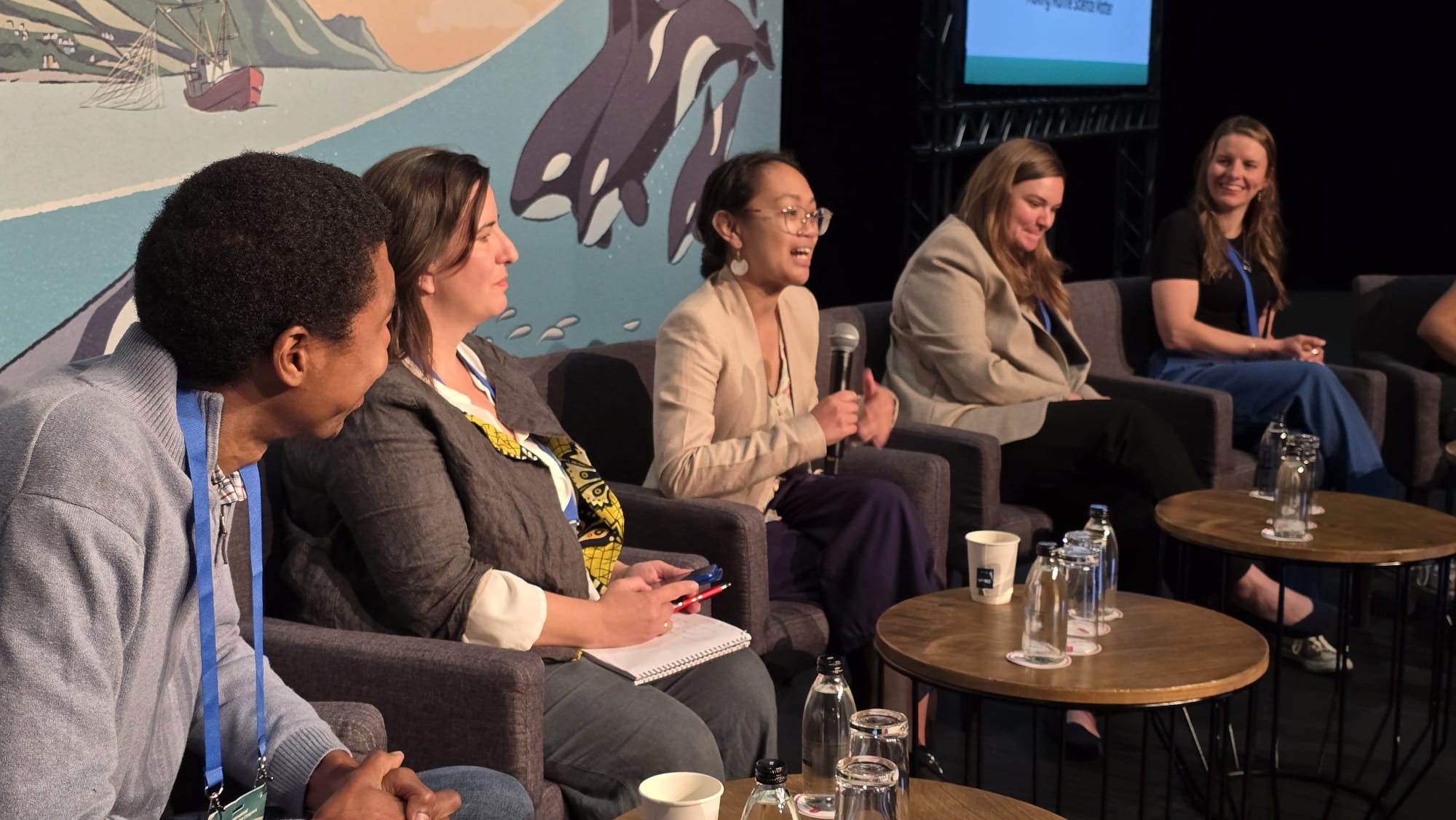
 The most recent issue of the College of Charleston magazine came out this week, and it features an article about sharks by yours truly! Check it out below. Suggestions and critiques are appreciated. I know it’s hard to read- here is a link to the online article.
Read More “WhySharksMatter in College of Charleston magazine” »
 This post is part of the Crowdsourcing ConGen project. Crowdsourcing is the process of opening up a resource to a community for input and contributions. Throughout the coming year I’ll be posting manageable pieces of this document for the audience of Southern Fried Science to read and review. Please visit the main post for an overview.
“I have never done anything useful. No discovery of mine has made, or is likely to make, directly or indirectly, for good or ill, the least difference to the amenity of the world.” ~ Godfrey Harold Hardy
The simplest model for a population is one in which the frequencies of alleles and genotypes remains constant from generation to generation. Under this model, there are no outside forces influencing selection, there is no tendency for any allele or genotype to be favored over any other, diploid alleles will recombine randomly in accordance with Mendelian inheritance. A population that behaves this way is said to be in Hardy-Weinberg Equilibrium. This almost never happens.
Read More “Crowdsourcing ConGen – Populations in Hardy-Weinberg Equilibrium” »
In honor of Dave’s first PCR result (or lack thereof), here’s Dr. Kary Mullis discussing the discovery of the polymerase chain reaction. ~Southern Fried Scientist
Charlie hanging out in a bloom of broccoli
As promised, here are the results of my first ever PCR. Here is some background:
I am going to be running some population genetics on sandbar shark DNA with the intention of comparing subpopulations from South Carolina with those from Virginia.
I am in the very early stages- seeing which primers work for PCR. Four primers each were tested- called A, B, C and D- on three shark DNA samples and a negative control. Ignore the samples on the bottom, they are from another student’s project. The four samples in the upper right are my negative controls.
The PCR was run yesterday (my first PCR), and I ran the gel today (my first gel).
It seems to me that Primer A is successfully copying my DNA during PCR, while B, C, and D are not.