

Skip to content

Southern Fried Science

Over 15 years of ocean science and conservation online

  • Home
  • About SFS
  • Authors
  • Support SFS

Recent Posts

Here’s how to join my IMCC8 symposium, “Ocean Science Communication: What’s New and What’s Next?”
April 22, 2026
Deep Sea Mining Symposium Announcement
April 21, 2026
Join Me at Upwell: A Wave of Ocean Justice — Our Fourth Year!
March 24, 2026
How close did the world’s first deep-sea mining come to the dredging the world’s largest cold-water coral reef?
March 17, 2026
Here are some ocean conservation technologies that I’m excited about
February 19, 2026
Walking Backwards Into the Future: Applying Indigenous Knowledge to Deep Sea Mining
February 5, 2026

Parasitic barnacles, a code of conduct for marine conservation, #BillMeetScienceTwitter, and more! Monday Morning Salvage: May 22, 2017.

Posted on May 22, 2017May 22, 2017 By Andrew Thaler
Weekly Salvage

Fog Horn (A Call to Action)

  • 27 National Monuments are under review by the Department of the Interior. Our Nation Monuments are our National Treasures. Don’t let them be sold to the highest bidder! Submit formal public comments on the DOI Monument Review and make your voice heard.

Flotsam (what we’re obsessed with right now)

  • This parasitic barnacle, Sacculina carcini, replacing the reproductive organs of a crab.
  • Hat tip to Tommy Leung, who’s twitter feed is a gold mine of fantastic parasites and where to find them.
  • #BillMeetScienceTwitter. What started as an inquiry into whether science celebrities really engage with practicing scientists on a regular basic morphed into the best way to find new scientists to follow on Twitter. I’m curating a massive list of all the self-identified Ocean Scientists that participated.

Jetsam (what we’re enjoying from around the web)

  • Deep-sea mining is gearing up on the high seas, and international regulations is still lagging far behind technology: The Wild West of Deep-Sea Mining.
  • oceanbites rolls out an excellent overview of the different kinds of robots used in conducting deep-sea research.
  • Beyond drug lords and conservationists: Who is missing in the coverage of the vaquita’s demise? from the legendary team at Deep Sea News.
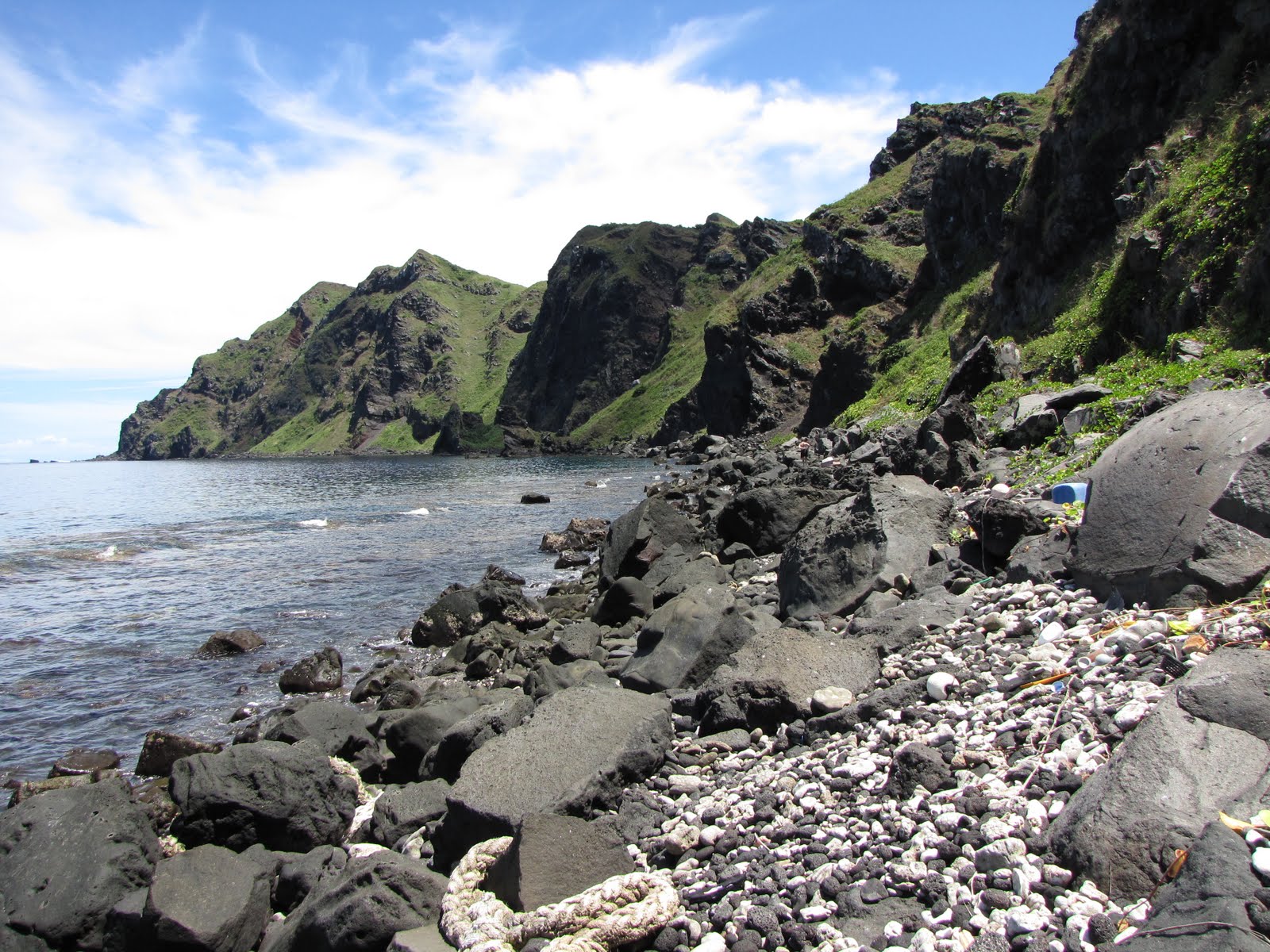
  • Henderson Island is isolated and uninhabited, so why are all its beaches so completely covered in garbage? Spoilers: It’s because the planet is an interconnected global system with impacts felt far beyond the source of insult.
  • Bone-eating snot flower worm will never not be my favorite common name. Tiny Zombie Worms Are the Beavers of the Deep.
  • The history of the entire world, in one entertaining YouTube video (via Vox):
  • Are Ships The Careless Giants Of The Sea? Yes, but they don’t have to be.
  • Trump’s EPA Greenlights a Nasty Chemical. A Month Later, It Poisons a Bunch of Farmworkers.
  • Trump country is flooding, and climate ideas are shifting.
  • The Ocean as the New Frontier of Climate Action.
  • The Antarctic Peninsula is 3 degrees warming than is used to be, and that means plants are growing and Antarctica is getting greener.
  • The long history of ocean drilling and scientific discovery.
  • A tiny anchovy could be a silver bullet for malnutrition in Peru—if only we would let it: The Fish that Smells like Money.
  • I talk alot about e-waste and disposable electronics, which is why I’m excited to see modular, open-source smartphone projects finally start to mature. The ZeroPhone looks like on of the most promising additions to this space.
  • Skeptic Magazine has a pseudoscience problems. Unfortunately, this time it’s the skeptics promoting some pretty eyebrow-raising junk science. I went a little deeper into this on Twitter.

Read More “Parasitic barnacles, a code of conduct for marine conservation, #BillMeetScienceTwitter, and more! Monday Morning Salvage: May 22, 2017.” »

What Google Searches Tell Us About The Ocean… and Us

Posted on May 20, 2017May 22, 2017 By Bluegrass Blue Crab
Open Science, Science

I recently discovered that Google Trends is a thing. Specifically, that they aggregate their search data and make it publicly available. Which is awesome. People Google much more honestly than they interact with others in person, more honestly than they answer surveys, and more honestly than they behave in a world where politics is important. So what people Google is insight into what people are curious about, where online outreach can have the most potential impact, and what is on the top of people’s brains at particular times. It tells us something about regionalisms, and seasonality of thought. I encourage everyone to play around with their data, for work or for play.

Here’s a couple of examples of things you can learn. Let’s start with the basics. Which states, over the last 12 months, have searched for “ocean” the most?


Read More “What Google Searches Tell Us About The Ocean… and Us” »

Fun Science FRIEDay – Cure for HIV?

Posted on May 19, 2017May 19, 2017 By Kersey Sturdivant
Uncategorized

One of the greatest scourges of the mid 20th century, leading into the 21st century, has been the human immunodeficiency virus, better known as HIV, which can lead to acquired immune deficiency syndrome (AIDS). HIV is a virus that attacks a person’s immune system. Without treatment, over time HIV can completely destroy a person’s immune system leaving them mortally vulnerable to common pathogens that would otherwise be easily dealt with.  Since this disease first burst onto the scene in the mid-20th century it has claimed countless lives, and science has struggled to develop a cure given the ability of the disease to rapidly change and hide-out in the body.

(Photo credit: gamjai / Fotolia)

Read More “Fun Science FRIEDay – Cure for HIV?” »

Bony-eared assfish, shark swarms, ocean plastics, and more! The Monday Morning Salvage: May 15, 2017

Posted on May 15, 2017May 14, 2017 By Andrew Thaler
Weekly Salvage

Fog Horn (A Call to Action)

  • This is you last day to submit public comments in defense of the Environmental Protection Agency! The time to save the EPA is now!  If you don’t know quite what to say, I’ve  prepared a script for you.
  • 27 National Monuments are under review by the Department of the Interior. Our Nation Monuments are our National Treasures. Don’t let them be sold to the highest bidder! Submit formal public comments on the DOI Monument Review and make your voice heard.

Flotsam (what we’re obsessed with right now)

  • This bony-eared assfish, courtesy of Sheldon Comics. Go show the some love on Twitter and Patreon.

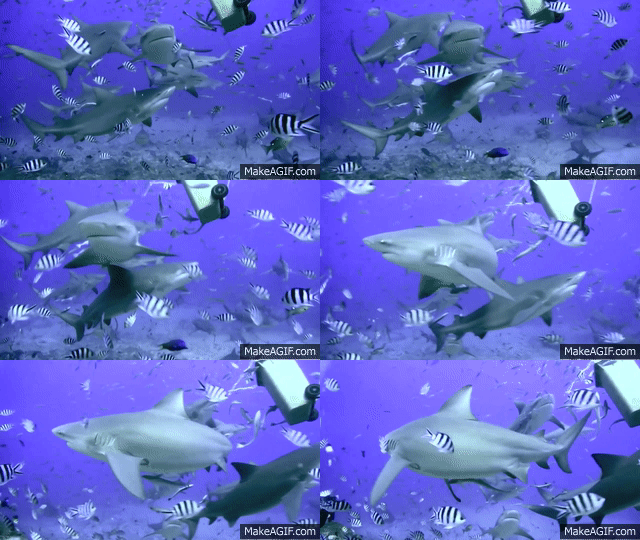
  • “You are paddleboarding next to approximately 15 great white sharks… exit the water in a calm manner.” When paddleboarding, this is not what you want to hear.

https://www.youtube.com/watch?v=C5SPMrmRMjE

  • But, of course: The Viral Video of 15 Sharks Circling Near Surfers in California Shows a Much Bigger Problem.

Read More “Bony-eared assfish, shark swarms, ocean plastics, and more! The Monday Morning Salvage: May 15, 2017” »

The Case Against Shark Fin Trade Bans

Posted on May 12, 2017May 12, 2017 By David Shiffman
Conservation, Science

Photo credit: Jessica King, Marine Photobank

The United States Congress is considering a nationwide ban on buying, selling, or trading shark fins. While several of my posts and tweets have briefly discussed my stance on such policies, I’ve never laid out my full argument in one post. Here is why I, as a shark conservation biologist, oppose banning the shark fin trade within the United States.  The short answer is that the US represents a tiny percentage of overall consumers of shark fin, but provide some of the most sustainably caught sharks on Earth, as well as important examples of successful management, to the world. This means that banning the US shark fin trade won’t reduce total shark mortality by very much, but will remove an important example of fins coming from a well-managed fishery while also hurting American fishermen who follow the rules. Also, a focus on these policies promotes the incorrect belief that shark fin soup is the only significant threat to sharks, and that addressing the tiny part of that problem locally represents the end of all threats. For the longer answer, read on. And for the case for shark fin bans, please see this guest post from Oceana scientist Mariah Pfleger.

Read More “The Case Against Shark Fin Trade Bans” »

The Case for Shark Fin Trade Bans

Posted on May 12, 2017May 12, 2017 By Guest Writer
Conservation, Science

Mariah Pfleger is a marine scientist at Oceana, an international marine conservation non-profit, advising both the responsible fishing and sharks campaigns. She graduated from Florida State University in 2012 where she studied coastal sharks and their relatives. In 2016 she earned her Master’s degree from the University of West Florida where she researched both coastal and deep-water sharks and rays. Mariah worked for 3 years as a field assistant, and during her Master’s an additional 3 years as a field manager, on the Gulf of Mexico Shark Pupping and Nursery Program. She has also conducted research using environmental DNA to detect rare and endangered sturgeon. Her twitter handle is @MariahPfleger.


The demand for shark fins is widely recognized as one of the major contributors to shark mortality around the world. However, solutions to decrease this demand are hotly debated, especially in the scientific community. Southern Fried Science and other websites have published opinions that debate the effectiveness of shark fin bans, but as a shark scientist working to implement this policy I would like to present the case for shark fin trade bans.

The conversation is newly relevant with the introduction of the Shark Fin Trade Elimination Act in the Senate on March 30th by Senators Cory Booker (D-NJ) and Shelly Moore-Capito (R-WV) and in the House on March 9th by Representatives Ed Royce (R-CA) and Gregorio Kilili Camacho Sablan (I-MP). If passed, the bill would ban the buying and selling of shark fins in the United States – thereby removing the United States from the global shark fin trade altogether. The bill is championed by Oceana, where I work as the scientist on the sharks campaign.

The demand for fins fuels finning – the act of slicing off a shark’s fins and dumping the body back into the ocean. The United States recognized this practice was a problem and implemented the Shark Finning Prohibition Act of 2000 followed by the  Shark Conservation Act (SCA) in 2010, which required that all sharks must be landed with their fins naturally attached (except for smooth dogfish, which can be landed under a fin-to-carcass ratio). However, according to the National Marine Fisheries Service, the United States is still importing fins from places like Hong Kong, China, New Zealand, the Netherlands, Spain, South Africa and Indonesia, to name a few. Not all of these countries have anti-finning laws, which means that the United States may be, and likely is, purchasing fins from finned sharks. Once in the United States market, there is no way to tell whether a fin came from a finned shark or not. By purchasing these fins, the United States is sustaining the demand for this unsustainable practice.

Read More “The Case for Shark Fin Trade Bans” »

The Old Man and the Deep Sea

Posted on May 9, 2017May 9, 2017 By Andrew Thaler
Uncategorized

Torben Wolff, legendary deep-sea scientist and last surviving member of the Galathea II expedition, which plumbed the Philippine Trench and recovered biological material from more than 10,000 meters for the first time in history, died in his sleep on May 2, 2017. He was 97. Torben will be remembered for his monumental contributions to deep-sea oceanography, … Read More “The Old Man and the Deep Sea” »

Terraforming Mars on Earth, giant larvaceans, conservation jobs, and more! Monday Morning Salvage: May 8, 2017

Posted on May 8, 2017May 8, 2017 By Andrew Thaler
Weekly Salvage

Fog Horn (A Call to Action)

  • The time to save the EPA is now! The EPA is seeking public input on the new administrations approach to environmental regulations. They are required to seek public input. They are required to respond to public input. Go tell them how you feel. Public comments close May 15. Here’s the docket with instructions on how to comment: Evaluation of Existing Regulations. We’ve even prepared a script for you.

Flotsam (what we’re obsessed with right now)

  •  On a tiny island in the middle of the Atlantic, a terraforming project a century-and-a-half in the making is underway. A 150-year-old experiment on the remote Ascension Island may help us green Mars. Can it also help us save Earth?

Seabirds on Ascension Island. Photo by Clare Fieseler.

  • It also happens to be longtime friend of Southern Fried Science Clare Fieseler’s first major story for National Geographic, so go follow her on twitter.

Jetsam (what we’re enjoying from around the web)

  • Women have a crucial—yet often overlooked—role in fisheries. The Invisible Fishing Fleet by Ilima Loomis at Hakai Magazine.
  • “What do you do when you’re a graduate student and you’ve been sexually assaulted by the PI of a very exciting paleoanthropological site?” An incredibly powerful piece by Holly Dunsworth: In case this helps you: This happened to me while I was trying to become a paleoanthropologist.
  • The general theme of this site appears to be ‘humans are terrible, robots are awesome’. Staying on brand: In a first, deep sea robots get a close look at giant larvaceans, a key player in the biological carbon pump.
  • Deep-sea mining is really heating up. Locals threaten armed campaign against PNG seabed mine.
  • In the Pacific Northwest, the diligence of citizen scientists is shedding light on the lives, and deaths, of seabirds. Drawing Meaning from Death, One Seabird at a Time by Larry Pynn at Hakai.
  • This is a pretty great demonstration of how statistics can be used to mislead: Generating Datasets with Varied Appearance and Identical Statistics through Simulated Annealing.

Read More “Terraforming Mars on Earth, giant larvaceans, conservation jobs, and more! Monday Morning Salvage: May 8, 2017” »

Thursday Afternoon Dredging: May 4th, 2017

Posted on May 4, 2017 By David Shiffman
Uncategorized

After a month hiatus for packing, moving, and unpacking, we’re back!

Logo by Ethan Kocak

Cuttings (short and sweet):

  • Watch a dogfish swim around British Columbia, video by GEERG.

Video by GEERG

  • Follow Dr. Andrea Kroetz, a postdoc studying sawfish, on twitter!
  • What to look for in canned tuna, a new update from Seafood Watch.
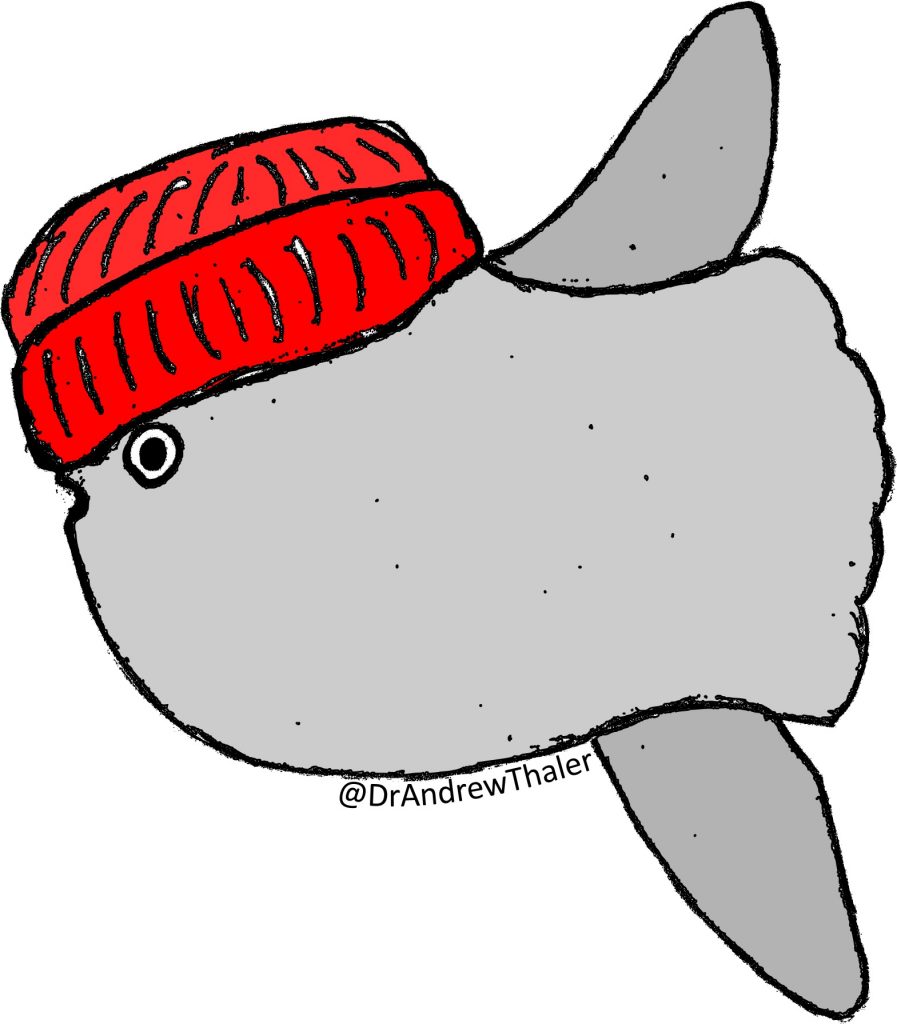
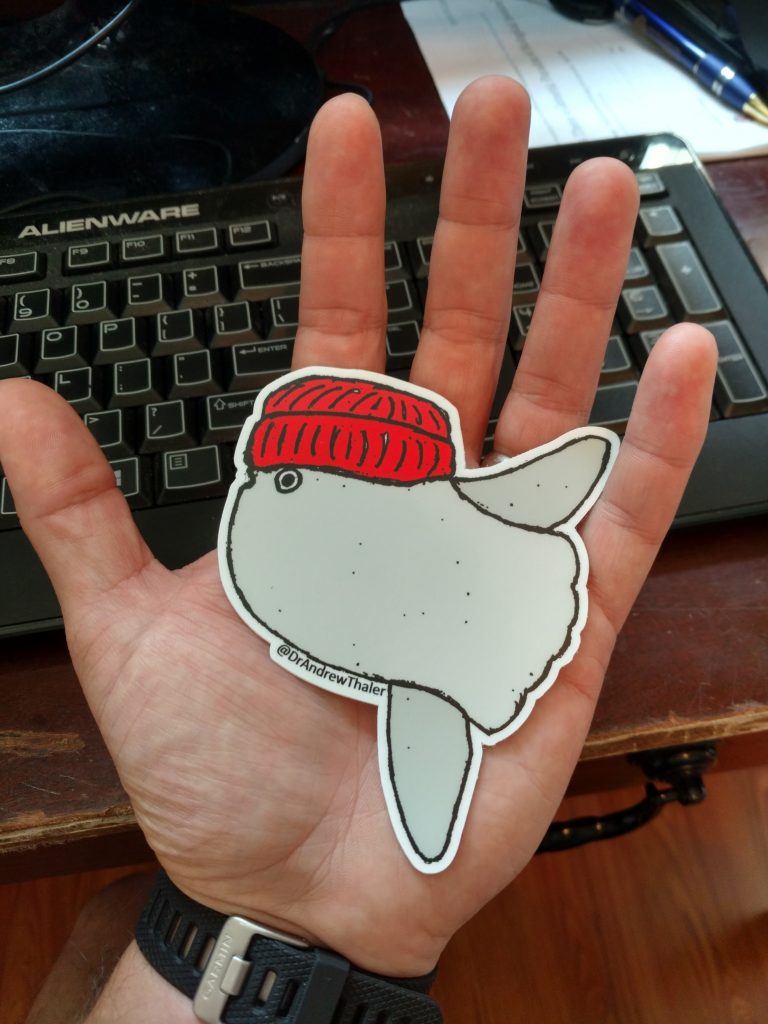
  • 13 facts about mola mola, the ocean sunfish. By Richard Smith, for Sport Diver.

Read More “Thursday Afternoon Dredging: May 4th, 2017” »

The time to defend the EPA is now!

Posted on May 1, 2017May 6, 2017 By Andrew Thaler
Conservation

Executive Order 13777 created a Regulatory Reform Task Force to oversee the evaluation of existing regulations to make recommendations about potential repeal, replacement, or modification to the Environmental Protection Agency. The dissolution of the EPA would be catastrophic for this country. Fortunately, the wheels of bureaucracy turn slowly, and before any recommendations are formally issued, … Read More “The time to defend the EPA is now!” »

Posts pagination

Previous 1 … 60 61 62 … 272 Next

Popular Posts

What Ocean Ramsey does is not shark science or conservation: some brief thoughts on "the Shark Whisperer" documentaryWhat Ocean Ramsey does is not shark science or conservation: some brief thoughts on "the Shark Whisperer" documentaryJuly 2, 2025David Shiffman
That's not a blobfish: Deep Sea Social Media is Flooded by AI SlopThat's not a blobfish: Deep Sea Social Media is Flooded by AI SlopDecember 19, 2025Andrew Thaler
What is a Sand Shark?What is a Sand Shark?November 12, 2017Chuck Bangley
Considering writing a popular science book? Here's my adviceConsidering writing a popular science book? Here's my adviceJuly 7, 2025David Shiffman
This is not an article about epoxy river tables.This is not an article about epoxy river tables.June 4, 2024Andrew Thaler
Shark of Darkness: Wrath of Submarine is a fake documentaryShark of Darkness: Wrath of Submarine is a fake documentaryAugust 10, 2014Michelle Jewell
Shark scientists want their research to help save threatened species, but don’t know how. Our new paper can help.Shark scientists want their research to help save threatened species, but don’t know how. Our new paper can help.December 1, 2025David Shiffman
Build a dirt cheap, tough-as-nails field computer in a Pelican caseBuild a dirt cheap, tough-as-nails field computer in a Pelican caseJuly 21, 2015Andrew Thaler
Join Me at Upwell: A Wave of Ocean Justice — Our Fourth Year!Join Me at Upwell: A Wave of Ocean Justice — Our Fourth Year!March 24, 2026Angelo Villagomez
Marine Biology Career AdviceMarine Biology Career AdviceMay 30, 2025David Shiffman

squishy

Subscribe to our RSS Feed for updates whenever new articles are published.

We recommend Feedly for RSS management. It's like Google Reader, except it still exists.

Southern Fried Science

  • Home
  • About SFS
  • Authors
  • Support SFS


If you enjoy Southern Fried Science, consider contributing to our Patreon campaign.

Copyright © 2026 Southern Fried Science.

Theme: Oceanly Premium by ScriptsTown