Skip to content

Southern Fried Science

Over 15 years of ocean science and conservation online

  • Home
  • About SFS
  • Authors
  • Support SFS

Recent Posts

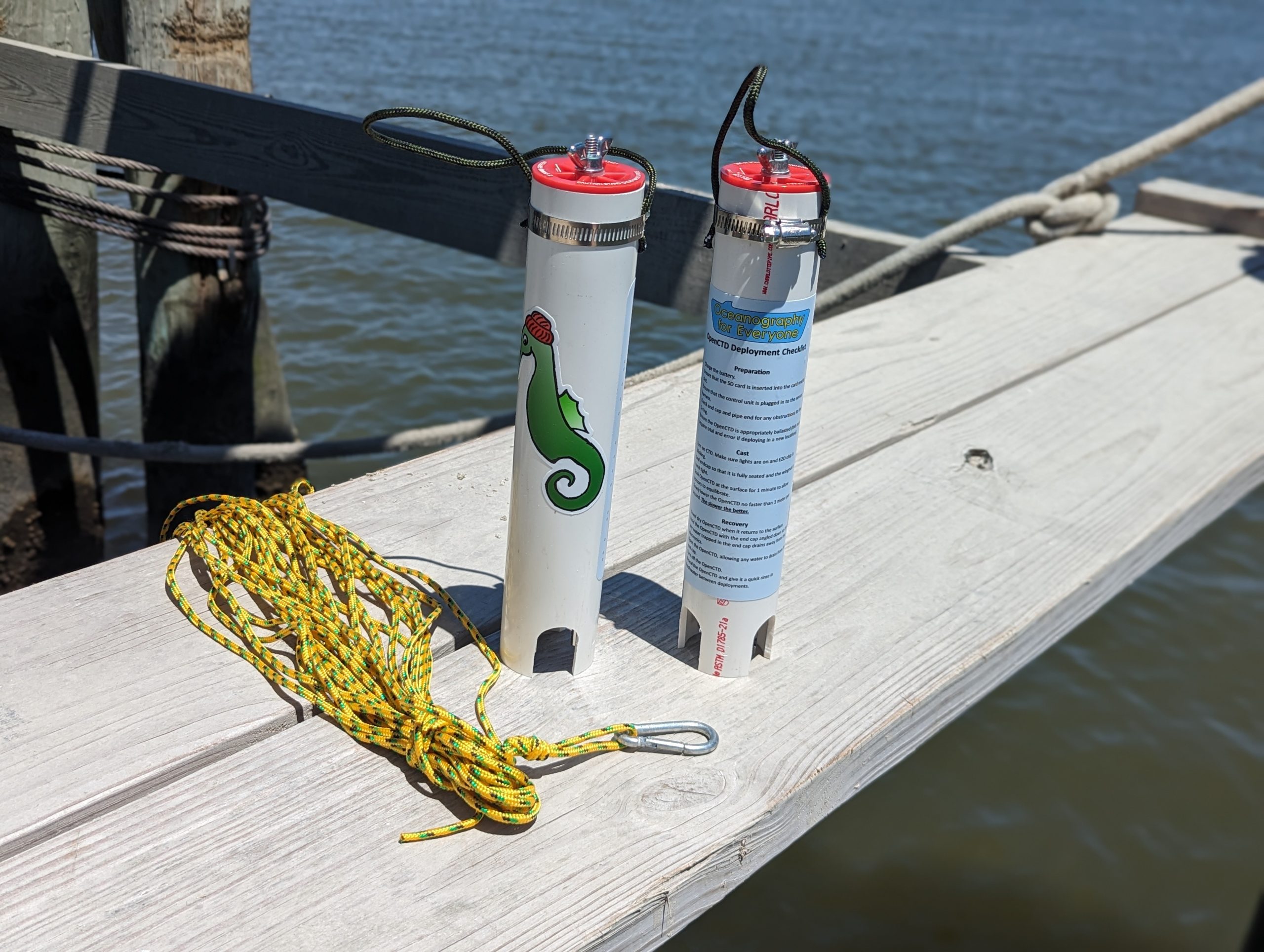
The next OpenCTD is here!
June 22, 2026
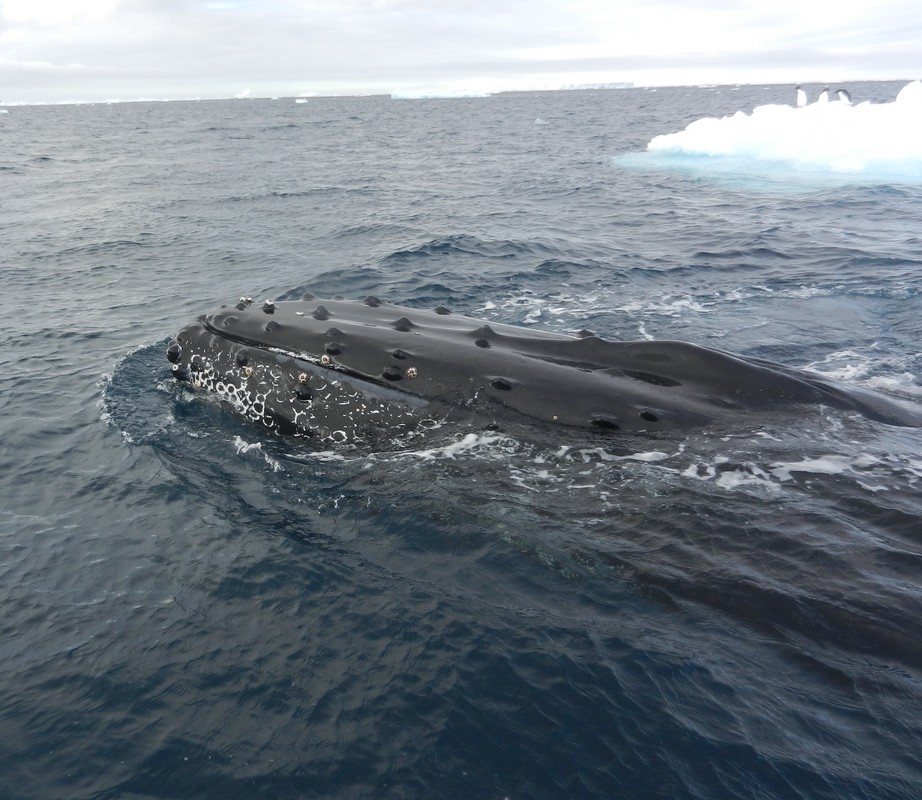
humpback whale in Antarctica
The evolution of the International Whaling Commission – from  whaling quotas to whale conservation
June 10, 2026
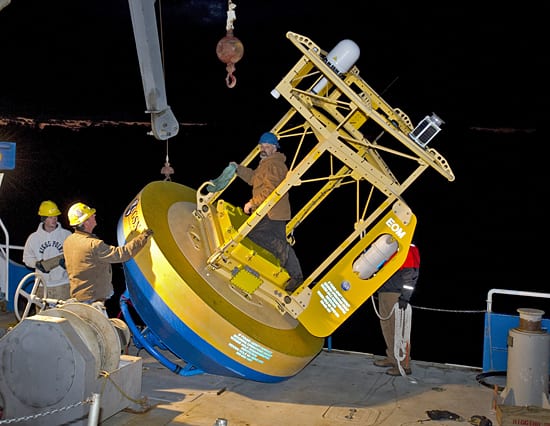
Isn’t ironic, don’t you think: dismantling the Ocean Observatories Initiative on World Oceans Day
June 9, 2026
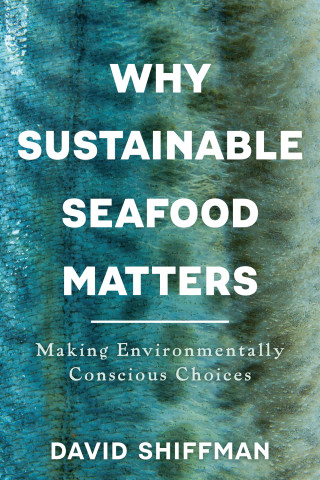
“Why Sustainable Seafood Matters” is now available for preorder! Here’s what it’s about, and why I decided to write it.
June 8, 2026
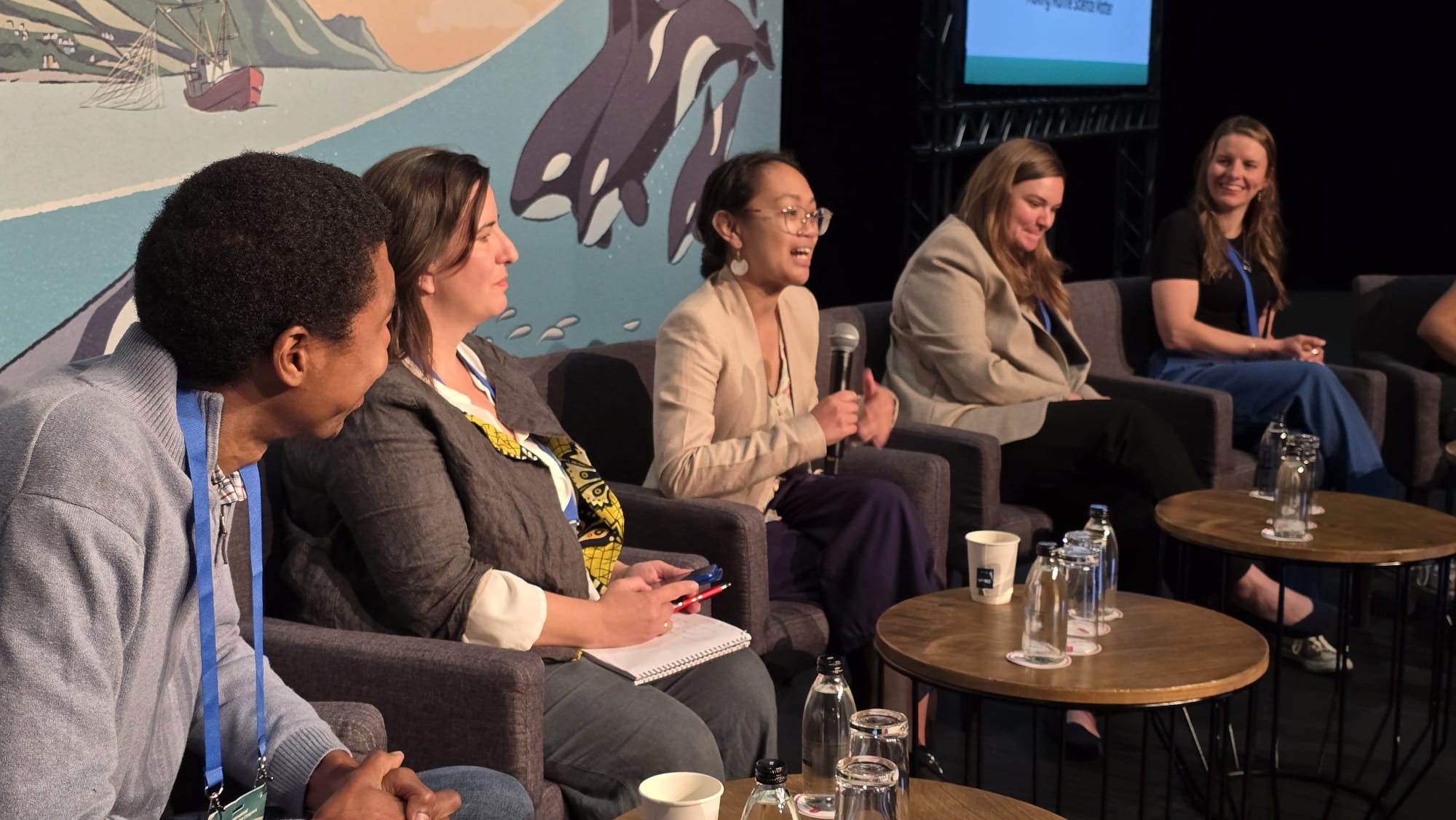
Here’s how to join my IMCC8 symposium, “Ocean Science Communication: What’s New and What’s Next?”
April 22, 2026
Deep Sea Mining Symposium Announcement
April 21, 2026

The Sex Lives of Spoonworms: 10 marine animals with parasitic, dwarf, and otherwise reduced males

Posted on May 31, 2013September 19, 2013 By Andrew Thaler 8 Comments on The Sex Lives of Spoonworms: 10 marine animals with parasitic, dwarf, and otherwise reduced males
Science

Earlier this week, Fox News commentator and all-around terrific guy* Erick Erickson, while discussing a recent Pew Study that revealed that women were the sole breadwinners in 40% of US households that contain children, had this to say:

“I’m so used to liberals telling conservatives that they’re anti-science. But liberals who defend this and say it is not a bad thing are very anti-science. When you look at biology—when you look at the natural world—the roles of a male and a female in society and in other animals, the male typically is the dominant role. The female, it’s not antithesis, or it’s not competing, it’s a complementary role.”

source

headshot-thalerSMALL

I’m not sure where Erickson got his science education from, but it’s pretty clear he should have spent a little more time shopping around on the free market, because he sure is wrong. How wrong? I managed to assemble this list of 10 marine species with dwarf, parasitic, or otherwise reduced males (including an entire female-only class) while waiting for my toast**. So have a seat and let me show you how much weirder and more wonderful the world is than Erickson’s Disney-esque misinterpretation of biology.

1. Anglerfish

The deep-sea Anglerfish is among the most common examples of parasitic males in the marine world. Anglerfish comprise a variety of taxa in the order Lophiiformes. Almost all (females) possess a specialized appendage that acts as a lure to attract unwary prey. Life in the deep sea is rough–even though it is the largest and most diverse ecosystem on Earth, biomass is fairly low–so finding a mate is a struggle for these slow swimming fishes. The solution: carry your partner with you.

Male anglerfish are tiny, often less than 5% the size of the female, but they possess powerful olfactory receptors, allowing them to seek out females. Once a mate is located, the male anglerfish latches on to her abdomen, fuses his circulatory system with hers, and is then slowly digested until there’s nothing left but a sac of gonads surrounded by basic life-supporting tissues. Female anglerfish are not monogamous, either. At any given time she could be covered by a half-dozen parasitic males. Kinky.

Read More “The Sex Lives of Spoonworms: 10 marine animals with parasitic, dwarf, and otherwise reduced males” »

The great #Mermaids Storify

Posted on May 30, 2013May 29, 2013 By David Shiffman 4 Comments on The great #Mermaids Storify
Popular Culture, Science

davesquare

This week, Animal Planet aired “Mermaids: The New Evidence”  the second fake documentary in their series about mermaids.  After complaining about the ridiculous show and the associated devastating effects on science literacy*, we decided to watch the re-air together and live-tweet it. The goal was to get real scientific information into the twitter conversation associated with the show. The Storify of our contributions to the discussion is below.

* Lots of people think that the admittedly fake documentary is real. Search the twitter hashtag #Mermaids and you’ll see literally hundreds of examples of this. These are not included in the Storify in the interest of not being cruel to strangers.

Read More “The great #Mermaids Storify” »

Mock the Doc: Watch both fake Mermaids documentaries tonight and mock them on twitter with us!

Posted on May 29, 2013 By David Shiffman 4 Comments on Mock the Doc: Watch both fake Mermaids documentaries tonight and mock them on twitter with us!
Popular Culture, Science

Tonight from 8-11 P.M. EST, Animal Planet is re-airing both fake mermaid documentaries, “Mermaids: The Body Found” and “Mermaids: the New Evidence”. We’re going to watch them. We’re going to live-tweet our thoughts using the show’s existing hashtag, #Mermaids. We’re going to systematically point out everything factually incorrect about mermaids (or anything having to do … Read More “Mock the Doc: Watch both fake Mermaids documentaries tonight and mock them on twitter with us!” »

New study: 22 out of 23 U.S. states aren’t doing enough to protect marine resources

Posted on May 29, 2013 By David Shiffman 12 Comments on New study: 22 out of 23 U.S. states aren’t doing enough to protect marine resources
Conservation

davesquare

mci-logoEarlier today, the Marine Conservation Institute and Mission Blue released SeaStates, the first ever national ranking of how well different U.S. states and territories protect their ocean resources. The full report is available online and is an important read, but can be summarized in 5 words: “Most states aren’t doing enough”.

The gold standard for the protection of marine resources is no-take marine reserves, areas of the ocean where no fishing or oil/gas extraction is permitted. Decades of research on marine reserves worldwide have shown that they usually have more fish, bigger fish, and more species of fish than environmentally similar areas (often adjacent to the reserve border) where fishing is allowed. In other words, when you don’t kill fish, more of them are alive.

Read More “New study: 22 out of 23 U.S. states aren’t doing enough to protect marine resources” »

Mermaids: The New Evidence is a Fake Documentary

Posted on May 28, 2013December 16, 2013 By Andrew Thaler 19 Comments on Mermaids: The New Evidence is a Fake Documentary
Science

Last year, David and several other marine science bloggers debunked Animal Planet’s amazingly fraudulent mermaid foc-u-mentary (yes, I’m coining that term for fake documentaries that show absolute disdain for their audience. It’s not satire. It’s not parody. It’s a giant middle finger to the public). No need to retread old ground–read the original coverage: Mermaids … Read More “Mermaids: The New Evidence is a Fake Documentary” »

Watch Blue Pints Episode 9: Building a low cost open-source CTD and why dolphins make terrible midwives

Posted on May 27, 2013October 27, 2013 By Andrew Thaler 3 Comments on Watch Blue Pints Episode 9: Building a low cost open-source CTD and why dolphins make terrible midwives
Uncategorized

httpv://www.youtube.com/watch?v=EJbJvL7Ycuc

Update on Kiera Wilmot: All charges dropped, now going to space camp

Posted on May 24, 2013May 24, 2013 By Andrew Thaler 1 Comment on Update on Kiera Wilmot: All charges dropped, now going to space camp
Science

Three weeks ago we reported on Kiera Wilmot, a high school student who was threatened with expulsion and arrest for a science experiment gone bad. I asked my followers to tweet about their own, personal experiences with accidental explosions in the name of science. Since then, Wilmot’s story along with the response from scientists, has … Read More “Update on Kiera Wilmot: All charges dropped, now going to space camp” »

Making Your Donations Count: 5 simple guidelines for selecting conservation organizations to support

Posted on May 21, 2013June 17, 2013 By Andrew Thaler 5 Comments on Making Your Donations Count: 5 simple guidelines for selecting conservation organizations to support
Conservation

headshot-thalerSMALLEvery year, the number of non-governmental organizations (NGO’s for short) committed to reducing climate change, saving the ocean, developing alternative energy sources, cutting down plastic use, not cutting down forests, or myriad other worthy causes, grows. Many of these organizations are staffed by committed, hard-working environmentally minded advocates struggling to make a difference. But, with so many NGO’s out there, and more being founded, how are concerned citizens expected to know which NGO’s are effective, which best match their ideals, and, most important, which NGO’s are worthy of their donations (either of money of of volunteer time). To alleviate this problem, I’ve assembled a set of 5 relatively simple guidelines to help you evaluate and select a conservation NGO that fits your values and gets the job done.

1. Determine how well the NGO incorporates local and indigenous stakeholder groups into their programs.

I’ve started here because this is the most difficult to assess but, by far, the most important. The most successful NGO’s seek out local stakeholders for consultation. The very best include local stakeholders among their employees, at high management positions. The reasons for this should be obvious: local stakeholders are familiar with the political and social climate of the region in which they’re working. They have personal connections to key decision makers in the community. Stakeholders are more sympathetic to a conservation message when that message is being delivered by respected members of their community, rather than purely by outsiders. Without local support, many conservation initiatives are doomed to failure.

Read More “Making Your Donations Count: 5 simple guidelines for selecting conservation organizations to support” »

Watch Blue Pints Episode 8: WormCam!

Posted on May 20, 2013October 27, 2013 By David Shiffman
Uncategorized

httpv://www.youtube.com/watch?v=yBbrBg-ji08

Good Conservation Policies Can Push Markets Towards Conservation

Posted on May 12, 2013October 28, 2013 By Chuck Bangley 2 Comments on Good Conservation Policies Can Push Markets Towards Conservation
Conservation

A lot of debate among conservationists centers on the conflict between the desire to see a species totally protected from human exploitation and the reality that market forces will continue to exist (see the latest on shark fin bans for a very good example).  Ideally, a conservation plan should strike a balance, ensuring the continued existence of the species while still allowing people to profit from it in some way.  This also requires a clear idea of the limitations of conservation policies.  For example, US policies (even the mighty Endangered Species Act) only directly affect populations within the territorial waters of the United States, while international agreements like CITES restrict trade of the species without telling any particular country what to do domestically.  However, there are ways to track the interaction between conservation policies and the market, making it possible to make some predictions on how things like fishery management plans and CITES listings might affect trade.  Then it gets interesting.  Armed with this knowledge, can the market be pushed towards species conservation?

Read More “Good Conservation Policies Can Push Markets Towards Conservation” »

Posts pagination

Previous 1 … 127 128 129 … 273 Next

Popular Posts

Screaming into the void - Why your scientific paper doesn’t matterScreaming into the void - Why your scientific paper doesn’t matterJune 18, 2026Chris Parsons
What Ocean Ramsey does is not shark science or conservation: some brief thoughts on "the Shark Whisperer" documentaryWhat Ocean Ramsey does is not shark science or conservation: some brief thoughts on "the Shark Whisperer" documentaryJuly 2, 2025David Shiffman
Ageism in the conservation job marketAgeism in the conservation job marketJune 19, 2026Chris Parsons
That's not a blobfish: Deep Sea Social Media is Flooded by AI SlopThat's not a blobfish: Deep Sea Social Media is Flooded by AI SlopDecember 19, 2025Andrew Thaler
I can serve on your graduate thesis committee. Here’s what you can expect of me, and what I expect in return.I can serve on your graduate thesis committee. Here’s what you can expect of me, and what I expect in return.October 16, 2025David Shiffman
The next OpenCTD is here!The next OpenCTD is here!June 22, 2026Andrew Thaler
The story of the pride flag made from NASA imagery: Bluesky's most-liked imageThe story of the pride flag made from NASA imagery: Bluesky's most-liked imageSeptember 27, 2024David Shiffman
What is a Sand Shark?What is a Sand Shark?November 12, 2017Chuck Bangley
Undermining the Law of the Sea. Some additional thoughts following my OpEd in the Hill.Undermining the Law of the Sea. Some additional thoughts following my OpEd in the Hill.June 22, 2026Andrew Thaler
Our favorite sea monsters – Ningen (#4)Our favorite sea monsters – Ningen (#4)September 7, 2010Andrew Thaler

squishy

Subscribe to our RSS Feed for updates whenever new articles are published.

We recommend Feedly for RSS management. It's like Google Reader, except it still exists.

Southern Fried Science

  • Home
  • About SFS
  • Authors
  • Support SFS


If you enjoy Southern Fried Science, consider contributing to our Patreon campaign.

Copyright © 2026 Southern Fried Science.

Theme: Oceanly Premium by ScriptsTown