Skip to content

Southern Fried Science

Over 15 years of ocean science and conservation online

  • Home
  • About SFS
  • Authors
  • Support SFS

Recent Posts

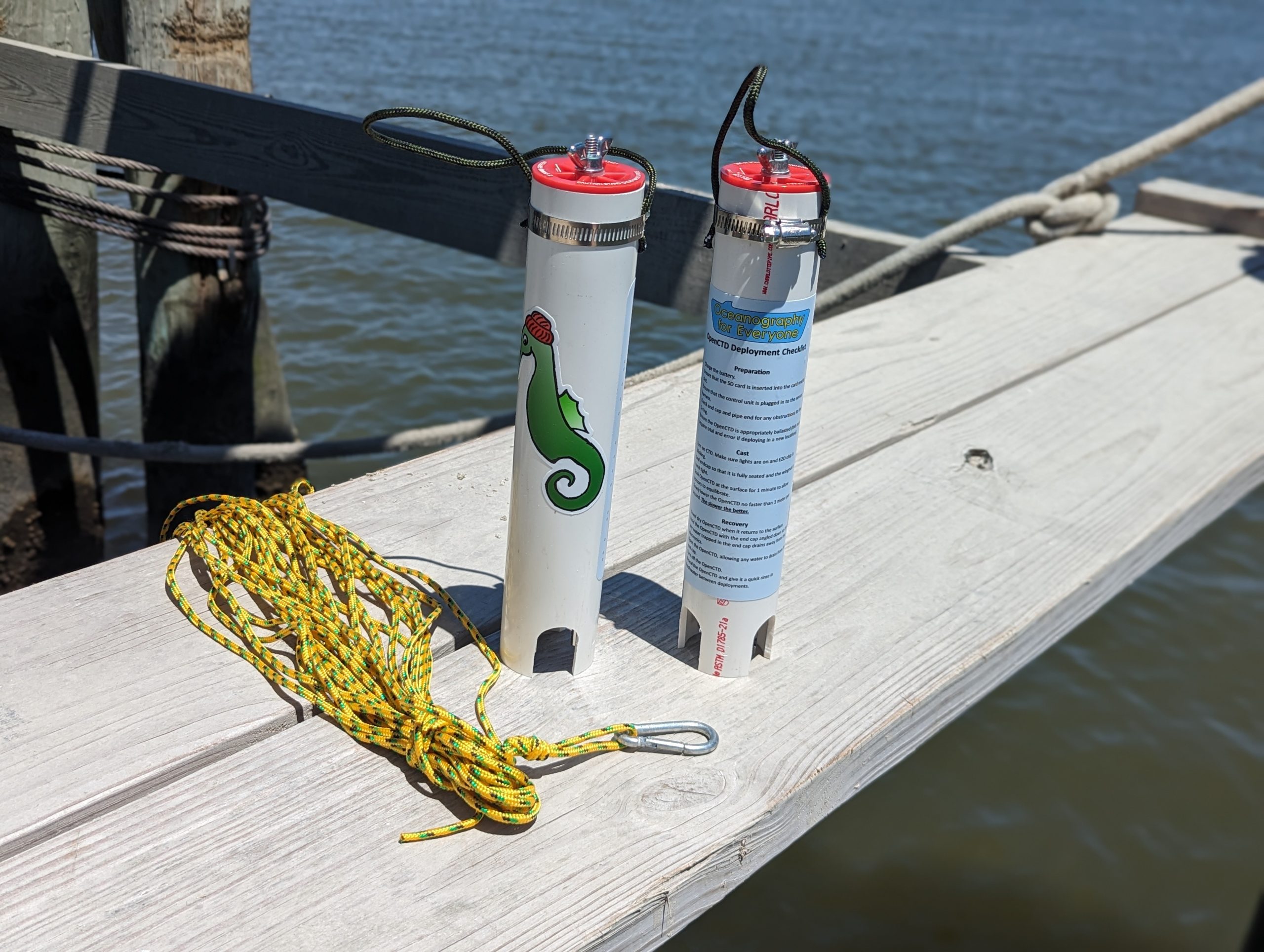
The next OpenCTD is here!
June 22, 2026
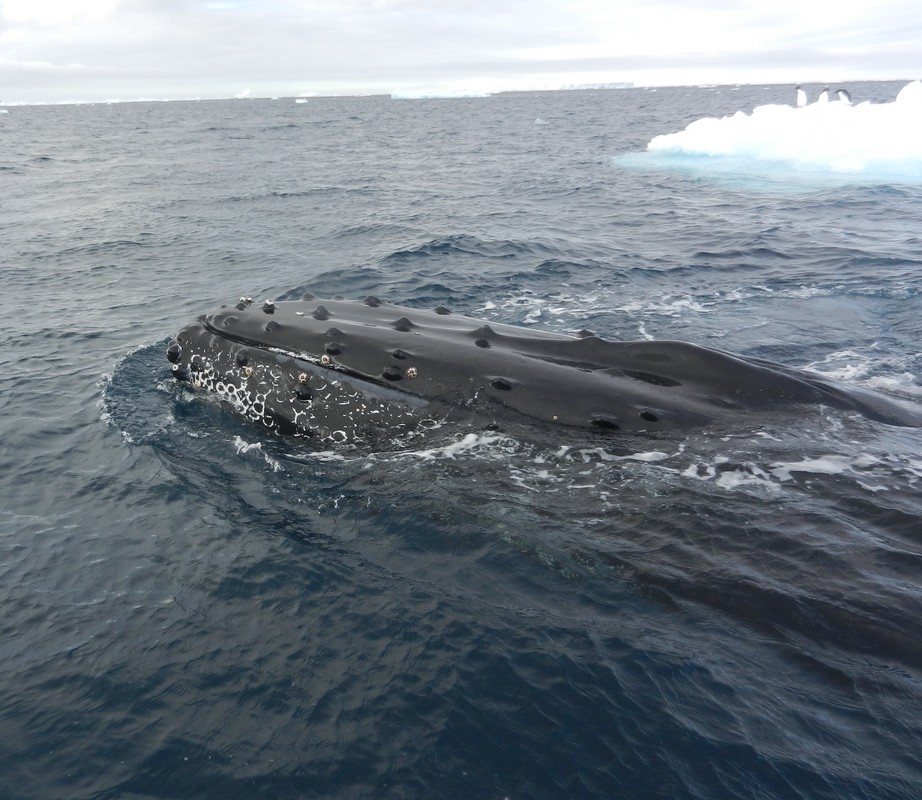
humpback whale in Antarctica
The evolution of the International Whaling Commission – from  whaling quotas to whale conservation
June 10, 2026
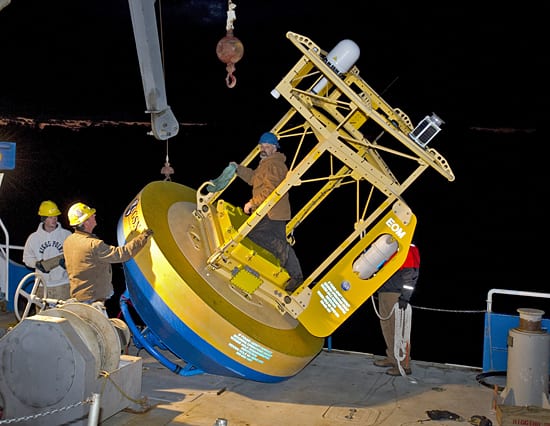
Isn’t ironic, don’t you think: dismantling the Ocean Observatories Initiative on World Oceans Day
June 9, 2026
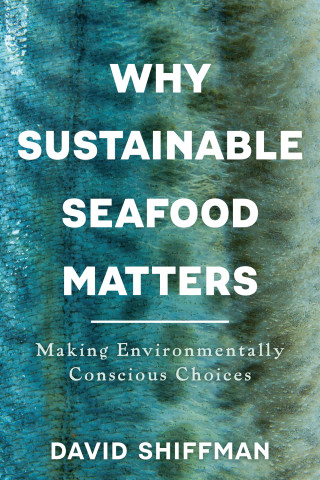
“Why Sustainable Seafood Matters” is now available for preorder! Here’s what it’s about, and why I decided to write it.
June 8, 2026
Here’s how to join my IMCC8 symposium, “Ocean Science Communication: What’s New and What’s Next?”
April 22, 2026
Deep Sea Mining Symposium Announcement
April 21, 2026

Tweets from the American Elasmobranch Society: Elasmobranch Genetics

Posted on August 19, 2012August 17, 2012 By David Shiffman
Science

The American Elasmobranch Society is a non-profit professional society focusing on the scientific study and conservation of sharks, skates, and rays. AES members meet each year in a different North American city, and this meeting is the world’s largest annual gathering of shark scientists. AES recently met in Vancouver, British Columbia for the 2012 meeting, and for the first time the event was live-tweeted by meeting attendees, including myself. I’ve organized the best conference tweets by session using Storify. If anyone has any questions or comments about the research presented below, please feel free to share it in the comments section of this blog post.

Here are selected tweets from the Elasmobranch Genetics session.

Read More “Tweets from the American Elasmobranch Society: Elasmobranch Genetics” »

Tweets from the American Elasmobranch Society: Anatomy, Development, and Physiology

Posted on August 18, 2012August 17, 2012 By David Shiffman
Science

The American Elasmobranch Society is a non-profit professional society focusing on the scientific study and conservation of sharks, skates, and rays. AES members meet each year in a different North American city, and this meeting is the world’s largest annual gathering of shark scientists. AES recently met in Vancouver, British Columbia for the 2012 meeting, and for the first time the event was live-tweeted by meeting attendees, including myself. I’ve organized the best conference tweets by session using Storify. If anyone has any questions or comments about the research presented below, please feel free to share it in the comments section of this blog post.

Here are selected tweets from the Elasmobranch Anatomy, Development, and Physiology session.

Read More “Tweets from the American Elasmobranch Society: Anatomy, Development, and Physiology” »

Tweets from the American Elasmobranch Society: Elasmobranch Behavior

Posted on August 18, 2012August 17, 2012 By David Shiffman
Science

The American Elasmobranch Society is a non-profit professional society focusing on the scientific study and conservation of sharks, skates, and rays. AES members meet each year in a different North American city, and this meeting is the world’s largest annual gathering of shark scientists. AES recently met in Vancouver, British Columbia for the 2012 meeting, and for the first time the event was live-tweeted by meeting attendees, including myself. I’ve organized the best conference tweets by session using Storify. If anyone has any questions or comments about the research presented below, please feel free to share it in the comments section of this blog post.

Here are selected tweets from the Elasmobranch Behavior sessions.

Read More “Tweets from the American Elasmobranch Society: Elasmobranch Behavior” »

Tweets from the American Elasmobranch Society: Deepwater Chondrichthyans Symposium

Posted on August 18, 2012August 17, 2012 By David Shiffman
Science

The American Elasmobranch Society is a non-profit professional society focusing on the scientific study and conservation of sharks, skates, and rays. AES members meet each year in a different North American city, and this meeting is the world’s largest annual gathering of shark scientists. AES recently met in Vancouver, British Columbia for the 2012 meeting, and for the first time the event was live-tweeted by meeting attendees, including myself. I’ve organized the best conference tweets by session using Storify. If anyone has any questions or comments about the research presented below, please feel free to share it in the comments section of this blog post.

Here are selected tweets from the Deepwater Chondrichthyans Symposium.

Read More “Tweets from the American Elasmobranch Society: Deepwater Chondrichthyans Symposium” »

Tweets from the American Elasmobranch Society: President Ferry’s plenary “Elasmobranchs in Biological Research”

Posted on August 18, 2012August 17, 2012 By David Shiffman
Science

The American Elasmobranch Society is a non-profit professional society focusing on the scientific study and conservation of sharks, skates, and rays. AES members meet each year in a different North American city, and this meeting is the world’s largest annual gathering of shark scientists. AES recently met in Vancouver, British Columbia for the 2012 meeting, and for the first time the event was live-tweeted by meeting attendees, including myself. I’ve organized the best conference tweets by session using Storify. If anyone has any questions or comments about the research presented below, please feel free to share it in the comments section of this blog post.

Here are conference tweets from AES President Lara Ferry’s plenary talk, “Elasmobranchs in Biological Research”.

Read More “Tweets from the American Elasmobranch Society: President Ferry’s plenary “Elasmobranchs in Biological Research”” »

A selection of primary literature on the ecology of deep-sea hydrothermal vents in Manus Basin

Posted on August 7, 2012August 7, 2012 By Andrew Thaler
Science

Deep-sea mining is once again in the news. As Kevin Zelnio frustratingly points out on twitter, news articles often fail to mention the primary research that has been conducted at these sites or make more than a cursory statement concerning their ecology. This has the effect of marginalizing an entire ecosystem and makes it difficult for the public to grasp the richness and diversity of deep-sea hydrothermal vent communities, some of which may face commercial exploitation. Here is a selection of recent primary literature, with abstracts, on the ecology of deep-sea hydrothermal vents at the center of the mining debate, Manus Basin (you may recognize some of the authors).

Read More “A selection of primary literature on the ecology of deep-sea hydrothermal vents in Manus Basin” »

The importance of being Aquaman, or how to save the Atlantean from his briny fate

Posted on July 30, 2012September 14, 2012 By Andrew Thaler 2 Comments on The importance of being Aquaman, or how to save the Atlantean from his briny fate
Popular Culture, Science

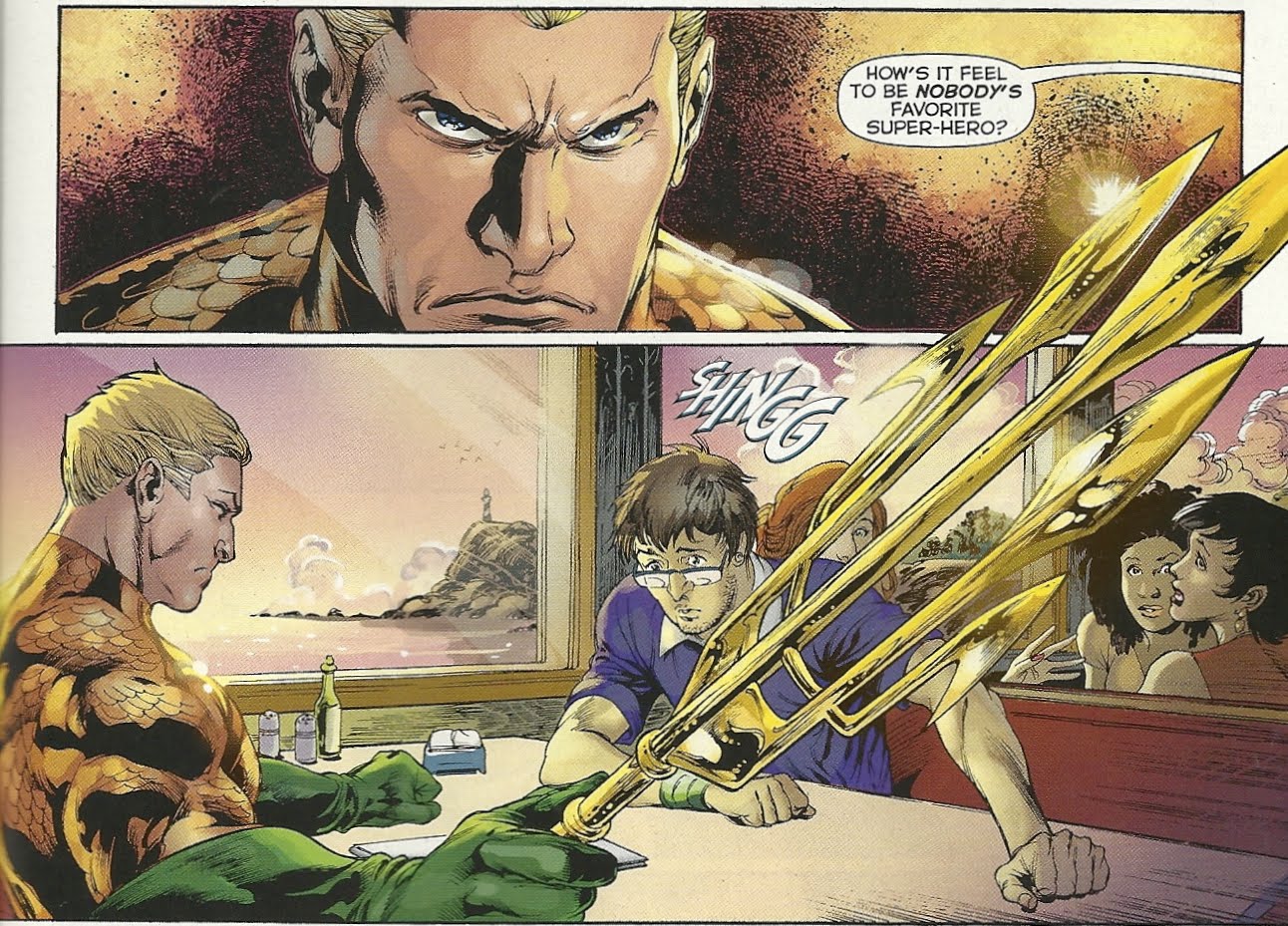
Aquaman has an unpleasant lunch. From New 52 Aquaman #1
Aquaman has an unpleasant lunch. From New 52 Aquaman #1 DC Comics.

Two weeks ago, I challenged the world to consider how the greatest hero in the DC Universe would fair if forced to survive in the real world. The result was a hypothermic, brain-dead lump of jerky with brittle bones forced to suffer through constant screams of agony even as he consumes sea life at a rate that would impress Galactus. In short, the ocean is a rough place, even for Aquaman.

Since that post made its way across the internet, several people have asked me to discuss what adaptations Aquaman would need to survive in this, science-based, ocean. So I went back to my comic books and my textbooks to assemble an Aquaman with a suite of evolutionary adaptations that would allow a largely humanoid organism to rule the waves, trident triumphantly raised.

Read More “The importance of being Aquaman, or how to save the Atlantean from his briny fate” »

Update on Blue Pints

Posted on July 27, 2012October 27, 2013 By Andrew Thaler 1 Comment on Update on Blue Pints
Uncategorized

Last month we launched the video component of Southern Fried Science–Blue Pints. Blue Pints was designed to be an informal conversation among marine scientists about current issues in marine science and conservation. Our first four episodes covered topics ranging from shark finning to Japanese kelp fishing to Sea monsters and hoax UFO’s. Thanks to Google+, we could broadcast these discussions live while recording them for posterity. It took several episodes for us to hit our stride and I’m certain that we’ll continue to perfect and change the formatting as we continue, which leads us to the big question on everyone’s mind:

What is next for Blue Pints?

A weekly episode proved a bit too much for our current schedules, so we’re cutting down on the number we produce every month. On top of that, as many of you know, I’m defending my doctoral dissertation next month, so my southern fried schedule is pretty much completely packed until then. Finally, as much as you all love to see mine, David’s, and Amy’s faces, I’m sure you’d much rather we mix up the hosts a bit.

Two things are happening between now and the end of August. First, we’re soliciting guests to join in on our broadcasts. If there are issues in marine science and conservation that you’d like to talk about, or you just want to hang out online with us talking about the ocean, drop us a line or leave a comment on this post and we’ll start assembling a schedule of ocean communicators. Second, we’re launching a complementary program–A shot of Blue–which will be a short (5 minutes or less) discussion covering a single topic. This will help round out the schedule with out demanding too much of our time. We may continue to run episodes during this month, but will not be sticking to a regular schedule.

Check out the first 4 episodes of Blue Pints:

Read More “Update on Blue Pints” »

Live from Dayton: Using twitter to shed light on the Scopes Monkey Trial, 87 years later

Posted on July 23, 2012July 23, 2012 By Andrew Thaler
Science

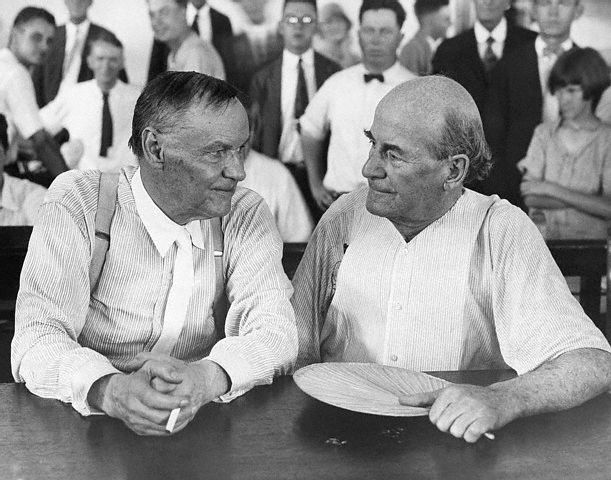
Clarence Darrow and William Jennings Bryan, 1925

Over the last 2 weeks, I’ve taken to twitter to “live-tweet” the Scopes Monkey Trial, as it happens, 87 years after the event. Through the news reports of H.L. Mencken and several historical documents, I attempted to capture the atmosphere of 1925 Dayton, Tennessee, the tension of the trial, the exciting, and sometimes irreverent, nature of the proceedings.

To accomplish this, I drew from several publications, most notably Mencken: The American Iconoclast by Marion Elizabeth Rodgers and A Religious Orgy in Tennessee: A Reporter’s Account of the Scopes Monkey Trial a collection of Mencken’s Scopes Trial reports assembled by Art Winslow. The website The Evolution-Creationism Controversy: A Chronology was very helpful in establishing the dates for various events during the trial State v. Scopes: Trial Excerpts provided access to the public testimony for several key trial events.

Below the fold is the entire archive of my Scopes Trial tweets, with added resources and additional content. Enjoy!

Read More “Live from Dayton: Using twitter to shed light on the Scopes Monkey Trial, 87 years later” »

Books reviews: read up on sharks and grouper before the AES/ASIH meeting

Posted on July 23, 2012July 23, 2012 By David Shiffman
Uncategorized

In just three weeks, the American Elasmobranch Society and the American Society of Ichthyologists and Herpetologists will hold their annual meeting. This year, it will take place in Vancouver, British Columbia as part of the World Herpetology Congress. I’ll be presenting, and I’m looking forward to seeing many of our readers there. Those of you who will be attending this conference, as well as anyone with an interest in sharks and other marine fishes, may be interested in these great new marine science books!

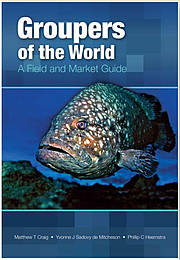
1. Groupers of the world: a field and market guide (by Matthew Craig, Yvonne Sadovy de Mitcheson, and Phillip Heemstra). Grouper are some of the most economically important fish in the ocean, and it’s important that scientists, managers, and eco-conscious consumers have access to the latest scientific and conservation information about these fish. As fisheries landings have increased greatly in recent years (the 300,000 tons landed in 2008 are 10 times the landings from the 1950’s), many species are rapidly declining in population. Recent research showed that 12% of known grouper species are Threatened (Vulnerable, Endangered, or Critically Endangered according to IUCN Red List standards) and another 13% are Near Threatened. Mating behaviors like spawning aggregations and the tendency to change sex further complicates management.

In addition to introducing readers to the field and summarizing the latest scientific discoveries, this book serves as a detailed reference guide to the 163 known species of grouper. The authors demonstrate how to identify each species using more than 300 beautiful color photographs and line drawings,  and detailed maps show where each can be found. The population status (including major threats and some proposed solutions), IUCN Red List conservation status, life history information and known feeding behavior is also reviewed for each species. $79.95, CRC Press.

Read More “Books reviews: read up on sharks and grouper before the AES/ASIH meeting” »

Posts pagination

Previous 1 … 139 140 141 … 273 Next

Popular Posts

Ageism in the conservation job marketAgeism in the conservation job marketJune 19, 2026Chris Parsons
What Ocean Ramsey does is not shark science or conservation: some brief thoughts on "the Shark Whisperer" documentaryWhat Ocean Ramsey does is not shark science or conservation: some brief thoughts on "the Shark Whisperer" documentaryJuly 2, 2025David Shiffman
Screaming into the void - Why your scientific paper doesn’t matterScreaming into the void - Why your scientific paper doesn’t matterJune 18, 2026Chris Parsons
The next OpenCTD is here!The next OpenCTD is here!June 22, 2026Andrew Thaler
Undermining the Law of the Sea. Some additional thoughts following my OpEd in the Hill.Undermining the Law of the Sea. Some additional thoughts following my OpEd in the Hill.June 22, 2026Andrew Thaler
What is a Sand Shark?What is a Sand Shark?November 12, 2017Chuck Bangley
The story of the pride flag made from NASA imagery: Bluesky's most-liked imageThe story of the pride flag made from NASA imagery: Bluesky's most-liked imageSeptember 27, 2024David Shiffman
That's not a blobfish: Deep Sea Social Media is Flooded by AI SlopThat's not a blobfish: Deep Sea Social Media is Flooded by AI SlopDecember 19, 2025Andrew Thaler
Our favorite sea monsters – Ningen (#4)Our favorite sea monsters – Ningen (#4)September 7, 2010Andrew Thaler
Did monster hunters find a 120 meter long giant squid on google maps?Did monster hunters find a 120 meter long giant squid on google maps?June 17, 2016Andrew Thaler

squishy

Subscribe to our RSS Feed for updates whenever new articles are published.

We recommend Feedly for RSS management. It's like Google Reader, except it still exists.

Southern Fried Science

  • Home
  • About SFS
  • Authors
  • Support SFS


If you enjoy Southern Fried Science, consider contributing to our Patreon campaign.

Copyright © 2026 Southern Fried Science.

Theme: Oceanly Premium by ScriptsTown