Skip to content

Southern Fried Science

Over 15 years of ocean science and conservation online

  • Home
  • About SFS
  • Authors
  • Support SFS

Recent Posts

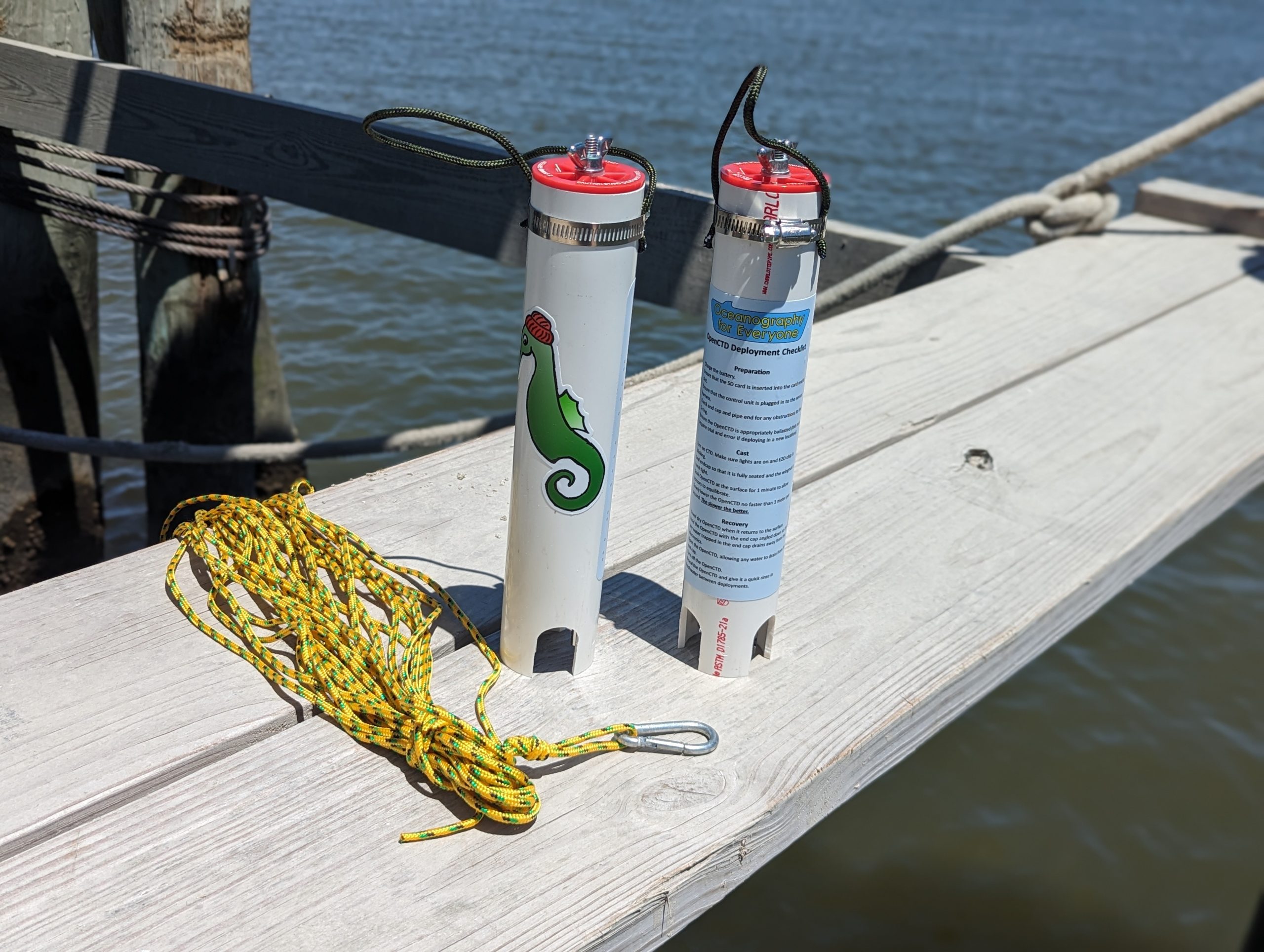
The next OpenCTD is here!
June 22, 2026
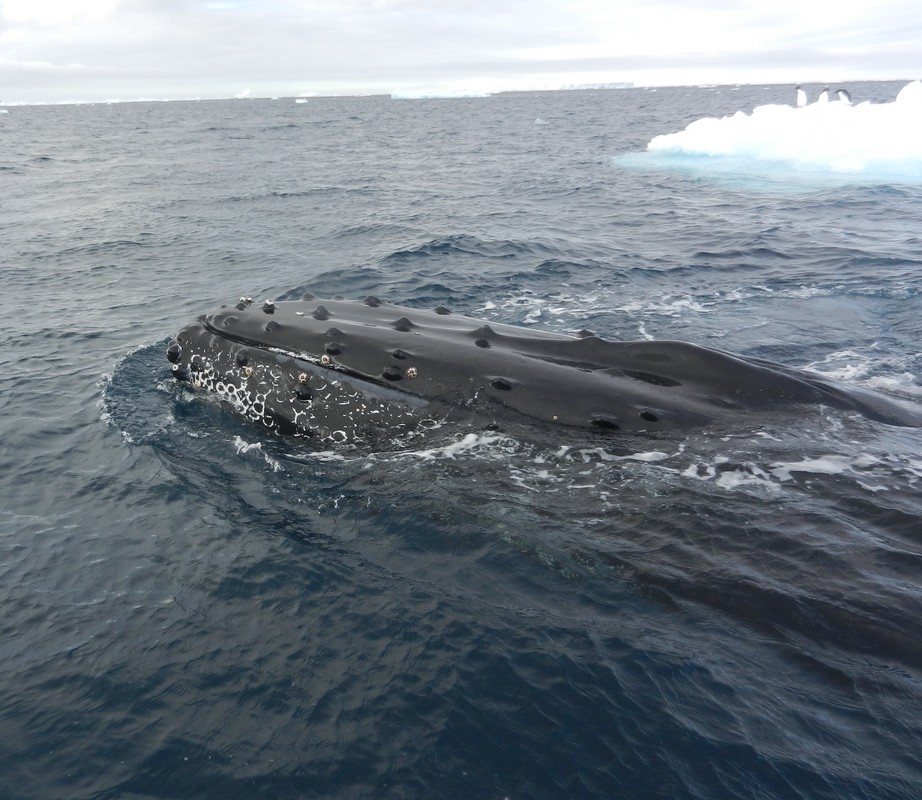
humpback whale in Antarctica
The evolution of the International Whaling Commission – from  whaling quotas to whale conservation
June 10, 2026
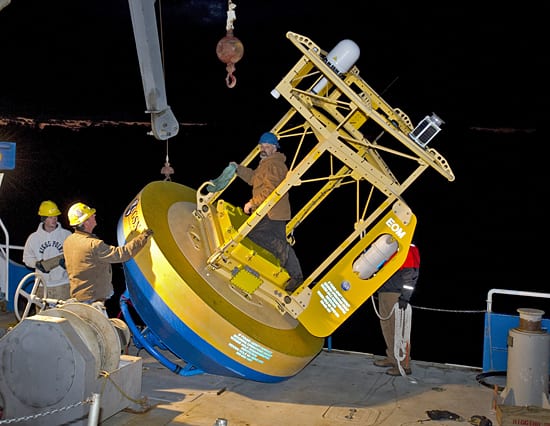
Isn’t ironic, don’t you think: dismantling the Ocean Observatories Initiative on World Oceans Day
June 9, 2026
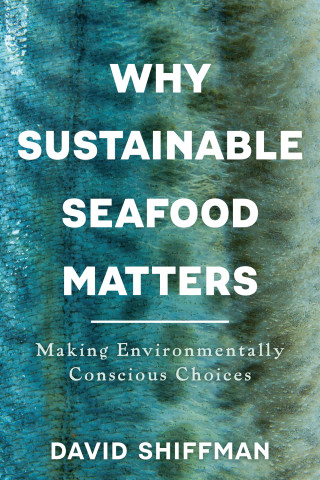
“Why Sustainable Seafood Matters” is now available for preorder! Here’s what it’s about, and why I decided to write it.
June 8, 2026
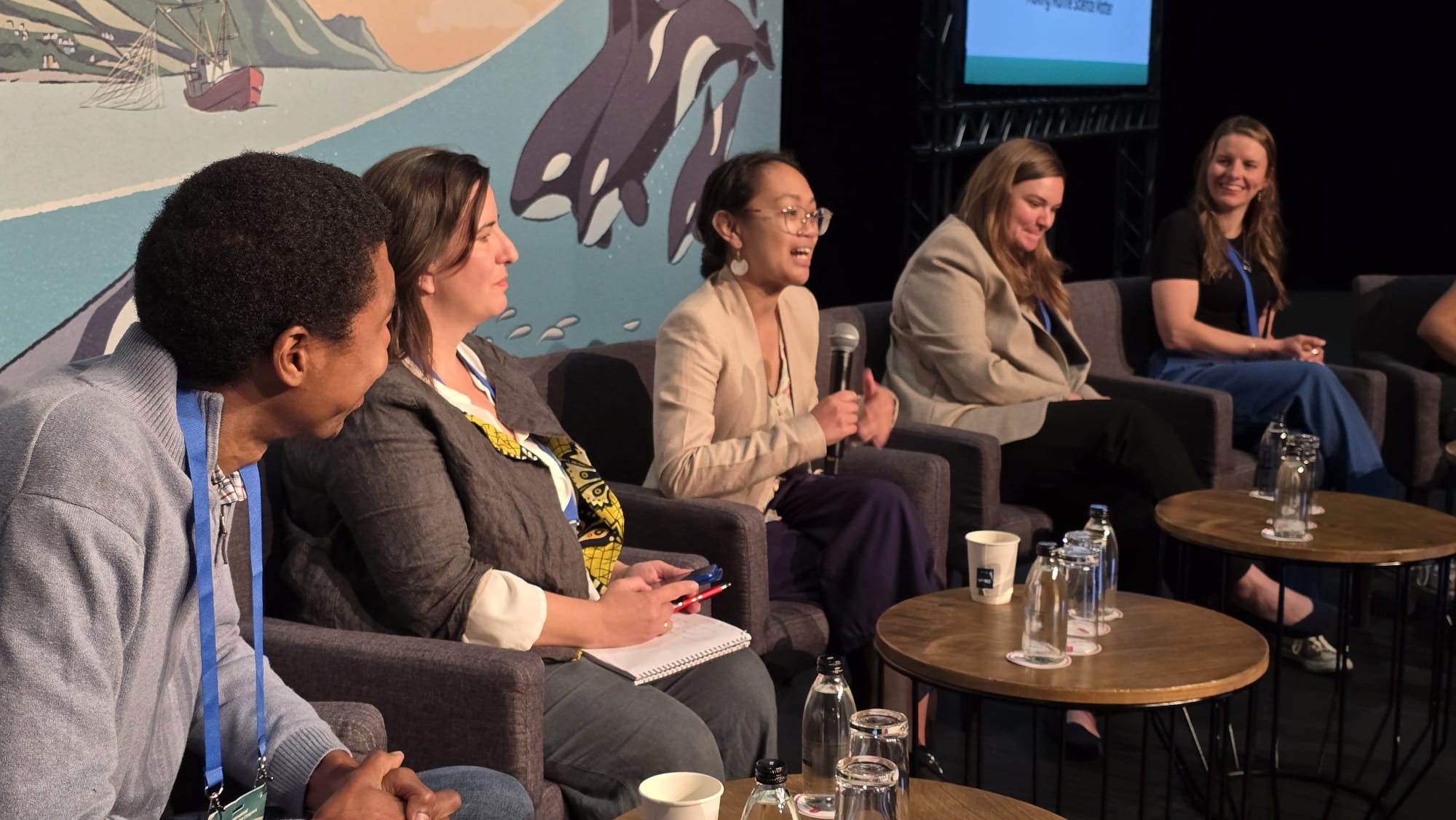
Here’s how to join my IMCC8 symposium, “Ocean Science Communication: What’s New and What’s Next?”
April 22, 2026
Deep Sea Mining Symposium Announcement
April 21, 2026

Core Themes for 2012: A renewed sense of wonder

Posted on January 27, 2012January 27, 2012 By Andrew Thaler 1 Comment on Core Themes for 2012: A renewed sense of wonder
Uncategorized

In the past four years, we took our readers from the remote shoals of the Skeleton Coast to the unfathomable depths of the western Pacific. We touched the coasts of every continent, plumbed the depth of every ocean. Throughout this shared journey, the unspoken, implicit rationale, the very heart of our passion, the reason that any of this is worth doing, is that the ocean is awesome. When I say awesome, I don’t mean awesome in some mundane, biblical sense of fear and wonder when staring into the face of god; I’m talking about something much greater than our fragile brains can comprehend.

We have sailed so far, in these four years, and in this voyage I fear that we have found ourselves, like Ishmael, in “the damp, drizzly November of [our] souls.” The conversation at Southern Fried Science has changed, become more cynical, fatalistic, and driven by threats facing the ocean, rather than reasons why we value it. What once was a sea of boundless potential is now cast in bondage to statistics, benefit analyses, weights and measures, action items. In a way, this shift was inevitable. The ocean is in trouble, the world is changing, and the less we understand it, the more we will lose. Without someone to mark the ledger, to take the bearing, the ship is lost.

Read More “Core Themes for 2012: A renewed sense of wonder” »

Core themes of 2012: Underrepresented issues in marine science and conservation

Posted on January 26, 2012 By David Shiffman 3 Comments on Core themes of 2012: Underrepresented issues in marine science and conservation
Uncategorized

One of the many unfortunate consequences of the decline in traditional media has been a reduction in science reporting. The formerly great CNN science unit closed in 2008, followed soon after by the health and science page of the Boston Globe. Alarmingly few trained science journalists are left, and people without proper training are being asked to cover the few science stories that still make it on the air ( I was once interviewed about shark research by the weatherman from CNN’s “American Morning”).  With few exceptions, science and conservation stories are no longer considered a priority to the major news networks and newspapers. However, science is no less important to our everyday lives.

Read More “Core themes of 2012: Underrepresented issues in marine science and conservation” »

Core Themes of 2012: Challenging the Conventional Narrative

Posted on January 25, 2012January 25, 2012 By Bluegrass Blue Crab 3 Comments on Core Themes of 2012: Challenging the Conventional Narrative
Uncategorized

Isaac Newton, after experiencing the bottom end of a falling apple, used that experience to formulate the theory of gravity. The inductive process Newton used is common to the goals of most scientific endeavors and a deeply ingrained part of the human psyche. As humans, we love to generalize. It helps us understand the world around us by categorizing parts of it and explaining natural dynamics by the “laws of nature”. We also stereotype each other by race, hometown, or favorite basketball team. Some would say these tendencies help us prepare – to predict and expect the logical outcome of the set of clues presented in our everyday lives. But just like the reasons your mother told you not to stereotype, sometimes nature has its own surprises that defy prediction, categorization, or law-following. Especially if you don’t quite know what the law is yet.

Read More “Core Themes of 2012: Challenging the Conventional Narrative” »

Core Themes for 2012: Highlighting the Rural Voice

Posted on January 24, 2012January 24, 2012 By Bluegrass Blue Crab
Uncategorized

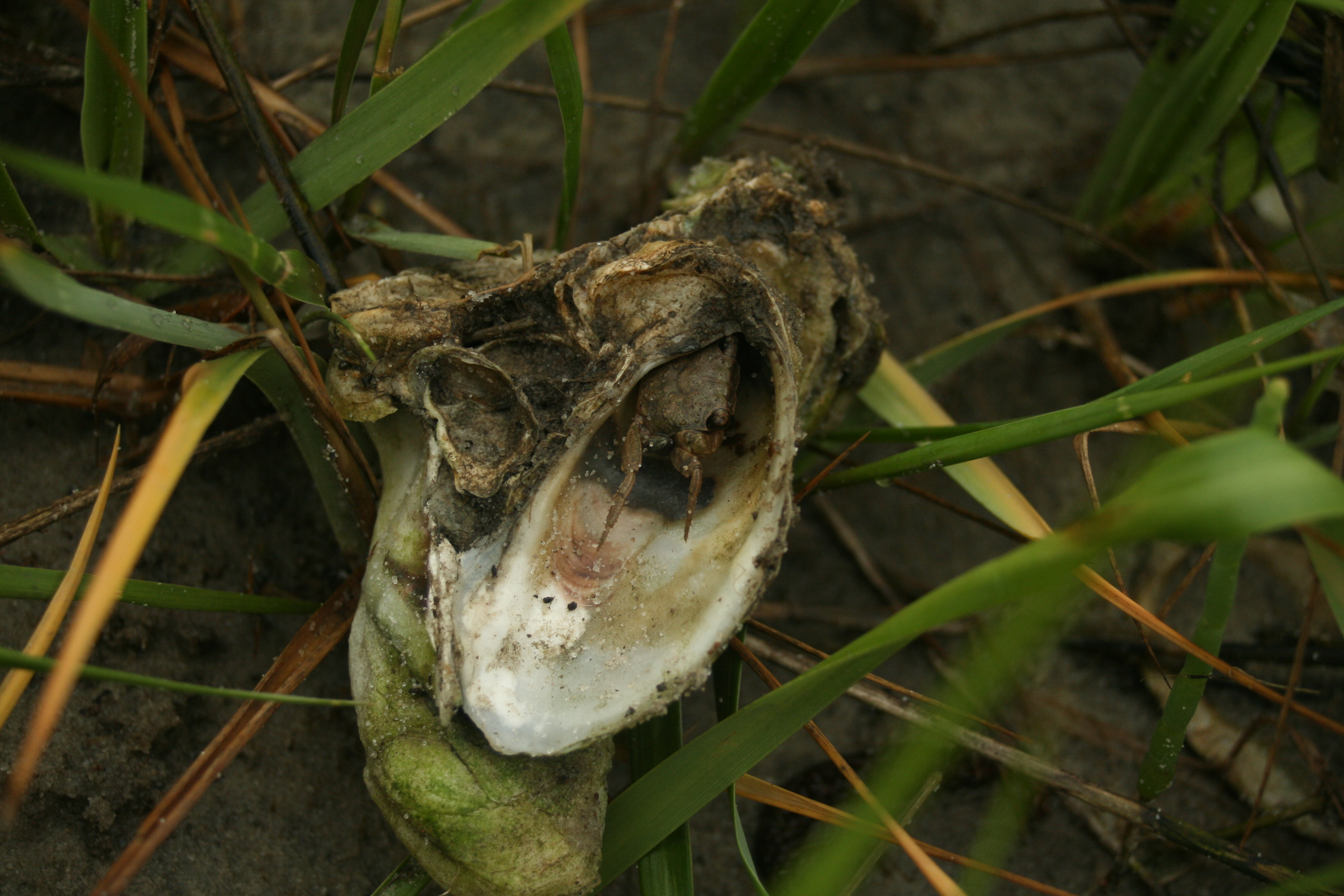
Oyster shell, photo by author

Imagine the last time you went to an oyster roast – good food, happy friends, and maybe a delicious smelling fire to warm your toes. Someone brought warm homemade crackers. The youngest in the crowd is both delighted and disgusted at the discovery of a lucky oyster crab in the corner of his oyster shell.

Moments like these that help define what sustainability means – a desire for the continued existence of those oyster roasts. That requires healthy estuaries to make oysters every year, careers that keep people in the community, and healthy local farming for trees and agriculture. Moments like these define the word ‘rural’, where residents are dependent on the natural resources they interact with daily for food and livelihood. This could mean life on a farm in one of the most sparsely populated regions of the country or a piece of the rural carved out of an increasingly urbanized landscape. Rural describes an ethic and a way of life more than any particular location.

Read More “Core Themes for 2012: Highlighting the Rural Voice” »

Core Themes for 2012: The story behind the paper

Posted on January 23, 2012January 24, 2012 By Andrew Thaler
Uncategorized

There is a disconnect between those who conduct scientific research and those who consume it. The public has a vision of science that involves crisp lab coats and expensive equipment, lone students toiling at the bench waiting for an eureka moment or field researchers swinging, Indiana Jones-style through the jungle, Science is, unfortunately, not that neat.

Read More “Core Themes for 2012: The story behind the paper” »

Southern Fried Science Core Themes for 2012

Posted on January 23, 2012 By Andrew Thaler
Uncategorized

This month, David, Amy, and I gathered to discuss the future direction of Southern Fried Science at the Third Annual Southern Fried Retreat. One of the outcomes of that meeting was the sleek, new comment policy at the top of the page. Instead of a rigid list of rules, we’ll be trying to foster a … Read More “Southern Fried Science Core Themes for 2012” »

How to live-tweet a conference: A guide for conference organizers and twitter users

Posted on January 17, 2012January 17, 2012 By David Shiffman 8 Comments on How to live-tweet a conference: A guide for conference organizers and twitter users
Science

Attending scientific conferences is one of my favorite parts of my job. I get to travel to interesting places (and Mobile, Alabama), catch up with colleagues, learn about what smart people all over the world are up to, and get feedback on my own research from those smart people. Conferences help me to learn about the world, network with people in my field, and become a better scientist. To date, I’ve attended 13 conferences (including 3 international ones), and I learn something new at each one.

There are a lot of non-scientists in the world who care about many of the issues discussed at scientific conferences, issues like climate change, endangered species, overfishing, and cool new discoveries about sharks. The overwhelming majority of these non-scientists lack the resources or the time to attend conferences, and many might not even know that they’re happening. In many cases, increased public awareness of a conservation issue is exactly what’s needed to help fix the problem. If the interested public can’t attend conferences and the mainstream media doesn’t typically cover them, how can we get the word out?

Image courtesy twitter.com, used with permission

Part of the answer is social media, the so-called Web 2.0 technologies that simultaneously make it easier than ever before in human history for people to share information with the world (without traditional gatekeepers like the mainstream media), and make it easier than ever before in human history for people to find information about topics they care about. One social media tool that lends itself particularly well to sharing information from a conference is twitter, and live-tweeting conferences is a growing trend. For the purpose of this post, I define live-tweeting (henceforth simply “tweeting”) as simply tweeting about conference presentations and events. This tweeting can take place during the actual conference presentation (in several cases, I’ve been able to relay a question to a presenter from one of my twitter followers during the official question and answer period associated with a presentation), but doesn’t necessarily have to be. At one conference, I simply took notes on talks and tweeted about them later- the only disadvantages of this strategy are that you can’t relay questions from your followers to the presenters and you may be discussing the same topic at a different time as other twitter users.

Presented below is a guide for conference organizers to promote conference tweeting, and a guide for interested twitter users to use the tool to maximum effect. The guide is with specific reference to getting important information from a conference to the interested non-scientist not-present-at-the-conference public. There are many other goals for conference tweeting (taking notes on a conference primarily for personal use, sharing important technical information with colleagues in your field, etc), and the strategies and suggestions below may not be appropriate for these goals.

Read More “How to live-tweet a conference: A guide for conference organizers and twitter users” »

Nine ways journalists demonstrate they don’t understand science

Posted on January 17, 2012January 17, 2012 By Andrew Thaler 12 Comments on Nine ways journalists demonstrate they don’t understand science
Uncategorized

Ah the Guardian, that venerable bastion of Truth and Light*. Today they posted a handy reference guide for scientists trying to work with journalist, attempting to explain why science news is covered in certain ways and trying to ease the process by pointing out “Nine ways scientists demonstrate they don’t understand journalism”. The knife, of course, cuts both ways, so science journalist may want to meditate on a few ways that journalists demonstrate they don’t understand science.

Read More “Nine ways journalists demonstrate they don’t understand science” »

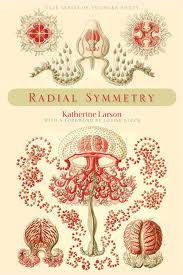
Radial Symmetry – the poetry of Katherine Larson

Posted on January 16, 2012 By Andrew Thaler
Uncategorized

What is it about the ocean that inspires otherwise precise and stoic scientists to cast off the shackles of structured, rigorously defined scientific language and swim, instead, through a sea of verse and meter. You can find examples littered across the internet, from Kevin Zelnio’s song lyrics featured in the Open Lab, to my own pedestrian attempts at Hardtack and Sardines. Of course, some poets rise above our amateur attempts and merge a deep understanding of the natural world with a precise eye for beauty, bringing both together in a sea of verse which stirs the soul and challenges the intellect. That is exactly what Katherine Larson has done with her first book of science-inspired poetry: Radial Symmetry.

It may seem a strange book for a marine science blog to review, but Larson, a molecular biologist by training, has captured a the spirit of scientific inquiry and the ocean in a way that few other mediums can. Her poetry evokes the thrill of discovery as well as frustration. How many practicing scientists can’t relate to Love at thirty-two degrees, a poem that begins by observing the branchial hearts of a squid,  when she announces:

Read More “Radial Symmetry – the poetry of Katherine Larson” »

U.S. Ocean Policy Takes a (Small) Step Forward

Posted on January 12, 2012January 12, 2012 By Guest Writer
Conservation

Earlier today, the National Ocean Council released a new Implementation Plan for the National Policy for the Stewardship of the Ocean, Our Coasts, and the Great Lakes. We asked our colleague Morgan Gopnik, formerly a senior advisor to the U.S. Commission on Ocean Policy, to  summarize this new plan.


Today marks a momentous and long-awaited milestone for true ocean policy geeks: at noon the National Ocean Council released a draft Implementation Plan for the National Policy for the Stewardship of the Ocean, Our Coasts, and the Great Lakes! If this announcement makes you yawn, you are not alone. But wait! This new Plan could be truly significant for anyone who cares about ocean ecosystems and resources or coastal communities. Let me explain.

As most readers of Southern Fried Science probably know, the last decade has produced many depressing stories about declines in ocean health: overharvested fish stocks, waning biodiversity, “dead zones,” invasive species, oil spills, etc. It has also produced a number of studies and high-level Commission reports suggesting solutions to these problems, most notably the U.S. Commission on Ocean Policy’s “Ocean Blueprint for the 21st Century,” released in September 2004. (Full disclosure: I served as Senior Advisor to the Commission.)  The Blueprint provided lots of recommendations (212 in all) about controlling pollution, managing fisheries, protecting shorelines, and addressing other specific problems. But its major theme and most significant contribution was to emphasize the need to fundamentally change our approach to ocean management and governance.

Read More “U.S. Ocean Policy Takes a (Small) Step Forward” »

Posts pagination

Previous 1 … 148 149 150 … 273 Next

Popular Posts

That's not a blobfish: Deep Sea Social Media is Flooded by AI SlopThat's not a blobfish: Deep Sea Social Media is Flooded by AI SlopDecember 19, 2025Andrew Thaler
What Ocean Ramsey does is not shark science or conservation: some brief thoughts on "the Shark Whisperer" documentaryWhat Ocean Ramsey does is not shark science or conservation: some brief thoughts on "the Shark Whisperer" documentaryJuly 2, 2025David Shiffman
Screaming into the void - Why your scientific paper doesn’t matterScreaming into the void - Why your scientific paper doesn’t matterJune 18, 2026Chris Parsons
Ageism in the conservation job marketAgeism in the conservation job marketJune 19, 2026Chris Parsons
I can serve on your graduate thesis committee. Here’s what you can expect of me, and what I expect in return.I can serve on your graduate thesis committee. Here’s what you can expect of me, and what I expect in return.October 16, 2025David Shiffman
The story of the pride flag made from NASA imagery: Bluesky's most-liked imageThe story of the pride flag made from NASA imagery: Bluesky's most-liked imageSeptember 27, 2024David Shiffman
What is a Sand Shark?What is a Sand Shark?November 12, 2017Chuck Bangley
The next OpenCTD is here!The next OpenCTD is here!June 22, 2026Andrew Thaler
Shark of Darkness: Wrath of Submarine is a fake documentaryShark of Darkness: Wrath of Submarine is a fake documentaryAugust 10, 2014Michelle Jewell
Our favorite sea monsters – Ningen (#4)Our favorite sea monsters – Ningen (#4)September 7, 2010Andrew Thaler

squishy

Subscribe to our RSS Feed for updates whenever new articles are published.

We recommend Feedly for RSS management. It's like Google Reader, except it still exists.

Southern Fried Science

  • Home
  • About SFS
  • Authors
  • Support SFS


If you enjoy Southern Fried Science, consider contributing to our Patreon campaign.

Copyright © 2026 Southern Fried Science.

Theme: Oceanly Premium by ScriptsTown