Skip to content

Southern Fried Science

Over 15 years of ocean science and conservation online

  • Home
  • About SFS
  • Authors
  • Support SFS

Recent Posts

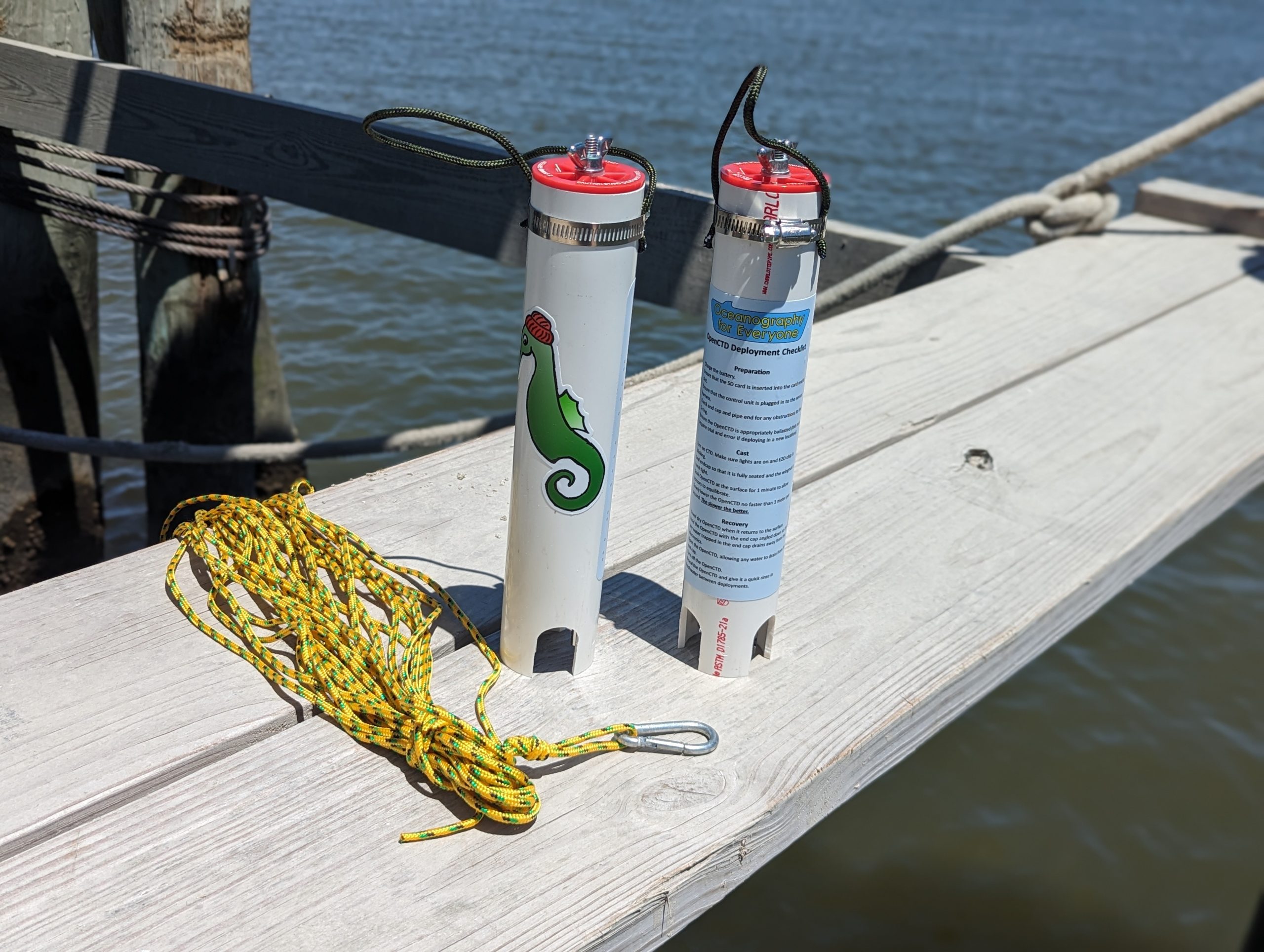
The next OpenCTD is here!
June 22, 2026
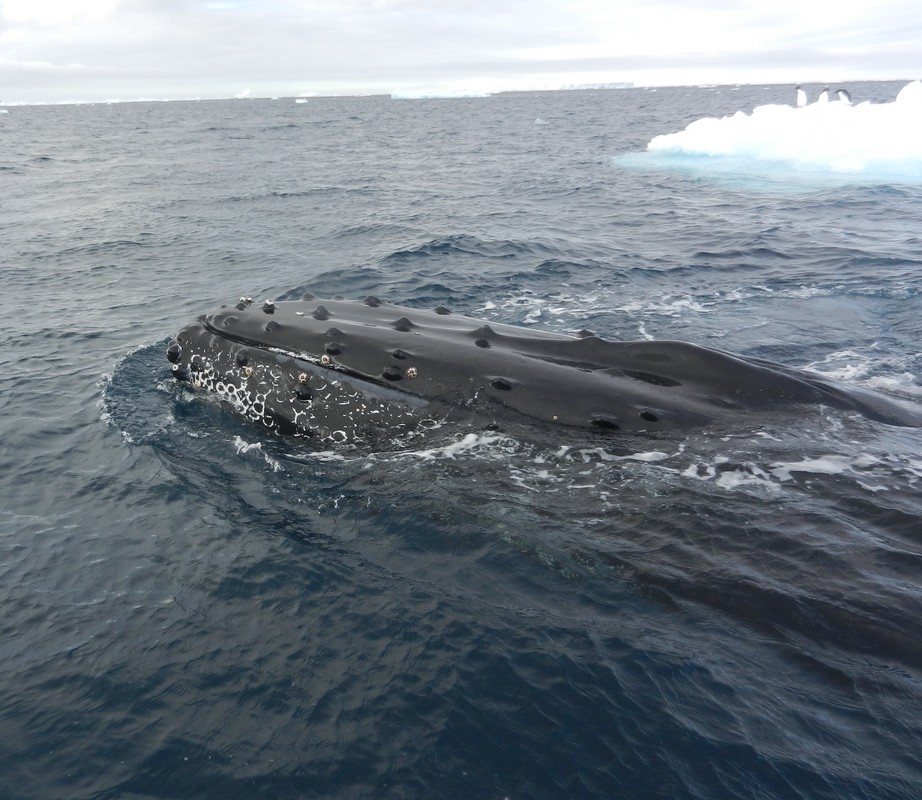
humpback whale in Antarctica
The evolution of the International Whaling Commission – from  whaling quotas to whale conservation
June 10, 2026
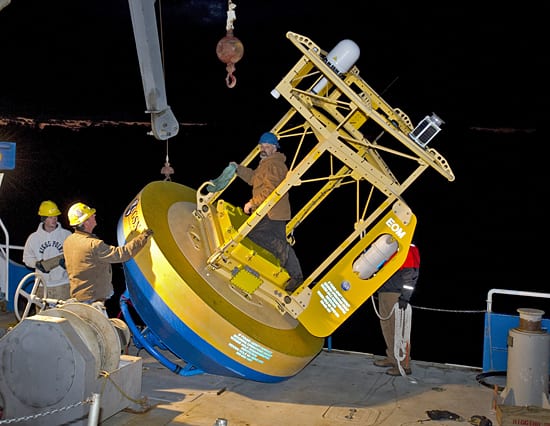
Isn’t ironic, don’t you think: dismantling the Ocean Observatories Initiative on World Oceans Day
June 9, 2026
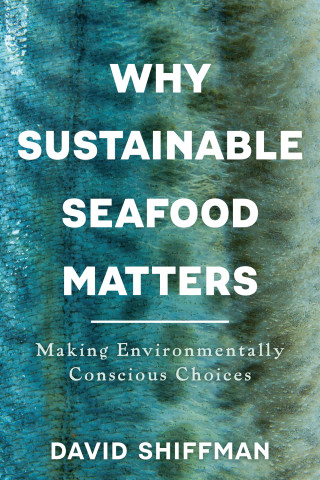
“Why Sustainable Seafood Matters” is now available for preorder! Here’s what it’s about, and why I decided to write it.
June 8, 2026
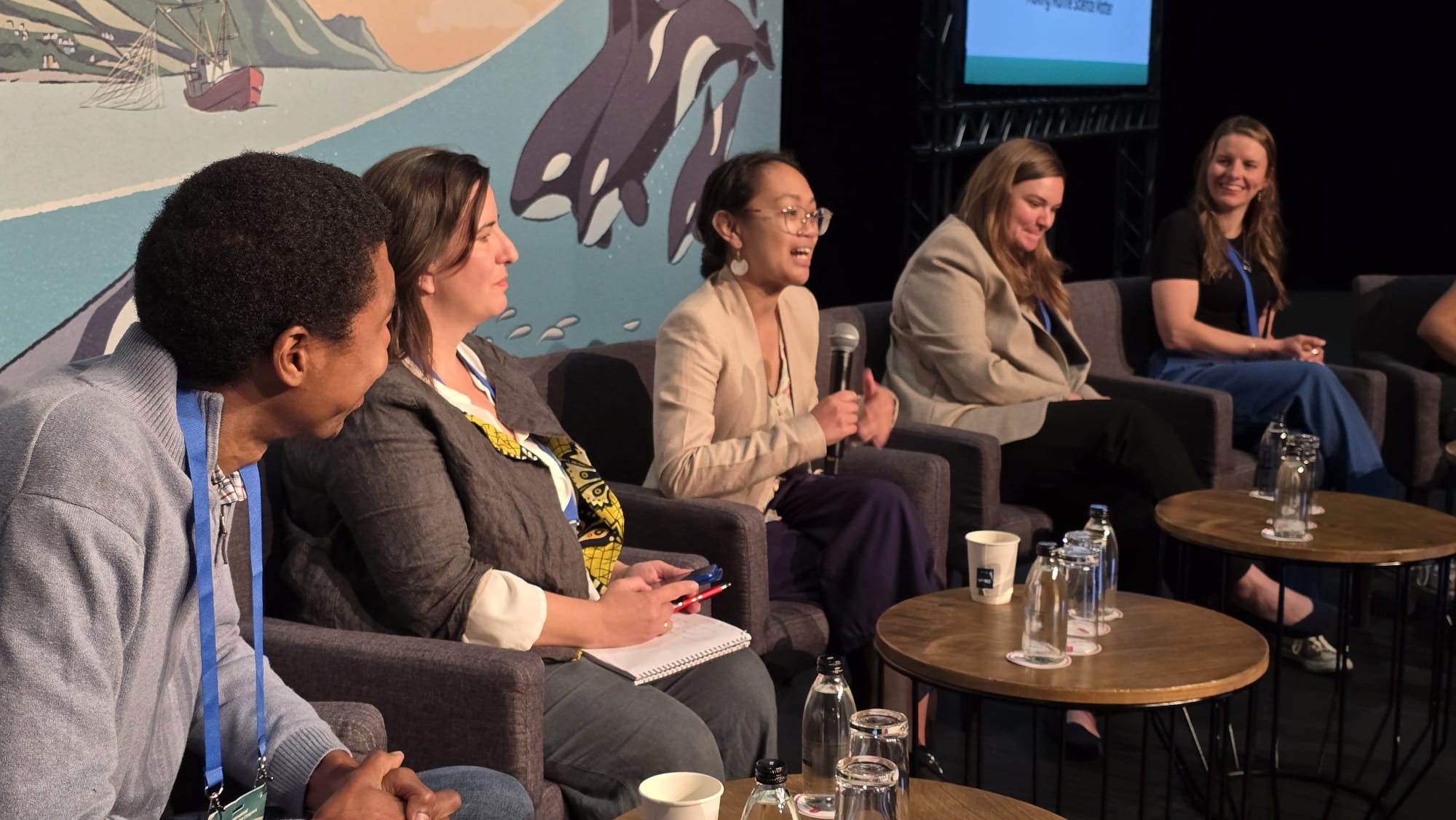
Here’s how to join my IMCC8 symposium, “Ocean Science Communication: What’s New and What’s Next?”
April 22, 2026
Deep Sea Mining Symposium Announcement
April 21, 2026

Aquaculture in NC: Designed Ecosystems

Posted on February 14, 2012February 14, 2012 By Bluegrass Blue Crab
Uncategorized

Lest you think aquaculture is like your childhood fish tank on a larger scale, let me remind you of the plecostomus in that tank. You know, the thing that sat stuck to the back of the tank behind the plant so that the family could never quite find it. Yet somehow, despite the fact that you could swear it never moved and could have been a stone decoration rather than an organism, this little helper kept every surface of that tank sparkly clean. Algae-free glass, gravel, and plants. But what if you have large, outdoor ponds and each mouth to feed costs you money if it doesn’t eventually end up as dinner?

This is exactly when you have to stop thinking of these operations as just a tank of fish. They are nestled in the surrounding ecosystem, full of naturally occuring algae – some good and some bad. For eastern North Carolina, both the wind and the tide might carry in some future algae blooms to your tanks, which are well-stocked with nutrient-rich fish poop to feed it. Instead, as NC Aquaculture Conference speaker DE Brune puts it, you have to think of your tanks and ponds as “designed ecosystems”.
Read More “Aquaculture in NC: Designed Ecosystems” »

Aquaculture in NC: North Carolina Aquaculture Development Conference

Posted on February 13, 2012February 13, 2012 By Bluegrass Blue Crab
Uncategorized

This past Friday on the banks of the Neuse in New Bern, NC, people interested in aquaculture in the region gathered to discuss the future. The group packed the ballroom in the Hilton with scientists, extension agents, interested citizens, and of course – producers. The afternoon before some attendees had the chance to visit farms in the area firsthand, one of which I’ve previously written about (White Rock Fish Farm). Friday held talks on the science, economics, and policies of aquaculture. Saturday morning wrapped up with freshwater and saltwater workshops tackling the details of growing fish. Parallel to the whole event was a trade show exhibiting the myriad food options available, water quality testing technology, cages and nets, greenhouses, and contacts for state programs. Friday night, there was proper celebration of aquaculture in the form of the Aquafood festival showcasing products from around the state. Take home message from the event? I left wanting to put a tank in my small Beaufort yard alongside the goats, chickens, and vegetable garden.

Read More “Aquaculture in NC: North Carolina Aquaculture Development Conference” »

Florida angler catches (and likely kills) Endangered great hammerhead shark

Posted on February 13, 2012February 14, 2012 By David Shiffman 158 Comments on Florida angler catches (and likely kills) Endangered great hammerhead shark
Conservation, Science


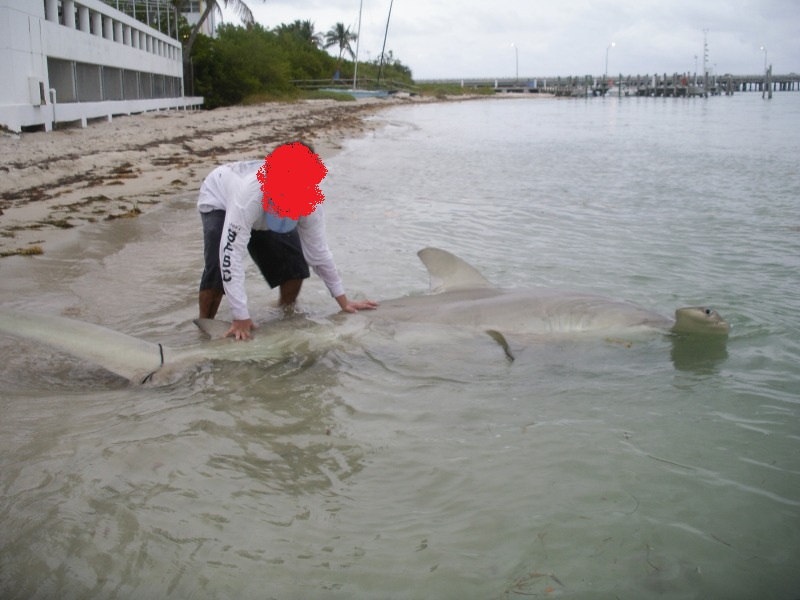
Image taken from the South Florida shark fishing club online forum. Photographer undisclosed. I have blocked out the angler's face to protect his identity

Update: The angler who originally caught the shark has responded. Please see below.

On February 5th, while standing on a beach in Miami,  a fisherman caught a 14 foot great hammerhead shark. According to his account, “we had it beached within an hour of hooking it. The fish weighed too much her girth was huge. Just the 2 of us wasn’t enough to get it out of the water….We snapped some pictures with our dying camera, measured it at 170 inches and spent the next hour walking back and forth with HER reviving her…it swam off slow and steady”

While this might appear to be a simple case of catch-and-release recreational fishing, it is not. My lab and I are  supporters of sustainable catch and release fishing.  However, it is important to note that since January 1, 2012, great hammerheads (an IUCN Red List Endangered species) have been a protected species in Florida state waters and have additional legal protections. The Florida code indicates that:

“(1) No person shall harvest, possess, land, purchase, sell, or exchange any or any part of these species:
…(k) Great hammerhead – Sphyrna mokarran.

…(3) “Harvest” means the catching or taking of a marine organism by any means whatsoever, followed by a reduction of such organism to possession. Marine organisms that are caught but immediately returned to the water free, alive, and unharmed are not harvested”

…(5) “Land,” when used in connection with the harvest of marine organisms, means the physical act of bringing the harvested organism ashore”  Florida code section 68B-44  (Emphasis mine)

In this incident, the shark was brought ashore. We can infer from the statement “the fish weighed too much her girth was huge. Just the 2 of us wasn’t enough to get it out of the water” that the fisherman attempted to pull it all the way out of the water, but was unable to do so (an important legal distinction) . Instead, he ended up beaching it, bringing it so far out that it could not move or breathe. The angler did not immediately release the animal. According to the angler’s account, it was measured and photographed prior to the attempt to resuscitate it. The shark was not released alive and unharmed. By the angler’s own admission, it took over an hour of resuscitation before the animal was able to even swim away slowly.

Read More “Florida angler catches (and likely kills) Endangered great hammerhead shark” »

“Sharks create oxygen”: A scientific perspective

Posted on February 10, 2012 By David Shiffman 14 Comments on “Sharks create oxygen”: A scientific perspective
Conservation, Science

I want to apologize to our regular readers for stating something that should be incredibly obvious. Sharks in in no way connected to the global supply of atmospheric oxygen. If every single species of shark went extinct, there would be a variety of negative ecological effects, but a reduction in the global supply of atmospheric oxygen would not be among them. There is not a shred of scientific evidence supporting the idea that the loss of sharks would affect our oxygen supply- not a single scientific paper, not a single technical report. I’ve attended a dozen scientific conferences focusing on marine ecology or shark biology (including three international conferences) and I’ve never seen or heard of anyone presenting or even discussing this. To the best of my knowledge, not a single person who has authored a scientific paper or technical report supports this idea. Despite the complete lack of any kind of credible evidence, and despite many recent blog posts thoroughly debunking it (see here here here here here here and here ), this pseudoscience  just won’t die.

The premise of the sharks and oxygen claim is as follows:

Read More ““Sharks create oxygen”: A scientific perspective” »

The Ocean Question: What ocean issues would you like to see discussed more this year?

Posted on February 10, 2012February 10, 2012 By Andrew Thaler 11 Comments on The Ocean Question: What ocean issues would you like to see discussed more this year?
Conservation, Science

This year, during Science Online 2012 I asked 8 marine scientists and ocean advocates the following question: What issues in marine science and conservation would you like to see discussed more in the coming year? The responses ranged from protecting coral reefs to developing better bioinformatic tools. Watch their answers below. httpv://youtu.be/2AhPV5L3LnU

If fish evolved on land, where did they all go? Evolution and Biodiversity in the Ocean

Posted on February 8, 2012February 9, 2012 By Andrew Thaler 9 Comments on If fish evolved on land, where did they all go? Evolution and Biodiversity in the Ocean
Science

This ray-finned fish was my dinner last night. Photo by Andrew David Thaler

When Carl Sagan described our planet as a “pale blue dot” he was invoking the fact that, despite being called Earth, our world is mostly Ocean. The surface of the Earth is a little more than 70% water and the ocean accounts for 98-99% of our total biosphere–the volume of the planet that can support life. Most contemporary theories point to ocean ecosystems–like deep-sea hydrothermal vents–as the launching point for the emergence and evolution of life. Ocean processes dominate biological interactions, even among unwitting terrestrial actors. A new paper, published in the Proceedings of the Royal Society: Biological Sciences, revisits an old debate about the ocean biodiversity and challenges the notion the ray-finned fishes have a marine origin.

In Why are there so few fish in the sea? the authors begin with the seemingly innocuous question–why are there so many more species in terrestrial environments than in marine environments?  From there, they look at species counts, phylogenetic relationships, and diversification rates to determine the ancestral state of the most recent common ancestor of one fish class, Actinopterygii, the ray-finned fish. What they found was that, despite the vastly smaller habitat available for freshwater fish, the number of actinopterygian species found those ecosystems was roughly equivalent to the number of species found in marine systems. In both systems, the dominant groups are relative newcomers on the evolutionary stage, with superorder-level radiations happening between 111 – 150 million years ago.  Most surprising, the authors discovered that the most recent common ancestor of actinopterygians may have been a freshwater, not marine, fish. Ray-finned fishes may have invaded the ocean from lakes and rivers.

Read More “If fish evolved on land, where did they all go? Evolution and Biodiversity in the Ocean” »

This is what a Marine Invertebrate Zoology class looks like.

Posted on February 7, 2012February 7, 2012 By Andrew Thaler 2 Comments on This is what a Marine Invertebrate Zoology class looks like.
Popular Culture, Science

The last few weeks have seen a groundswell of support for Kevin Zelnio’s #IamScience movement, what began as a single, incredibly heartfelt post and twitter hashtag evolved into a series of personal reflections, a somber music video, and a tumbler and Facebook page, all with the unifying message that there is no traditional path through science, only … Read More “This is what a Marine Invertebrate Zoology class looks like.” »

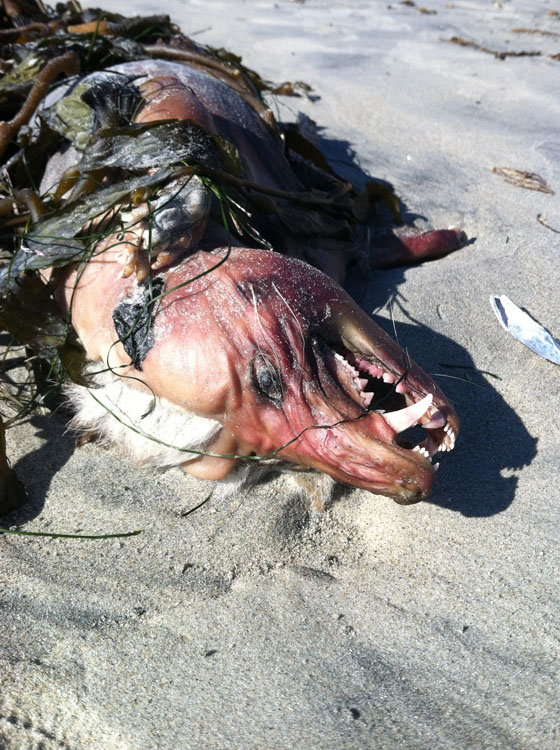
San Diego Demon? This ain’t my first trip down Possum Trot Road

Posted on February 2, 2012February 2, 2012 By Andrew Thaler 10 Comments on San Diego Demon? This ain’t my first trip down Possum Trot Road
Popular Culture

Ever since we started tackling marine cryptids (not to be confused with real cryptic species) during our annual Week of Ocean Pseudoscience, people occasionally e-mail me with new “rotting rodent” style monsters. This news story – Behold: The San Diego Demonoid – has been making the twitter and e-mails rounds today. Like the Montauk Monster a few years back, a waterlogged, decomposed critter washed up on a beach, this time in San Diego, and people unfamiliar with what decomposing varmints look like branded it some sort of cryptid. To the right is the uncredited photo (now credited to Josh Menard) that’s been cropping up in various corners of the internet. Like many “cryptic critter” photos leaked to the press, the ones associated with this story fail to show the entire animal or provide any sense of scale. That should be red flag #1 that it is, in fact, a common local resident that is being dressed up to appear more monstrous than it really is.

Now, I’m not a marsupial specialists, but I’ve seen my fair share of possums (Opposums for our non-southern readers) in all states of decay, so those nasty teeth immediately clued me in. Here’s a possum skull (from a Virginia possum) for comparisons:

Read More “San Diego Demon? This ain’t my first trip down Possum Trot Road” »

Aquaculture in North Carolina: White Rock Fish Farm

Posted on February 2, 2012January 24, 2012 By Bluegrass Blue Crab 1 Comment on Aquaculture in North Carolina: White Rock Fish Farm
Uncategorized

“It’s a mom and pop operation, you could say”, described Ted Davis, owner of White Rock Fish Farm in Vanceboro NC. His smile extended ear to ear as he talked about his farm – and the length he goes to ensure his fish are never stressed on their way to the market. The trick? The farm’s small size – 8 ponds – allow the fish to be harvested by hand, each one receiving individual attention on their way to a shipping container. Another thing that makes his farm special? The hybrid striped bass have personality. They’re scared of tractors, eat more when there’s algae in their pond, and elicit hugs from visiting children.

Mr. Davis takes a whole day, with a helper, in harvesting his hybrid striped bass before they begin their frozen journey to Canada. Other growers, including his neighbors down the road, will spend just hours handling even more fish. Hybrid striped bass, however, bleed when they’re stressed. This turns their flesh and fins red, muddling the prized stripes for the marketplace. Plus, stressed fish release stress hormones and other chemicals that consumers can taste. So the White Rock way is to remove as much stress from the fish’s life as possible.

Read More “Aquaculture in North Carolina: White Rock Fish Farm” »

Core Themes for 2012: Focus on nuance

Posted on January 30, 2012January 31, 2012 By David Shiffman
Uncategorized

One of the main advantages of blogs is that they allow knowledgeable parties to write in detail about their area of expertise. Information can now come directly from experts to the interested public.  This provides an  opportunity for those directly involved in an issue to provide context to (and details of) a story. Here at Southern Fried Science, we strive to provide deeper background in topics in which we are knowledgeable, focusing not only on the broader context but on the subtle nuance.

Read More “Core Themes for 2012: Focus on nuance” »

Posts pagination

Previous 1 … 147 148 149 … 273 Next

Popular Posts

That's not a blobfish: Deep Sea Social Media is Flooded by AI SlopThat's not a blobfish: Deep Sea Social Media is Flooded by AI SlopDecember 19, 2025Andrew Thaler
What Ocean Ramsey does is not shark science or conservation: some brief thoughts on "the Shark Whisperer" documentaryWhat Ocean Ramsey does is not shark science or conservation: some brief thoughts on "the Shark Whisperer" documentaryJuly 2, 2025David Shiffman
Screaming into the void - Why your scientific paper doesn’t matterScreaming into the void - Why your scientific paper doesn’t matterJune 18, 2026Chris Parsons
Ageism in the conservation job marketAgeism in the conservation job marketJune 19, 2026Chris Parsons
I can serve on your graduate thesis committee. Here’s what you can expect of me, and what I expect in return.I can serve on your graduate thesis committee. Here’s what you can expect of me, and what I expect in return.October 16, 2025David Shiffman
The story of the pride flag made from NASA imagery: Bluesky's most-liked imageThe story of the pride flag made from NASA imagery: Bluesky's most-liked imageSeptember 27, 2024David Shiffman
What is a Sand Shark?What is a Sand Shark?November 12, 2017Chuck Bangley
The next OpenCTD is here!The next OpenCTD is here!June 22, 2026Andrew Thaler
Shark of Darkness: Wrath of Submarine is a fake documentaryShark of Darkness: Wrath of Submarine is a fake documentaryAugust 10, 2014Michelle Jewell
Our favorite sea monsters – Ningen (#4)Our favorite sea monsters – Ningen (#4)September 7, 2010Andrew Thaler

squishy

Subscribe to our RSS Feed for updates whenever new articles are published.

We recommend Feedly for RSS management. It's like Google Reader, except it still exists.

Southern Fried Science

  • Home
  • About SFS
  • Authors
  • Support SFS


If you enjoy Southern Fried Science, consider contributing to our Patreon campaign.

Copyright © 2026 Southern Fried Science.

Theme: Oceanly Premium by ScriptsTown