
Skip to content

Southern Fried Science

Over 15 years of ocean science and conservation online

  • Home
  • About SFS
  • Authors
  • Support SFS

Recent Posts

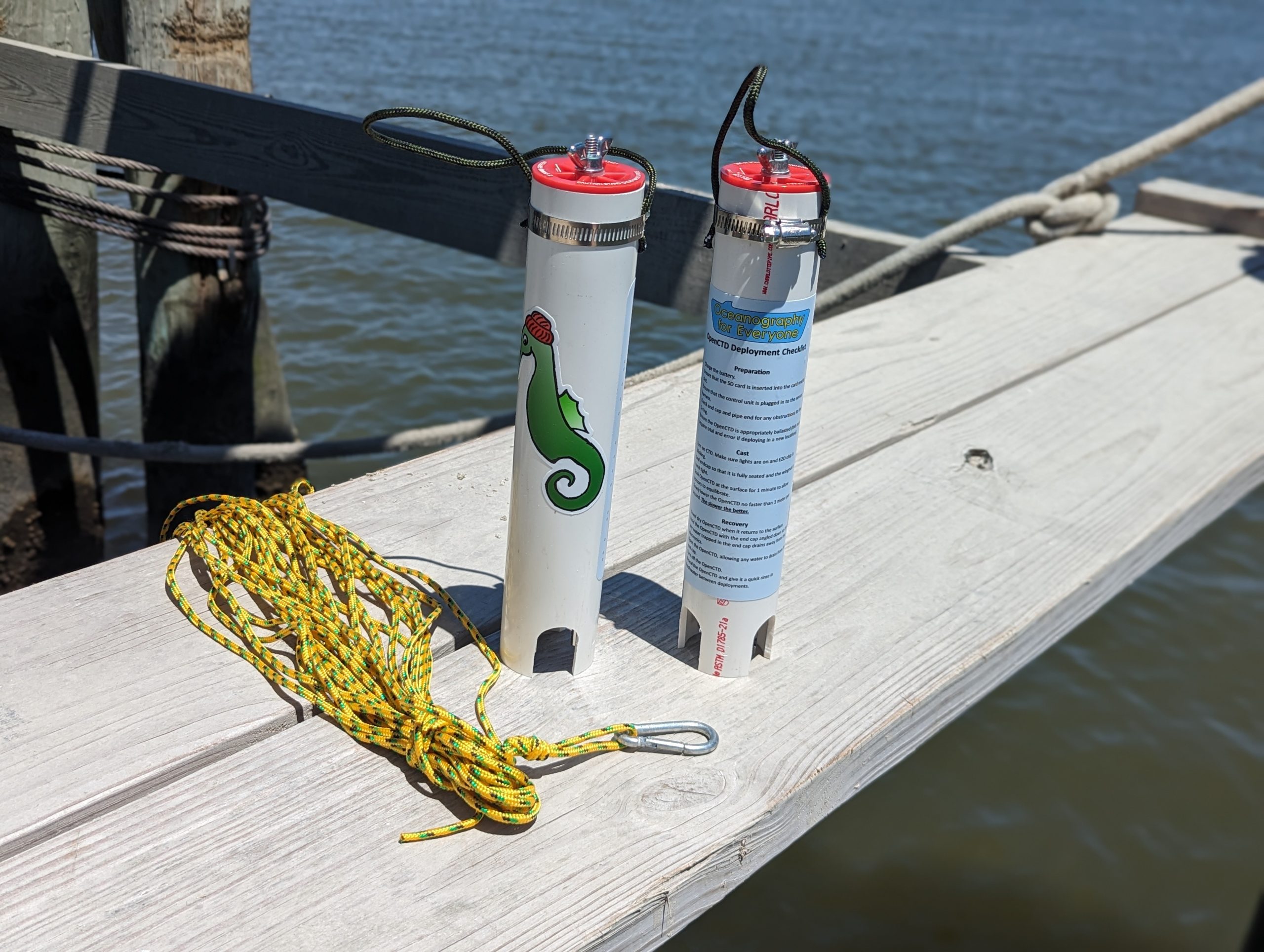
The next OpenCTD is here!
June 22, 2026
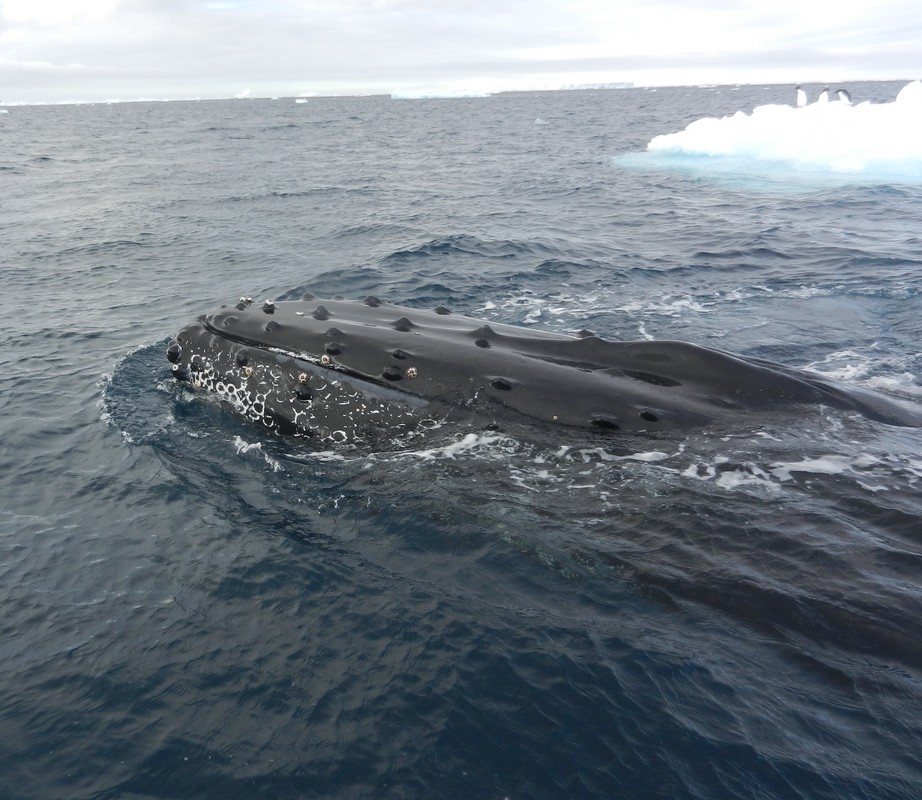
humpback whale in Antarctica
The evolution of the International Whaling Commission – from  whaling quotas to whale conservation
June 10, 2026
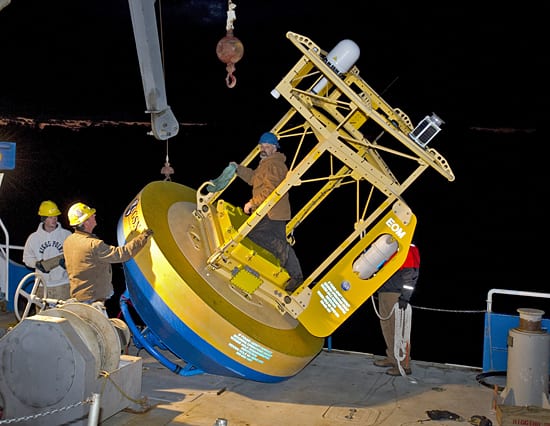
Isn’t ironic, don’t you think: dismantling the Ocean Observatories Initiative on World Oceans Day
June 9, 2026
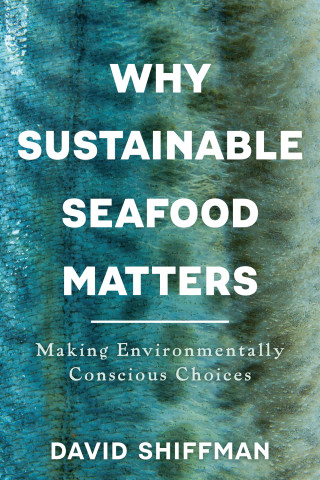
“Why Sustainable Seafood Matters” is now available for preorder! Here’s what it’s about, and why I decided to write it.
June 8, 2026
Here’s how to join my IMCC8 symposium, “Ocean Science Communication: What’s New and What’s Next?”
April 22, 2026
Deep Sea Mining Symposium Announcement
April 21, 2026

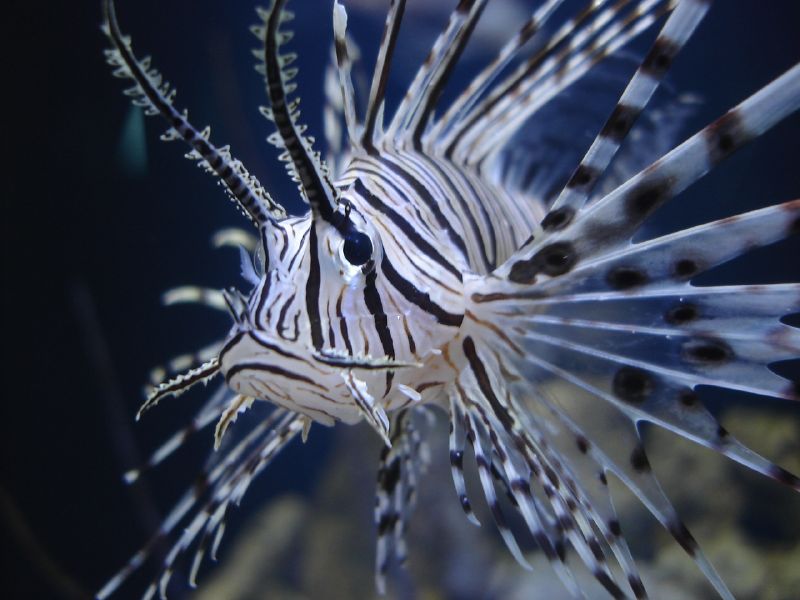
Misunderstood Marine Life # 5 – Lionfish

Posted on October 4, 2011October 4, 2011 By Bluegrass Blue Crab
Science

Thank You Joel Rotunda, ufwildlife.ifas.ufl.edu

Last time you went to an aquarium, you probably saw a lionfish swimming happily in a tank filled with a bit of coral or rocky bottom, calmly flipping its fins about in the slight current created by the water pump. Now think back to the interpretive sign next to the tank – did it say that the exhibit displayed an invader or an awesome, weird aquarium fish? Depending on which part of the world you’re in, you might get a different answer. Along the east coast of the United States, though, it should say the former. Lionfish have spread from south Florida throughout the Caribbean and up to North Carolina, where they can be found on reef habitat (either natural or manmade via the sinking of ships) at a concentration of 400 fish per square meter. And they eat everything in sight.

Read More “Misunderstood Marine Life # 5 – Lionfish” »

Unraveling the mysteries of Steller’s Sea Ape

Posted on October 4, 2011September 16, 2016 By Andrew Thaler
Science

Last year for our Week of Ocean Pseudoscience, we counted down our top seven marine cryptids. Number seven was the elusive Steller’s Sea Ape, documented only once by renowned naturalist Georg Wilhelm Steller. Even though the Sea Ape has not been seen since, Steller’s deserved reputation as a world class naturalist has kept the Sea Ape story alive. In his journal, he reports that:

During this time we were near land or surrounded by it we saw large numbers of hair seals, sea otters, fur seals, sea lions, and porpoises…. On August 10, we saw a very unusual and unknown sea animal, of which I am going to give a brief account since I observed it for two whole hours. It was about two Russian ells in length, the head was like a dog’s, with pointed, erect ears. From the upper and lower lips on both sides whiskers hung down which made it look almost like a Chinaman, The eyes were large; the body was longish round and thick, tapering gradually towards the tail. The skin seemed thickly covered with hair, of a grey color on the back, but reddish white on the belly; in the water, however, the animal appeared equally reddish and cow colored. The tail was divided into two fins, of which the upper, as in the case of sharks, was twice as large as the lower.

source 

Read More “Unraveling the mysteries of Steller’s Sea Ape” »

It’s Not All About Carbon

Posted on October 4, 2011October 4, 2011 By Bluegrass Blue Crab
Uncategorized

shinaji.wordpress.com

Why is it that every time someone proposes a wind turbine there is immediate opposition because of consequent bird mortality? And at the same time, when we build or expand a coal operation, the reaction isn’t to remember all the miners that have sacrificed their lives so that you and I can turn on the lights? Why is the reaction to dirty coal to promote clean coal? It might help keep the carbon emissions down, but it doesn’t cut down on the human toll of coal.

Recently there have been highly publicized stories of miners trapped in deep mines in Chile, West Virginia, Kentucky, New Zealand, and China – and those are just the ones I heard about through traditional news outlets. However, the hype over such accidents quickly fades and the families and communities touched by the tragedy are left with the cleanup. These miners represent the human face and sacrifice of coal-fired electricity. They should join the ranks of the polar bear in symbolizing the need for better energy choices.

Read More “It’s Not All About Carbon” »

The post-oil spill Gulf of Mexico

Posted on October 4, 2011October 4, 2011 By David Shiffman
Science

As some of you probably remember, there was an oil spill in the Gulf of Mexico last year. You can be forgiven for not remembering it, as our news media hasn’t been talking about it very much lately. In fact, if your only source of oil spill news was the mainstream media, you probably think that the Gulf is doing great! A little over a year ago, CNN ran a story about how the BP oil well that caused the spill was “effectively dead” and was “no longer a threat to the Gulf”. CNBC (and many others) ran stories about how 75 percent of the oil from the spill was gone from the Gulf. Bloomberg reported that the Gulf would recovery completely by 2012. London’s Telegraph celebrated a dramatic recovery after only one year. Whew… things aren’t as bad as we feared, and the Gulf has almost totally recovered! Or has it?

Read More “The post-oil spill Gulf of Mexico” »

Deep Fried Sea: The Lithodid Invasion

Posted on October 4, 2011October 4, 2011 By Andrew Thaler 1 Comment on Deep Fried Sea: The Lithodid Invasion
Uncategorized

Misunderstood Marine Life # 6 – Jellyfish

Posted on October 3, 2011October 1, 2011 By Bluegrass Blue Crab 3 Comments on Misunderstood Marine Life # 6 – Jellyfish
Popular Culture, Science

photo by Amy Freitag

“Yikes! It’s a jellyfish, get out of the water!”

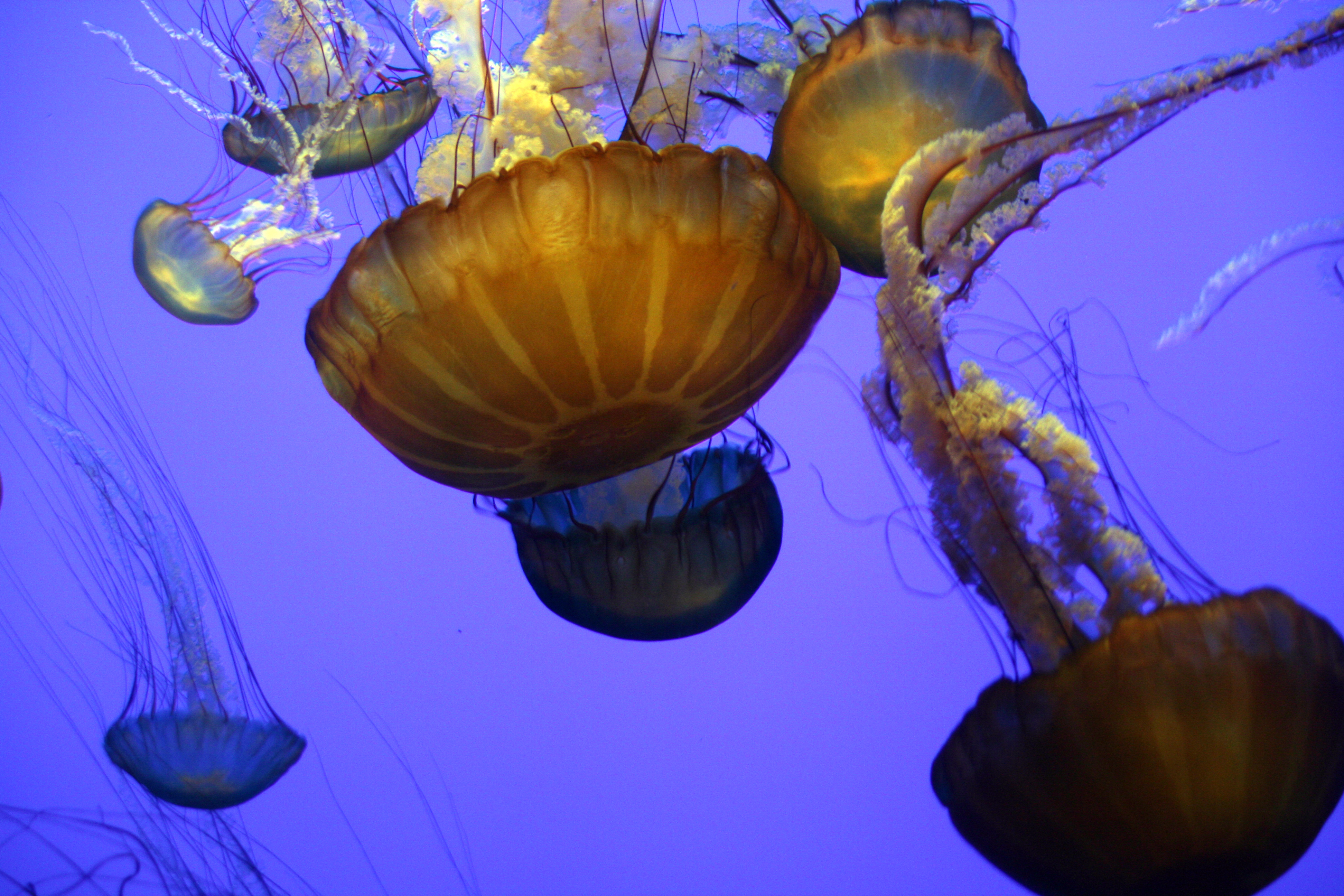
I can’t remember how many times I heard this shriek from my friends as a kid around the end of July, when loads of comb jellies washed ashore, the casualties of their massive breeding efforts. Like most kids with a good poking toe, however, I figured out that these jellies couldn’t hurt me. For a number of reasons, not all jellyfish equal a painful sting.

Furthermore, like many sea creatures, they are symbolic of a beautiful greater ecosystem at work but often lead to squeaks and squeals of fear rather than smiles of appreciation. I’ll go so far to say that jellyfish are a good candidate to be a charismatic creature of the sea.

Read More “Misunderstood Marine Life # 6 – Jellyfish” »

10 misrepresentations about climate change

Posted on October 3, 2011October 2, 2011 By David Shiffman 146 Comments on 10 misrepresentations about climate change
Science

Few scientific fields generate as much controversy as climate change. Misunderstandings, misrepresentations, and outright lies are common. While environmentalists rightly criticize anti-global warming activists for not being truthful, neither side is innocent. Presented here are five common misrepresentations from both sides and the truth about those issues.

Read More “10 misrepresentations about climate change” »

Misunderstood Marine Life # 7 – The Living Fossils

Posted on October 3, 2011October 1, 2011 By Andrew Thaler 3 Comments on Misunderstood Marine Life # 7 – The Living Fossils
Science

Horseshoe Crabs - Andrew David Thaler

Horseshoe Crabs, Coelacanths, Seven-gilled sharks, hagfish. Throughout the oceans there are creatures whose primitive bodies hearken back to earlier days in our evolutionary history. They possess basal characteristics that are more akin to those of the ancestors of our contemporary phyla. Because we can look into these organisms and learn something about our own deep past, we think of them not as modern descendants, but as living fossils, relics of a primeval state.

This is, of course, a misnomer.

Read More “Misunderstood Marine Life # 7 – The Living Fossils” »

Welcome to a Week of Ocean Pseudoscience!

Posted on October 3, 2011October 3, 2011 By Andrew Thaler 3 Comments on Welcome to a Week of Ocean Pseudoscience!
Uncategorized

Few things have inspired the human imagination quite like the ocean. The vast, mysterious deep is the stuff of poets, artists, explorers, and scientists. A natural result of this seemingly endless, unfathomable world-beneath-the-waves is the emergence of a broad and persistent ocean mythology, ranging from tales of sea monsters, to near magical healing powers, to … Read More “Welcome to a Week of Ocean Pseudoscience!” »

Deep Fried Sea: Sample Dispensation Part 2

Posted on October 3, 2011October 1, 2011 By Andrew Thaler
Uncategorized

Posts pagination

Previous 1 … 159 160 161 … 273 Next

Popular Posts

Screaming into the void - Why your scientific paper doesn’t matterScreaming into the void - Why your scientific paper doesn’t matterJune 18, 2026Chris Parsons
What Ocean Ramsey does is not shark science or conservation: some brief thoughts on "the Shark Whisperer" documentaryWhat Ocean Ramsey does is not shark science or conservation: some brief thoughts on "the Shark Whisperer" documentaryJuly 2, 2025David Shiffman
Ageism in the conservation job marketAgeism in the conservation job marketJune 19, 2026Chris Parsons
The next OpenCTD is here!The next OpenCTD is here!June 22, 2026Andrew Thaler
Undermining the Law of the Sea. Some additional thoughts following my OpEd in the Hill.Undermining the Law of the Sea. Some additional thoughts following my OpEd in the Hill.June 22, 2026Andrew Thaler
What is a Sand Shark?What is a Sand Shark?November 12, 2017Chuck Bangley
The story of the pride flag made from NASA imagery: Bluesky's most-liked imageThe story of the pride flag made from NASA imagery: Bluesky's most-liked imageSeptember 27, 2024David Shiffman
That's not a blobfish: Deep Sea Social Media is Flooded by AI SlopThat's not a blobfish: Deep Sea Social Media is Flooded by AI SlopDecember 19, 2025Andrew Thaler
Our favorite sea monsters – Ningen (#4)Our favorite sea monsters – Ningen (#4)September 7, 2010Andrew Thaler
I can serve on your graduate thesis committee. Here’s what you can expect of me, and what I expect in return.I can serve on your graduate thesis committee. Here’s what you can expect of me, and what I expect in return.October 16, 2025David Shiffman

squishy

Subscribe to our RSS Feed for updates whenever new articles are published.

We recommend Feedly for RSS management. It's like Google Reader, except it still exists.

Southern Fried Science

  • Home
  • About SFS
  • Authors
  • Support SFS


If you enjoy Southern Fried Science, consider contributing to our Patreon campaign.

Copyright © 2026 Southern Fried Science.

Theme: Oceanly Premium by ScriptsTown