
Skip to content

Southern Fried Science

Over 15 years of ocean science and conservation online

  • Home
  • About SFS
  • Authors
  • Support SFS

Recent Posts

small boy holding Miss Abyss Dumbo Octopus
Please Help This Little Dumbo Octopus Travel Across America
August 3, 2026
Isn’t ironic, don’t you think: dismantling the Ocean Observatories Initiative on World Oceans Day
June 9, 2026
My Journey Into Researching Historical Erasure on Public Lands
July 31, 2026
The next OpenCTD is here!
June 22, 2026
humpback whale in Antarctica
The evolution of the International Whaling Commission – from  whaling quotas to whale conservation
June 10, 2026
“Why Sustainable Seafood Matters” is now available for preorder! Here’s what it’s about, and why I decided to write it.
June 8, 2026

Hacking Extinction, fishing for hagfish, itchy crabs, clam cavalcades, and more! Monday Morning Salvage: June 4, 2018

Posted on June 4, 2018 By Andrew Thaler
Weekly Salvage

Foghorn (A Call to Action!)

  • Hacking extinction. Conservation X Labs is looking for bold ideas for technological solutions to conservation challenges. Up to $90,000 in grant awards to bring your prototype to life! Applications open until June 30. 
  • NOAA is looking for Science Communication specialists! Job call is open until June 7.

Flotsam (what we’re obsessed with right now)

  • These clams.
  • Project Azorian: The story of the Hughes Glomar Explorer. Straight from the CIA to you, some details redacted. Still one of the wildest and weirdest ocean stories in the history of the United States.
  • The Alongside Wildlife Foundation has awarded its first set of grants! What a great group of people and projects.
  • This crab has an itch that it just can’t scratch.

Read More “Hacking Extinction, fishing for hagfish, itchy crabs, clam cavalcades, and more! Monday Morning Salvage: June 4, 2018” »

Summer Science Outreach Challenge: Write an OpEd.

Posted on May 30, 2018 By Andrew Thaler 1 Comment on Summer Science Outreach Challenge: Write an OpEd.
Uncategorized

If you’ve been following along with our weekly round-up of ocean news, the Monday Morning Salvage (and, if not, why aren’t you reading the Monday Morning Salvage? It’s your one stop shop for the latest and greatest in ocean science and conservation news!) you probably noticed that we called for scientists and conservation professionals to write OpEds or Letters to the Editor this May. We heard from several folks that they submitted articles, though we haven’t heard back that any have been published yet (please leave a link in the comments if yours have). So, we’re extending the challenge and asking science and conservation professionals to take a stand for something you care about and submit a letter or article to your local paper.

Simone Giertz builds the best robots on the internet.

Why? A recent study with a large sample size, published this year, demonstrated that OpEds can play a significant in shaping people’s opinions about political and social issues. Though this CATO Institute funded study has a distinctively libertarian slant in the issues they chose to use as treatments, the results are reasonably compelling. Not only did OpEds influence how readers felt about an issue, but regardless of political group, exposure to an OpEd made the reader more likely to agree with the author’s position.

“We find limited evidence of treatment effect heterogeneity by party identification: Democrats, Republicans, and independents all appear to move in the predicted direction by similar magnitudes… Despite large differences in demographics and initial political beliefs, we find that op-eds were persuasive to both the mass public and elites, but marginally more persuasive among the mass public.”

source.

Read More “Summer Science Outreach Challenge: Write an OpEd.” »

5 things to know about stingray barbs, this month’s 3D printed reward!

Posted on May 29, 2018May 29, 2018 By David Shiffman
Science

I recently unveiled a new tier of Patreon rewards: 3D printed shark and ray models!For $17 per month, you will get a monthly 3D printed educational model of different shark or ray parts in the mail, and you’ll be supporting my efforts to provide these models to schools for free.

This month’s reward is the barb from a Pacific Cownose Ray, Rhinoptera steindachneri. This particular specimen is a part of the Texas A&M University Biodiversity Research and Teaching Collection, and was scanned as part of the #ScanAllFishes project! 

I reached out to Heather Prestidge and Kevin Conway, curators of the Texas A&M collection. They told me that this particular specimen was collected in 1993 by John McEachran (author of the multi-volume “fishes of the Gulf of Mexico“) and Janine Caira (now a parasitologist at UConn). It was collected in Baja California, Mexico. Heather was pleased to learn that I was using their specimen for this project, and said “our specimens have an unlimited number of uses even after their primary project!”

Here’s a picture of another specimen of the same species from this collection, you can see why they’re sometimes called “Golden Cownose Rays”.

Photo courtesy Christian Jones, NOAA

Here’s a CT scan focusing on the barb, from the Virtual Natural History Museum.

Learn more about the Pacific cownose ray and the science behind stingray barbs below!

Read More “5 things to know about stingray barbs, this month’s 3D printed reward!” »

Two new writers, the net that never stops killing, how not to launch a boat, the Blackfish Effect, and more! Monday Morning Salvage: May 28, 2018

Posted on May 28, 2018May 28, 2018 By Andrew Thaler
Weekly Salvage

Muster (updates from the blog)

  • Southern Fried Science has a fresh, new, mobile friendly look! Let us know what you think in the comments.
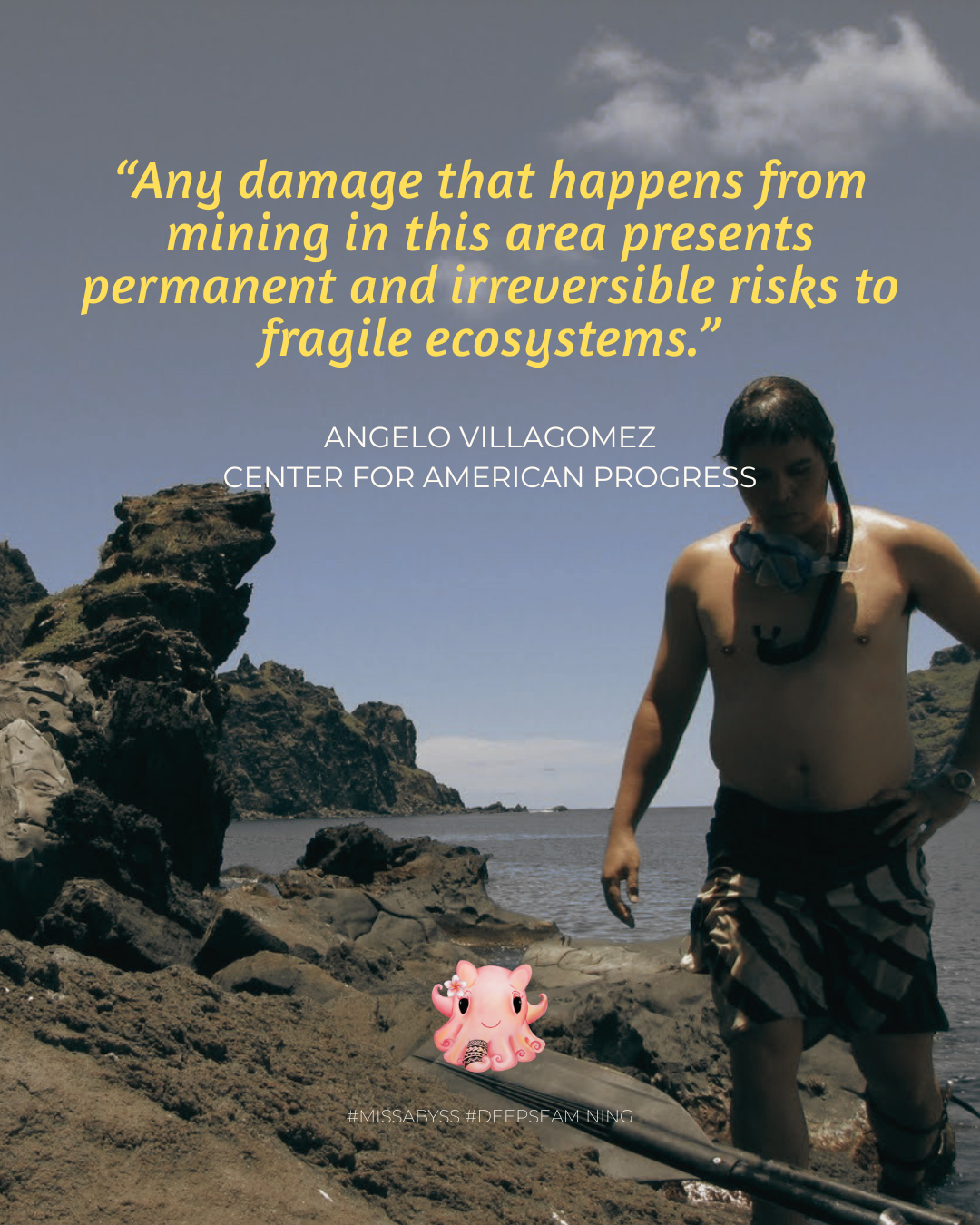
  • We welcomed two new writers in as many months! Please give a huge welcome to Angelo Villagomez and Rachel Pendergrass. Check out their first articles:
    • The ‘Pluto Moment’ for Marine Protected Areas.
    • Defining Your Audience (Or How To Plan The Worst Birthday Ever).
  • Spotted in the Chesapeake: We met a friendly Northern Water Snake swimming around the Bay this weekend. Northern Water Snakes are common and completely harmless. If you see one, just say “Hi” and let them be.

Photo by author

Foghorn (A Call to Action!)

  • Yale study: Newspaper op-eds change minds and The Long-lasting Effects of Newspaper Op-Eds on Public Opinion. Scientists and conservationists, this summer, make an effort to publish a Letter to the Editor or OpEd in your local paper. If you’ve done so, please leave a link to it in the comments.

Flotsam (what we’re obsessed with right now)

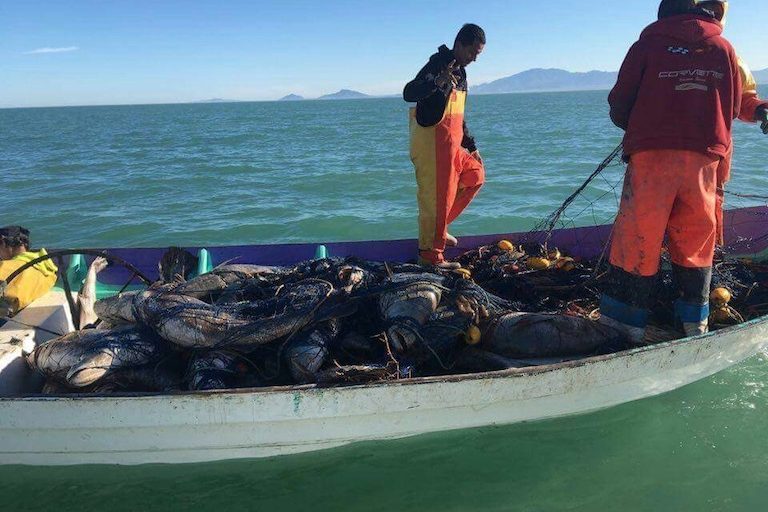
  • A Single Discarded Fishing Net Can Keep Killing for Centuries.

“One old gill net found wedged between rocks off the coast of the San Juan Islands reportedly sat atop a pile of marine bird and mammal bones that was three feet deep.”

source.

  • This Woods Hole robot submarine found a 300-year-old Spanish galleon that may contain billions in treasure.

WHOI

  • It’s been far, far too long since we had a really good boat launch fail. Don’t worry, the crane operator bailed out before the flip and is fine.

https://www.youtube.com/watch?v=YcZ8-MtcZrE

Read More “Two new writers, the net that never stops killing, how not to launch a boat, the Blackfish Effect, and more! Monday Morning Salvage: May 28, 2018” »

Obama’s ocean monuments, deep diving seals, and sustainable US fisheries: Thursday Afternoon Dredging, May 24th, 2018

Posted on May 24, 2018May 24, 2018 By David Shiffman
Uncategorized

Cuttings (short and sweet):  Follow Canadian ocean science communicator Kayla Glynn on twitter. NOAA’s status of stocks. By Steve Midway, for the Fisheries Blog. Antarctic seals recruited to measure the effects of climate change. By Alex Fox, for Nature News. 15,000 lionfish removed from Florida waters. By Ed Killer, for the Treasure Coast Palm. Plastic bag … Read More “Obama’s ocean monuments, deep diving seals, and sustainable US fisheries: Thursday Afternoon Dredging, May 24th, 2018” »

Defining Your Audience (Or How To Plan The Worst Birthday Ever)

Posted on May 23, 2018June 14, 2018 By Rachel Pendergrass
Uncategorized

Skeptical beardy stock-photo man at a lame party.
Credit: WAYHOME studio / Shutterstock

This is part of the new regular column on science communication. To suggest a topic, email blog@scienceartfusion.com. 

Imagine, for a moment, that you’re in middle school. The spring formal is approaching and if you don’t have a date, you will literally die ohmygod. Your goal is “find someone to go to the dance with me”. You can’t just walk into the cafeteria and scream “SOMEONE GO TO THE DANCE WITH ME”. (I mean, you can, but…) You need to be tactical. You need to have a specific audience in mind.

A poorly defined audience (or one that is overly broad) is the root cause of the vast majority of issues I run into when I’m working with someone on their science outreach. From “I don’t know where to start” to “I can’t get anyone to listen/subscribe/come to my talk/donate,” my first question is always going to be “who is your audience?”. My next question is going to be “okay, now can you narrow that down”?.

The temptation is always going to be to have the broadest audience possible. If you aren’t appealing to EVERYONE you might miss out on potential opportunities! You could turn away a potential audience! You could miss out on the chance to be the most beloved science communicator that ever communicated!

Read More “Defining Your Audience (Or How To Plan The Worst Birthday Ever)” »

Saturation diving, destroying the world with Bitcoin mining, deep-sea mining, Arctic shrinkage, and more! Monday Morning Salvage: May 21, 2018

Posted on May 21, 2018 By Andrew Thaler
Weekly Salvage

Foghorn (A Call to Action!)

  • Yale study: Newspaper op-eds change minds and The Long-lasting Effects of Newspaper Op-Eds on Public Opinion. Scientists and conservationists, this May, make an effort to publish a Letter to the Editor or OpEd in your local paper. If you’ve done so, please leave a link to it in the comments.

Flotsam (what we’re obsessed with right now)

  • Immediately after college, my backup plan if I didn’t get into grad school was to go to work as an underwater welder doing saturation diving. After reading this, I’m pretty glad I didn’t go that route. The Weird, Dangerous, Isolated Life of the Saturation Diver.
  • Walking the talk in Vanuatu, the first country in the world to ban plastic straws.
  • We’ve been saying this for a awhile now. Cryptocurrencies that rely on ever increasing processing power to resolve transaction are an environmental disaster. Alarming Study Suggests Bitcoin Consumes an Astonishing Amount of Energy and It’s Only Getting Worse.

The Levee (A featured project that emerged from Oceandotcomm)

  • Stitching Hope for the Coast is still accepting contributions from knitters around the world. Join the fun!

Read More “Saturation diving, destroying the world with Bitcoin mining, deep-sea mining, Arctic shrinkage, and more! Monday Morning Salvage: May 21, 2018” »

Plastic Free Fish, Chainsaw Lobsters, and Artificial Horseshoe Crab Blood: Thursday Afternoon Dredging, May 17th 2018

Posted on May 17, 2018May 17, 2018 By David Shiffman
Uncategorized

Cuttings (short and sweet):  Follow the Pacific salmon network on twitter! Looking for plastic free fish? Here’s one to put on the menu! By Maggie Gillis, for CBC news Scientists find new deep sea species off Java. BBC slideshow. Unexpected walruses crowd Alaska beach. By the Associated Press. The bigger the mother fish, the more babies … Read More “Plastic Free Fish, Chainsaw Lobsters, and Artificial Horseshoe Crab Blood: Thursday Afternoon Dredging, May 17th 2018” »

Bone-eating Jabba worms, the world’s deepest plastic bag, new shipwrecks, climate change art, and more! Monday Morning Salvage: May 14, 2018.

Posted on May 14, 2018 By Andrew Thaler
Weekly Salvage

Foghorn (A Call to Action!)

  • Yale study: Newspaper op-eds change minds and The Long-lasting Effects of Newspaper Op-Eds on Public Opinion. Scientists and conservationists, this May, make an effort to publish a Letter to the Editor or OpEd in your local paper. If you’ve done so, please leave a link to it in the comments.
  • How to save the high seas: As the United Nations prepares a historic treaty to protect the oceans, scientists highlight what’s needed for success.

Flotsam (what we’re obsessed with right now)

  • No commentary needed: Eyeless, Mouthless, Bone-Eating Worm Named After Jabba the Hutt.

Osedax worms growing on the vertebrae of a dead whale.
Photo: 2006 MBARI

  • Every ocean, every dive, every time, trash: Plastic Bag Found at the Bottom of World’s Deepest Ocean Trench.

Read More “Bone-eating Jabba worms, the world’s deepest plastic bag, new shipwrecks, climate change art, and more! Monday Morning Salvage: May 14, 2018.” »

Seafaring neanderthals and switchblade fish: A mega Thursday Afternoon Dredging, May 10th, 2018

Posted on May 10, 2018May 9, 2018 By David Shiffman
Uncategorized

After two weeks off, we’re back and bigger than ever! Cuttings (short and sweet):  Follow Archaeologist makes case for seafaring Neanderthals. By Christopher Ingraham, for Scientific American. Larson Creek trout may have been wiped out. By Randy Shore, for the Vancouver Sun. US Coast Guard steps up efforts to protect right whales. From GCaptain. The US … Read More “Seafaring neanderthals and switchblade fish: A mega Thursday Afternoon Dredging, May 10th, 2018” »

Posts pagination

Previous 1 … 45 46 47 … 274 Next

Popular Posts

What Ocean Ramsey does is not shark science or conservation: some brief thoughts on "the Shark Whisperer" documentaryWhat Ocean Ramsey does is not shark science or conservation: some brief thoughts on "the Shark Whisperer" documentaryJuly 2, 2025David Shiffman
What is a Sand Shark?What is a Sand Shark?November 12, 2017Chuck Bangley
Jumping the shark: New study reviews the breaching behavior of sharks and raysJumping the shark: New study reviews the breaching behavior of sharks and raysSeptember 19, 2024David Shiffman
Zombie ideas in conservation: trophy hunting and conservationZombie ideas in conservation: trophy hunting and conservationAugust 6, 2026Ali Gaster
Shark of Darkness: Wrath of Submarine is a fake documentaryShark of Darkness: Wrath of Submarine is a fake documentaryAugust 10, 2014Michelle Jewell
Is Academic Publishing is breaking conservation science?Is Academic Publishing is breaking conservation science?August 10, 2026Chris Parsons
That's not a blobfish: Deep Sea Social Media is Flooded by AI SlopThat's not a blobfish: Deep Sea Social Media is Flooded by AI SlopDecember 19, 2025Andrew Thaler
Considering writing a popular science book? Here's my adviceConsidering writing a popular science book? Here's my adviceJuly 7, 2025David Shiffman
How the Bluespotted Ribbontail Stingray got its SpotsHow the Bluespotted Ribbontail Stingray got its SpotsMarch 28, 2024David Shiffman
Emergency room conservation: why waiting for the Endangered Species Act to save a species is a fiscal disasterEmergency room conservation: why waiting for the Endangered Species Act to save a species is a fiscal disasterAugust 11, 2026Ali Gaster

squishy

Subscribe to our RSS Feed for updates whenever new articles are published.

We recommend Feedly for RSS management. It's like Google Reader, except it still exists.

Southern Fried Science

  • Home
  • About SFS
  • Authors
  • Support SFS


If you enjoy Southern Fried Science, consider contributing to our Patreon campaign.

Copyright © 2026 Southern Fried Science.

Theme: Oceanly Premium by ScriptsTown