Skip to content

Southern Fried Science

Over 15 years of ocean science and conservation online

  • Home
  • About SFS
  • Authors
  • Support SFS

Category: Education

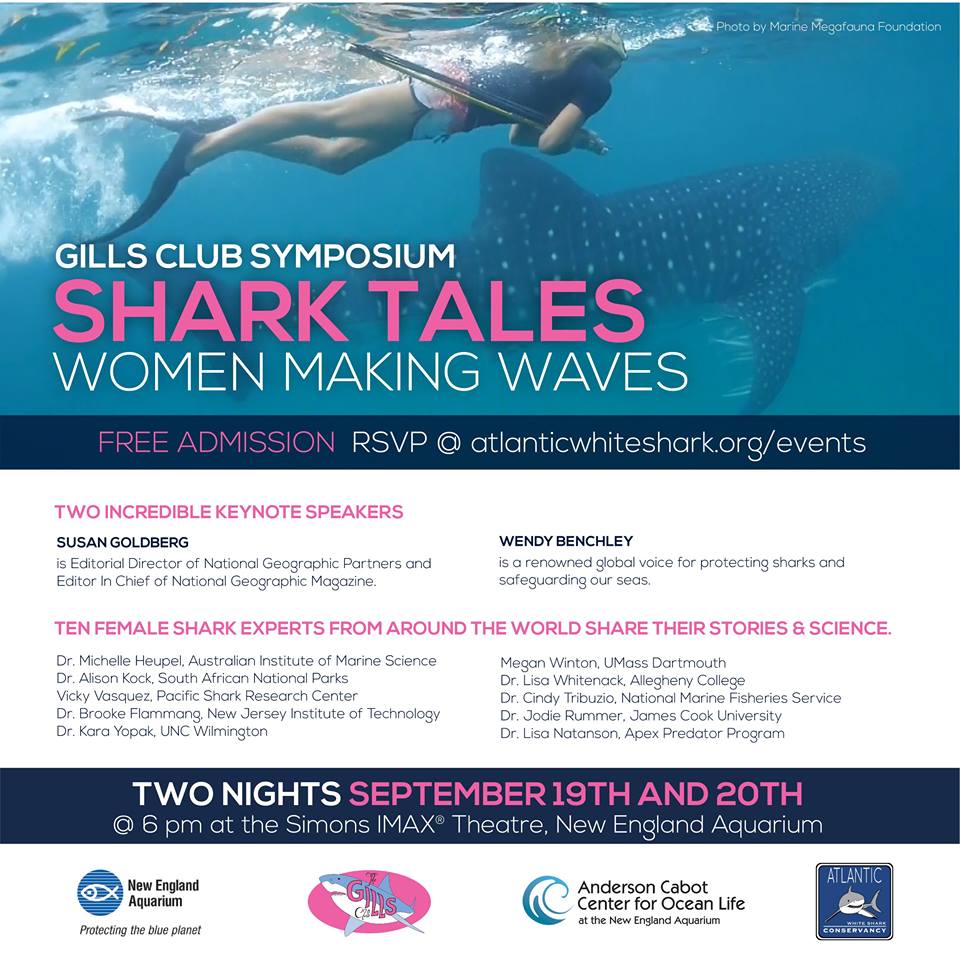
Gills Club Shark Tales: An online and in-person sharkstravaganza 19-20 September at NEAQ!

Posted on September 13, 2017September 20, 2017 By Michelle Jewell 2 Comments on Gills Club Shark Tales: An online and in-person sharkstravaganza 19-20 September at NEAQ!
Gills Club Shark Tales: An online and in-person sharkstravaganza 19-20 September at NEAQ!
Education, Uncategorized

Note:  This post has been updated on 18 September 2017.  

Friends, Researchers, Countrywomen, lend me your ears!

The Atlantic White Shark Conservancy and New England Aquarium are hosting a completely free two-day event, 19-20 September, featuring an amazing line-up of shark scientists and enthusiasts, including:

Keynote Speakers:

Susan Goldberg – Editor in Chief of National Geographic Magazine

Wendy Benchley – Renowned global voice for shark protection and co-founder of the prestigious Peter Benchley Ocean Awards.

Gills Club Science Team Speakers:
Dr. Michelle Heupel – Australian Institute of Marine Science
Dr. Alison Kock – South African National Parks

Read More “Gills Club Shark Tales: An online and in-person sharkstravaganza 19-20 September at NEAQ!” »

What makes high school girls love sharks but avoid science

Posted on July 25, 2017 By Michelle Jewell
Education, Uncategorized

A shortened – and less ribald – version of this post was published 24-07-2017 in the International Business Times.

Ah, the transition from middle school to high school… the one part of adolescence no one reminisces about fondly.  It’s the time in our lives where mental and physical changes happen at pace without any apparent continuity, and we feel compelled to blend in.  This is the same time when most young girls’ interest in STEM stops, and in my educator/zoologist opinion, these events are related.

What does our culture gear teenage girls to prioritize?  Making varsity teams, growing boobs to the correct size and at the correct time, and completing enough social jostling to earn the superhuman prom date.  Most of the STEM-geared young girls I have worked with couldn’t care less about the above – but the attitude of their peers changes by the end of 8th grade.

https://www.tumblr.com/subtubitles/30828711121

Students of both sexes in 6th grade will happily discuss how rainbows are made and share their mutual wonder if the natural world, but those conversations quickly become “immature” when the puberty plague takes hold.  It’s also in 8th grade when boys enter a race to the bottom of inappropriate jokes fueled by mutual insecurities.  Suddenly, STEM-interested pupils find that their friends are segregating, fashion forward girls to one side and crude boys to the other, leaving a handful who want to discuss the space/time continuum floundering somewhere in the middle.

Then, regardless of where you sit on the social divide, hormones kick in.  This critical time is when young people figure out how to create partnerships, what constitutes a good or bad relationship, and the physics of copulation.  In addition to this, obtaining a socially higher-ranking partner becomes an unconscious priority.  Guess what most young men think is unattractive in women?  Intelligence (unless you’re beautiful enough to compensate).  YOU READ THAT CORRECTLY.

Read More “What makes high school girls love sharks but avoid science” »

The Worlds First Empirical ‘How-To’ Get Into Graduate School Book

Posted on December 15, 2016 By Kersey Sturdivant
Academic life, Education

Many years ago as a graduate student at the College of William & Mary, Virginia Institute of Marine Science, my former officemate (Noelle Relles) and I came up with a novel idea: take all the disparate information out there about strategies for getting into graduate school in the natural sciences and coalesce them into a single concise yet comprehensive text. Essentially develop a How-To book about graduate school. But we wanted the book to be more than just instructional anecdotes. We were scientist, and thought it would be useful to add a level of empiricism to the book. We wanted to write a How-To book where the conclusion were driven by results from a national survey of graduate admissions offices in the USA. At the time, writing a book based on a national survey of graduate programs seemed like quite a long-shot as we were both a number of years removed from getting our PhDs, and the most pressing issues in our lives at that time were graduating and finding free food and alcohol.

Living the life of a graduate student at VIMS’ infamous Fall Party. (Photo credit: Kersey Sturdivant)

Read More “The Worlds First Empirical ‘How-To’ Get Into Graduate School Book” »

Now, More Than Ever, America Needs an Ambassador for the Deep Sea.

Posted on November 25, 2016 By Andrew Thaler
Conservation, Education

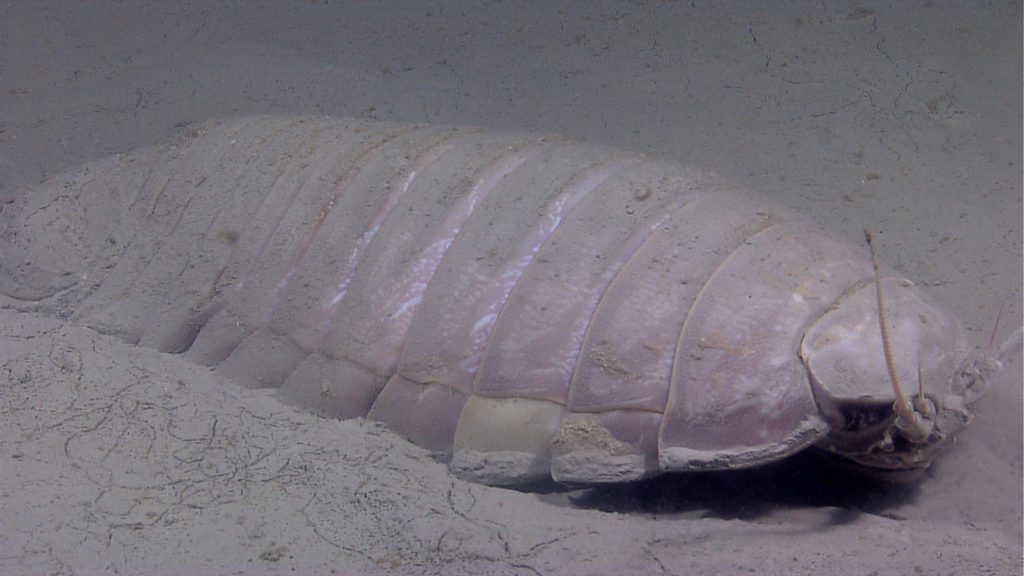
That ambassador is Bathynomus giganteus, the giant, deep-sea isopod.

A giant deep sea isopod on the sea floor. Photo via NOAA Photobank.

Conservation has long had the concept of Flagship Species—popular, charismatic species that serve as rallying points for conservation awareness and action. Formalized within the framework of conservation marketing, flagship species are focused around particular goals and audiences. Think of the WWF’s Giant Panda, Polar Bears and a thousand different arctic or climate change campaigns, or even the American Bald Eagle, whose decline galvanized the country into action. These animals are iconic. They connect people to species and ecosystems in crisis. They are Flagship Species.

The Giant Deep-sea Isopod is not a flagship species. The Giant Deep-sea Isopod addresses a much more fundamental issue: despite being the largest, most diverse ecosystem on the planet, most people have no direct connection, no frame of reference, for the deep sea.

Read More “Now, More Than Ever, America Needs an Ambassador for the Deep Sea.” »

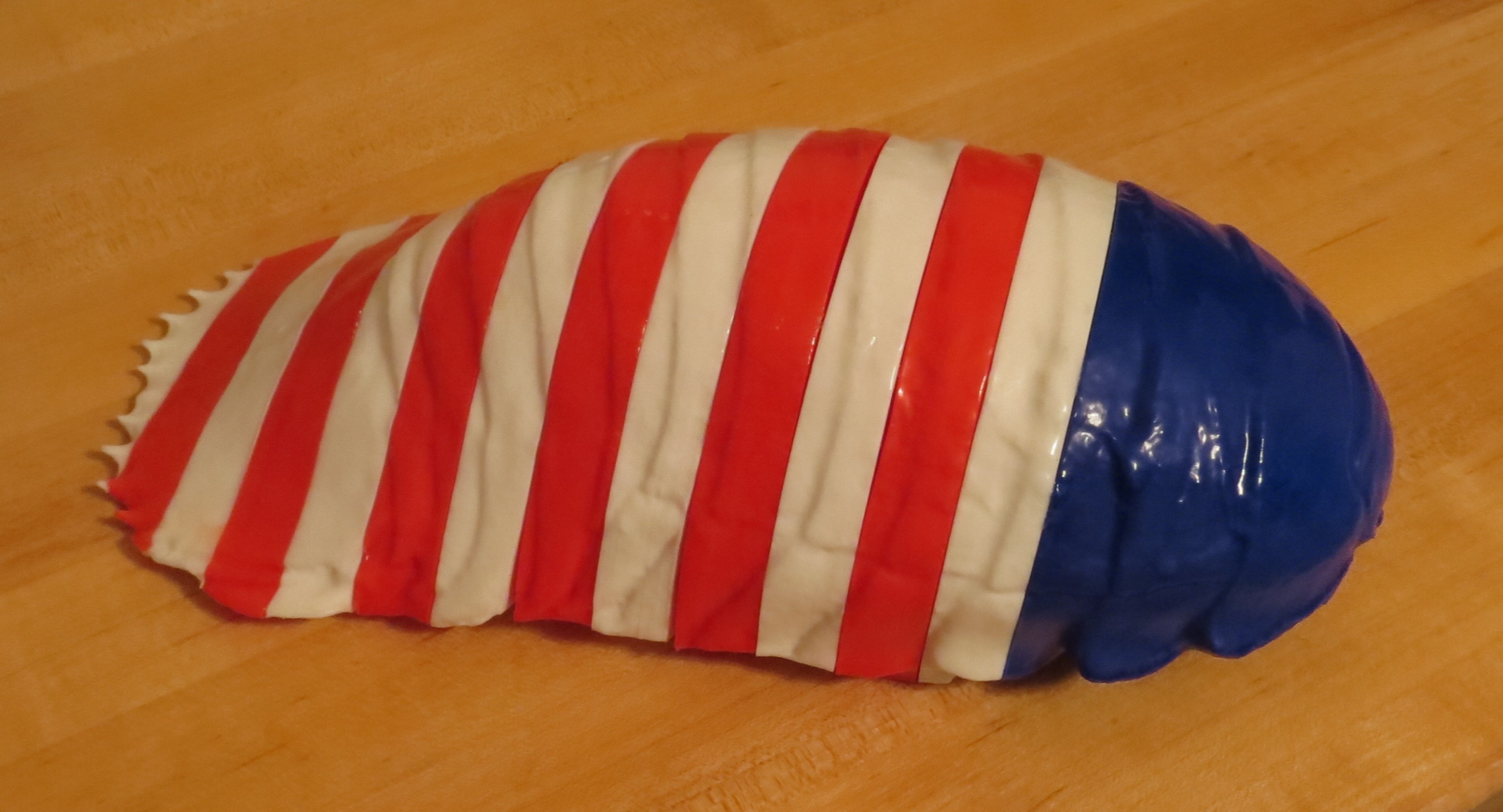
Adopt the giant deep-sea isopod, Bathynomus giganteus, as the National Deep-sea Animal of the United States.

Posted on November 3, 2016November 7, 2016 By Andrew Thaler
Education, Science

Picture a pill bug, roly poly, woodlouse, or doodle bug, an animal found under rocks and logs throughout the United States. Now picture an animal similar to that pill bug, but as big as a cat, crawling across the Gulf of Mexico. That is the giant deep-sea isopod.

allamerican

The deep waters of the United States’ Exclusive Economic Zone is home to this large, recognizable animal, which can reach almost 2 feet in length. Since their discovery in the late 19th century, giant isopods have captured the public’s imagination, acting as an Ambassador Species for deep-sea ecosystems. Ambassador Species are important for education, exploration, and conservation as they provide a charismatic icon to help introduce people to new and unfamiliar places.

WHEREAS:

Read More “Adopt the giant deep-sea isopod, Bathynomus giganteus, as the National Deep-sea Animal of the United States.” »

Let’s make America think again …

Posted on October 9, 2016October 9, 2016 By Chris Parsons
Education

“Nothing in all the world is more dangerous than sincere ignorance and conscientious stupidity.” Martin Luther King, Jr.

I think everyone would agree that the current US presidential election has been one for the history books … and not in a good way. One of the running themes in this election has been how many people do not understand the difference between a verified fact and something they saw on “the interwebs”. That “doing research” to far too many in the US means Googling until they find a website that supports their opinion (and ignoring any other source that does not). Those involved in science communication have long been aware of this problem, especially those involved in communicating issues such as climate change, evolution and health issues. However, perhaps now more of the country is aware that the lack of public understanding of what a fact is has become a major problem, and how substantive the proportion of the country is that can’t tell the difference  between a fact and a belief or opinion or, quite frankly, a bold-faced lie. Perhaps now more people realize how dangerous it can be when facts no longer matter.

Read More “Let’s make America think again …” »

5 best baby books to launch your child’s ocean education.

Posted on September 15, 2016September 15, 2016 By Andrew Thaler
Education, Popular Culture, Reviews and Interviews

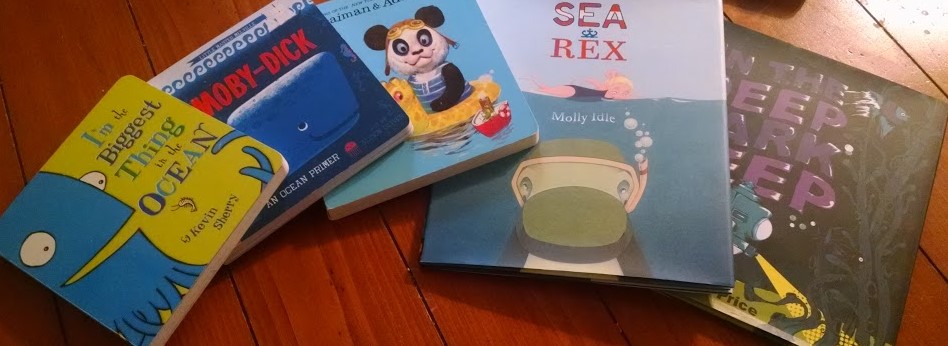
img_20160915_110450570

As a few of you have noticed, we recently added a tiny new member to our little ocean outreach empire. A new baby opens up a chance for us to explore a whole new world of ocean-themed content tailored to our newest explorers. As a family of marine biologists, we very quickly accumulated a massive library of ocean-themed baby books, some amazing, some not-so-amazing.

After critical review by two PhDs in Marine Science and Conservation, for both scientific accuracy and pure delightfulness, here are my top 5 baby books to get your ocean education started off right.

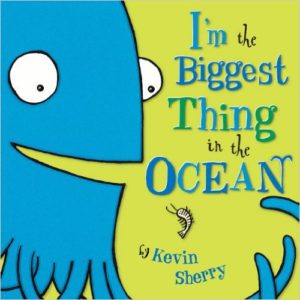
biggestI’m the Biggest Thing in the Ocean by Kevin Sherry.

Sherry must have written this book specifically for me, since Sizing ocean giants: patterns of intraspecific size variation in marine megafauna is already my most widely distributed paper. I know a few things about giant squids. I really love this book. The art is colorful and engaging. The story has a hilarious twist. It’s grounded in real ocean critters (though there’s something funky going on with that jellyfish). And there’s an important lesson about hubris and trophic position in marine food webs. 

Read More “5 best baby books to launch your child’s ocean education.” »

Applications now open for the Elasmobranch Society’s diversity in marine science initiative

Posted on September 15, 2016 By David Shiffman
Academic life, Education, Science
The American Elasmobranch Society is the world's oldest and largest professional association of shark and ray scientists
The American Elasmobranch Society is the world’s oldest and largest professional association of shark and ray scientists

The American Elasmobranch Society, the world’s oldest and largest professional society focusing on the scientific study and management of sharks and their relatives, is now welcoming applications for the 2nd year of our Young Professional Recruitment Fund diversity initiative. Awardees will be given one year of Society membership, in addition to specialized professional development training, mentorship, and networking opportunities specific to their needs as scientists and professionals from developing nations or historically underrepresented minority groups.

Applications, which can be found here, are due by 5 P.M. U.S. eastern standard time on Tuesday, November 15th. All winners will be notified by Friday, December 16th.

To be eligible for a Young Professional Recruitment Fund award, applicants must fill out the application and demonstrate that they:

Read More “Applications now open for the Elasmobranch Society’s diversity in marine science initiative” »

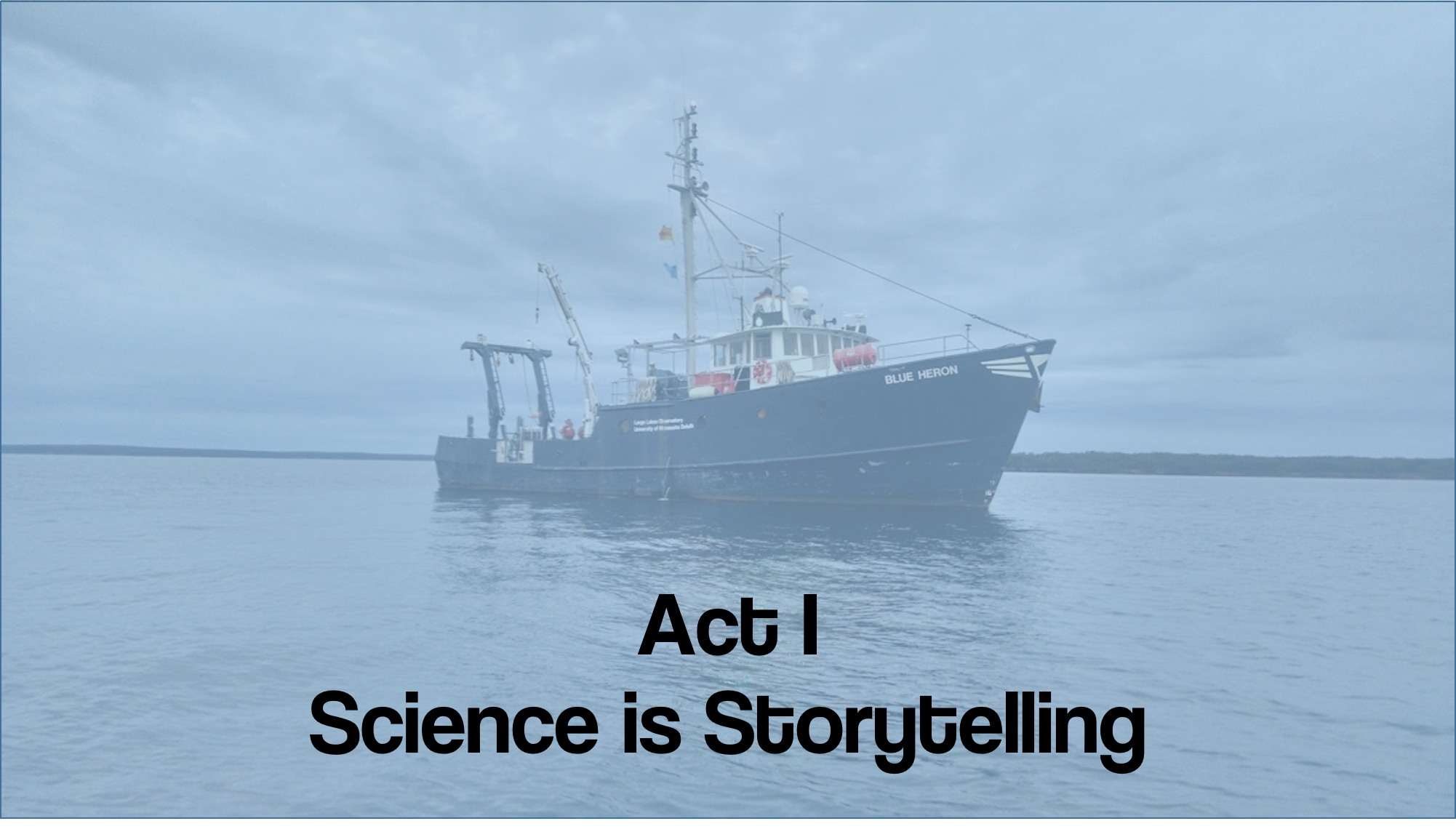
Ocean Outreach in an Evolving Online Ecosystem: Science is Storytelling

Posted on August 9, 2016August 11, 2016 By Andrew Thaler 1 Comment on Ocean Outreach in an Evolving Online Ecosystem: Science is Storytelling
Blogging, Education

This is the transcript of the keynote I delivered at the Fourth International Marine Conservation Congress in St. John’s, Newfoundland. It has been lightly modified for flow. 

Picture2

Good morning and thank you all for coming, especially this early after a long week of conferencing. What I want to do today is talk a little bit about the history of online outreach, talk about how to build effective outreach campaigns, and look towards the future to think about how new technologies are shaping and reshaping the ways in which we think about public engagement with science and conservation.

Picture3So science is storytelling. Sometimes that story an adventure. Sometimes it’s a mystery. Sometimes it’s the dense and weighty exposition of Ulysses and sometimes it’s the absurdity of Finnegan’s Wake, but it is always a story.

Read More “Ocean Outreach in an Evolving Online Ecosystem: Science is Storytelling” »

An environmental educator’s field guide to Pokémon Go.

Posted on July 19, 2016 By Andrew Thaler 1 Comment on An environmental educator’s field guide to Pokémon Go.
Education

Pokémon Go is officially a thing.

In the last week, this game has outpaced even Google Maps in number of downloads. It has more daily active users than Twitter. Its user retention rate is astronomical. It is either a herald of the end of western capitalism or a huge boom for small businesses. People are going outside, exploring their neighborhoods, finding dead bodies, walking off cliffs, experiencing nature, getting robbed, making new friends, and getting shot at.

It is the best of tech. It is the worst of tech. Or maybe, it’s just tech, and people can interact with technology in as many ways as there are Pokémon to be found.

Last week, I wrote a brief introduction to this phenomenon, which I won’t rehash here.

But of course, the big question emerging within the sphere of environmental educators is “how can we capitalize on Pokémon Go to engage with the public on environmental issues?”

After spending more time with the app, and focusing on specific features that can facilitate environmental education, I have five suggestions. 

Read More “An environmental educator’s field guide to Pokémon Go.” »

Posts pagination

Previous 1 … 4 5 6 7 Next

Popular Posts

What Ocean Ramsey does is not shark science or conservation: some brief thoughts on "the Shark Whisperer" documentaryWhat Ocean Ramsey does is not shark science or conservation: some brief thoughts on "the Shark Whisperer" documentaryJuly 2, 2025David Shiffman
The story of the pride flag made from NASA imagery: Bluesky's most-liked imageThe story of the pride flag made from NASA imagery: Bluesky's most-liked imageSeptember 27, 2024David Shiffman
That's not a blobfish: Deep Sea Social Media is Flooded by AI SlopThat's not a blobfish: Deep Sea Social Media is Flooded by AI SlopDecember 19, 2025Andrew Thaler
I turned my woodshop into a personal solar farm.I turned my woodshop into a personal solar farm.June 21, 2021Andrew Thaler
Marine Biology Career AdviceMarine Biology Career AdviceMay 30, 2025David Shiffman
Shark of Darkness: Wrath of Submarine is a fake documentaryShark of Darkness: Wrath of Submarine is a fake documentaryAugust 10, 2014Michelle Jewell
What is a Sand Shark?What is a Sand Shark?November 12, 2017Chuck Bangley
5 things to know about stingray barbs, this month's 3D printed reward!5 things to know about stingray barbs, this month's 3D printed reward!May 29, 2018David Shiffman
Urea and Shark OsmoregulationUrea and Shark OsmoregulationNovember 15, 2010David Shiffman
What can the funniest shark memes on the internetz teach us about ocean science and conservation?What can the funniest shark memes on the internetz teach us about ocean science and conservation?November 8, 2013David Shiffman
Subscribe to our RSS Feed for updates whenever new articles are published.

We recommend Feedly for RSS management. It's like Google Reader, except it still exists.

Southern Fried Science

  • Home
  • About SFS
  • Authors
  • Support SFS


If you enjoy Southern Fried Science, consider contributing to our Patreon campaign.

Copyright © 2026 Southern Fried Science.

Theme: Oceanly Premium by ScriptsTown