


Skip to content

Southern Fried Science

Over 15 years of ocean science and conservation online

  • Home
  • About SFS
  • Authors
  • Support SFS

Recent Posts

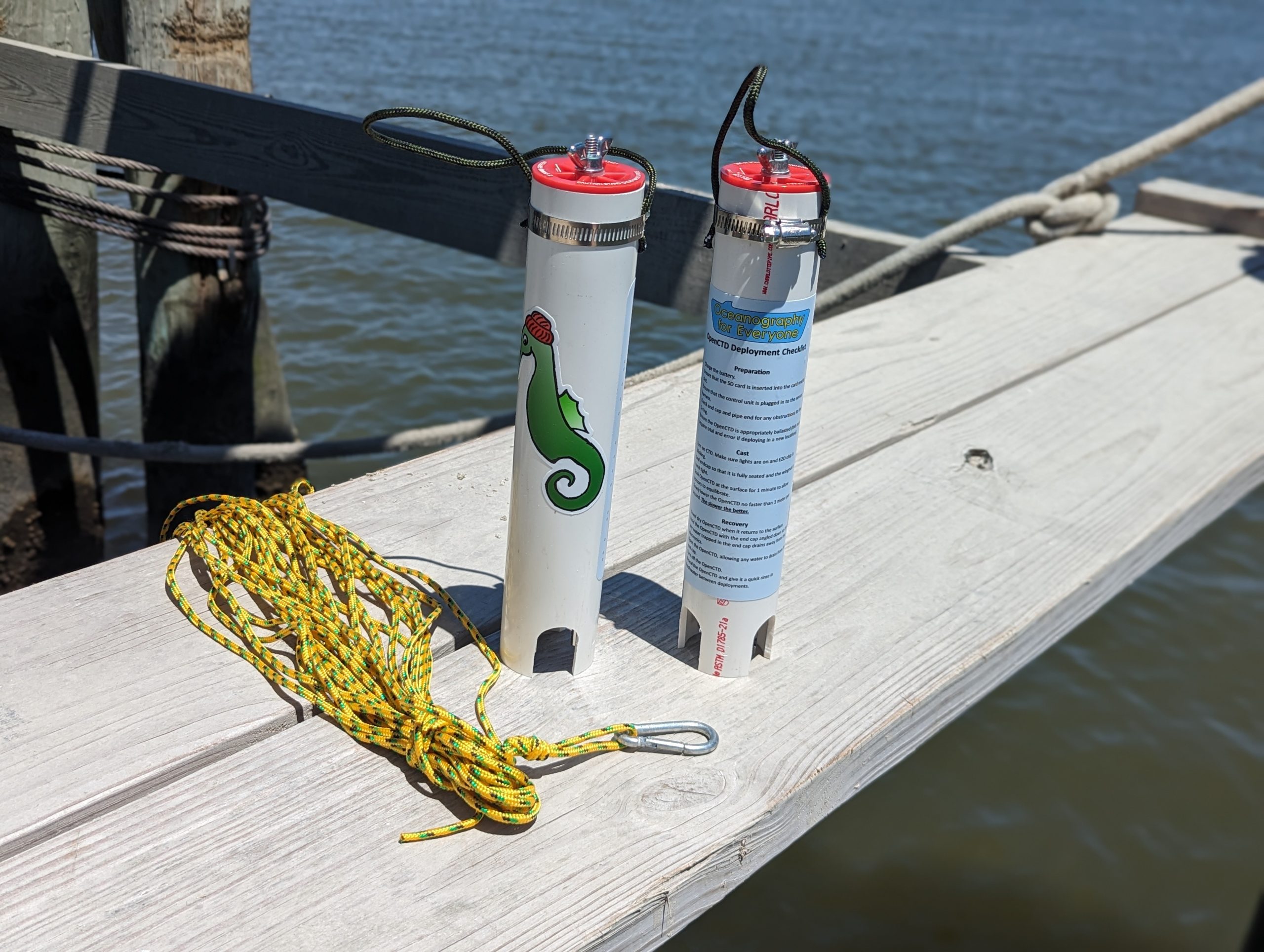
The next OpenCTD is here!
June 22, 2026
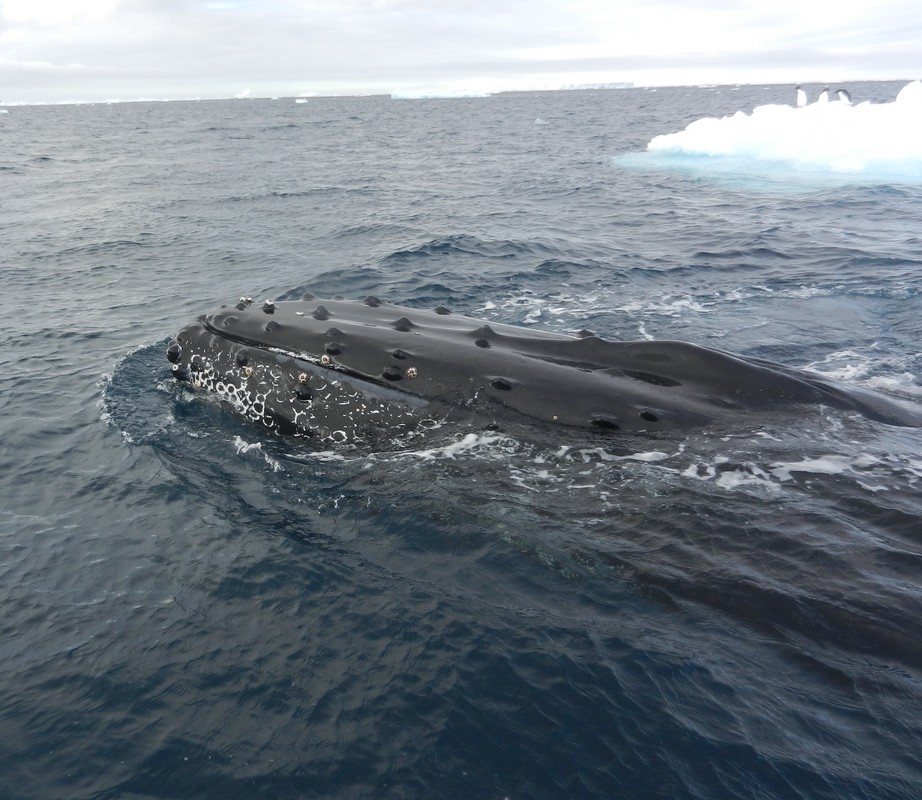
humpback whale in Antarctica
The evolution of the International Whaling Commission – from  whaling quotas to whale conservation
June 10, 2026
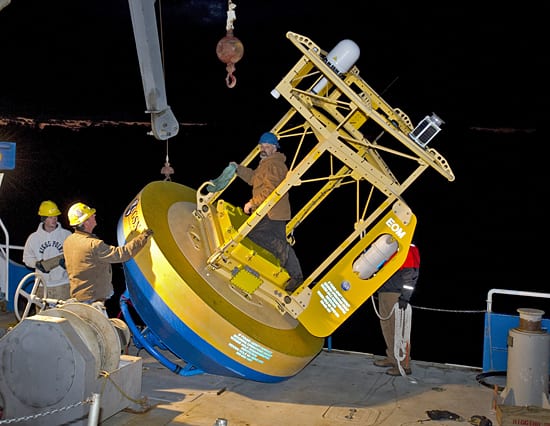
Isn’t ironic, don’t you think: dismantling the Ocean Observatories Initiative on World Oceans Day
June 9, 2026
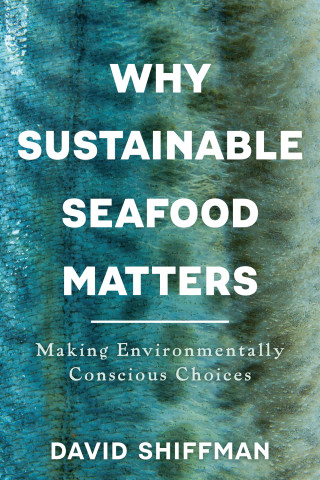
“Why Sustainable Seafood Matters” is now available for preorder! Here’s what it’s about, and why I decided to write it.
June 8, 2026
Here’s how to join my IMCC8 symposium, “Ocean Science Communication: What’s New and What’s Next?”
April 22, 2026
Deep Sea Mining Symposium Announcement
April 21, 2026

24 species of sharks that have killed fewer people than Jack Bauer on 24

Posted on May 6, 2014May 7, 2014 By David Shiffman 6 Comments on 24 species of sharks that have killed fewer people than Jack Bauer on 24
Uncategorized

Promotional photo for "24: Live Another Day" from the 24 Facebook page, https://www.facebook.com/24fox
Promotional photo for “24: Live Another Day” from https://www.facebook.com/24fox

After four long years of being cancelled, Fox finally brought back ’24’ this week! Star Kiefer Sutherland plays Jack Bauer, a counter-terrorism agent and general badass. Jack has had to kill in the line of duty many times. In fact, as of this past Monday’s premiere of “24: Live Another Day,” Jack Bauer has killed 273 people. How does this record stack up to a cause of death that so many people fear, death by shark bite?

Here are 24 species of shark that have killed fewer people than Jack Bauer has killed on ’24,’ according to the International Shark Attack File.  All fatalities reference the time period 1580-2013, and encompass the whole world. Only fatalities where the shark species has been identified are included here

Read More “24 species of sharks that have killed fewer people than Jack Bauer on 24” »

Announcing a F1000 research collection on shark biology and conservation

Posted on May 6, 2014May 6, 2014 By David Shiffman
Blogging, Science

An announcement from Cesar Berrios-Otero, Outreach Director at Faculty of 1000:

f1000-researchShark Week is fast approaching and with it the potential for misinformation (re Megalodon special 2013) as well as an excellent opportunity for public education and outreach. Furthermore, with 25% of all sharks and their relatives in danger of extinction due to over fishing, at F1000Research (a new open science journal launched in 2013) we believe this is the ideal opportunity to raise awareness of elasmobranch biology and conservation efforts. In order to support these efforts we are planning the release of an article collection to coincide with this event. We are encouraging authors to contribute their work in order to highlight the importance of these indispensable apex predators.
 

We are looking for passionate shark biologists who would like to publish articles in the following areas:

  • Policy, regulations and laws regarding shark conservation.
  • Migration, feeding, ecology and behavior of sharks.
  • Profiles of shark fisheries and future needs.


Read More “Announcing a F1000 research collection on shark biology and conservation” »

The incredible biodiversity of Aquaman’s variant cover: Episode 2

Posted on May 6, 2014May 5, 2014 By Andrew Thaler
Popular Culture, Science

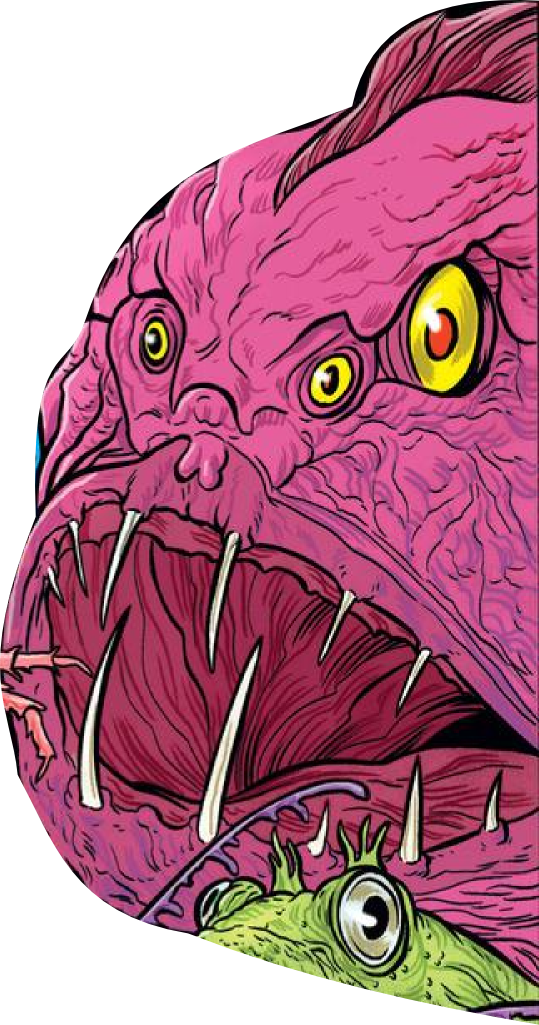
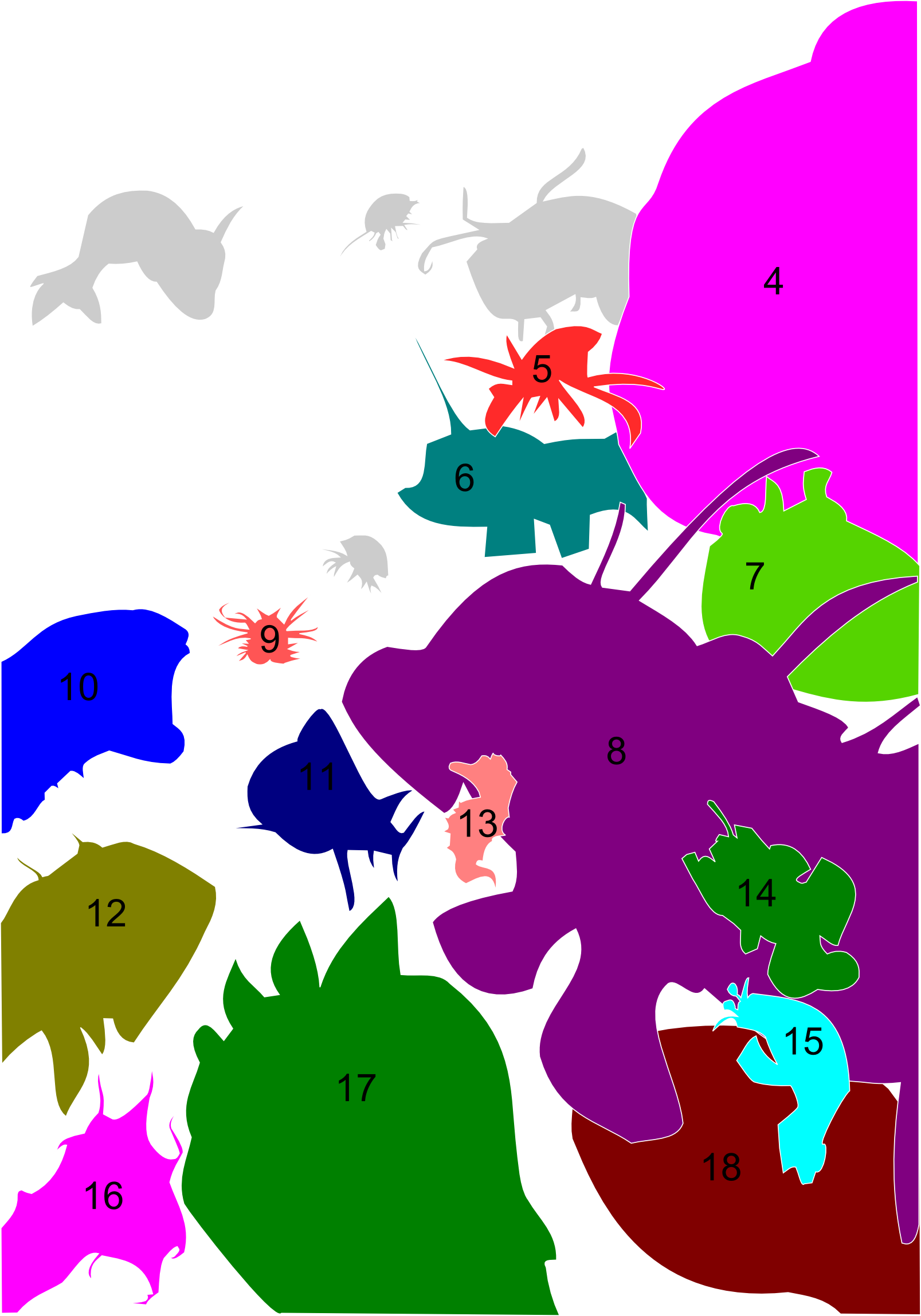
Welcome back to another exciting installment of the incredible biodiversity of this incredible Aquaman cover. Today we’re investigating species 4 through 6, where we’ll meet one of my favorite mid-water fish.

aquapurged2

fangtooth4. Fangtooth (Anoplogaster cornuta)

With the largest tooth-length-to-body ratio of any fish, the fangtooth has earned its menacing name. Unfortunately, this intimidating creature barely reaches 18 centimeters in length, hardly the massive, Batman-swallowing maw illustrated to the right. Fangtooths are among the deepest swimming fish. They can be found as far as 5000 meters down, though they are more common in the midwater (200-2000 meters).

Read More “The incredible biodiversity of Aquaman’s variant cover: Episode 2” »

The incredible biodiversity of Aquaman’s variant cover

Posted on May 5, 2014May 5, 2014 By Andrew Thaler 2 Comments on The incredible biodiversity of Aquaman’s variant cover
Popular Culture, Science

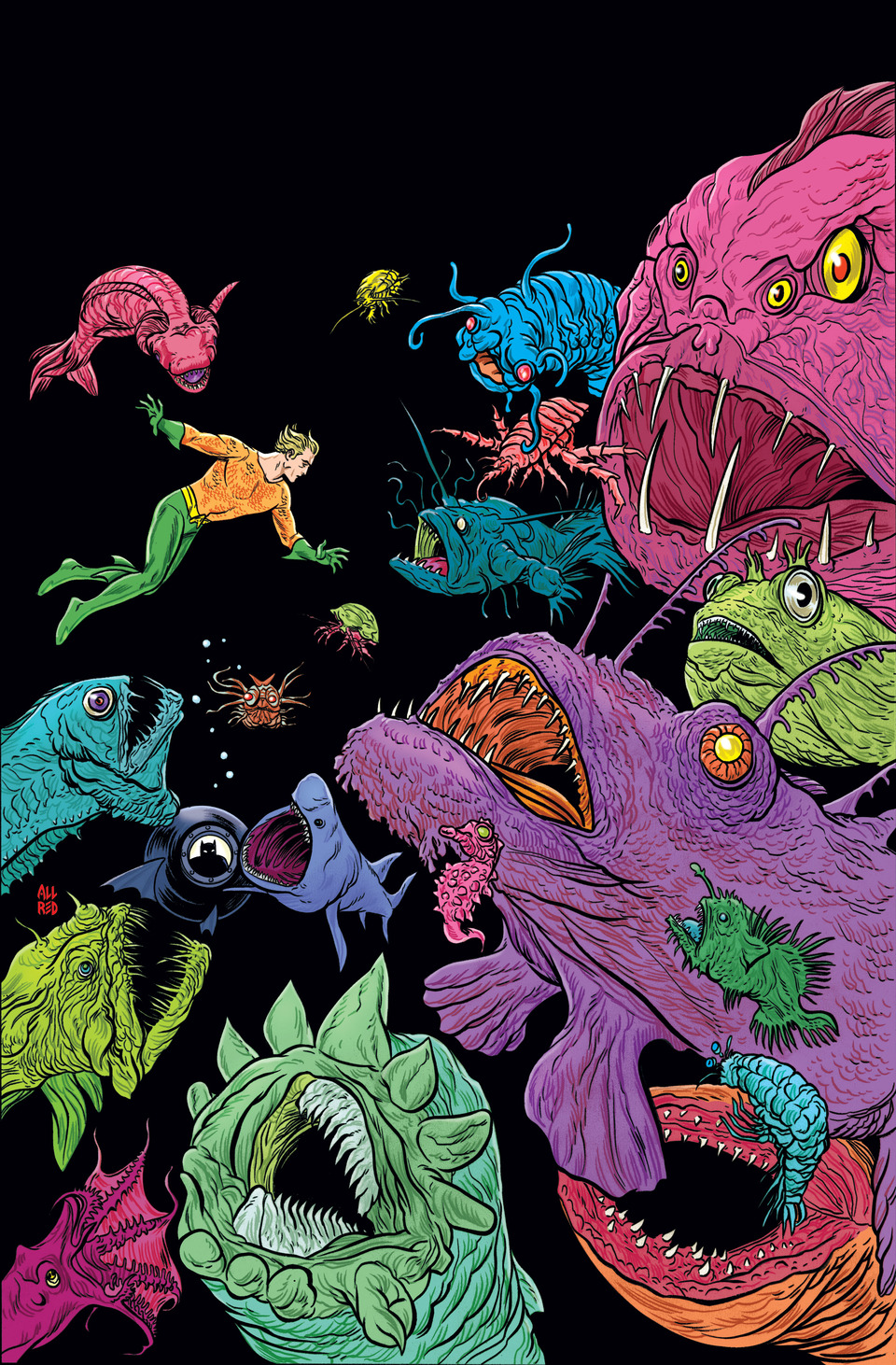
Aquaman #31 variant cover. Art by Mike Allred.

Aquaman. Wow. Artist Mike Allred has seriously outdone himself with this incredible variant cover to Aquaman #31, featuring a 75th anniversary tribute to Batman as well as an incredible pastel array of deep-sea creatures. What truly amazing about this cover is that each one of these animals is a real living denizen of the deep right here, on Earth Prime. Sure, the scale might be a little off, and it’s unlikely that a scale worm could swallow a Bat-thyscaph, but the salient details are uncanny. Join me on a tour of the 18 wonderful animals featured on this sure-to-be epic installment of Aquaman’s ocean-spanning adventures. Today we’re looking at the first three, including one of my all time favorite marine organisms.

Read More “The incredible biodiversity of Aquaman’s variant cover” »

Florida fisherman catches an 18 foot goblin shark, the second ever caught in the Gulf of Mexico

Posted on May 2, 2014May 2, 2014 By David Shiffman 5 Comments on Florida fisherman catches an 18 foot goblin shark, the second ever caught in the Gulf of Mexico
Blogging, Science

Last week, commercial fisherman Carl Moore was fishing for royal red shrimp off the coast of Key West Florida.  When he pulled up a net from more than 2,000 feet, Moore had caught something other than just shrimp. In his net was an unusual looking enormous fish—a goblin shark more than 18 feet long. As … Read More “Florida fisherman catches an 18 foot goblin shark, the second ever caught in the Gulf of Mexico” »

Documenting Deep Sea Drama: Pursuing the Reality of Ocean Acidification

Posted on April 28, 2014April 28, 2014 By Guest Writer
Science

1Kaitlin Kovacs is a researcher for U.S. Geological Survey – Southeast Ecological Science Center. While she currently works in a deep-sea benthic ecology lab, her previous science adventures have led her to study artificial reefs in Florida, coral reef restoration in the Maldives, and coastal ecosystems in the U.S. Virgin islands. With her marine science background, Kaitlin is keen on using outreach and education to help engage local communities in marine conservation efforts.

The ideas expressed below do not represent U.S. Geological Survey.

In the cult Wes Anderson film, The Life Aquatic, there is a scene in which a documentary film maker asks the protagonist, Steve Zissou (clearly a spoof of Jacques Cousteau) what the scientific purpose of his mission to kill the endangered Jaguar shark would be. The eccentric Zissou (brilliantly portrayed by Bill Murray) answers simply, “Revenge.”

The humor here is that scientific missions are rarely so openly coupled with emotion. And yet, the quirky marine biologist does not bother to hide that he is consumed with emotion after his partner is eaten by a shark. His anger and sadness fuel his scientific objective.

Read More “Documenting Deep Sea Drama: Pursuing the Reality of Ocean Acidification” »

How much shark fin soup could you make from an adult megalodon?

Posted on April 26, 2014 By David Shiffman
Blogging

Carcharocles megalodon, commonly known as the megalodon, was likely the largest shark that ever lived. I say “was”, because despite claims by certain Discovery Channel “documentaries”, there is absolutely no doubt whatsoever that the megalodon is extinct and has been for millions of years.

It isn’t surprising, though, that the largest shark that ever lived has such an impact on pop culture. Recently, we watched the latest in the spectacular “mega shark vs.” science fiction series, one of my favorite movie series based on extinct giant sharks coming back to life and wreaking havoc on the modern world.  The Southern Fried Scientist, who recently calculated how much Old Bay seasoning you’d need to properly cook the latest Aquaman villain,  asked me how much shark fin soup you could get from an adult megalodon.

Based on my calculations, the answer is about 70,000 bowls of shark fin soup, more than enough for everyone who lives in Greenland to have a bowl. Explaining where this number comes from can tell us a lot abTTout one of the most important ocean conservation issues facing the world today.

Read More “How much shark fin soup could you make from an adult megalodon?” »

It’s illegal for anglers to land hammerheads in Florida. It’s time that media coverage pointed that out.

Posted on April 24, 2014May 5, 2014 By David Shiffman 18 Comments on It’s illegal for anglers to land hammerheads in Florida. It’s time that media coverage pointed that out.
Conservation, Science

On January 1st, 2012, new Florida Fish and Wildlife Conservation Commission regulations came into effect, making it illegal for fishermen to land great, smooth, or scalloped hammerhead sharks in Florida waters. The legal term “land” is clearly defined in the Florida Code:

“Land,” when used in connection with the harvest of marine organisms, means the physical act of bringing the harvested organism ashore”

“Harvest” means the catching or taking of a marine organism by any means whatsoever, followed by a reduction of such organism to possession. Marine organisms that are caught but immediately returned to the water free, alive, and unharmed are not harvested”

 Florida code section 68B-44  (emphasis mine)

In other words, if a fish is brought out of the water, it is “landed”. If anglers stop the act of releasing a fish to measure it or take a photo, it is not “immediately released.”  If a fish isn’t  “immediately returned alive and unharmed” (and if the extremely physiologically stressful act of bringing a hammerhead out of the water results in it dying after release, it was not released “unharmed,”)  it is harvested. If you drag the shark out of the water and leave it there until it stops moving long enough that you feel safe to approach it, that is not an “immediately released” animal, and it isn’t an animal that is “released unharmed.”  Landing and/or harvesting hammerhead sharks is illegal. This is clear under the law, and has been confirmed by numerous consultations with an FWC Law Enforcement official.

Read More “It’s illegal for anglers to land hammerheads in Florida. It’s time that media coverage pointed that out.” »

Watch Mega Shark vs. Mecha Shark on Netflix Wednesday at 10 p.m., and tweet along with us!

Posted on April 22, 2014 By David Shiffman
Blogging

Mega Shark vs. Mecha Shark, the third installment of the amazing “Mega Shark vs.” series, is now on Netflix streaming! In 2009’s Mega Shark vs. Giant Octopus, a megaladon and a giant octopus were accidentally released by climate change, which led to a path of destruction around the world… until a scientific team involving Debbie Gibson … Read More “Watch Mega Shark vs. Mecha Shark on Netflix Wednesday at 10 p.m., and tweet along with us!” »

My five favorite responses to the Loch Ness Debunking.

Posted on April 21, 2014April 21, 2014 By Andrew Thaler 1 Comment on My five favorite responses to the Loch Ness Debunking.
Blogging

I didn’t expect a throw-away post I made last Friday debunking an alleged image of the Loch Ness Monster to go viral, but this is the internet and these things happen. As you might expect, my inbox, social media accounts, and this website have been inundated with comments about that post, how wrong I must be, what’s really going on, and why X theory is clearly the correct one. For the record, it’s still a boat wake, but in light of the amount of attention the post received, I updated it with a bit more information about how that image could occur.

With that out of the way, here are my five favorite responses to the latest Loch Ness Monster sighting:

Read More “My five favorite responses to the Loch Ness Debunking.” »

Posts pagination

Previous 1 … 108 109 110 … 273 Next

Popular Posts

That's not a blobfish: Deep Sea Social Media is Flooded by AI SlopThat's not a blobfish: Deep Sea Social Media is Flooded by AI SlopDecember 19, 2025Andrew Thaler
What Ocean Ramsey does is not shark science or conservation: some brief thoughts on "the Shark Whisperer" documentaryWhat Ocean Ramsey does is not shark science or conservation: some brief thoughts on "the Shark Whisperer" documentaryJuly 2, 2025David Shiffman
Screaming into the void - Why your scientific paper doesn’t matterScreaming into the void - Why your scientific paper doesn’t matterJune 18, 2026Chris Parsons
Ageism in the conservation job marketAgeism in the conservation job marketJune 19, 2026Chris Parsons
I can serve on your graduate thesis committee. Here’s what you can expect of me, and what I expect in return.I can serve on your graduate thesis committee. Here’s what you can expect of me, and what I expect in return.October 16, 2025David Shiffman
The story of the pride flag made from NASA imagery: Bluesky's most-liked imageThe story of the pride flag made from NASA imagery: Bluesky's most-liked imageSeptember 27, 2024David Shiffman
What is a Sand Shark?What is a Sand Shark?November 12, 2017Chuck Bangley
Shark of Darkness: Wrath of Submarine is a fake documentaryShark of Darkness: Wrath of Submarine is a fake documentaryAugust 10, 2014Michelle Jewell
Our favorite sea monsters – Ningen (#4)Our favorite sea monsters – Ningen (#4)September 7, 2010Andrew Thaler
The plague-busting, prairie-dog-vaccinating, ferret-saving droneThe plague-busting, prairie-dog-vaccinating, ferret-saving droneNovember 1, 2016Andrew Thaler

squishy

Subscribe to our RSS Feed for updates whenever new articles are published.

We recommend Feedly for RSS management. It's like Google Reader, except it still exists.

Southern Fried Science

  • Home
  • About SFS
  • Authors
  • Support SFS


If you enjoy Southern Fried Science, consider contributing to our Patreon campaign.

Copyright © 2026 Southern Fried Science.

Theme: Oceanly Premium by ScriptsTown