Skip to content

Southern Fried Science

Over 15 years of ocean science and conservation online

  • Home
  • About SFS
  • Authors
  • Support SFS

Recent Posts

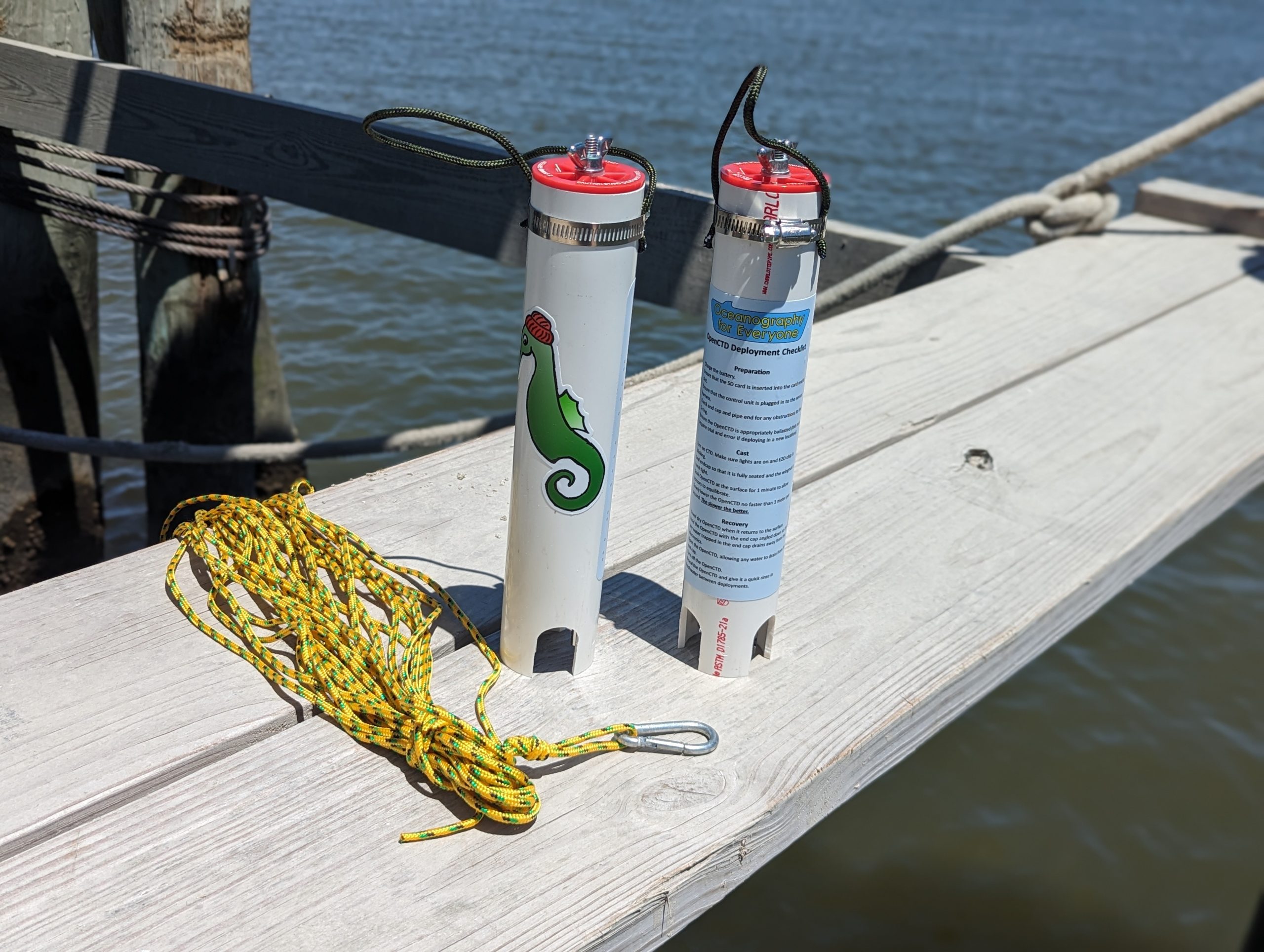
The next OpenCTD is here!
June 22, 2026
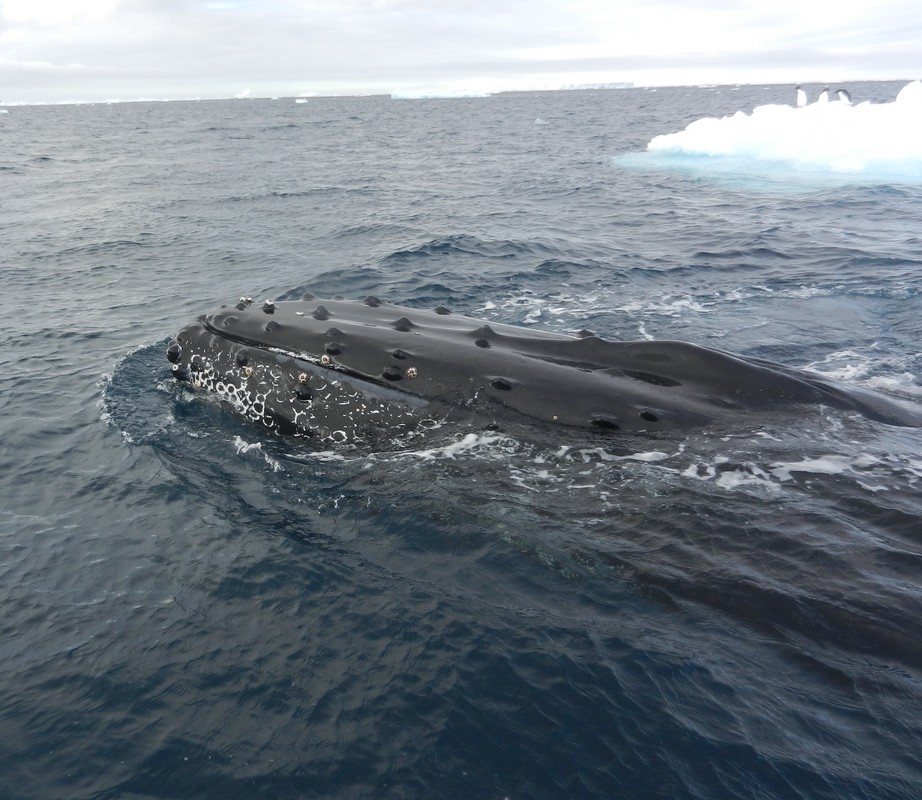
humpback whale in Antarctica
The evolution of the International Whaling Commission – from  whaling quotas to whale conservation
June 10, 2026
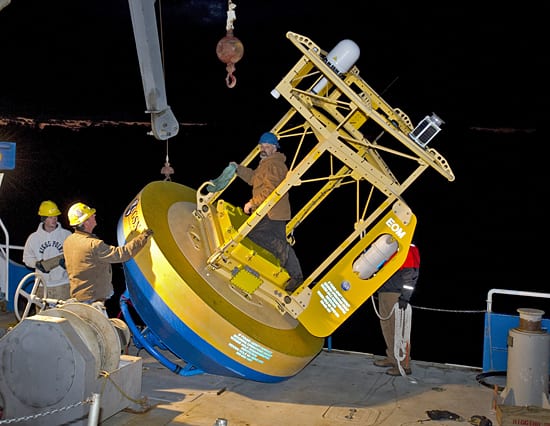
Isn’t ironic, don’t you think: dismantling the Ocean Observatories Initiative on World Oceans Day
June 9, 2026
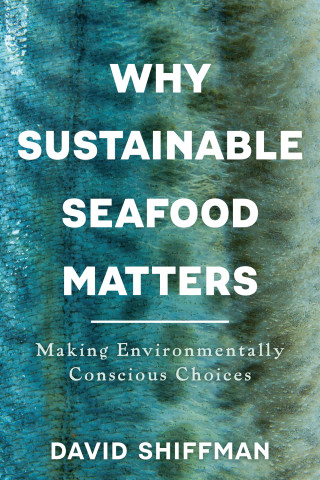
“Why Sustainable Seafood Matters” is now available for preorder! Here’s what it’s about, and why I decided to write it.
June 8, 2026
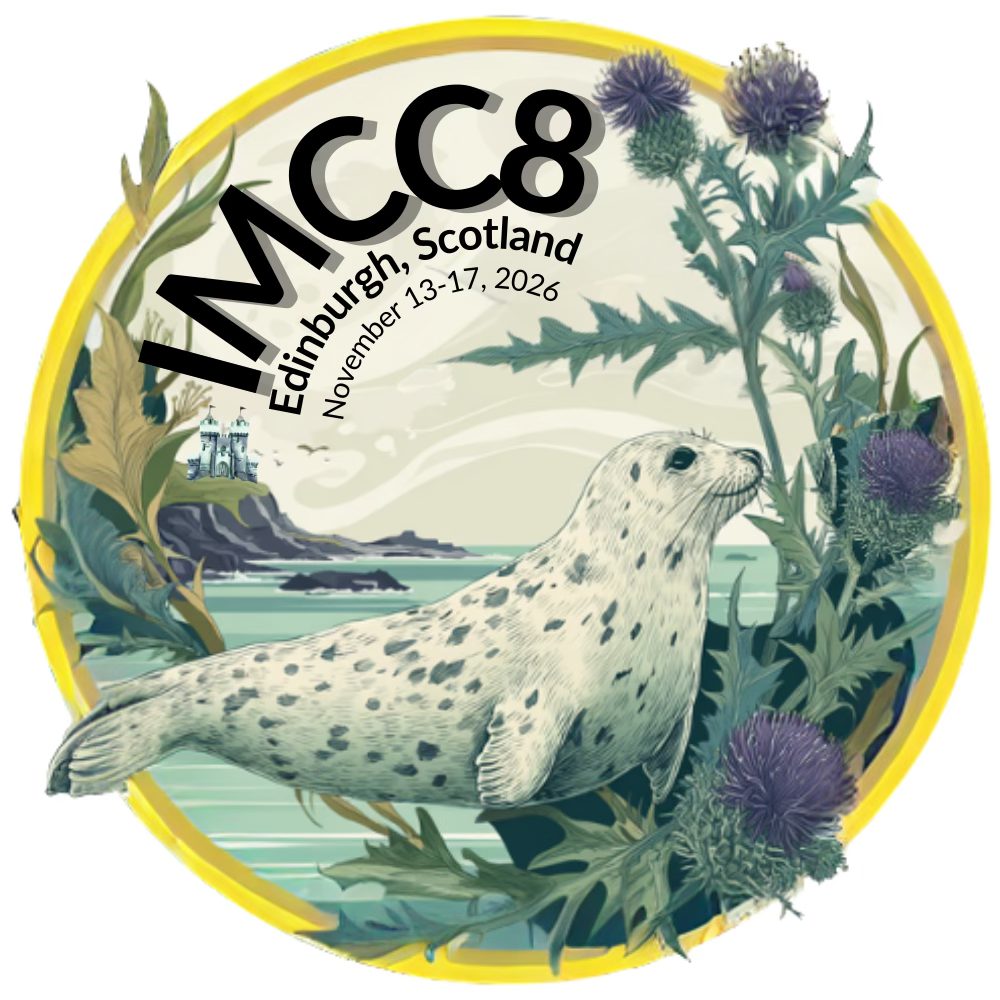
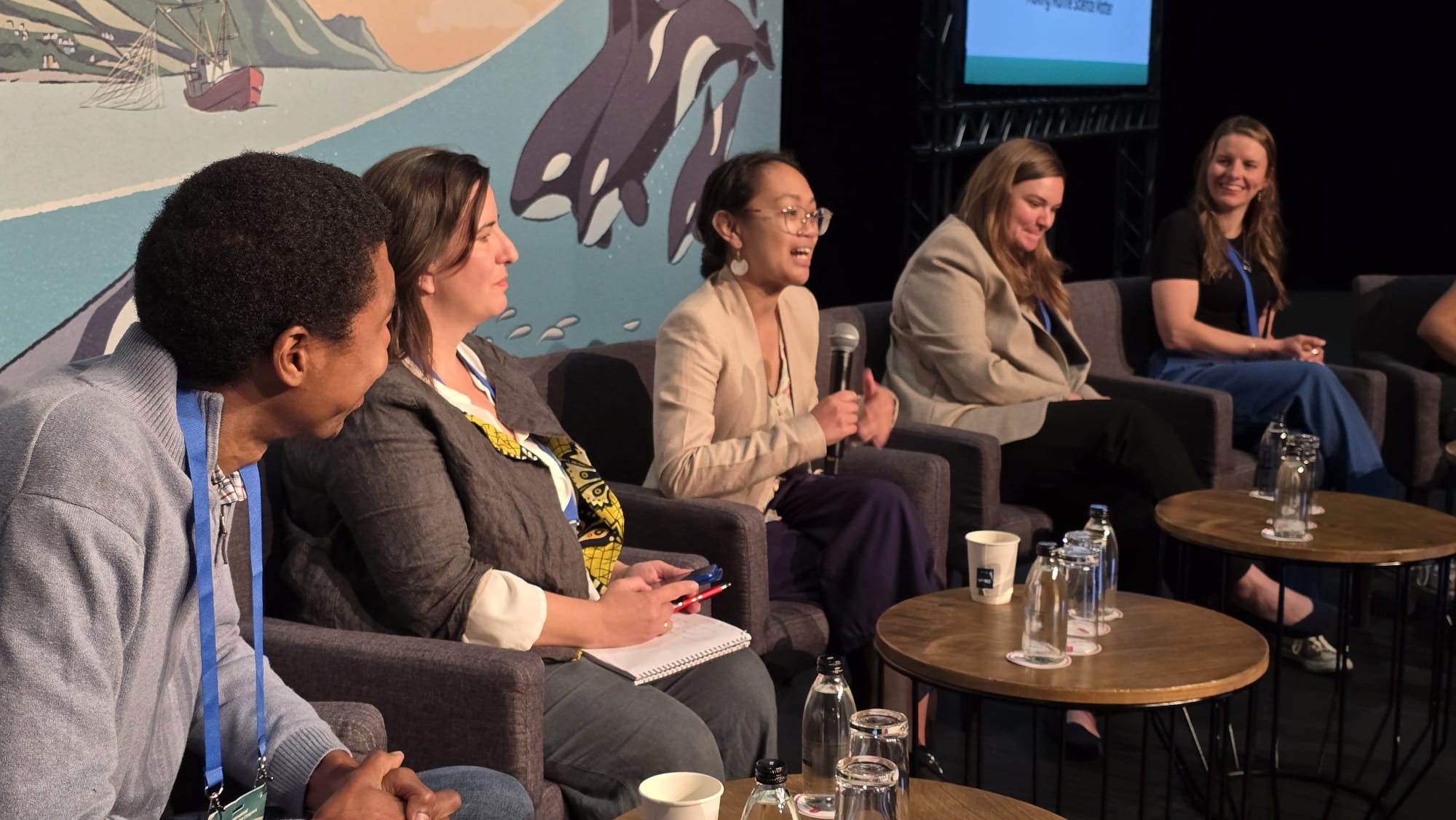
Here’s how to join my IMCC8 symposium, “Ocean Science Communication: What’s New and What’s Next?”
April 22, 2026
Deep Sea Mining Symposium Announcement
April 21, 2026

#DrownYourTown Coastal States Road Trip is coming to your (virtual) town

Posted on February 11, 2014 By Andrew Thaler
#DrownYourTown, Science

Last week, I kicked off the #DrownYourTown Coastal States Road Trip with a cruise through California. Over the next few weeks, we’ll visit every coastal US state (and territory) and see what they look like after 5 meters of sea level rise. The first week of images is available at the #DrownYourTown tumblr and you can follow along in real time on twitter @DrownYourTown.
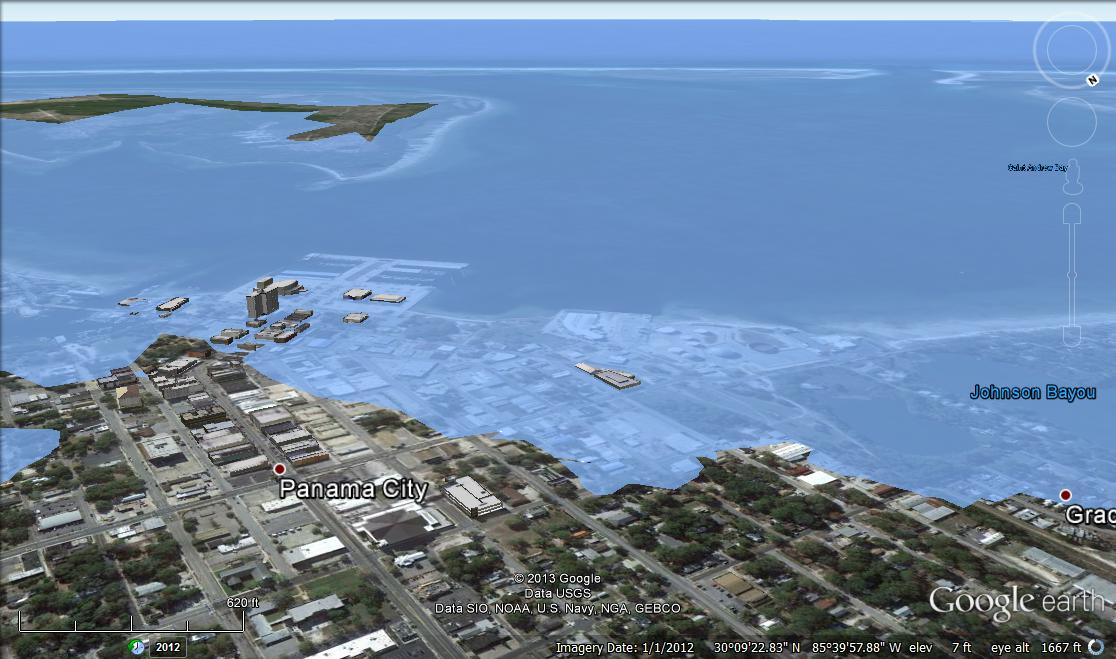
Panama City, FL after 5 meters of sea level rise.

Read More “#DrownYourTown Coastal States Road Trip is coming to your (virtual) town” »
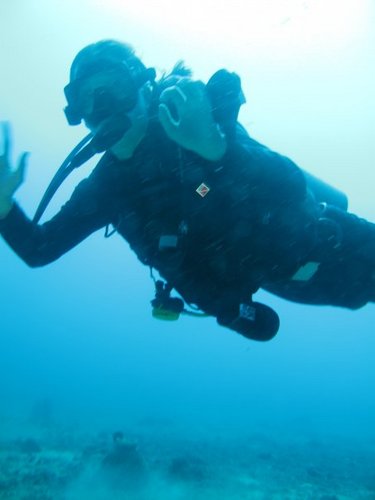
The 45 most influential female ecologists alive today according to twitter

Posted on February 10, 2014 By Guest Writer 26 Comments on The 45 most influential female ecologists alive today according to twitter
Blogging, Science

melissaMelissa Giresi is currently a PhD candidate in the Department of Biology at Texas A&M University interested in using genetic methods to assess population structure, connectivity and biodiversity of exploited marine fishes and invertebrates. For her dissertation, she is testing the null hypothesis that the dusky smoothhound shark, Mustelus canis, is a single genetically-panmictic population in U.S. waters and utilizing molecular and morphological markers to assess how many smoothhound species are present in the Gulf of Mexico.   She is also involved with projects to investigate population connectivity in fine tooth sharks, black nose sharks, cobia, and amberjack. 


Monica Turner, image courtesy University of Wisconsin

On Thursday, I tweeted “Name the most influential female ecologist (alive today) that you can think of.”  After it was re-tweeted by several of my much more twitter-savvy colleagues and friends, I received an overwhelming number of responses. In retrospect, I should have created a hashtag to keep track of the responses.  Forty-five influential female ecologists were named in this search, some of whom responded to the question themselves, naming their colleagues (but never naming themselves).  The most influential female ecologists (alive today) according to the twitter-verse are listed in the table below in alphabetical order by last name.

Read More “The 45 most influential female ecologists alive today according to twitter” »

Changes Proposed for U.S. Fisheries Management: The Good, The Bad, and The Ugly

Posted on February 9, 2014February 10, 2014 By Chuck Bangley 13 Comments on Changes Proposed for U.S. Fisheries Management: The Good, The Bad, and The Ugly
Conservation

This past Tuesday, the draft bill to reauthorize the Magnuson-Stevens Act was released by the U.S. House.  The Magnuson-Stevens Act is a big deal because this is the law that lays out how fisheries management works in the United States.  This time, a number of changes have been proposed by Representative Doc Hastings, some of which could fundamentally change fisheries management and fisheries science in U.S. waters.  The proposed changes immediately became controversial, garnering overwhelming support from witnesses to the House Natural Resources Committee hearing of the bill (witnesses included representatives from the recreational and commercial fishing industries as well as the Mid-Atlantic Fishery Management Council) while the Pew Charitable Trust strongly opposed the bill, calling it the “Empty Oceans Act” (translated into GIFs by Upwell for your viewing pleasure).

How might the Hastings bill affect your favorite marine species (both in the water and on your dinner plate)?  Read on to see the good, bad, and ugly aspects of these proposed changes, at least according to this particular fisheries scientist.

Read More “Changes Proposed for U.S. Fisheries Management: The Good, The Bad, and The Ugly” »

No bones about it

Posted on February 7, 2014February 13, 2014 By Sarah Keartes 2 Comments on No bones about it
Uncategorized

Hello, dear internets! Thank you for the warm welcome. I am extremely excited to be joining Southern Fried Science—talk about being in good company! For those of you who don’t know me, I am a student at the University of Oregon, where I study marine biology and journalism. I love all things science, but I have a small (ok, not so small) love for shark biology. I look forward to promoting ocean outreach through kick-ass science communication with the rest of the team, here at SFS.

Enough about me, on to some animal insides.

In honor of #unshark week’s end, I return to the awesome that is shark science. Like skates and rays, sharks are chondrichthyans, cartilaginous fishes whose skeletons are made primarily of cartilage rather than bone. Ever wonder what a mostly-boneless skeleton looks like? Sure you have (and if not, you are now thinking about it and the suspense is killing you, I say).

Shark skeletons are complex, beautiful, and thanks to Dr. Gavin Naylor, and his team at College of Charleston Naylor Lab, they are here for you to see.

Read More “No bones about it” »

Southern Fried Science needs your help!

Posted on February 7, 2014 By Administrator
Blogging

For more than 5 years, Southern Fried Science has shared incisive, clever, humorous, informative, and educational ocean science and conservation stories. Our content has always been free, and, with the exception of one brief experiment, ad-free. Our writers are volunteers. Our tech support donates his time and expertise to keep the site running smoothly  (for … Read More “Southern Fried Science needs your help!” »

Social media as a scientific research tool: Background info for my #scio14 session

Posted on February 6, 2014February 6, 2014 By David Shiffman 1 Comment on Social media as a scientific research tool: Background info for my #scio14 session
Blogging, Science

ScionlineAt the 2014 ScienceOnlineTogether conference, I will be moderating a session focusing on how to use social media as a scientific research tool (2:30 P.M. on Friday, February 28th in room 3).  The hashtag is #ScioResearch , so be sure to follow along, and I’ll make a Storify afterwards. This post is primarily intended to be a source of background information for participants in my session, though feel free to read, share and ask questions in the comments if you are not planning on participating in my session.

ScienceOnline community members understand the value of social media for collaborating with colleagues and communicating science to the public, but few think of the incredible resource that these tools are for scientific research. Hundreds of millions of people all over the world are constantly sharing their experiences and opinions in a format that is public, archived, searchable, and accessible, giving researchers access to this enormous dataset without the expense or logisitical difficulties involved in organizing a large-scale survey or series of focus groups. To use a technical term, for many types of scientific research, social media and “big data” is what is called “a freakin’ gold mine.”

Onion

Below are a few examples of how social media can be used for scientific research.

Read More “Social media as a scientific research tool: Background info for my #scio14 session” »

SciFund Challenge: Help support my shark feeding ecology research

Posted on February 3, 2014February 10, 2014 By David Shiffman
Blogging, Science

I am participating in the 4th SciFund Challenge, a crowdfunding event for scientific research! My project, part of my Ph.D. dissertation research, is looking at the feeding ecology of local species of sharks with the goal of generating data that can help managers to conserve and protect these species. I’d appreciate any assistance you can … Read More “SciFund Challenge: Help support my shark feeding ecology research” »

Global is Personal: 4 Lessons About Climate Change Outreach from #DrownYourTown

Posted on February 3, 2014February 3, 2014 By Andrew Thaler
#DrownYourTown, Science

Almost four months ago, I sat down at my computer with a puzzle to solve: is there an easy way to model sea level rise without using expensive GIS programs. I found that solution in Google Earth and, after a few days of experimenting and tweeking, #DrownYourTown was born.

1 meter of sea level rise would make for a very soggy superbowl.

#DrownYourTown is a tool for exploring sea level rise through real-time, interactive, GIS modeling. Anyone can submit a request via twitter or tumblr and receive a custom, 3D model of sea level rise anywhere in the world. The system allows users to produce dramatic visuals of both plausible and implausible climate change scenarios. The project is ongoing, with user generated content, an active tumblog, and a vibrant twitter community centered around the hashtag. I am constantly exploring new ways to reach a broader audience. Currently, #DrownYourTown is on a virtual road trip, visiting a new coastal state each day, and cruising through towns after 5 meters of sea level rise.

#DrownYourTown has been an exciting and sometimes humbling journey. Here are four lessons about climate change outreach I learned from drowning your town.

Read More “Global is Personal: 4 Lessons About Climate Change Outreach from #DrownYourTown” »

Look beyond Shark Week to find the ocean’s most fascinating life

Posted on February 3, 2014February 3, 2014 By Guest Writer 1 Comment on Look beyond Shark Week to find the ocean’s most fascinating life
Conservation, Science

Dr. Steve Palumbi studies the genetics, evolution, conservation, population biology and systematics of a diverse array of marine organisms. Along with Tony Palumbi he is the author of the forthcoming book The Extreme Life of the Sea. UnShark Week is a week long celebration of the ocean’s extremes. 


Dr. Palumbi, enjoying a day at the beach.

Since 1987, the Discovery Channel’s annual Shark Week pumps up the thrill of encountering a dangerous shark. Teeth, danger, lunging predation, more teeth: this is what the week is mostly about.  But most of the extreme species in the sea are not sharks. Sharks are not the biggest, the deepest, the fastest, even the deadliest.  This week is exactly midway between Shark Weeks, 26 weeks till the next one; 26 weeks since the last. And because there are so many other thrilling species in the sea, we declare this week as UnShark Week – and dedicate it to the truly extreme animals in the ocean.

The fastest fish in the sea is not a shark. Sailfish have the unofficial record at 60 mph, and well documented speed trails have clocked tuna and wahoo at nearly 50 mph. By contrast the most celebrated human swimmers manage 6-7 mph. Billfish like marlin and sailfish feed at such high speeds that their brains and eyes can not operate fast enough. So as an adaptation to speed, these fish have evolved heaters in the brains and eyes so they can form and process images fast enough to snap up prey in high velocity sorties.

Read More “Look beyond Shark Week to find the ocean’s most fascinating life” »

Release the Karaqan! How does Aquaman’s latest foe stack up against real ocean giants?

Posted on January 31, 2014January 31, 2014 By Andrew Thaler 1 Comment on Release the Karaqan! How does Aquaman’s latest foe stack up against real ocean giants?
Popular Culture

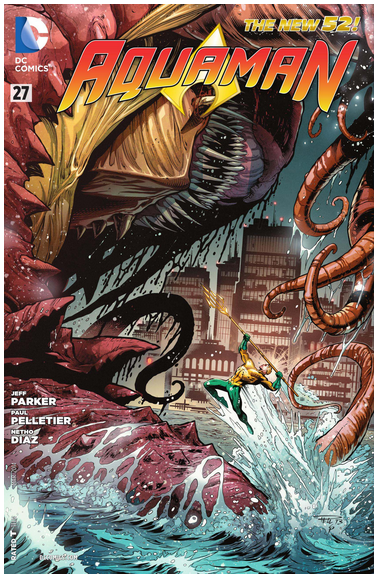
Aquaman #27. DC Comics.

It’s been more than 2 months since we last discussed the patron saint of Southern Fried Science, the one and only Aquaman. The Atlantean übermensch has a new lead writer, Jeff Parker, who’s teamed up with Aquaman veteran Paul Pelletier to produce an engaging and visually stunning story. After the epic conclusion to Throne of Atlantis, Aquaman is off on an entirely new adventure. Unfortunately, this new quest puts our hero in the path of a gargantuan guardian of ancient Atlantis, the Karaqan!

The Karaqan is big, but just how big is it? How does the Karaqan stack up against living sea creatures? Could an arthropod ever get as big as the Karaqan? Most important, if Aquaman does successfully slay the Karaqan, just how much Old Bay would we need to steam it?

Read More “Release the Karaqan! How does Aquaman’s latest foe stack up against real ocean giants?” »

Posts pagination

Previous 1 … 112 113 114 … 273 Next

Popular Posts

That's not a blobfish: Deep Sea Social Media is Flooded by AI SlopThat's not a blobfish: Deep Sea Social Media is Flooded by AI SlopDecember 19, 2025Andrew Thaler
What Ocean Ramsey does is not shark science or conservation: some brief thoughts on "the Shark Whisperer" documentaryWhat Ocean Ramsey does is not shark science or conservation: some brief thoughts on "the Shark Whisperer" documentaryJuly 2, 2025David Shiffman
Screaming into the void - Why your scientific paper doesn’t matterScreaming into the void - Why your scientific paper doesn’t matterJune 18, 2026Chris Parsons
Ageism in the conservation job marketAgeism in the conservation job marketJune 19, 2026Chris Parsons
I can serve on your graduate thesis committee. Here’s what you can expect of me, and what I expect in return.I can serve on your graduate thesis committee. Here’s what you can expect of me, and what I expect in return.October 16, 2025David Shiffman
The story of the pride flag made from NASA imagery: Bluesky's most-liked imageThe story of the pride flag made from NASA imagery: Bluesky's most-liked imageSeptember 27, 2024David Shiffman
What is a Sand Shark?What is a Sand Shark?November 12, 2017Chuck Bangley
Shark of Darkness: Wrath of Submarine is a fake documentaryShark of Darkness: Wrath of Submarine is a fake documentaryAugust 10, 2014Michelle Jewell
Our favorite sea monsters – Ningen (#4)Our favorite sea monsters – Ningen (#4)September 7, 2010Andrew Thaler
The next OpenCTD is here!The next OpenCTD is here!June 22, 2026Andrew Thaler

squishy

Subscribe to our RSS Feed for updates whenever new articles are published.

We recommend Feedly for RSS management. It's like Google Reader, except it still exists.

Southern Fried Science

  • Home
  • About SFS
  • Authors
  • Support SFS


If you enjoy Southern Fried Science, consider contributing to our Patreon campaign.

Copyright © 2026 Southern Fried Science.

Theme: Oceanly Premium by ScriptsTown