We here at the Gam always like good news and sometimes in the environmental field, it’s quite hard to come by. But Ya Like Dags describes the Win with PCS Phosphate’s expansion here in eastern NC. A major take-home point, though, is that while the case might be a win in the environment category, it’s … Read More “Posts of Note Around the Gam – July 28th, 2011” »

In the year since the Deepwater Horizon sunk, killing 11 people and pumping untold millions of barrels of oil into the Gulf of Mexico, much has been revealed about the causes and effects of this disaster: the chain of events leading up to the explosion, the response (or lack of response) from BP and the US government, the impact of sealife and coastal fisheries. In his most recent book, A Sea in Flames, Carl Safina lays out the timeline of the disaster, the factors the lead to such an egregious lapse in safety, the role that several corporate and government entities played, and the anger. Above all else, this book is about the rage one man feels about a situation that is almost impossible to comprehend.
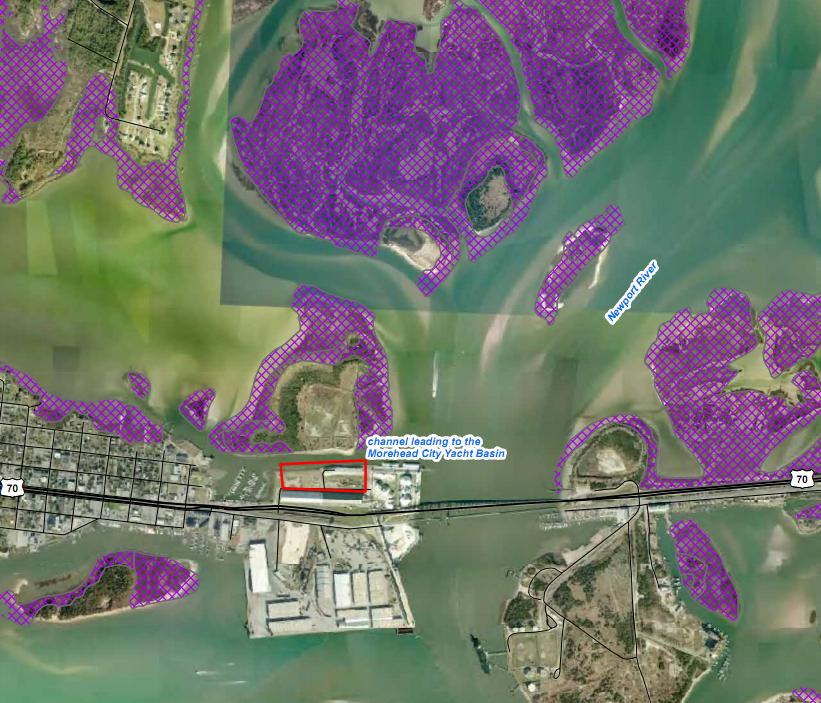
Since finding out about PCS Phosphate’s plans to build a sulfur melting facility at the Morehead City Port, the community has been swift to organize in opposition of the plant. Some of the reaction is in genuine concern about the environmental and economic impacts of the plant, but most if it circles around the fact that by the time the first public articles were released about the plant, permits had been signed and to many, the plan seemed like a done deal. All without input or comment from the public, or even from much of the Morehead City leadership.
The permit issuers are just doing their jobs – but the situation begs a larger review of state agency activity. Many state employees feel like it would help them to collaborate with people in another agency (eg regarding mercury in the Cape Fear), and in cases like this, an approach agency-by-agency can leave out the big picture. In this case, the big picture is that PCS Phosphate has yet to do a full environmental impact statement or collect any comments on the project as a whole. Sure, 4.5 kg of hydrogen sulfide a day seems ok (air permit), and it fits with the industrial zoning of the port (zoning permit). But will the addition of emitting industries compete with the tourist industry? We have no idea. In previous cases, such as the Titan Cement case in Wilmington, this has left the company open for lawsuits that have been tied up in court for years.
Read More “PCS Phosphate: Participation is necessary, whether or not it’s required” »
We’re continuing to dig through the permits and background pertaining to the recent revelation the PCS Phosphate has nearly completed the permitting process for a new sulfur processing plant at the Morehead City Port. The most apparent environmental and health impact of sulfur processing is noxious chemical emission and a pervasive rotten egg smell from hydrogen sulfide. According to PCS Phosphate’s Environmental Assessment:
“Based on assessments of the preliminary design of the project, there will be no adverse air quality impacts associated with the project.”
The company is still required by the state to apply for a minor new source permit, so the plans must indicate the plant will be emitting something. As local residents, we have a right to know what the plant will emit, not just the company’s bottom line.
Read More “PCS Phosphate: Air quality permit sees light of day, stinks” »

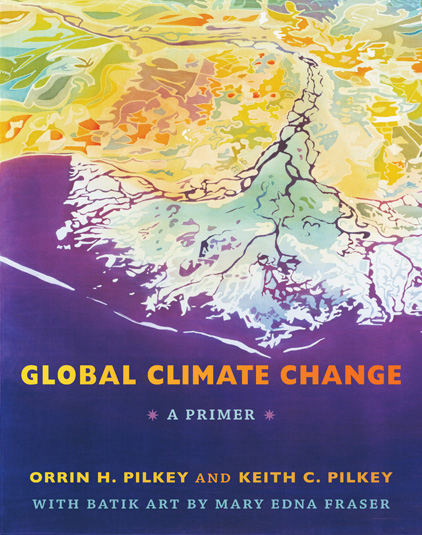
Sea level rise. Desertification. Ocean acidification. Climategate. Permafrost. Greenland ice sheet. Hockey stick. The language of global climate change can be overwhelming. Every year, as we learn more about the ways that human activity fundamentally alter global processes, the subject becomes even broader and more complicated. Fortunately, world renowned oceanographer Orrin Pilkey and his son, Keith Pilkey, have produced a comprehensive and readable primer on global climate change. The strength of Global Climate Change: A Primer can be broken into three sections – the content, the conflict, and the illustrations.
For background, please see our original post – Secrets and Sulfur at the Morehead City Port. Over the last two days, I’ve dug through the PCS Phosphate Environmental Assessment, checked out some of the press reports, and talked to an insider from their Aurora facility. After pouring through what little data is available, I have six concerns that I would like to see addressed before this project is approved.

The news caught us by surprise. PCS Phospate, a division of Potash Corp. and one of the largest suppliers of fertilizer in the world is planing to build a Sulfur processing plant in Morehead City. Seemingly overnight, it had grown from a few rumors to an announcement that the final permitting and funding process was already underway. Initial planning began almost a year ago, and an environmental assessment was produce in in December 2010, but at no point during this year of closed door meetings was there ever a public review. The first official notice occurred when an adjacent landowner was informed of the expansion.

Bonnethead sharks have always occupied a special place in my heart (and in the photo of myself that I use for Southern Fried Science). These animals, a member of the hammerhead family, are some of the most abundant sharks along the coast of the Southeastern United States. While the IUCN Shark Specialist Group rates bonnetheads as “Least Concern”, the assessment noted that these sharks are subjected to heavy commercial and recreational fishing pressure.
Read More “World’s oldest known bonnethead shark captured in South Carolina!” »
This is a new weekly feature on Southern Fried Science where we’ll highlight 4 or 5 posts from other blogs in our network, and one post from outside our network published in the previous week. Posts of Note will run every Thursday, but the hosts will alternate among myself, Andrew, and Amy. Enjoy this week’s … Read More “Posts of Note from around the Gam – July 21, 2011” »
Click to embiggen.