Skip to content

Southern Fried Science

Over 15 years of ocean science and conservation online

  • Home
  • About SFS
  • Authors
  • Support SFS

Recent Posts

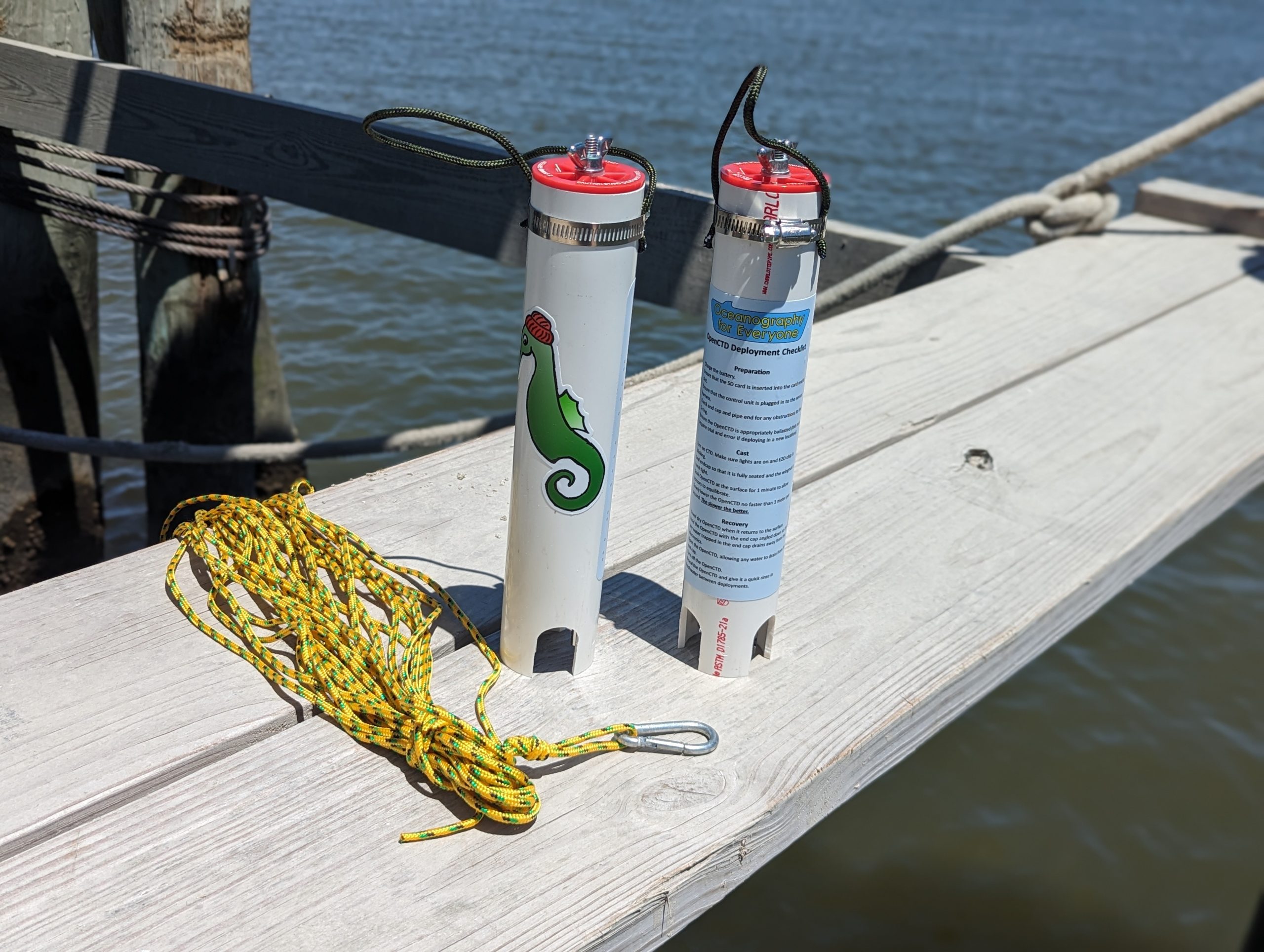
The next OpenCTD is here!
June 22, 2026
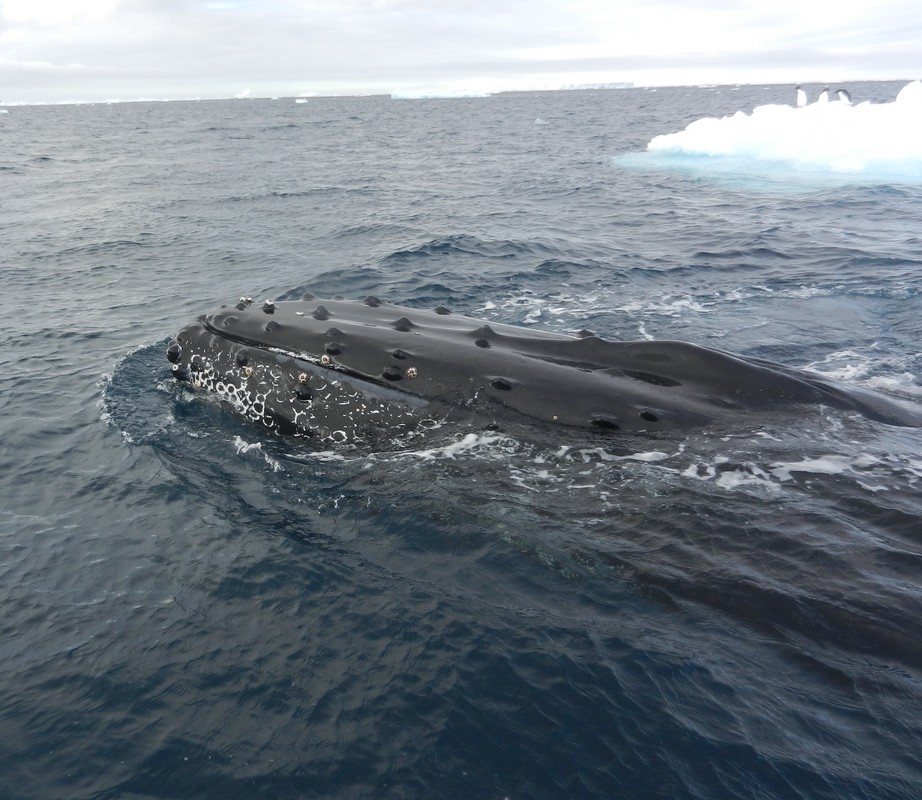
humpback whale in Antarctica
The evolution of the International Whaling Commission – from  whaling quotas to whale conservation
June 10, 2026
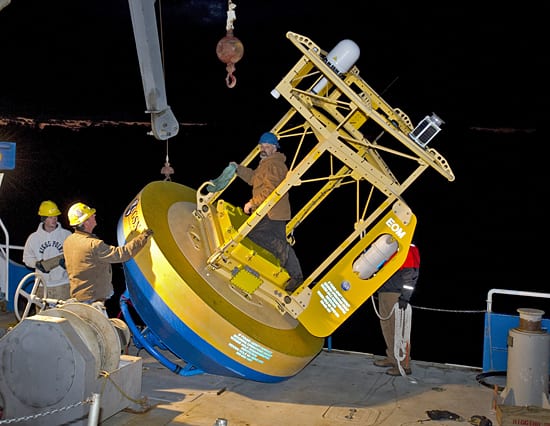
Isn’t ironic, don’t you think: dismantling the Ocean Observatories Initiative on World Oceans Day
June 9, 2026
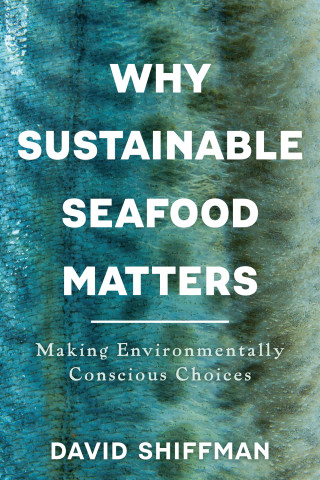
“Why Sustainable Seafood Matters” is now available for preorder! Here’s what it’s about, and why I decided to write it.
June 8, 2026
Here’s how to join my IMCC8 symposium, “Ocean Science Communication: What’s New and What’s Next?”
April 22, 2026
Deep Sea Mining Symposium Announcement
April 21, 2026

A Path for Sustainable Development

Posted on May 23, 2011May 23, 2011 By Bluegrass Blue Crab
Conservation

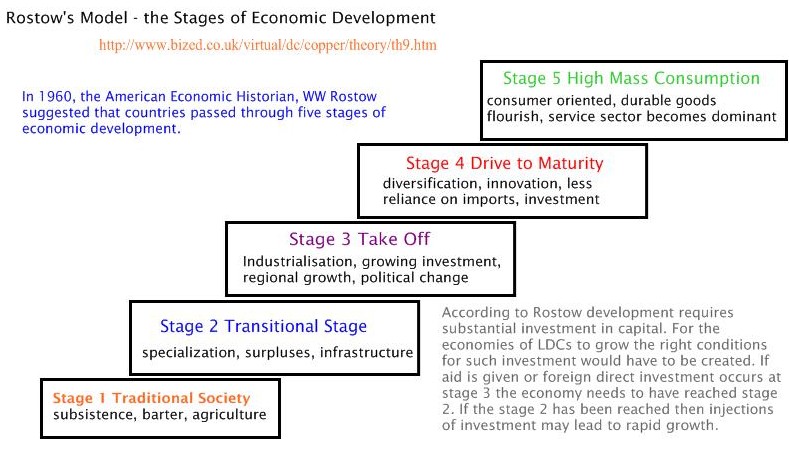
After our sustainability month, it becomes easy to ask for a plan to become more sustainable. On a national scale, this becomes demand for a blueprint or recipe for how to organize society successfully in the future along sustainability principles. The idea of a given trajectory of development goes back to Walt Rostow, who described development around the world up to 1960, ending with the emergence of a first, second, and third world. More modern theorists realize that the world is not linear, however.

Read More “A Path for Sustainable Development” »

Forum on fish, food, and people at the SeaMonster

Posted on May 17, 2011May 17, 2011 By Andrew Thaler 1 Comment on Forum on fish, food, and people at the SeaMonster
Science

The SeaMonster has posted a lengthy e-mail discussion among several key players in fisheries science regarding Ray Hilborn’s recent “Let us eat fish” Op-Ed in the New York Times. The discussion is, quite frankly, epic, and I encourage anyone interested in fish, ecology, fisheries, or seafood to give it a read. Forum on fish, food, … Read More “Forum on fish, food, and people at the SeaMonster” »

Science to action: A scientist’s guide to influencing decision making

Posted on May 17, 2011May 17, 2011 By David Shiffman
Conservation, Science

This week at the International Marine Conservation Congress, a great resource was introduced.  Science to Action, an affiliate of Conservation International, released a dual volume called “A scientist’s guide to influencing decision making /a decision maker’s guide to using science”.

Read More “Science to action: A scientist’s guide to influencing decision making” »

New Ocean Acidification PSA

Posted on May 17, 2011May 17, 2011 By David Shiffman
Conservation, Science

This morning, Plymouth Marine Laboratory launched a new public service announcement about ocean acidification entitled “Connecting science, industry, policy and public”. According to the Official MPA Blog:

Read More “New Ocean Acidification PSA” »

The moldy kingdom gets a new neighbor

Posted on May 13, 2011May 24, 2011 By Andrew Thaler 6 Comments on The moldy kingdom gets a new neighbor
Science

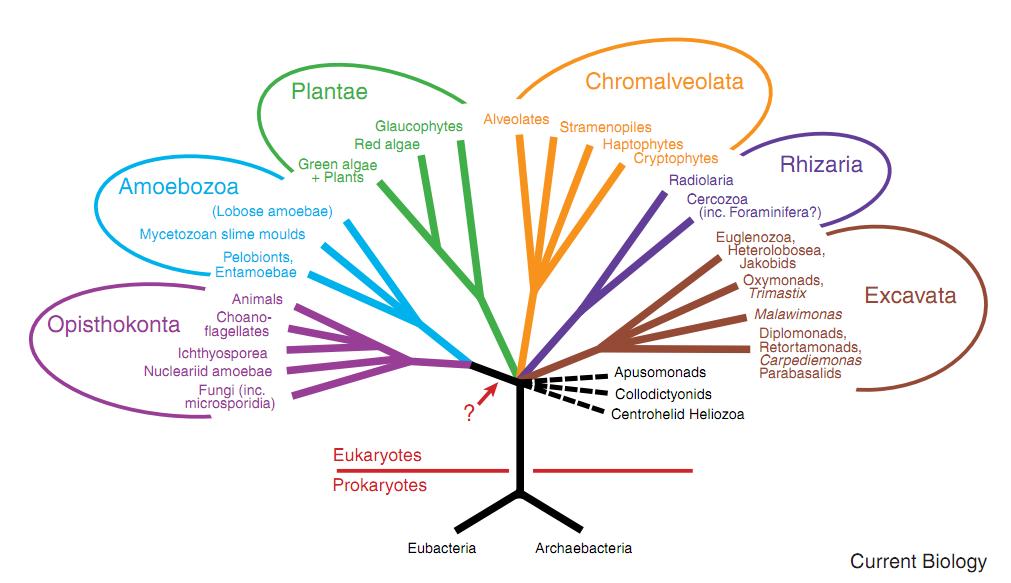
A diagrammatic tree depicting the organisation of most eukaryotes into six major groups. The relationships amongst most of the major groups and the position of the ‘root’ of the tree are shown as unresolved (note however, the grouping of Opisthokonta and Amoebozoa). The arrow shows a possible precise placement of the root, based on gene fusion data. (Simpson and Roger 2004)

Depending on your view of phylogenetics, a recent publication in Nature reporting the discovery of a new kingdom-level branch on the tree of life, basal to Kingdom Fungi, is either a major revision of our current view of taxonomy or completely unsurprising and expected. While we mostly refer to the four kingdoms within Domain Eukarya as Protista, Plantae, Fungi, and Animalia, it’s understood by the scientific community that Protista is essentially a catch-all category, not a true clade, for eukaryotes that don’t quite fit into the other three groups. While this is convenient for organization, it fails to adequately express the diversity of protists. Four kingdoms is a useful system, but there’s no reason why diversity at the kingdom level couldn’t be much higher. A strict cladist could  create hundreds, if not thousands of kingdoms from Protista alone.

Read More “The moldy kingdom gets a new neighbor” »

Weekly dose of TED – John Delaney: Wiring an interactive ocean

Posted on May 13, 2011May 12, 2011 By Andrew Thaler
Uncategorized


Off to the International Marine Conservation Congress!

Posted on May 12, 2011May 12, 2011 By David Shiffman 2 Comments on Off to the International Marine Conservation Congress!
Conservation

I’m on my way to the 2nd International Marine Conservation Congress in Victoria, British Columbia. This gathering, organized by the Society for Conservation Biology, brings together leading scientists and conservationists from around the world.

Read More “Off to the International Marine Conservation Congress!” »

Short update on the North Carolina Wildfire and Red Wolves

Posted on May 12, 2011 By Andrew Thaler 2 Comments on Short update on the North Carolina Wildfire and Red Wolves
Conservation

The wildfire that ignited in Dare County last week is still burning, as many coastal residents were reminded last night when the wind changed and brought smoke inland. Fortunately, the incident command is reporting that the fire is more than 50% contained, has not reached the town of Stumpy Point, and did not penetrate to … Read More “Short update on the North Carolina Wildfire and Red Wolves” »

Florida Senate fails basic biology, accidentally outlaws sex.

Posted on May 11, 2011May 25, 2011 By Andrew Thaler 59 Comments on Florida Senate fails basic biology, accidentally outlaws sex.
Science

Question: If your elected officials fail basic taxonomy, promote anti-science curriculum, and consistently attempt to undermine the fundamental underpinning of all biology, what happens when they start trying to legislate from this flawed view of reality?

Read More “Florida Senate fails basic biology, accidentally outlaws sex.” »

Does Knowledge Equal Power?

Posted on May 10, 2011May 10, 2011 By Bluegrass Blue Crab
Uncategorized

knowledge of plants has mean money, if not power, www.mindfully.org

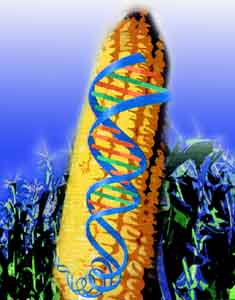
Foucault saw the concepts of knowledge and power as one entity, which he called “pouvoir-savoir”, based on the philosophy that knowledge and power are co-evolved. There are a number of examples where Foucault’s assertion seem to be correct. In France, a group of patients with muscular dystrophy coordinated and collected vast amounts of collective data on the rare disease by detailed recordkeeping by family members. They even held their own conferences and shared information, eventually bringing in a couple of doctors to do standard medical analysis on their data. Armed with knowledge of the disease, they were able to confront the medical establishment, which had previously ignored their cases because so little was known about the disease and the doctors did not want to look ignorant. Public attention brought by these events also brought funding to an otherwise unprofitable treatment regiment (Rabeharisoa and Callon in Jasanoff 2004). In other parts of the world, knowledge of medicinal plants and other helpful plant genotypes has been linked to indigenous rights movement through intellectual property (Whatmore 2002). Plant germplasms have become a way for communities to connect to international groups supporting biodiversity, which in turn helps secure indigenous rights over both intellectual and land properties.

Read More “Does Knowledge Equal Power?” »

Posts pagination

Previous 1 … 168 169 170 … 273 Next

Popular Posts

Ageism in the conservation job marketAgeism in the conservation job marketJune 19, 2026Chris Parsons
What Ocean Ramsey does is not shark science or conservation: some brief thoughts on "the Shark Whisperer" documentaryWhat Ocean Ramsey does is not shark science or conservation: some brief thoughts on "the Shark Whisperer" documentaryJuly 2, 2025David Shiffman
Screaming into the void - Why your scientific paper doesn’t matterScreaming into the void - Why your scientific paper doesn’t matterJune 18, 2026Chris Parsons
The next OpenCTD is here!The next OpenCTD is here!June 22, 2026Andrew Thaler
What is a Sand Shark?What is a Sand Shark?November 12, 2017Chuck Bangley
Undermining the Law of the Sea. Some additional thoughts following my OpEd in the Hill.Undermining the Law of the Sea. Some additional thoughts following my OpEd in the Hill.June 22, 2026Andrew Thaler
The story of the pride flag made from NASA imagery: Bluesky's most-liked imageThe story of the pride flag made from NASA imagery: Bluesky's most-liked imageSeptember 27, 2024David Shiffman
That's not a blobfish: Deep Sea Social Media is Flooded by AI SlopThat's not a blobfish: Deep Sea Social Media is Flooded by AI SlopDecember 19, 2025Andrew Thaler
Our favorite sea monsters – Ningen (#4)Our favorite sea monsters – Ningen (#4)September 7, 2010Andrew Thaler
Did monster hunters find a 120 meter long giant squid on google maps?Did monster hunters find a 120 meter long giant squid on google maps?June 17, 2016Andrew Thaler

squishy

Subscribe to our RSS Feed for updates whenever new articles are published.

We recommend Feedly for RSS management. It's like Google Reader, except it still exists.

Southern Fried Science

  • Home
  • About SFS
  • Authors
  • Support SFS


If you enjoy Southern Fried Science, consider contributing to our Patreon campaign.

Copyright © 2026 Southern Fried Science.

Theme: Oceanly Premium by ScriptsTown