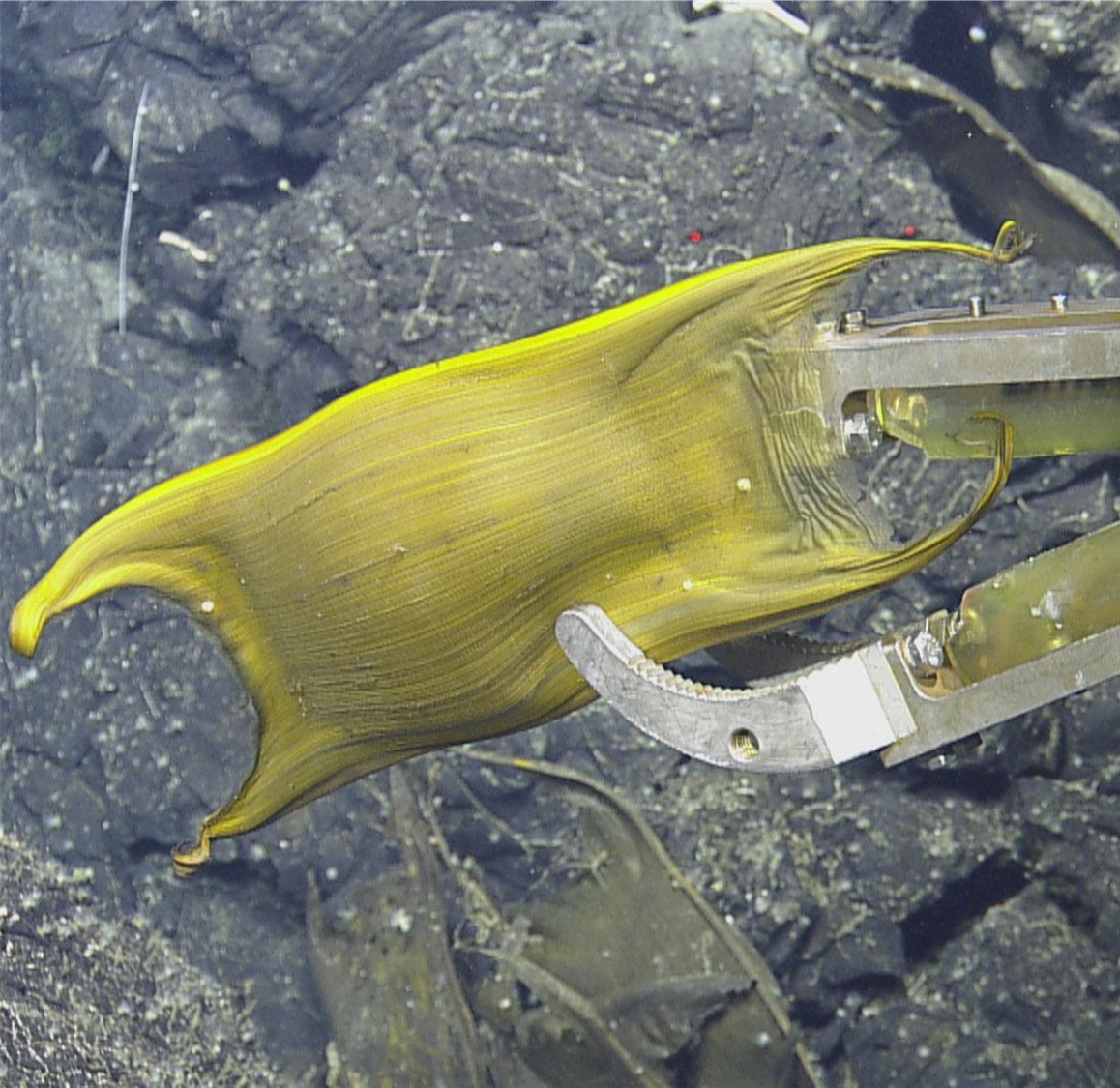
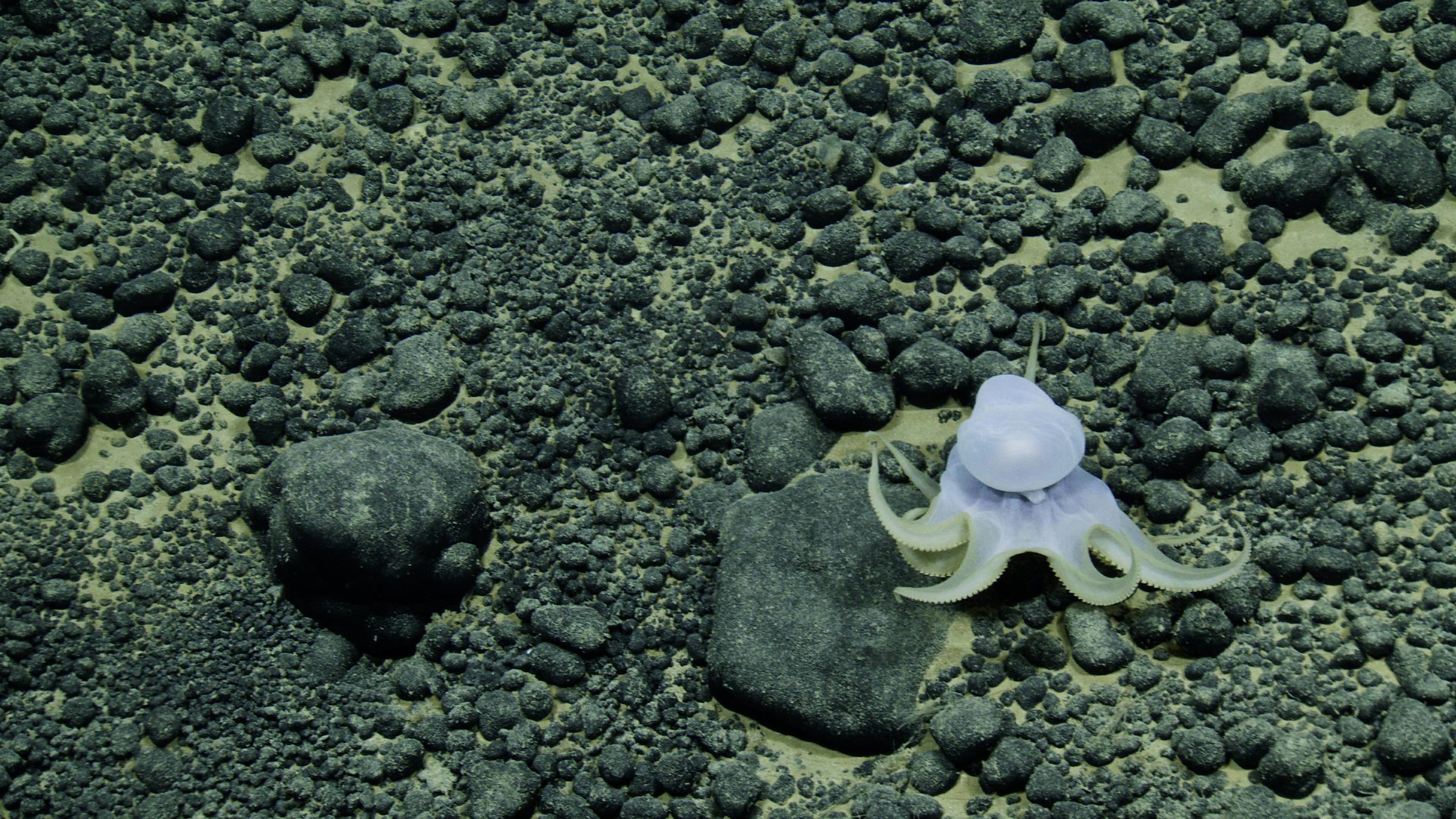


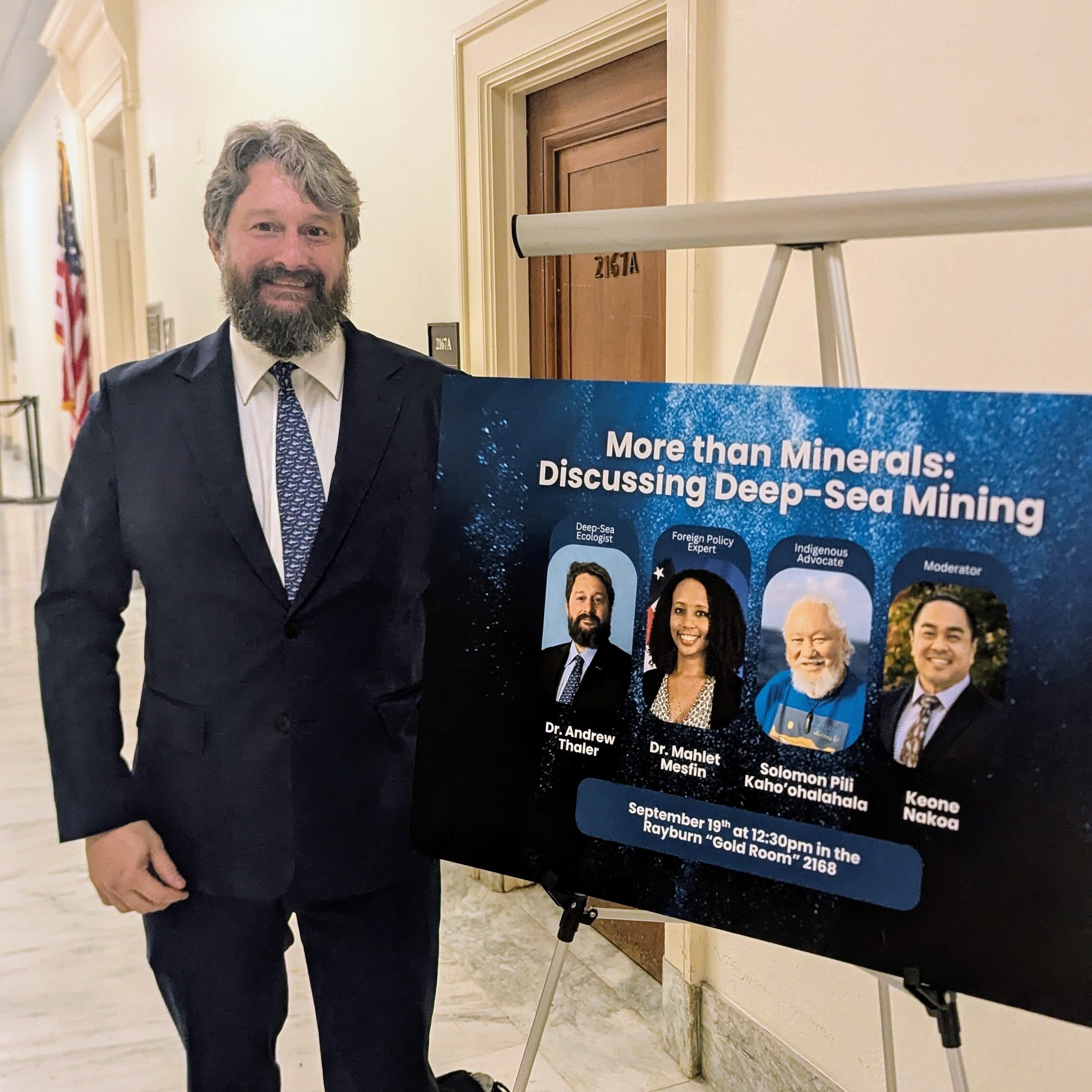
Cuttings (short and sweet): Watch how slowly this Greenland shark swims, from a NOAA Okeanos video. These sharks have the slowest swimming speed ever measured in a fish. Follow sawfish conservation expert Dr. Tonya Wiley-Lescher @TonyaRWileyL on twitter! A Florida State research team, with help from our friends at Field School, became the first people … Read More “Thursday Afternoon Dredging: December 29th, 2016” »
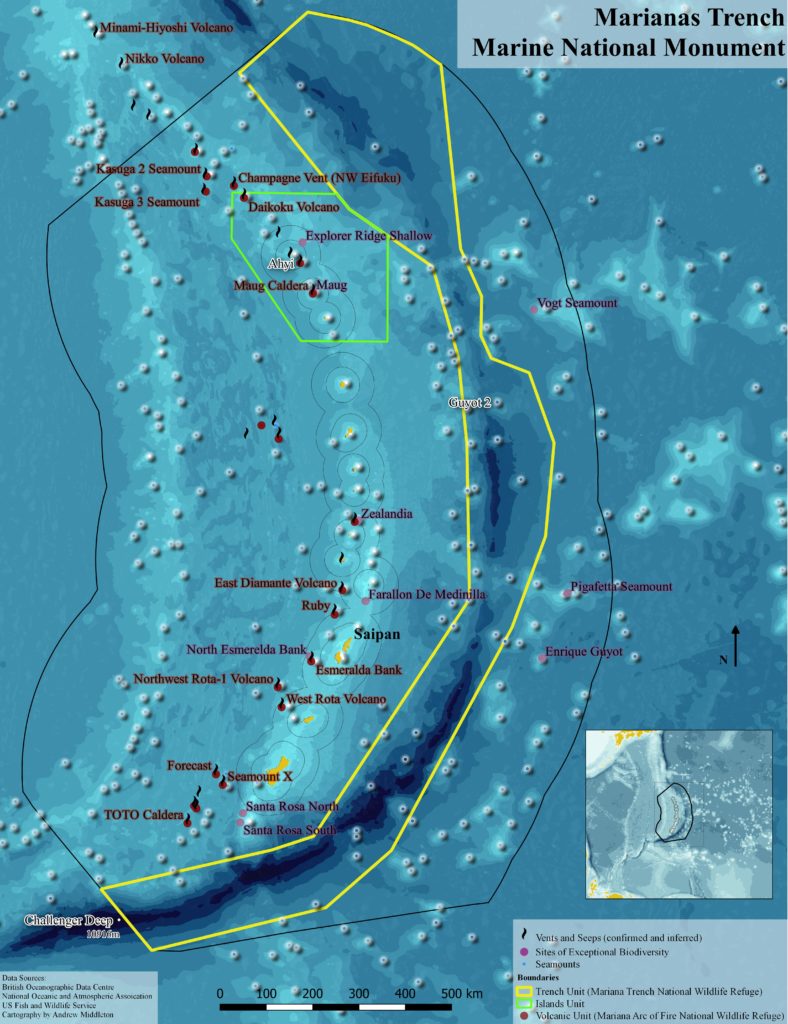
Early this December, the National Park Service announced that the Marianas Trench Marine National Monument made the short list for UNESCO World Heritage designation. Though hidden beneath the water’s surface, the Mariana Trench, a unique geologic and ecologic landmark and a natural treasure, dwarfs the Grand Canyon in scale and scope.
The Mariana Trench is more than a mile deeper than Mt. Everest is high and hosts Challenger Deep, the deepest point on Earth. It is also home to numerous sites of exceptional scientific value, including submerged volcanoes that host deep-sea hydrothermal vents, the largest documented mud volcanoes, coral atolls and fringing reef ecosystems that support apex predators like sharks and whales, as well as habitat-forming stony corals.
Welcome back! We missed a week while I was traveling across the Commonwealth of the Northern Marianas Islands and Guam, so dig in and enjoy!
Flotsam (what we’re obsessed with right now)
- The Mariana Trench!

- It’s the deepest place on the planet and we’ve been all hands on deck sharing the latest science from the bottom of the ocean with our friends in Saipan, Tinian, Rota, and Guam. Check out our expedition on OpenExplorer for a blow by blow of the 12-day adventure. Visit the Friends of the Mariana Trench Marine National Monument Facebook page for more exciting stories from the field. We even got some nice coverage in the local press: Marine scientists talks about Marianas Trench at Rotary and Marianas Trench Marine National Monument to be discussed on ‘Your Humanities Half-Hour’.
- The Guam Daily Post has my favorite coverage of this adventure: With the help of a tiny robot, scientists deepen support for a Mariana Trench sanctuary.
Year-in-review news roundups are one of my favorite parts of December. I really enjoy remembering all of the interesting and inspiring things that happened over the past year, especially after a rough year like this one. I especially enjoy “top science news of the year” roundups, and I was pleased to see marine science stories make the cut on many of them. For your “but why is this considered a top story but that isn’t” debating pleasure, here are the marine science news stories that made top science news stories of the year listicles!
Cuttings (short and sweet):
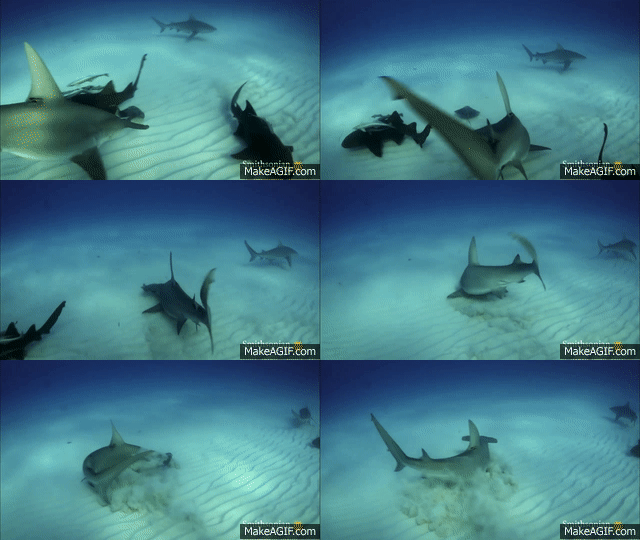
- Watch this hammerhead shark hunt and catch a stingray, from “Hunting the Hammerhead” on the Smithsonian Channel

- Follow Dr. Mariana Fuentes @Fuentes_MMPB, a Florida State University marine megafauna researcher, on twitter! Follow her for updates from her research, which involves sharks and sea turtles.
- Check out my interview on the Speak up for Blue ocean science and conservation podcast!
Read More “Thursday Afternoon Dredging: December 22nd, 2016” »
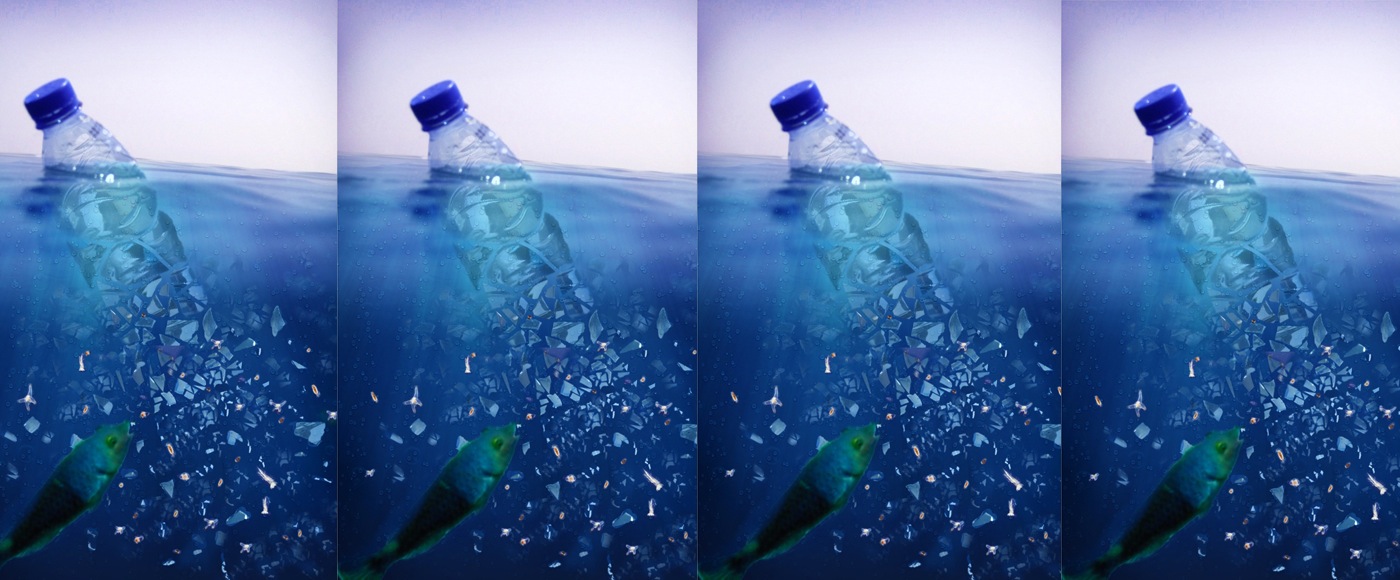
Plastics, more importantly microplastics, clog our oceans. This phenomena in the ocean has been likened to smog around cities. These plastic particles are dangerous because they can absorb toxins, subsequently be consumed by zooplankton and invertebrates, and bioaccumluate up the food web to fish that are consumed by humans. A study in Nature found that 25 percent of seafood sold contains microplastics! There has been a recent awareness of the unseen harm that exists when plastic pollution in the ocean degrades into microplastics. A report in Environmental Research Letters estimated that “accumulated number of micro plastic particles… ranges from 15 to 51 trillion particles, weighing between 93 and 236 thousand metric tons.” That is cray cray. Despite a better awareness of the impact of microplastics on marine ecology, we still have a poor spatial understanding of microplastics in the ocean. The presence and density of microplastics is determined by trawling the ocean (i.e., researchers go out with a net and physically count the pieces of plastic they pick up). As you can imagine, this is not very effective.

Read More “Fun Science FRIEDay – Harnessing Synthetic Biology to Fight Ocean Pollution” »
Many years ago as a graduate student at the College of William & Mary, Virginia Institute of Marine Science, my former officemate (Noelle Relles) and I came up with a novel idea: take all the disparate information out there about strategies for getting into graduate school in the natural sciences and coalesce them into a single concise yet comprehensive text. Essentially develop a How-To book about graduate school. But we wanted the book to be more than just instructional anecdotes. We were scientist, and thought it would be useful to add a level of empiricism to the book. We wanted to write a How-To book where the conclusion were driven by results from a national survey of graduate admissions offices in the USA. At the time, writing a book based on a national survey of graduate programs seemed like quite a long-shot as we were both a number of years removed from getting our PhDs, and the most pressing issues in our lives at that time were graduating and finding free food and alcohol.

Read More “The Worlds First Empirical ‘How-To’ Get Into Graduate School Book” »
Cuttings (short and sweet):
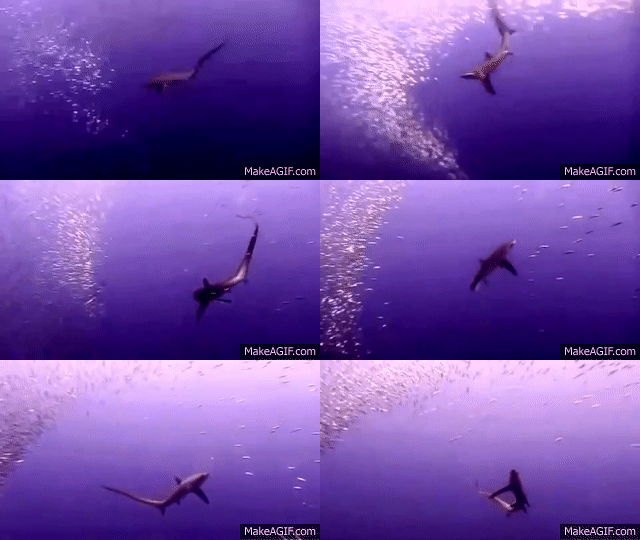
- How thresher sharks use their tails, from this paper by Oliver and friends.

- Follow Brit Finucci @BritFinucci on twitter! Follow her for awesome photos of her research with deep sea sharks.
- I love this commerical and I’m pretty sure that you will too.
Read More “Thursday Afternoon Dredging: December 15th, 2016” »
Earlier this week, I announced that I have officially earned my Ph.D.! I am hoping to use this occassion to raise funds for a variety of environmental causes. If you’re able to help, I’ve created a JustGive.org campaign that allows you to donate to my favorite environmental and human rights causes in honor of my … Read More “Help save the oceans in honor of David’s Ph.D.!” »

After a little more than 5 years of hard work, I’ve officially completed my Ph.D.! You can read my dissertation (“An Integrative and Interdisciplinary Approach to Shark Conservation: Policy Solutions, Ecosystem Role, and Stakeholder Attitudes”) online here in its entirety.
In case there are some among you who don’t really want to read a 281 page dissertation but are curious about what I found, I’ve prepared this blog post to summarize my key conclusions. (Note: this does not include every conclusion. Some are aggregated together, and some more technical conclusions are omitted for this summary).
Read More “37 things I learned about shark ecology and conservation for my dissertation” »